
Education
Learn
Guides written to be useful before a purchase and after it: how things are made, how to tell them apart, what to ask a seller, and how to keep what you own.
- Guides
- 220
- Craft families
- 7
- Guide types
- 4
Start here: a reading path
- Introduction to Persian handicraftsStep 1 · 10 min
- How Persian carpets are madeStep 2 · 9 min
- Understanding natural dyesStep 3 · 7 min
- How to buy a Persian rug: appraisal, where to buy, negotiating and shippingStep 4 · 22 min
- Identifying khatam from printed imitationStep 5 · 6 min
- Reading a condition reportStep 6 · 6 min
- Storing and caring for Iranian textilesStep 7 · 8 min
Browse all guides
Guide type
Craft family
Showing 24 of 220 guides
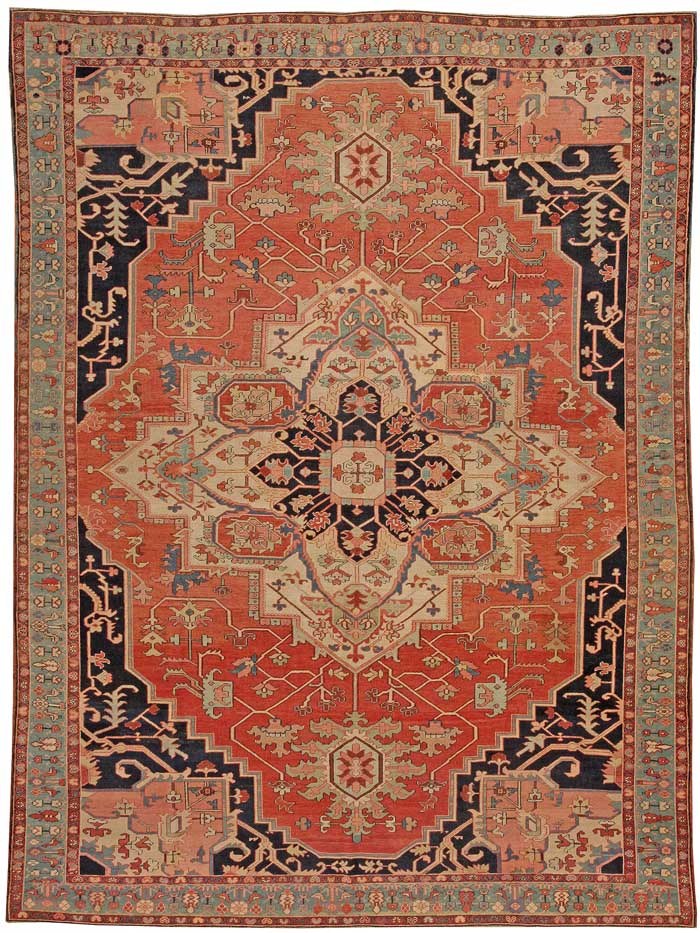
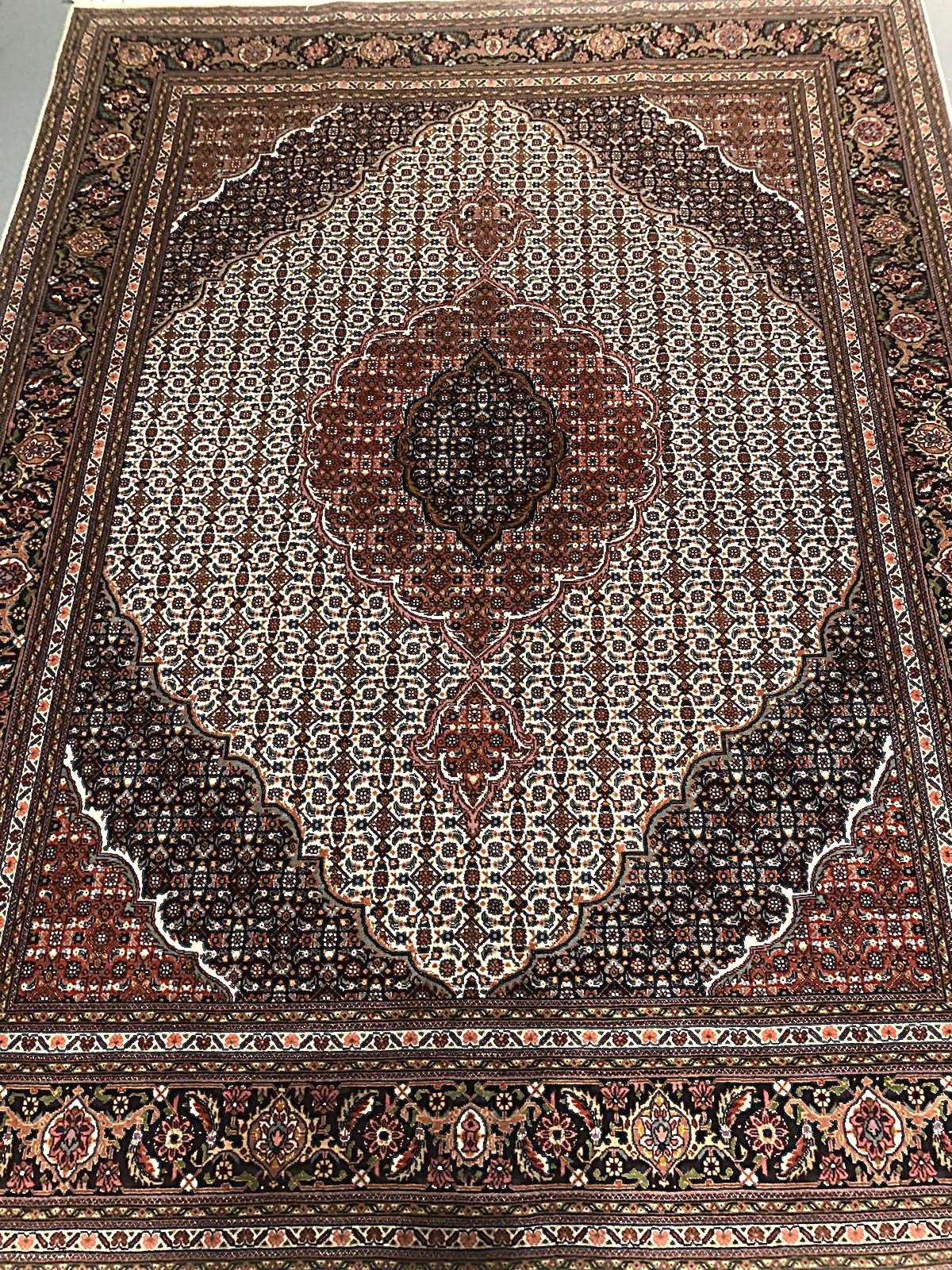
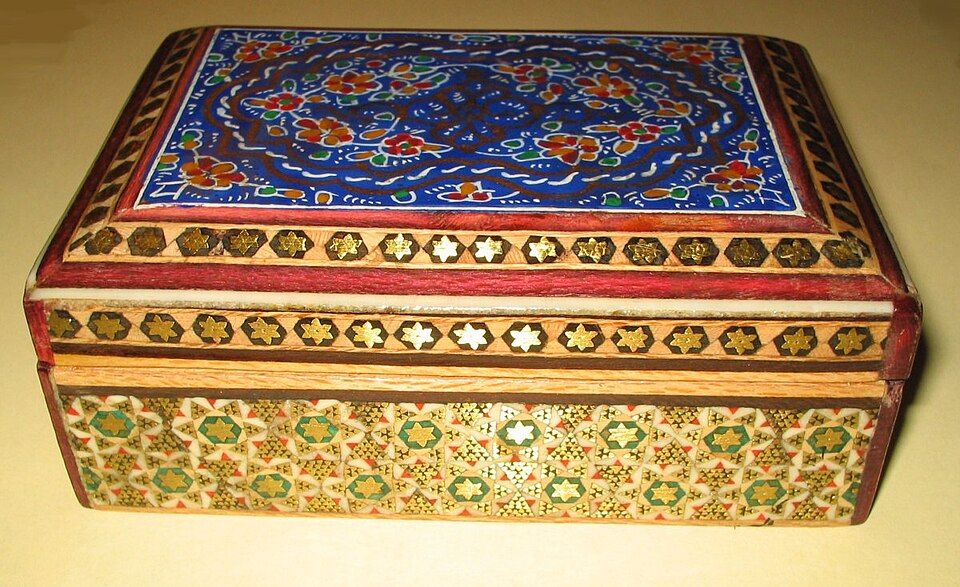
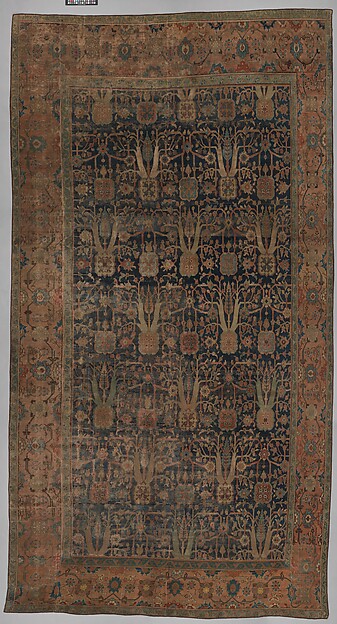
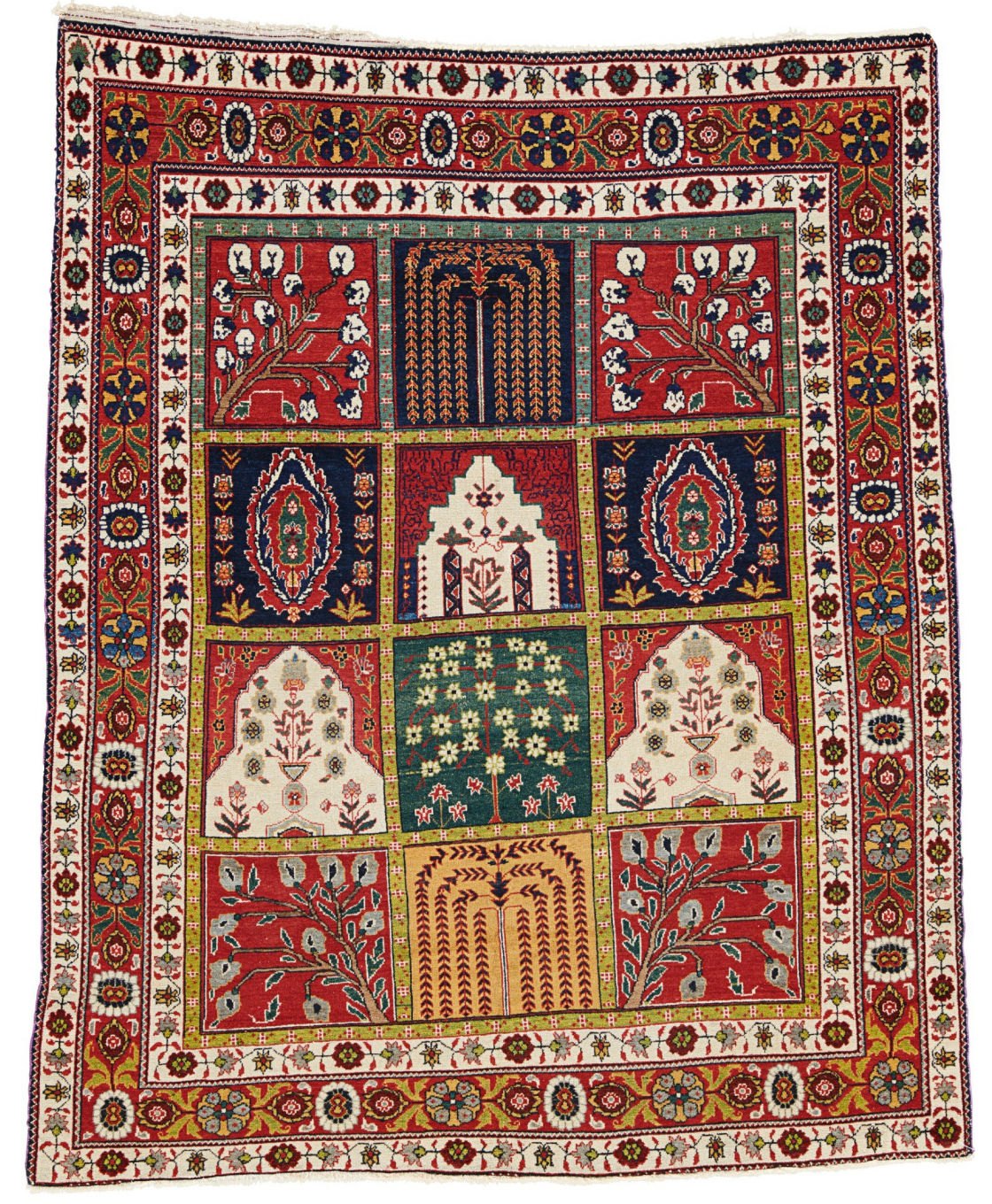

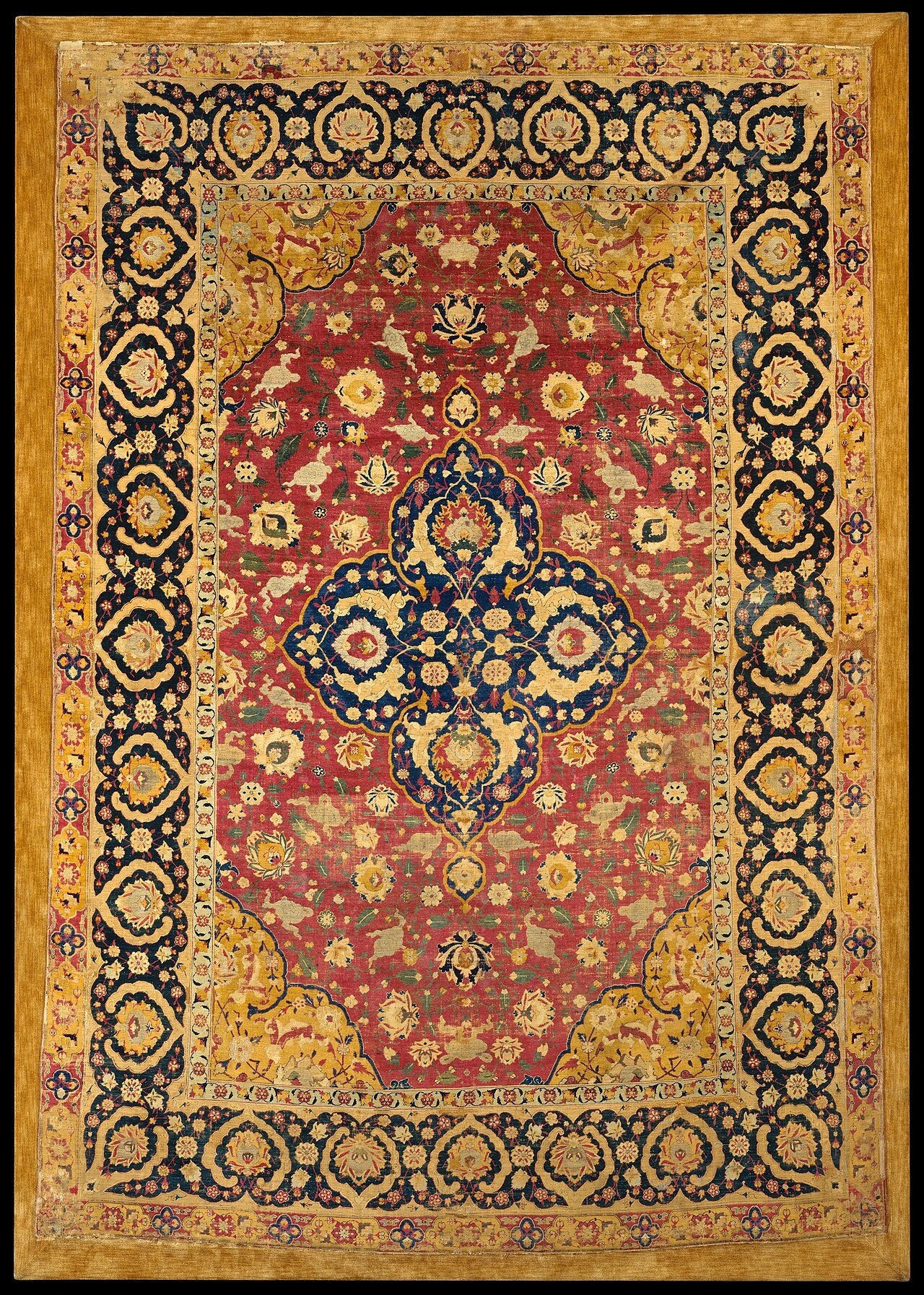
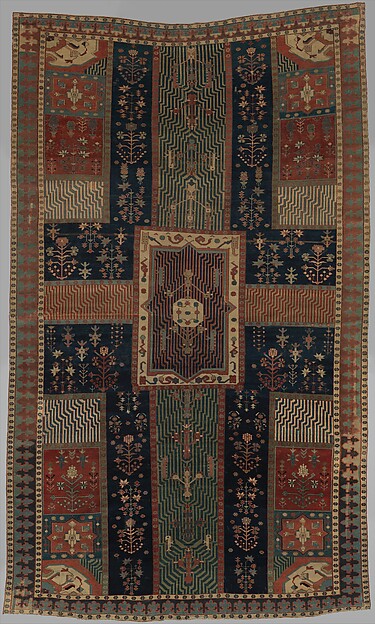
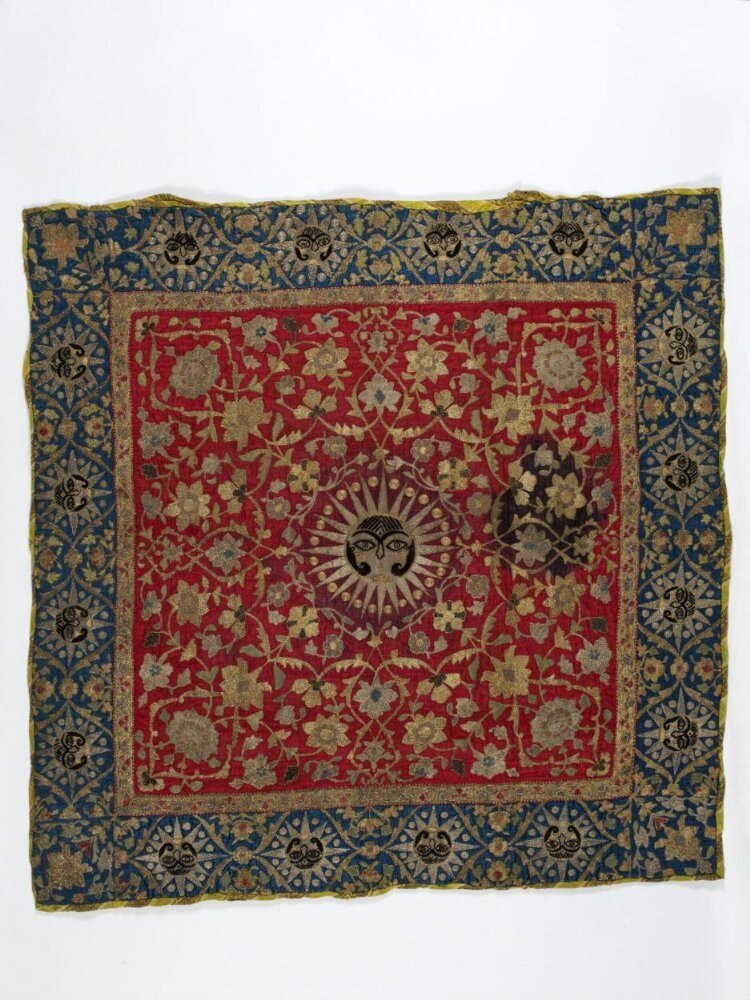
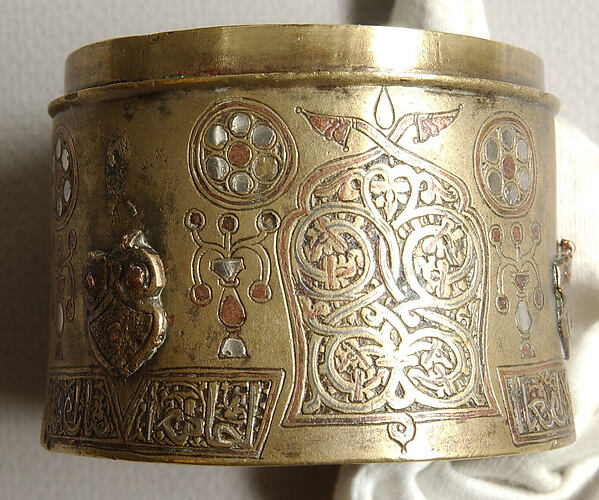
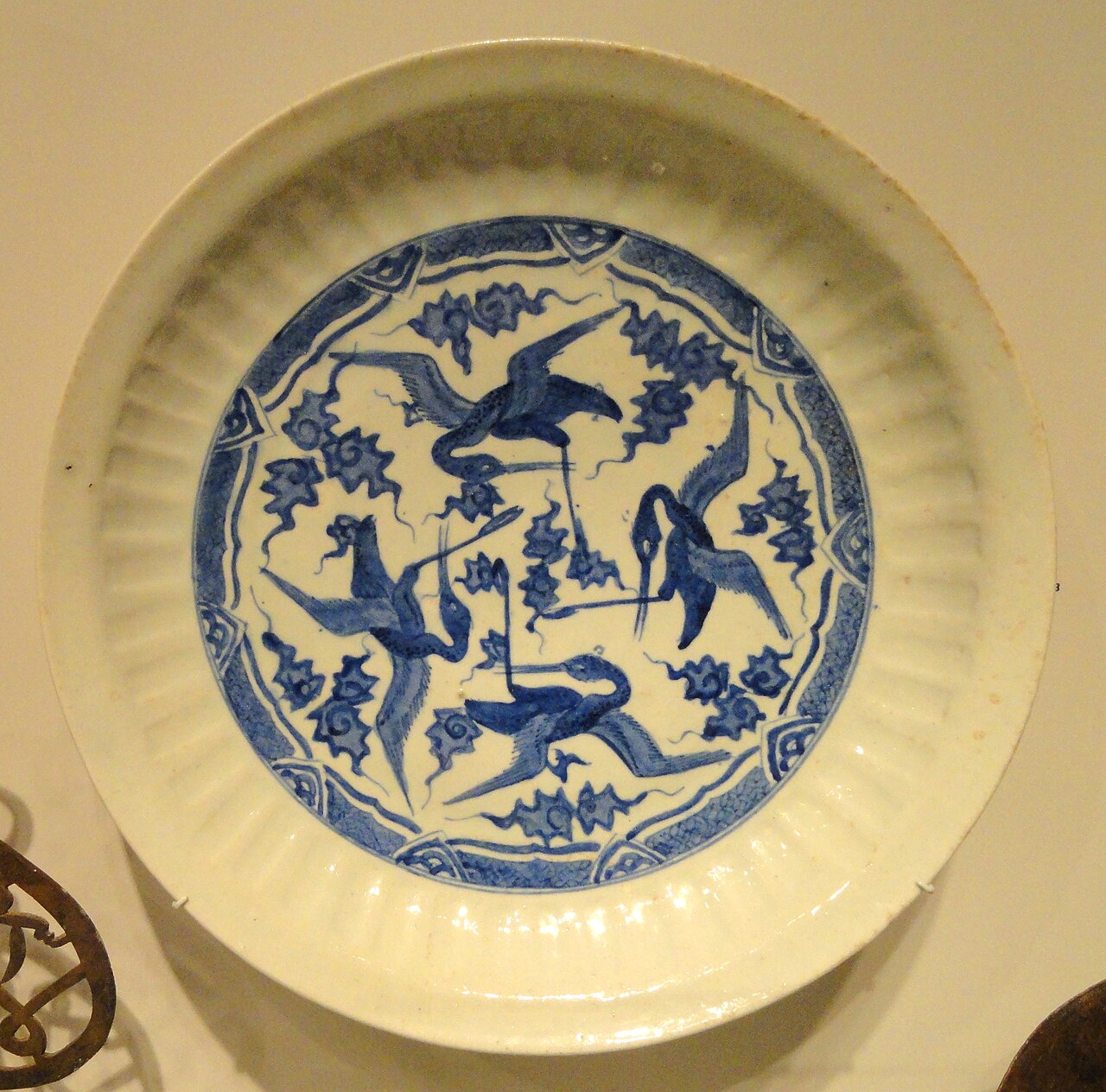
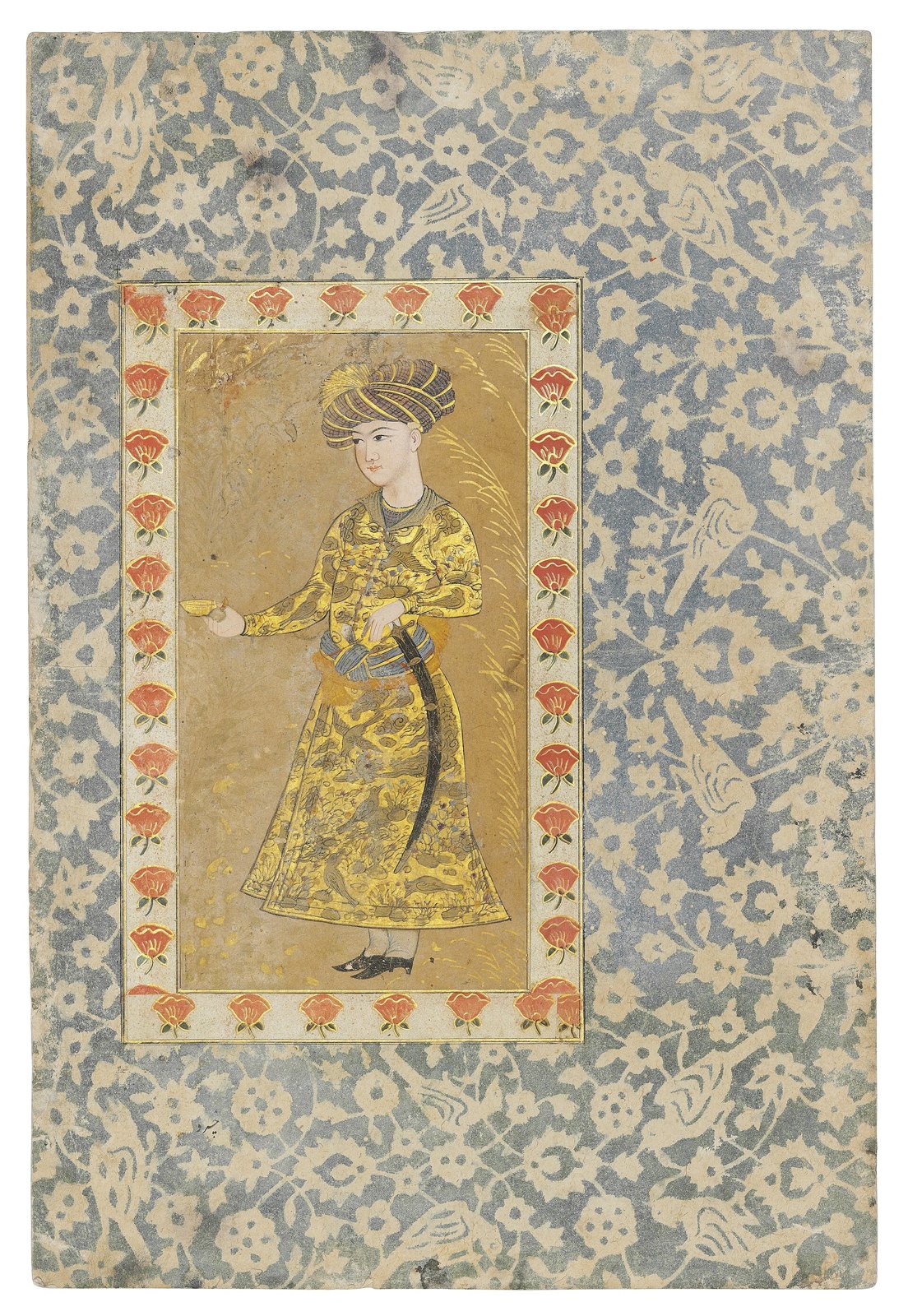
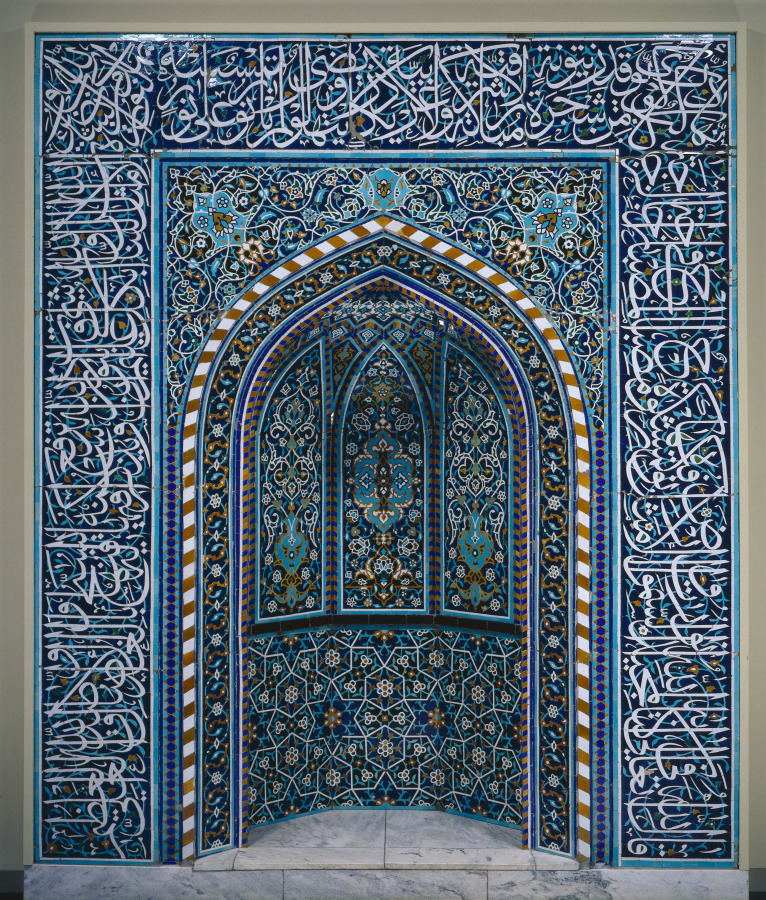
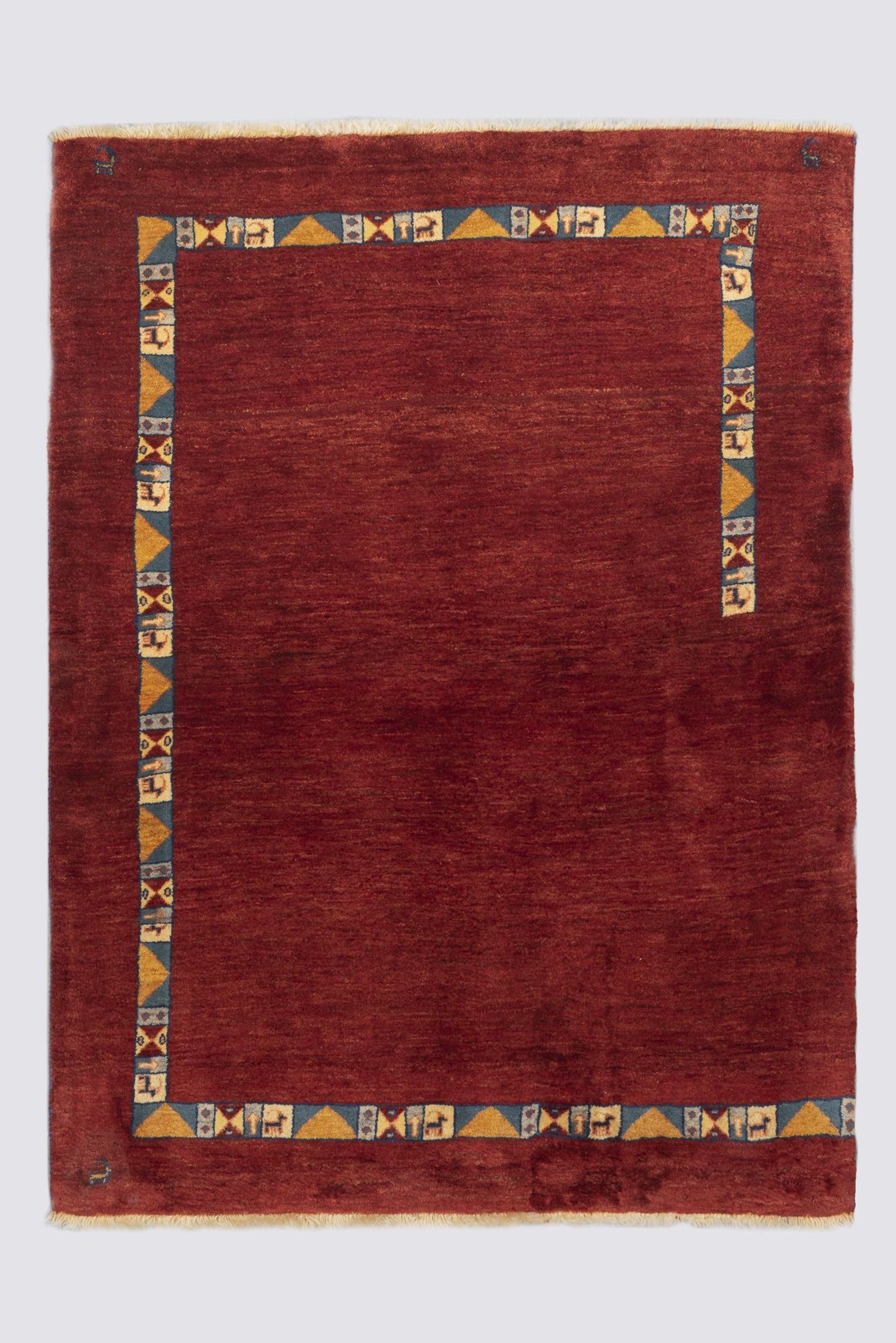
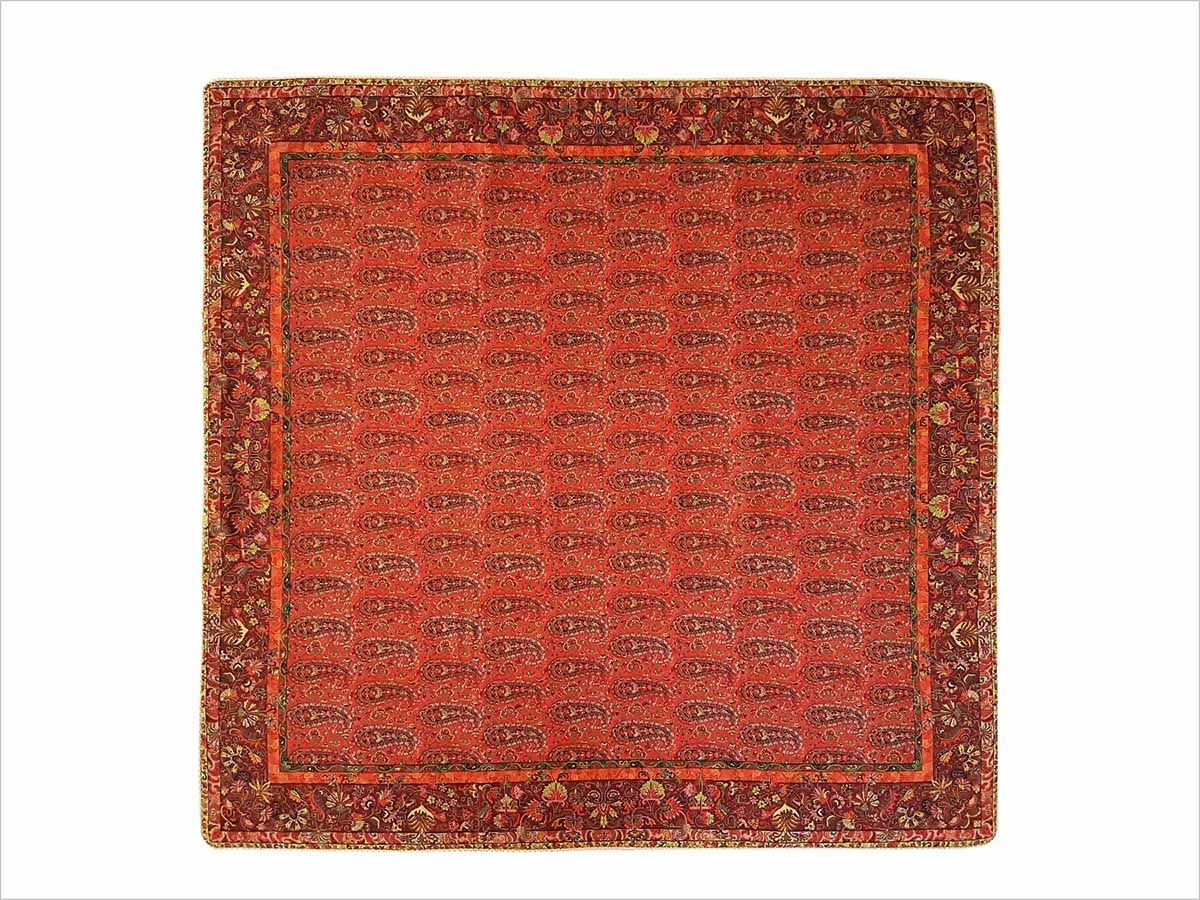

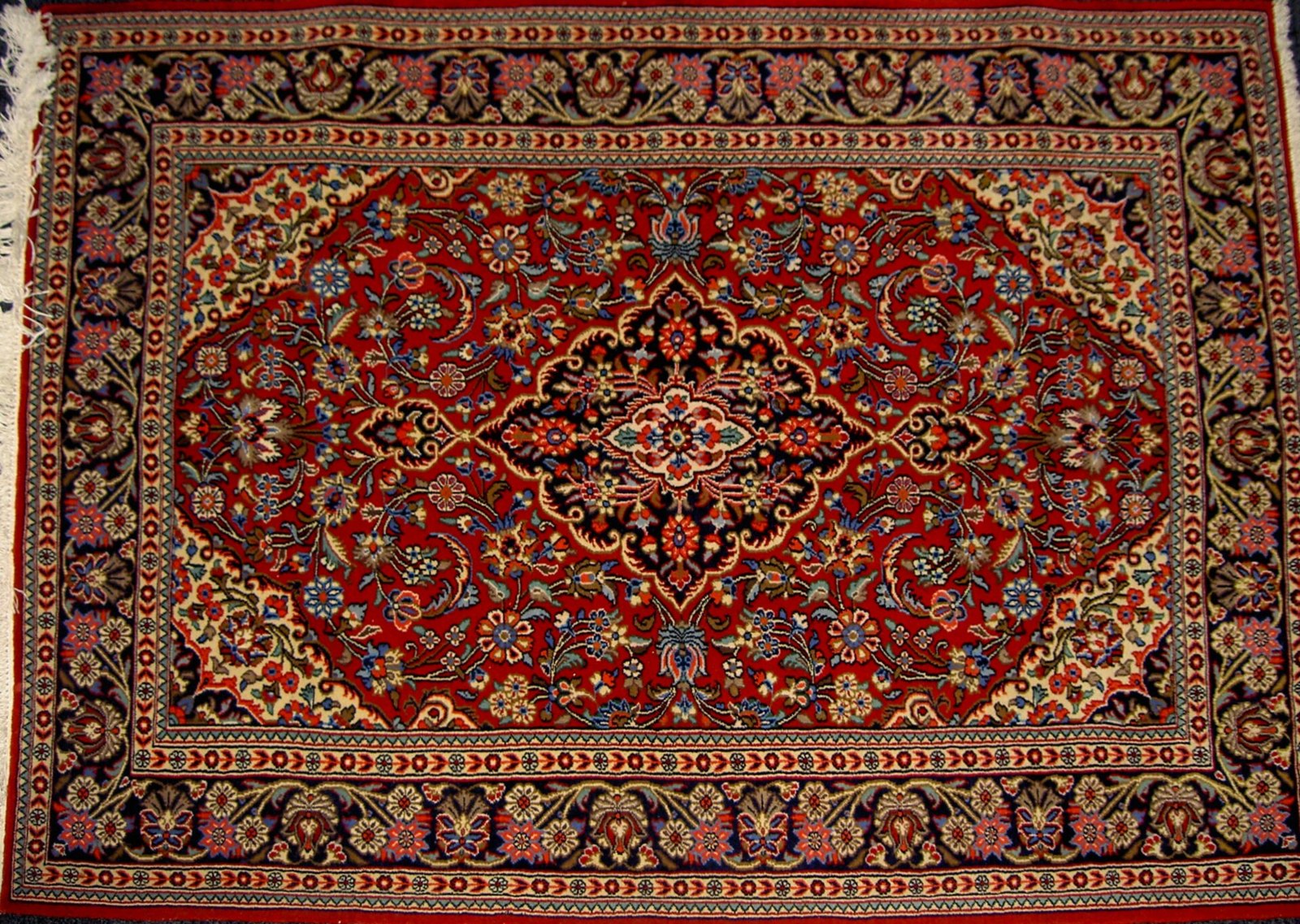

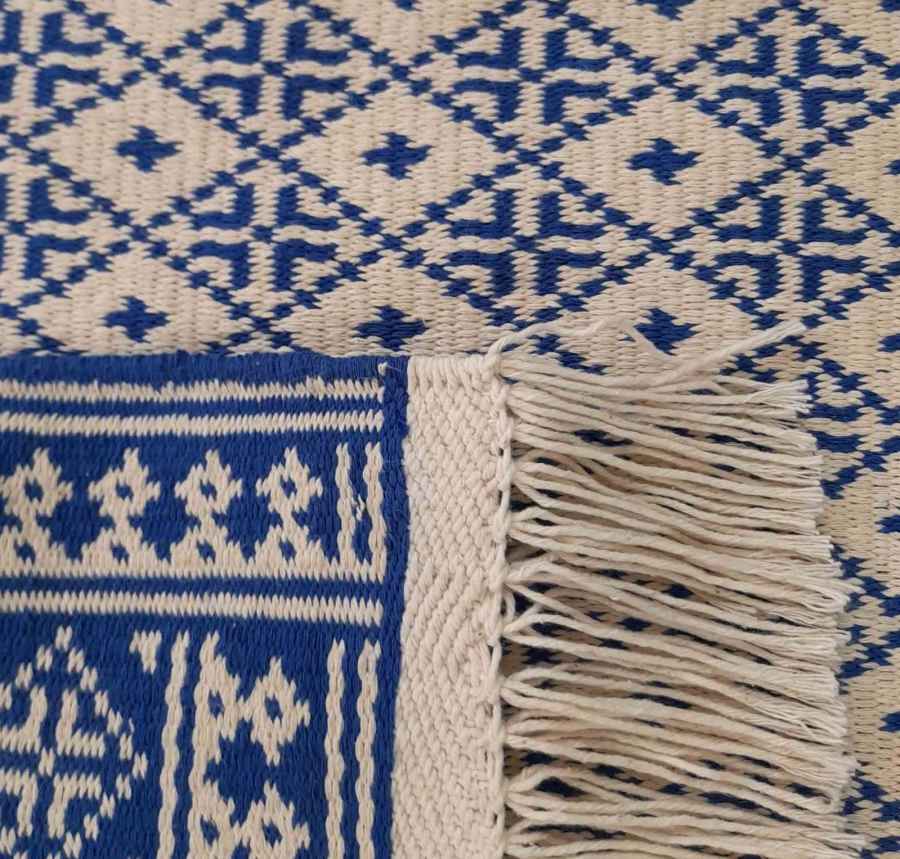
Object studies & research library
Museum-catalogued ceramics, textiles and manuscript leaves, each with its accession number, licence and what the catalogue record does and does not tell us.
Every guide, A–Z
Beginner guides (84)
- A short history of Persian tilework
- A visitor's guide to Iranian craft bazaars
- Abr-o-bad: Persian paper marbling
- Abru: paper marbling
- Bone and horn carving in Iran
- Boteh: the Persian origins of paisley
- Charm-duzi: Iranian handmade leatherwork
- Colours in Persian rugs: dyes and what they suggest
- Crafts of Gilan: Rasht-duzi, mats and Masuleh
- Crafts of Isfahan: a visitor's guide
- Crafts of Kashan: carpets, velvet, rosewater and tiles
- Crafts of Kerman: pateh, carpets and copper
- Crafts of Mashhad and Khorasan: turquoise, soapstone, carpets
- Crafts of Shiraz and Fars: inlay, nomad weavings and glass
- Crafts of Sistan and Baluchestan
- Crafts of Tabriz: carpets, leather and metal
- Crafts of Yazd and Meybod: zilu, termeh, pottery
- Crafts of Zanjan: filigree, knives and charoq
- Decorating with Iranian handmade crafts
- Endangered Iranian crafts and how to help
- Firuzeh-kubi: turquoise inlay on copper and brass
- Gabbeh rugs: a beginner’s guide
- Gach-bori: Persian carved stucco in architecture
- Gereh-chini: Persian geometric wooden lattice
- Ghalamkar: hand block printing on cotton
- Ghalamzani: engraved metalwork
- Giveh: Iran’s hand-made cotton shoes
- Glassblowing in Iran
- Hasir-bafi: Iranian mat-weaving and basketry
- How khatam is made, step by step
- How minakari enamel is made
- How Persian carpets are made
- How qalam-zani metal engraving works
- How qalamkar block printing works
- How termeh is woven
- How to learn a Persian craft: classes, apprenticeships and online
- Introduction to Persian handicrafts
- Iranian crafts for new collectors
- Iranian crafts on UNESCO's heritage lists
- Iranian tea culture and handmade tea ware
- Jajim and narrow-band flatweaves
- Khatam kari: how Persian micro-mosaic inlay is made
- Kheimeh-shab-bazi: traditional Persian puppet theatre
- Kilims of Iran: a beginner’s guide
- Lalejin pottery
- Making Persian musical instruments
- Malileh: silver filigree of Zanjan
- Meybod pottery and its motifs
- Mina-kari: painted enamel on copper
- Minakari: Isfahan enamel on copper, process and care
- Moarragh: wood marquetry
- Monabbat-kari: Persian relief wood carving
- Namad: felt making in Iran
- Nastaliq for beginners
- Nomadic weaving of Iran
- Pateh: the embroidery of Kerman
- Persian and Turkish knots explained
- Persian calligraphy scripts explained: nastaliq, shekasteh, naskh
- Persian metal inlay: a guide to gold and silver on steel and brass
- Persian pottery through history: lustre, minai and Lalejin today
- Persian rug patterns: a visual guide to medallions, herati, boteh
- Persian rug vs oriental rug: what's the difference?
- Persian steelwork (fulad-kari): openwork plaques and standards
- Persian stone carving: Mashhad soapstone and beyond
- Persian tilework: haft-rangi, moarraq and where to see it
- Persian velvet weaving (makhmal): a beginner's guide
- Rasht-duzi: the felt appliqué and chain-stitch of Gilan
- Reed pens, ink and paper for calligraphy
- Sahhafi: Persian bookbinding traditions
- Sermeh-duzi: gold-thread embroidery
- Suzan-duzi: Baluch needlework from Sistan and Baluchestan
- Tazhib: the art of Persian manuscript illumination
- Termeh in Iranian weddings, Nowruz and the sofreh
- The tree of life in Persian art
- Traditional Persian jewellery: filigree, enamel and turquoise
- Visiting Iranian craft workshops
- What is a Persian kilim? Flatweave structure, regions and buying tips
- What is abrash in a Persian rug?
- What is Persian miniature painting? Schools, techniques, famous works
- What makes a rug "Persian"? Origin, structure and terms
- Women and weaving in Iran
- Wool, silk and cotton in Persian rugs
- Zari-bafi: Persian gold-thread brocade explained
- Zilu: the cotton flatweave of Meybod
Collector guides (83)
- Abadeh rugs: Qashqai designs in a settled town
- Afshar rugs: tribal and village weaving of Kerman province
- Ardabil rugs: Caucasian-style weaving of north-west Iran
- Bakhtiari rugs: garden panels from Chaharmahal
- Baluch rugs: dark tones and prayer designs
- Bijar rugs: why they are called the iron rugs of Persia
- Collecting Persian tiles responsibly: legality, condition and display
- Ferahan rugs: herati fields and green borders of the Arak plain
- Gabbeh rugs: Qashqai and Luri origins, symbolism, real vs. copy
- Getting a Persian rug appraised: what an appraiser checks
- Haft-rang versus moarraq tile
- Heriz rugs: geometric style, durability and dating
- How to place a Persian rug in time — and why it is hard
- Identifying khatam from printed imitation
- Isfahan carpets: features and identification
- Isfahan rugs: fine knots, silk foundations and famous workshops
- Joshaghan rugs: the lattice design of a central Iranian town
- Kashan rugs: history, medallion designs and identification
- Kashmar rugs: pictorial and floral weaving of Khorasan
- Kerman carpets: features and history
- Khorjin, mafrash and tribal bags: woven storage of Iranian nomads
- Lilihan rugs: Armenian village weaving near Arak
- Luri rugs: weaving of the Lur peoples of western Iran
- Malayer rugs: village weaving between Hamadan and Arak
- Mashhad carpets: workshop weaving of Khorasan
- Meshkin rugs: geometric village rugs near Ardabil
- Mina'i ware: overglaze-painted ceramics of medieval Iran
- Mood and Birjand rugs: fine weaving of South Khorasan
- Nain rugs: ivory and blue fine weaving
- Natural and synthetic dyes in Iranian textiles
- Persian blue-and-white ceramics: Safavid to modern
- Persian bookbinding and lacquer covers
- Persian garden carpets: paradise on the floor
- Persian lacquer painting (rugani): pen-boxes, mirror cases and covers
- Persian lustreware: metallic glazes from Kashan to today
- Persian prayer rugs: the mihrab design
- Qashqai rugs: nomadic weaving of Fars
- Qashqai tribal rugs and weavings
- Qom rugs: twentieth-century silk weaving
- Quchan Kurdish rugs: weaving of the Khorasan Kurds
- Reading a condition report
- Reading a fragmentary Nishapur bowl: radial ornament and missing evidence
- Reading a Garrus griffin bowl: carved slip, dark ground and a single creature
- Reading a Luristan horse bit: winged ibexes, casting and object assembly
- Reading a Safavid bird study from Isfahan: natural history, margins and inscription
- Reading a Samanid Nishapur figural bowl: figures, animals and angular script
- Reading a Sasanian horse-shaped vessel: sculptural form and partial gilding
- Reading a Seljuq bird-shaped vessel: casting, chasing and an inlaid eye
- Reading a Seljuq Qur’an folio: ornamental Kufic, illumination and page evidence
- Reading a Sultanabad bowl: flying birds, dense foliage and an Ilkhanid palette
- Reading an Amlash silver cup: raised form, hunting scenes and relief
- Reading an Ilkhanid Sultanabad dish: deer, phoenixes and borrowed motifs
- Reading an Iranian barber’s apron: woven ornament and assembled clothing
- Reading an Iranian bird bowl: glaze layers and qualified Gurgan attribution
- Reading an Iranian brocaded panel: rosebush repeats, deer and metallic yarn
- Reading Baluchi embroidery photographs: stitches, mirrors and maker evidence
- Reading early Iranian silk: paired animals, roundels and fragment edges
- Reading motifs without over-reading them
- Reading Nishapur ceramics: green ornament and pseudo-inscriptions
- Reading Sari ware: a bird bowl, polychrome slip and Amul attribution
- Recognising Bakhtiari carpet features
- Recognising Heriz carpet features
- Recognising Kashan carpet features
- Recognising Nain carpet features
- Recognising Tabriz carpet features
- Sarouk rugs: dense Arak-area weaving and the 'American Sarouk'
- Saveh rugs: Markazi province weaving and its Sarouk links
- Schools of Persian miniature painting
- Selling a Persian rug: appraisal, auction and dealer options
- Senneh rugs: fine Kurdish knotting of Sanandaj
- Shahsavan flatweaves: sumak bags and kilims of north-west Iran
- Slip-painted ware of Nishapur and Samarkand
- Tabriz rugs: designs, knots, grades and how to recognise one
- The Ardabil carpets: history, myths and what they teach buyers
- Tile and ceramic glazes of Iran
- Turkmen rugs of Iran: gul designs from Golestan
- Turkmen weavings in north-east Iran
- Understanding knot density: KPSI and raj
- Understanding natural dyes
- Valuing antique Persian rugs: age, condition, provenance
- What to look for in khatam inlay
- Yalameh rugs: Qashqai-related weaving near Isfahan and Fars
- Zanjan rugs: Hamadan-type village rugs of the north-west
Buying guides (33)
- Buying handmade Iranian jewellery: turquoise, silver and enamel
- Buying Persian miniature paintings
- Buying qalam-zani engraved metalwork
- Buying Zanjan silver filigree (malileh)
- Carpet terms every buyer should know
- Choosing a Persian handicraft as a gift
- Choosing a Persian rug for a dining room
- Ethical buying of Iranian handicrafts
- Genuine Iranian handmade gifts on a small budget
- Giveh shoes: buying and caring for handmade Iranian footwear
- Handblown Persian glass: what to look for
- How crafts are priced in Iranian bazaars
- How to buy a Persian rug: appraisal, where to buy, negotiating and shipping
- How to ship a handmade rug safely
- How to spot a machine-made rug
- How to tell a real hand-knotted Persian rug
- Iranian copper cookware: tinning, safety and care
- Namad felt rugs: buying and caring for Iranian felt
- Persian rug prices: what drives value (indicative only)
- Persian rug sizes explained: zaronim, dozar, ghali and runners
- Persian rug vs Turkish rug: key differences
- Persian silk rugs: Qom, Isfahan, Tabriz and checking real silk
- Qom silk carpets: a buyer's guide
- Reading a Meybod zilu listing: whole view, weave detail and evidence limits
- Reading a Persian rug label or listing
- Shipping and customs for crafts from Iran
- Spotting replicas and “Persian style” imports
- Termeh: Yazd's woven silk-wool cloth and how to spot printed fakes
- Trade rules and buying from Iran: what to check
- Understanding price in Persian handicrafts
- What is KPSI and does it matter?
- Why Persian rugs cost so much: labour, knots, fibre, age
- Zilu: buying the cotton flatweaves of Meybod
Care & preservation (20)
- Caring for brass and copper
- Caring for enamel and inlaid metalwork
- Caring for handmade textiles at home
- Caring for Iranian ceramics and tiles
- Caring for khatam, moarraq and carved wood at home
- Caring for minakari enamel, filigree and Iranian silver
- Caring for paper: miniatures and calligraphy
- Caring for wooden inlay and lacquer work
- Displaying Iranian glass and ceramics safely
- Displaying textiles on the wall
- Framing and displaying Persian miniatures and illuminated pages
- How to clean a Persian rug at home — and when not to
- Persian rug fringes: what they are and how to care for them
- Persian rug repair and restoration: what can and cannot be fixed
- Persian rugs and pets: practical tips
- Preventing and treating moth damage in wool rugs
- Rug underlays, placement and sunlight: protecting a handmade rug at home
- Storing and caring for Iranian textiles
- Storing calligraphy, marbled paper and albums
- Washing a handmade rug: what to do and what to avoid