
Buying guide · 10 min
Shipping and customs for crafts from Iran
Editorial team · updated 2026-09-29

probably first half 16th century · accession 46.128 · The Metropolitan Museum of Art · CC0 (Met Open Access) · Photo source ↗
- Type
- Buying guide
- Reading
- 10 min
- Chapters
- 9
- Photos
- 6
General points on sanctions, customs rules and carpet export limits that buyers outside Iran should check.
Rules change
Import rules for goods of Iranian origin differ by country and change over time. Check your own customs and sanctions guidance before buying.
Antiques and cultural goods
Very old objects may need export permits. Ivory and some animal materials face their own limits.
Sellers abroad
Many sellers ship from Turkey, the UAE or Europe. This does not change where an object was made, but it does affect customs and delivery.
Not legal advice
This page is general information, not legal advice. Ask a customs broker for a specific case.
Practical tips
- Keep invoices with material descriptions
- Ask about export permits for carpets over a certain size or age
- Antiques and manuscripts need special permits
- Check your country's import rules before buying
- Before payment
- Check the object, destination and current restrictions separately
- Packing
- Designed for the actual materials and condition
- Evidence
- Keep invoice, condition photographs and carrier terms
Separate export permission, import permission and carrier acceptance
An item being offered for sale does not establish that it can legally leave Iran or enter your country. Cultural-property controls, trade restrictions, protected animal or plant materials and the rules of the destination may apply independently. A contemporary handmade object and an attributed antique can require different checks. Do not accept a seller’s general promise of worldwide shipping as a legal determination.
Before paying, identify the materials, stated age, origin, destination and shipping route. Ask the relevant customs authority and carrier about that specific shipment, using current guidance. Bone, ivory, shell and some woods may need additional species documentation; a vague label such as natural material is insufficient. This archive cannot give a universal permit list or guarantee a shipment’s eligibility.
Choose packing around construction, not just size
Ceramics, enamel and glass need protection from shock and pressure; a protruding handle or finial should not carry the load of the packing. Inlaid wood needs protection from abrasion and movement as well as impact. Rolled textiles need support and protection from damp without compressing fragile ends. A framed paper work brings glazing, mount and surface risks that an unframed sheet does not.
Have the packer assess existing cracks, loose parts, flaking surfaces and repairs before wrapping. Request photographs of each layer and of the closed container. Do not apply tape or labels directly to the object, stuff a fragile vessel tightly, or assume bubble wrap is safe against every decorated surface. A significant or unstable object needs an experienced art packer’s individual plan.
Build a shipment record before the parcel leaves
Record the object’s dimensions, materials, maker attribution, purchase amount and condition on a dated invoice. Include photographs of front, back, edges and existing damage, and retain the original listing or catalogue description. Do not misdeclare age, origin or value to simplify customs or reduce charges. Descriptions should distinguish a contemporary original from an antique attribution.
Agree who is responsible for permits, customs charges, return transport and a refused delivery. Ask whether coverage excludes fragile goods, inadequate packing or certain routes, and whether the insured amount is based on the invoice. A tracking number records movement; it does not certify condition, legality or authenticity.
- Confirm current destination rules before purchase
- Get a written packing and insurance scope
- Keep condition photographs outside the parcel
- Document delivery damage before discarding packing
Inspect arrival without causing a second loss
Photograph the unopened package and any dents, wet areas or broken seals. Open carefully, keeping packing materials until the object has been inspected and any carrier claim resolved. If a surface is flaking, a joint has opened or the contents are damp, stop handling and obtain appropriate advice rather than cleaning or gluing the object immediately.
Allow the unpacker to consider temperature and moisture differences when a sensitive object arrives from a cold or humid journey. Keep the shipment and repair records with the object’s history. Claim deadlines and evidence requirements vary by contract, so read the actual terms rather than rely on a fixed number of days from a general guide.
Related photographs and screened examples
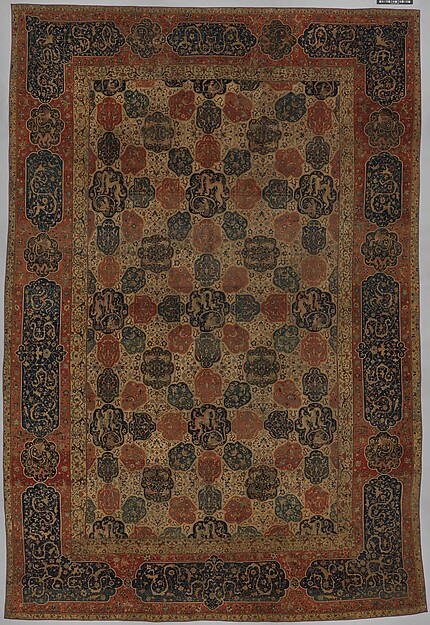
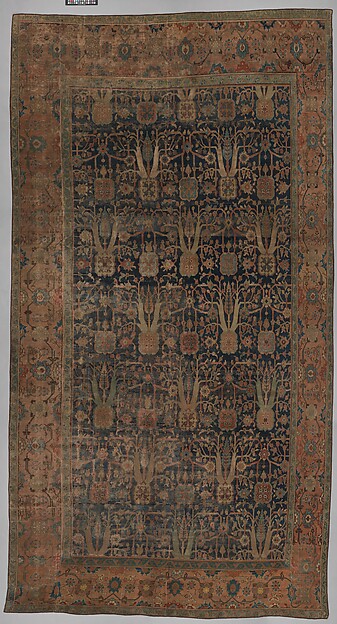
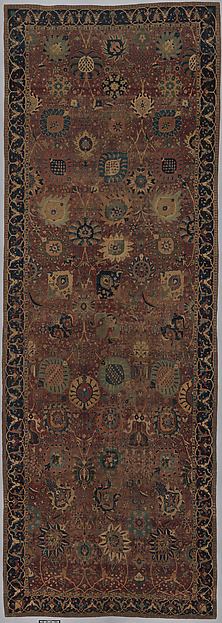

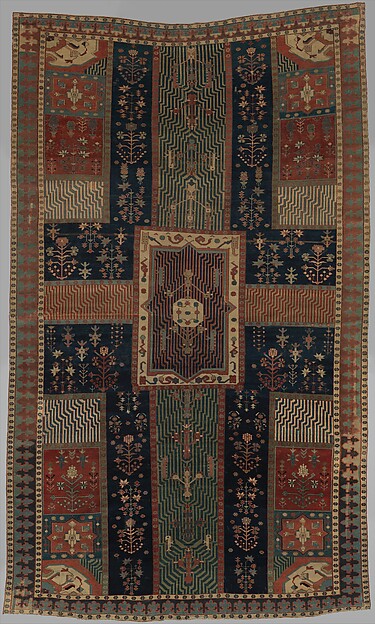
Representative photographs only. Marketplace examples rely on seller descriptions; CraftPersia has not independently authenticated their maker, origin, or rights status. Follow each source link for the listing context.
| Question | Evidence to request | Not a substitute |
|---|---|---|
| May it cross the border? | Current authority guidance and required permits | Seller shipping badge |
| Can it survive transport? | Object-specific packing plan and condition record | A box marked fragile |
| What happens after damage? | Coverage wording and claims process | Tracking alone |
References and further reading
- [1] UNESCO — Fight illicit trafficking of cultural property ↗Cultural-property framework; check the applicable national rules separately.
- [2] CITES — Convention and regulated trade ↗Species controls may concern craft materials; the object and species must be identified.
These sources provide context, not authentication or provenance for an individual object. Editorial interpretations remain under review.