
Buying guide · 6 min
Choosing a Persian handicraft as a gift
Editorial team · updated 2026-09-29
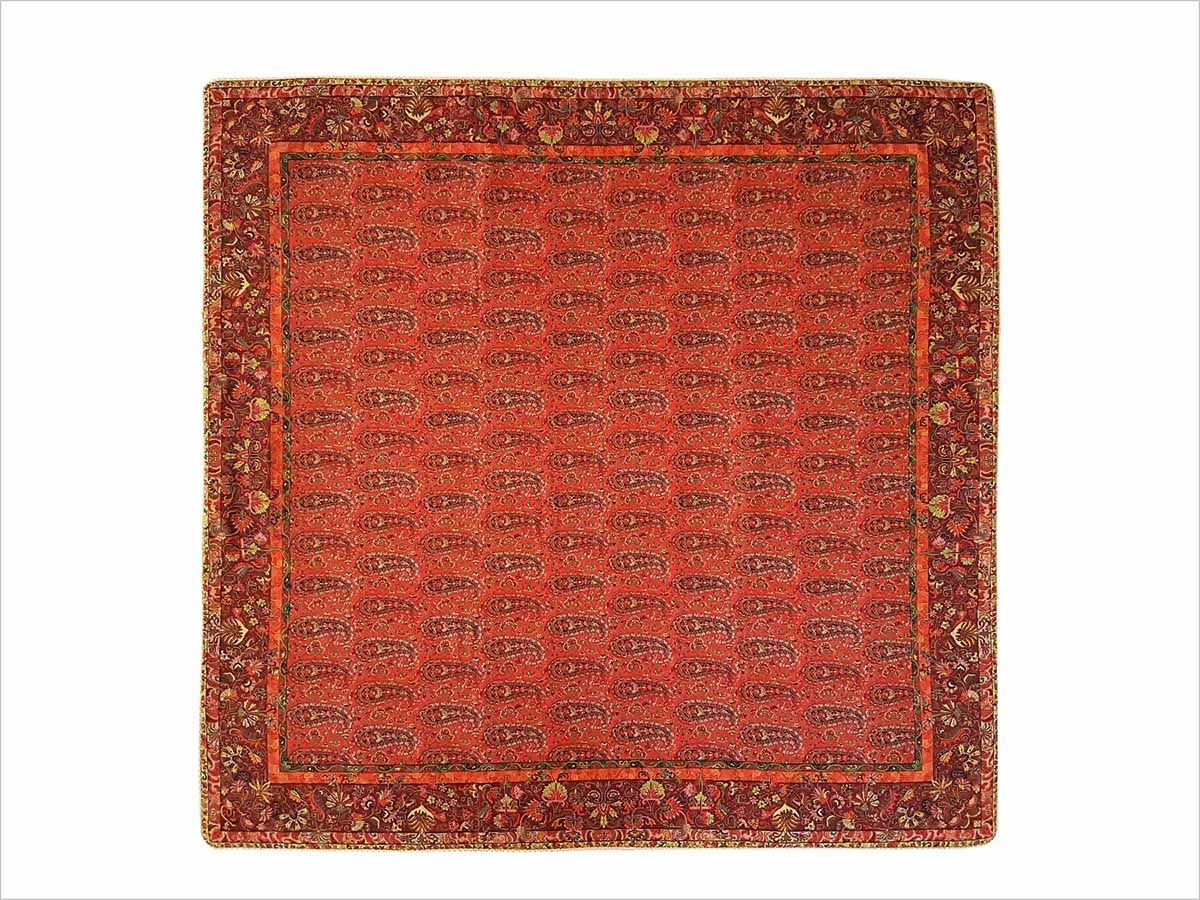
Listing image, date unverified · Craftestan (photographer not stated) · Permission status not reviewed · Photo source ↗
- Type
- Buying guide
- Reading
- 6 min
- Chapters
- 8
- Photos
- 6
Practical choices by budget and use: small khatam boxes, termeh runners, giveh, engraved brass and more.
Small and light
Khatam boxes, termeh pouches, small minakari plates and marbled paper travel well and suit most budgets.
For the home
Kilims, gabbeh, termeh tablecloths and qalamkar prints bring colour to a room.
Think about care
Some objects need care: enamel chips, silk fades, natural-dye textiles need gentle cleaning. Include a short care note with the gift.
Check origin
If the gift is meant to support Iranian makers, look for a clear 'made in Iran' claim, not just 'Persian style'.
- First decision
- Recipient, use and care burden
- Origin
- Request maker and making-place evidence
- Budget
- Compare current quotes; no fixed price tiers
Choose for the recipient rather than a generic ranking
A decorative enamel plate, an inlaid box, a textile and giveh shoes make very different gifts. Ask whether the recipient wants a display object, something to wear or an everyday furnishing. Size, storage and maintenance can matter more than intricacy.
For shoes, confirm measurements and returns rather than assume cotton will stretch to fit. For a wall textile, consider light and a safe mounting method. For a box, check that the hinge and closure work and that the proposed contents will not scratch a delicate lining.
Match care and intended use to the material
Enamel is a glassy layer on metal and can chip when dropped. Khatam combines a support and many small joined elements sensitive to moisture and heat. Figured cloth and embroidery can have exposed yarns or vulnerable dyes. These differences deserve a short object-specific care note.
Do not present a decorative vessel as suitable for food without relevant testing and a stated intended use. A painted or glazed surface is not automatically food-safe. Ask about coatings, metal composition and any usage restrictions, especially for hot liquids or prolonged food contact.
Support makers with evidence rather than style labels
Handmade and Iranian origin are separate claims. Request a named maker or workshop, the place of making and an explanation of the work done by hand. An Iranian maker abroad may be documented, but a foreign seller location alone does not identify the maker.
Reject replicas, reproductions and merely Persian-style goods when the aim is genuine Iranian handmade work. Keep the receipt and maker information with the gift, noting when statements come from the seller rather than independent documentation. Attractive packaging is not authenticity evidence.
Plan packing, budget and returns
Compare current prices for objects of similar size, materials and condition instead of applying a universal cheap-to-masterwork ladder. Ask about packing and insurance, with special protection for protruding handles, enamel rims and fragile corners.
For cross-border gifts, check the destination’s current import and material restrictions before buying. Animal materials, historic cultural goods and origin-specific rules may require specialist guidance. Allow time for returns and avoid treating this archive’s sample prices as current offers.
Related photographs and screened examples
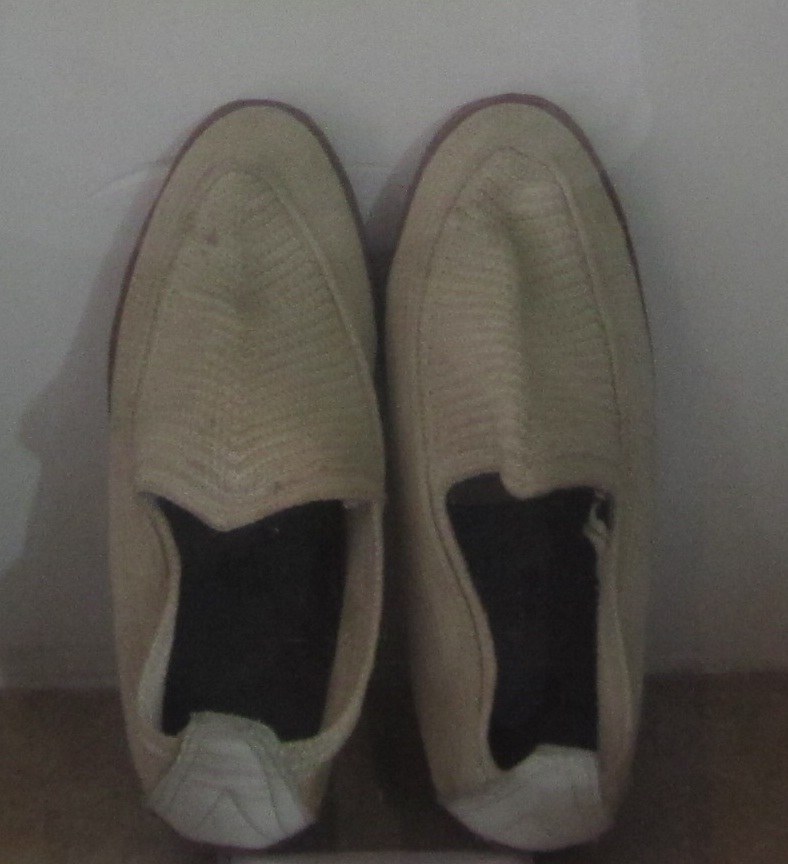
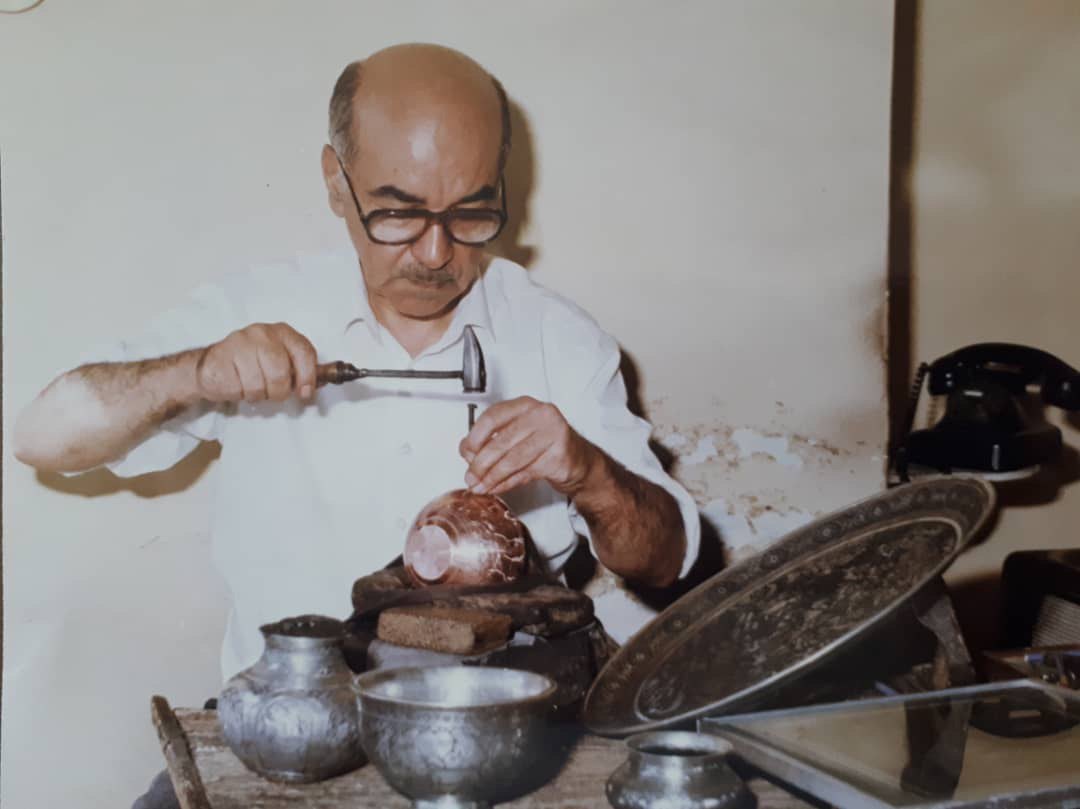
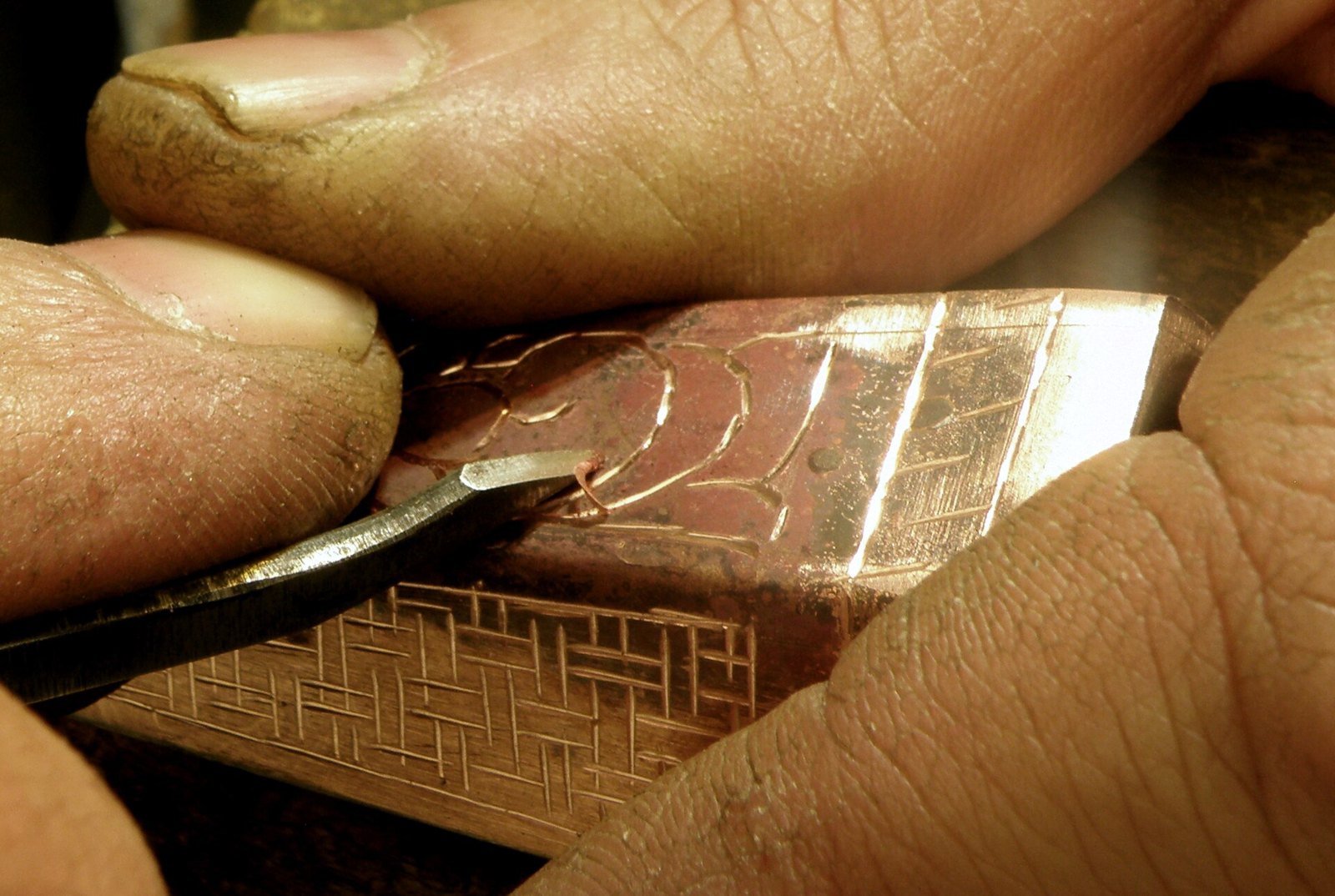
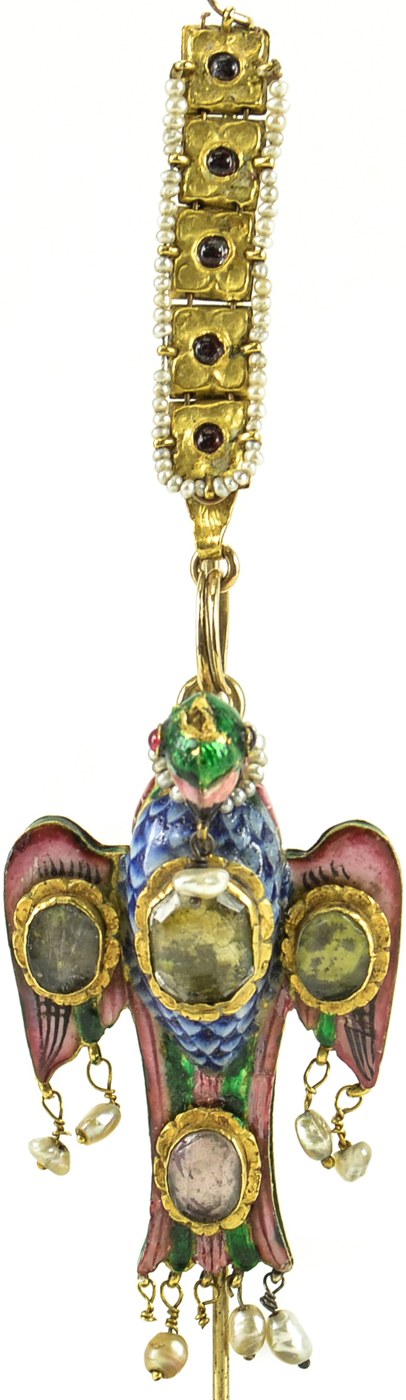
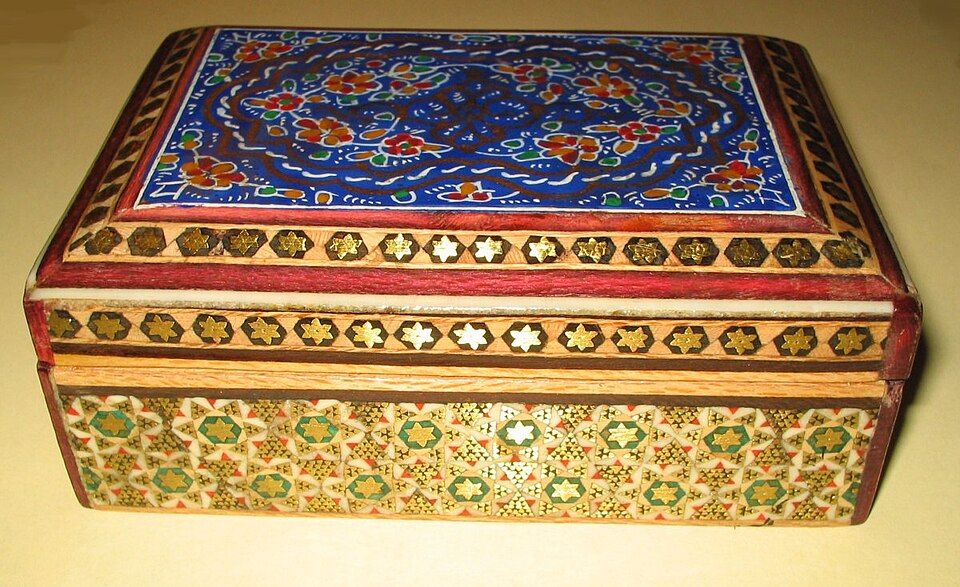
Representative photographs only. Marketplace examples rely on seller descriptions; CraftPersia has not independently authenticated their maker, origin, or rights status. Follow each source link for the listing context.
| Situation | What to ask or inspect | What not to assume |
|---|---|---|
| Wearable gift | Fit and returns | One size fits every recipient |
| Decorative vessel | Intended use and testing | Decorative means food-safe |
| Fragile object | Protective packing and damage terms | Small means easy to ship |
| Maker support | Named maker and origin documentation | Persian design means Iranian-made |
References and further reading
- [1] H. E. Wulff, The Traditional Crafts of Persia (1966)Historical background, not a live directory or authentication of individual objects.
These sources provide context, not authentication or provenance for an individual object. Editorial interpretations remain under review.