
Beginner guide · 9 min
How minakari enamel is made
Editorial team · updated 2026-09-29
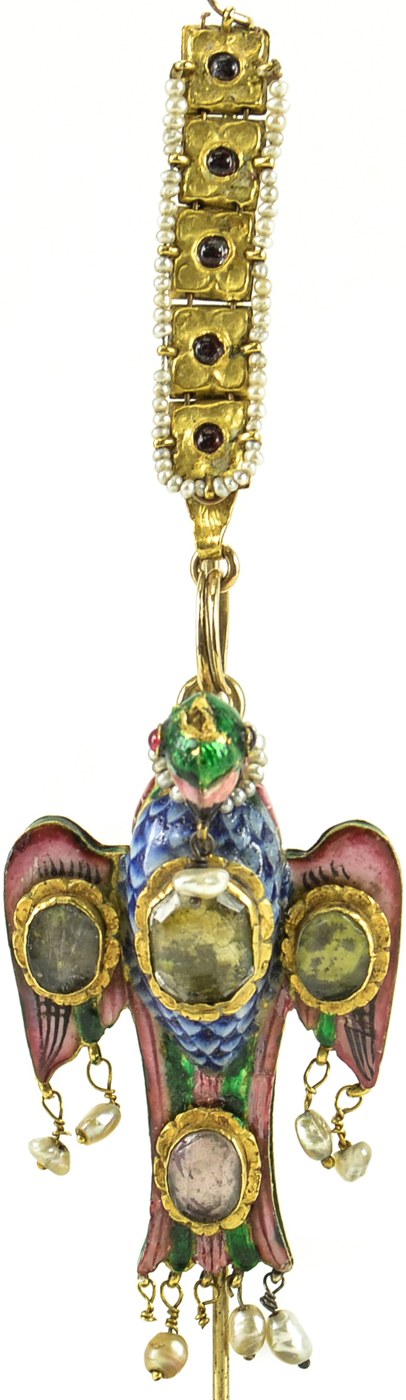
a historical enamel example, not a modern Isfahan vessel; accessed 2026-09-30 · The Metropolitan Museum of Art · CC0 (Met Open Access) · Photo source ↗
- Type
- Beginner guide
- Reading
- 9 min
- Chapters
- 8
- Photos
- 1
Painted enamel on copper from Isfahan: base coats, painting, repeated firings, and how to recognise the real thing.
Shaping and base coat
A copper form is shaped, then covered in a white enamel base and fired in a kiln.
Painting and firing
Painted decoration and enamel coats may involve several applications and firings. Colour recipes and firing sequences depend on the enamel system; not every colour is necessarily fired separately.
Recognising fired enamel
Gloss, touch and an enamelled reverse do not establish a fired coating, handwork or origin. Ask for process and material documentation; observe condition without scratching or heating the surface.
- Documented fired coating
- Condition photographs under magnification
- Support and reverse description
- Maker and making-location records
Firing
Each colour may need its own firing. Some colours fire at lower temperatures and are applied last, and a misjudged firing can crack the enamel or change a colour, so experienced enamellers plan the order carefully. Contemporary workshops mostly use electric kilns.
- Scope
- Painted fired enamel, particularly copper examples
- Surface
- Coating and metal support need separate assessment
- Safety
- No scratch, heat or chemical tests
Shape and prepare the metal before reading the painting
A painted enamel vessel begins with a formed support. Copper is familiar in Isfahan minakari, but neither a blue-and-white palette nor a vessel silhouette identifies the metal underneath. Shaping, joining and surface preparation affect the later coating. Separate the forming of a blank from the application of enamel and painted decoration when describing the work.
Ask whether the workshop forms the metal or decorates purchased blanks. Look at the rim, foot and existing exposed areas without removing any coating. A dark underside, bare base or differently treated interior is not an automatic rejection: coating arrangements vary. Conversely, an enamelled interior cannot prove handmade construction or Iranian manufacture.
Distinguish vitreous enamel from a painted look
Vitreous enamel is a glass-based coating fused to a support through firing. Painted decoration and base coats can involve more than one application and firing. Exact temperatures, colour recipes and sequences depend on the enamel system; a general guide should not prescribe a fixed firing schedule or assert that each colour is always fired separately.
A finished glossy surface may also result from paint, lacquer or resin. Visual examination can raise questions about the coating but does not always resolve them. A maker’s process account, technical analysis or reliable material documentation is stronger than a cold-to-the-touch or plastic-sheen test. Never scratch a surface, heat the object or try solvent to establish whether it is enamel.
Observe brushwork and condition without making them certificates
Magnification may help record line edges, filled areas and wear, while oblique light can reveal surface disruption. Small variations in ornament can be consistent with painting by hand, but variation can also be reproduced. Extremely regular decoration is not enough to establish an industrial process, and attractive brushwork does not establish the making location.
Record chips, exposed metal, hairline cracks and repairs separately. A chip is a condition issue, not a recommended diagnostic window to enlarge. Unknown repairs can change cleaning behaviour; loose enamel can be lost under rubbing. Handle the supported body and avoid striking rims against neighbouring metalwork.
- Photograph the rim, foot and decoration
- Retain maker and process statements
- Record repairs and losses separately
- Do not scratch, heat or solvent-test
Buying for display is different from buying for food
Decorative enamel should not automatically be used to serve hot drinks or acidic food. Composition, condition and intended-use documentation matter. An intact-looking coating is not a food-safety certificate, and older or repaired pieces with unknown materials are better treated as display objects pending appropriate advice.
Request care instructions for the actual coating, not generic copper polishing advice. Household polish can damage painted or enamelled areas and affect exposed joins. Related photographs here illustrate their source objects; they are not a documented firing sequence or evidence that a pictured vessel is suitable for cooking or serving.
| Question or feature | Useful evidence | Limit |
|---|---|---|
| Glassy appearance | Process and material documentation | Gloss alone is inconclusive |
| Fine line variation | Magnified condition observations | Not proof of handwork or origin |
| Food-contact use | Applicable intended-use safety evidence | Intact appearance is insufficient |
References and further reading
- [1] H. E. Wulff, The Traditional Crafts of Persia (1966)Historical process descriptions, not a current workshop survey or authentication of an individual object.
These sources provide context, not authentication or provenance for an individual object. Editorial interpretations remain under review.