
Beginner guide · 11 min
Crafts of Yazd and Meybod: zilu, termeh, pottery
Editorial team · updated 2026-10-03
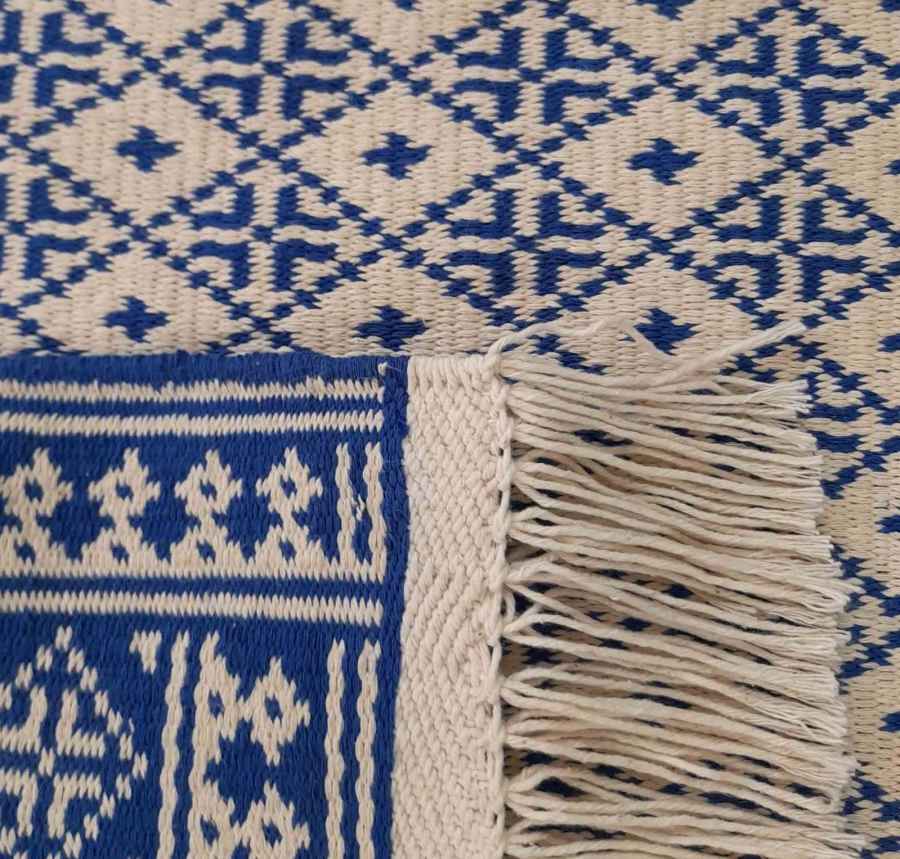
Accessed 14 October 2026 via Firecrawl. Seller states: Handwoven in Meybod, Iran; cotton, 160 x 100 cm. Origin is the seller's claim, not independently verified; Illustrative commercial example, not CraftPersia stock. · ShopiPersia (seller; photographer not stated) · Seller listing photo; reuse rights not reviewed · Photo source ↗
- Type
- Beginner guide
- Reading
- 11 min
- Chapters
- 9
- Photos
- 4
Yazd and nearby Meybod keep alive termeh weaving, zilu flatweaves and earthenware pottery among desert-city architecture.
Crafts
- Termeh brocade (Yazd is a historic centre)
- Zilu cotton flatweaves of Meybod
- Meybod pottery and tiles
- Sweets, silk and wind-catcher architecture
Visiting
Meybod's zilu workshops and pottery studios are a short drive from Yazd and welcome visitors.
Zilu: a cotton flatweave
Zilu are durable cotton flatweaves associated with Meybod, traditionally made for mosques and households. They are woven on a vertical loom with pattern harnesses, usually in two colours such as blue and cream, with geometric motifs. Hand-woven zilu show slight irregularities at the edges and in motif spacing; machine-made versions look perfectly even.
Termeh and pottery
Termeh is a fine wool or silk brocade woven on a drawloom; genuine hand-woven termeh is costly and slow to make, while machine-woven versions are widespread and cheaper. Meybod pottery often features fish and bird motifs in blue and green on white slip.
- Hand termeh: dense, slightly stiff, with floats visible on the reverse
- Machine termeh: very even, often a printed-looking surface
- Pottery: check for chips under glaze and a stable base
Planning a craft visit to Yazd
Workshops and bazaar shops usually keep morning and late-afternoon hours, and many close on Friday and for a midday break. Bring cash or a local payment card, as international cards generally do not work in Iran. When you find a maker you like, ask for a business card or a phone number used for messaging apps so you can order later; many workshops also ship within Iran. Photograph labels and written descriptions rather than relying on verbal claims.
- Ask whether the piece was made in the shop or bought in
- Request materials in writing (wool or silk, natural or synthetic dye, wood species, metal)
- Check export rules for carpets, antiques and old manuscripts before paying
- Wrap fragile enamel and ceramics yourself if you doubt the shop's packing
A note on this guide
This guide is general information from the CraftPersia editorial team and has not been reviewed by a specialist. Prices, workshop locations and practices change; check current details before travelling or buying.
Crafts covered in this guide
Zilu (Meybod) (زیلو) — A pileless, reversible cotton floor covering associated especially with Meybod near Yazd, woven on a vertical loom with ground heddles and pattern harnesses that control its geometric, often two-colour design.
Termeh (ترمه) — A patterned Iranian brocade woven with supplementary wefts, historically in silk and wool, associated above all with Yazd and Kerman.
Lalejin pottery (سفال لالجین) — A regional pottery tradition centred on the town of Lalejin near Hamadan, producing thrown and press-moulded glazed and unglazed earthenware, from utilitarian storage vessels to decorative tableware, in a large number of household workshops.
Materials, techniques and centres
Zilu (Meybod), Termeh and Lalejin pottery are recorded in the archive with cotton, silk, wool, natural dyes and clay (earthenware) as principal materials, and weft-faced flatweaving, supplementary weft brocade, wheel throwing and underglaze painting as techniques. Associated centres include Yazd, Kerman and Hamadan and Lalejin; a place name on its own does not establish where an individual object was made.
Collecting and next steps
When applying this guide to a specific object, work from what can be observed: structure, materials, tool marks, repairs and documentation. Ask the seller or maker for written statements about who made the piece, where, from what materials, and what has been repaired or replaced.
The steps here are educational; identification, conservation and valuation of an individual object require appropriate independent expertise.
Related photographs and screened examples
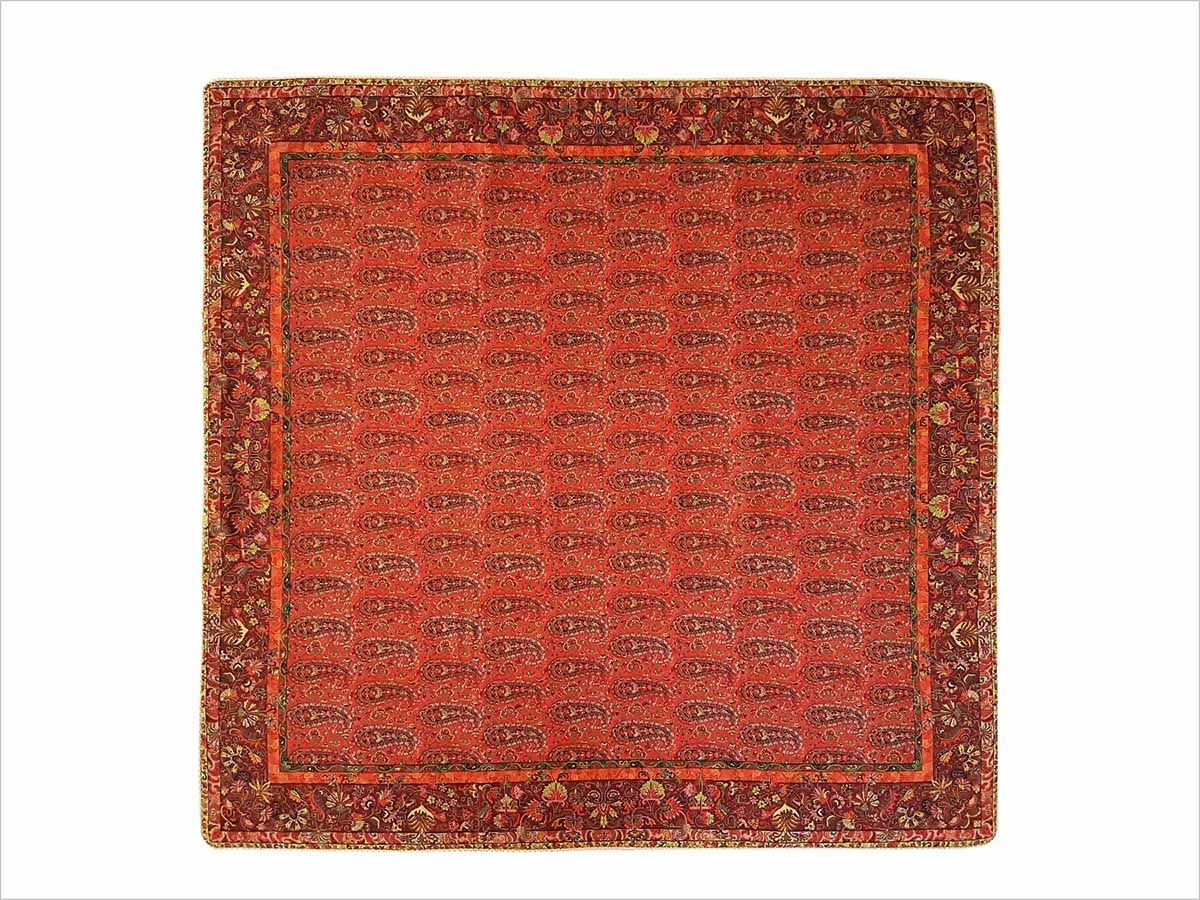
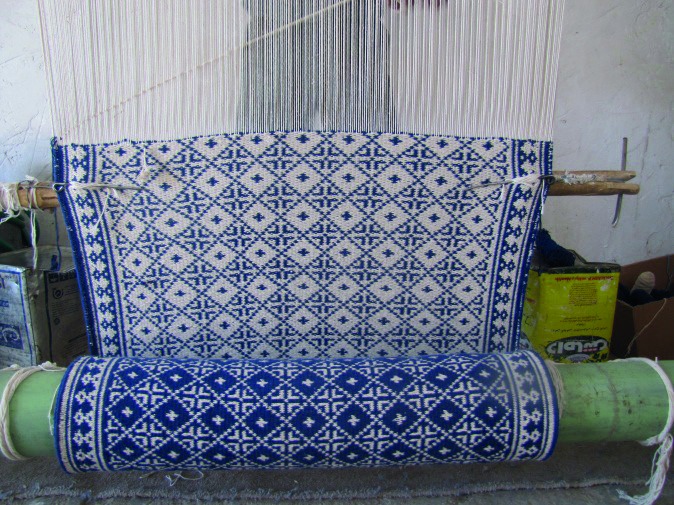
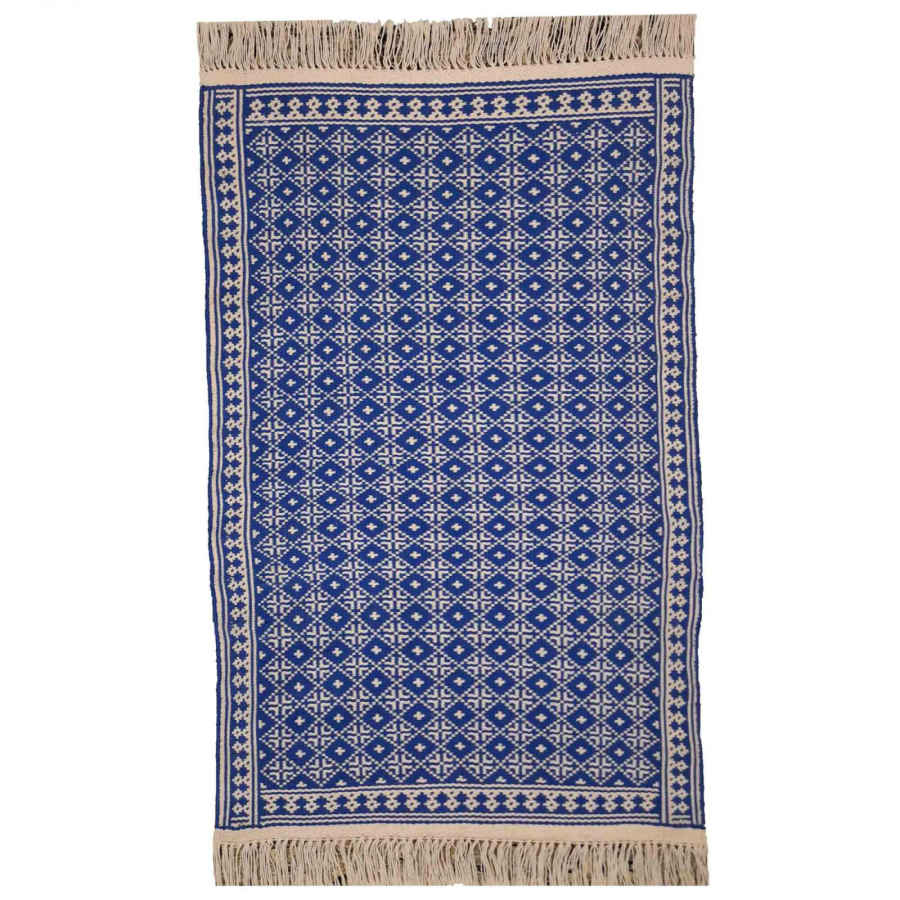
Representative photographs only. Marketplace examples rely on seller descriptions; CraftPersia has not independently authenticated their maker, origin, or rights status. Follow each source link for the listing context.
| Craft | Associated centres | Key materials |
|---|---|---|
| Zilu (Meybod) | Yazd | Cotton |
| Termeh | Kerman, Yazd | Silk, Wool, Natural dyes |
| Lalejin pottery | Hamadan and Lalejin | Clay (earthenware) |
References and further reading
- [1] H. E. Wulff, The Traditional Crafts of Persia, MIT Press, 1966.General historical craft reference, not evidence for a particular object.
These sources provide context, not authentication or provenance for an individual object. Editorial interpretations remain under review.