
Preservation · 12 min
Caring for brass and copper
Editorial team · updated 2026-09-29
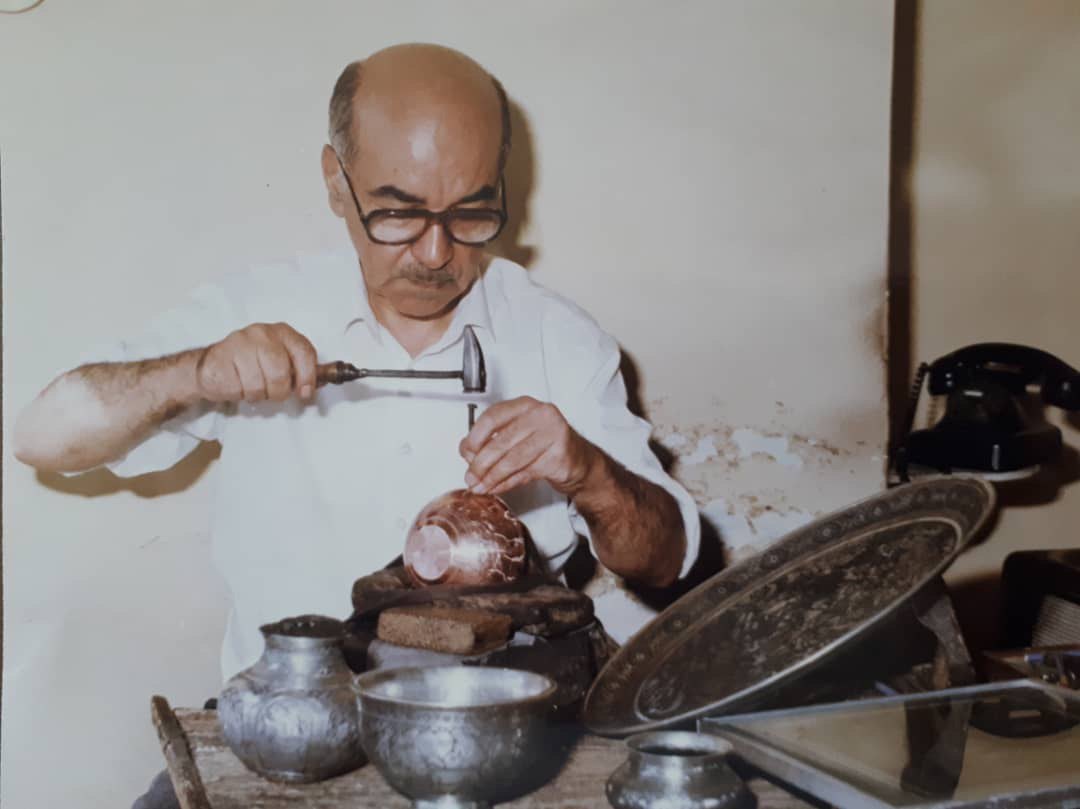
2015-01-01 · Mbmasoudi · CC BY-SA 4.0 · Photo source ↗
- Type
- Preservation
- Reading
- 12 min
- Chapters
- 10
- Photos
- 2
Keeping engraved and hammered metal clean without wearing it away.
Dust
Dust with a soft dry cloth. Fingerprints tarnish metal, so handle with cotton gloves if possible.
Polish rarely
Heavy polishing removes fine engraving. Many collectors prefer some tarnish.
Food use
Unlined copper should not be used for acidic food; tinned lining wears and needs renewing.
Cleaning
Use a soft cloth and a mild metal cleaner, or lemon and salt for copper. Rinse and dry thoroughly. Do not scrub engraved or enamelled areas.
Food use
Unlined copper should not be used for acidic food. Ask whether a pot is tinned inside, and have it re-tinned when the lining wears.
Patina and polishing
Many owners prefer a soft patina on old copper and brass and polish only lightly. Over-polishing wears down engraving and removes traditional darkening, which gives contrast to qalam-zani designs. For valuable or old pieces, ask a conservator before using any cleaner.
Lacquered metal
Some new pieces are coated with clear lacquer to slow tarnish. Polishing removes that coating and leaves patches, so wash lacquered pieces only with mild soapy water and dry them.
- Key risk
- Over-polishing removes engraving crispness and patina
- Food use
- Copper for food should have intact tin lining
Gentle cleaning
Dust with a soft brush and wash only if needed with mild soap and water, drying immediately. Avoid abrasive pastes on qalam-zani: each polish rounds the engraved lines a little.
Patina decisions
Dark patina in the recesses makes engraved designs readable. Collectors often prefer to keep it. If polishing, use a mild product sparingly on raised areas and never on inlay or enamel.
- Do not use dishwashers
- Do not polish enamelled areas
- Wear cotton gloves when handling bright surfaces
Copper and food safety
Unlined copper reacts with acidic foods. Traditional vessels are tinned inside; if the tin is worn through, have it relined by a tinsmith before using for food.
Related photographs and screened examples
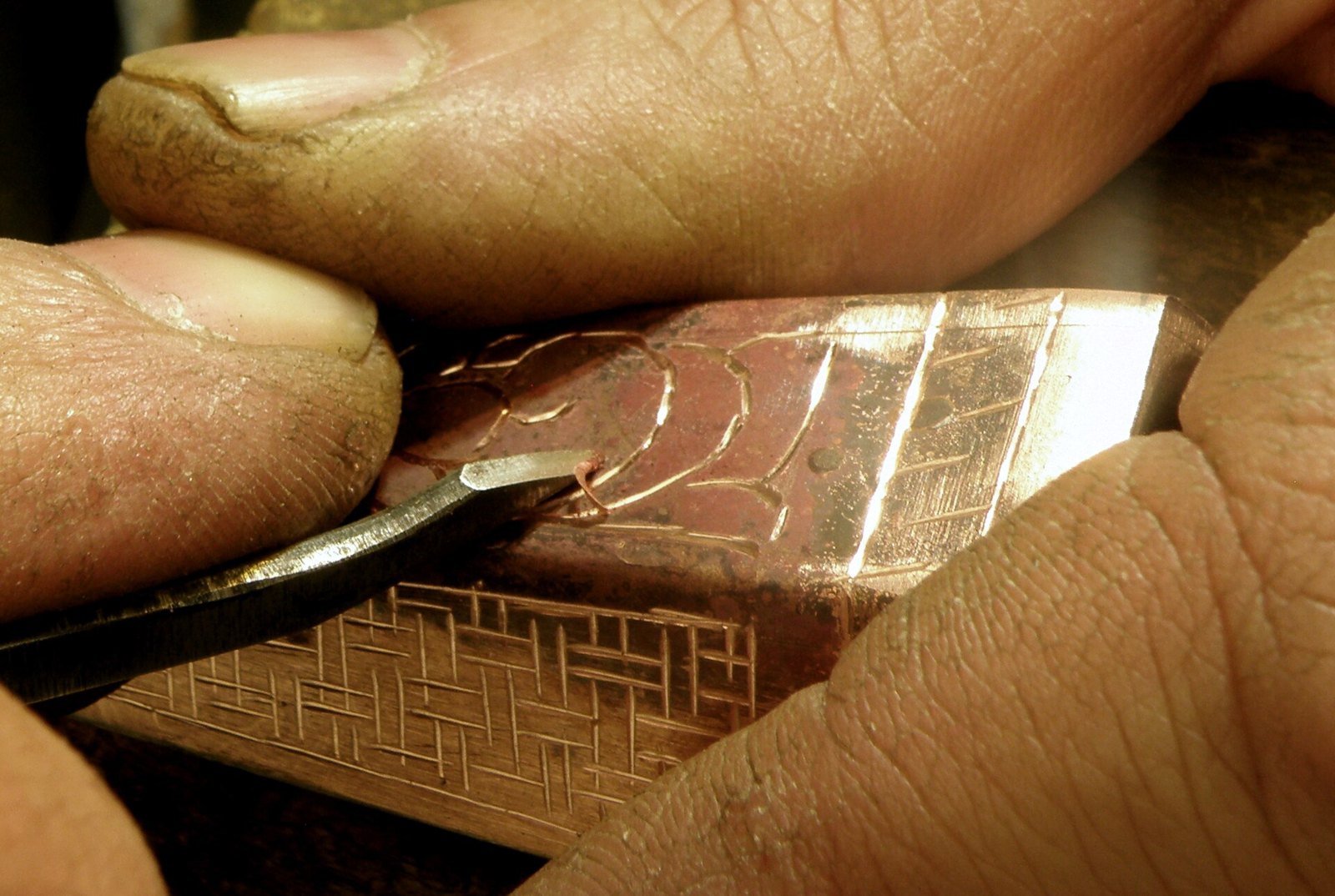
Representative photographs only. Marketplace examples rely on seller descriptions; CraftPersia has not independently authenticated their maker, origin, or rights status. Follow each source link for the listing context.
| Problem | Response |
|---|---|
| Green spots (verdigris) | Dry gently; seek conservator if active |
| Worn tin lining | Retin before food use |
| Dull surface | Soft cloth buff; avoid abrasives |
| Dents | Leave to specialist |
References and further reading
These sources provide context, not authentication or provenance for an individual object. Editorial interpretations remain under review.