
Beginner guide · 11 min
What is abrash in a Persian rug?
Editorial team · updated 2026-10-03
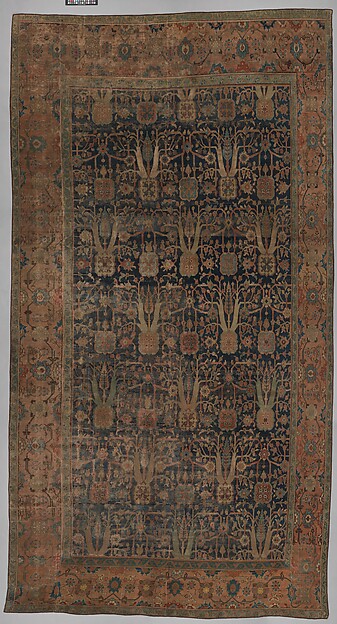
probably late 17th–early 18th century · accession 14.40.710 · The Metropolitan Museum of Art · CC0 (Met Open Access) · Photo source ↗
- Type
- Beginner guide
- Reading
- 11 min
- Chapters
- 10
- Photos
- 6
Abrash is the visible band-like colour change across a handmade rug caused by different batches of dyed wool.
Why it happens
Weavers dye wool in small batches. When one batch runs out the next may differ slightly in shade, producing horizontal bands of colour.
Is it a fault?
Collectors often value gentle abrash as evidence of natural dyes and handwork. Strong abrash in a formal city rug may be less desired.
Fake abrash
Some machine rugs print colour bands. Check the back: printed variation will not match knots.
Why abrash happens
Abrash is a visible change in shade across a rug, usually caused by wool dyed in different batches or with different natural dye strengths. It is common in village and nomadic rugs.
Is it good or bad?
Many collectors value natural abrash as a sign of handwork and small-batch dyeing. Artificial abrash can be created by deliberately mixing yarns, so it is not proof of age or authenticity on its own.
A note on this guide
This guide is general information from the CraftPersia editorial team and has not been reviewed by a specialist. Prices, workshop locations and practices change; check current details before travelling or buying.
- Meaning
- Visible tonal variation within a woven colour area
- Limits
- Not proof of natural dyes, age, origin or value
- Documentation
- Record direction, location and relationship to weaving rows
Describe the colour change before explaining it
Abrash describes tonal changes within a textile, often seen as bands or zones in a carpet field. A red area may shift between darker and lighter yarns while continuing the same design. The term names a visible effect, not a chemical analysis or a certificate of traditional production. Record the affected colour, its location and the direction of the change.
A photograph may exaggerate a band through lighting, compression or pile direction. Compare views made under consistent illumination, and look at the reverse where access permits. Avoid treating one attractive listing image as a complete condition record.
Production variation is one possible explanation
Yarn prepared or dyed in separate batches can differ in shade. Fibre characteristics, concentration and other dyeing variables can contribute; tonal changes can also be introduced deliberately. Both natural and manufactured dyes can occur in textiles with variation. Irregularity is not a dependable way to distinguish accidental from intentional abrash.
Where a band follows weaving rows, it may be consistent with a change in yarn supply, but it does not reveal the dyer’s recipe. A maker’s account or production record can clarify a contemporary piece. For an older textile, keep the explanation qualified unless object-specific evidence exists.
Distinguish variation from damage and intervention
Abrash can coexist with fading, stains, wear and reweaving. A colour change following a repaired hole or altered end needs a condition explanation rather than a romantic label. Compare pile height, knot structure and the boundaries of later work without disturbing the yarns.
Neither all variation nor all uniformity is a fault. How it affects a purchase depends on design, condition, personal preference and reliable documentation. There is no defensible rule that abrash always increases value or rarely reduces it. A specialist valuation must consider the particular rug, not this single characteristic.
Use a clear catalogue description
A useful description might read “horizontal tonal bands visible across the red field; cause not established.” This separates observation from inference and gives another researcher something to check. Include photographs and note which areas were inaccessible because of backing or mounting.
Ask the seller whether a dye claim is based on maker testimony or analysis and whether repairs contain replacement yarns. Do not wet the rug to demonstrate colourfastness. The related photographs on this guide illustrate Iranian weaving contexts, not tested dye chemistry or proof that every pictured colour shift is abrash.
- Record changes without assigning a dye recipe
- Compare front, reverse and repaired areas
- Do not infer value from variation alone
- Keep photographic and analytical evidence separate
Related photographs and screened examples
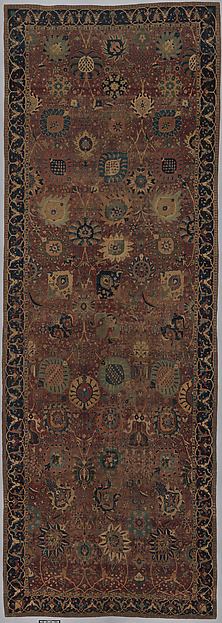

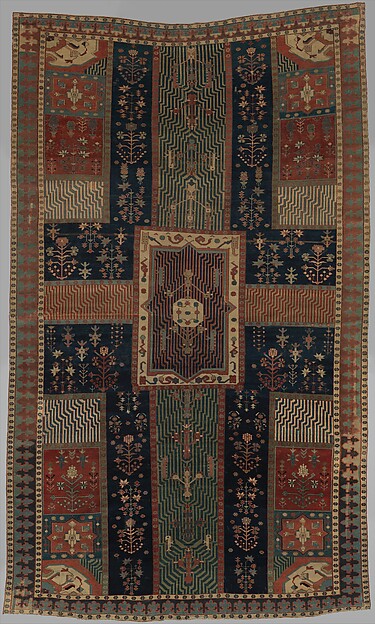

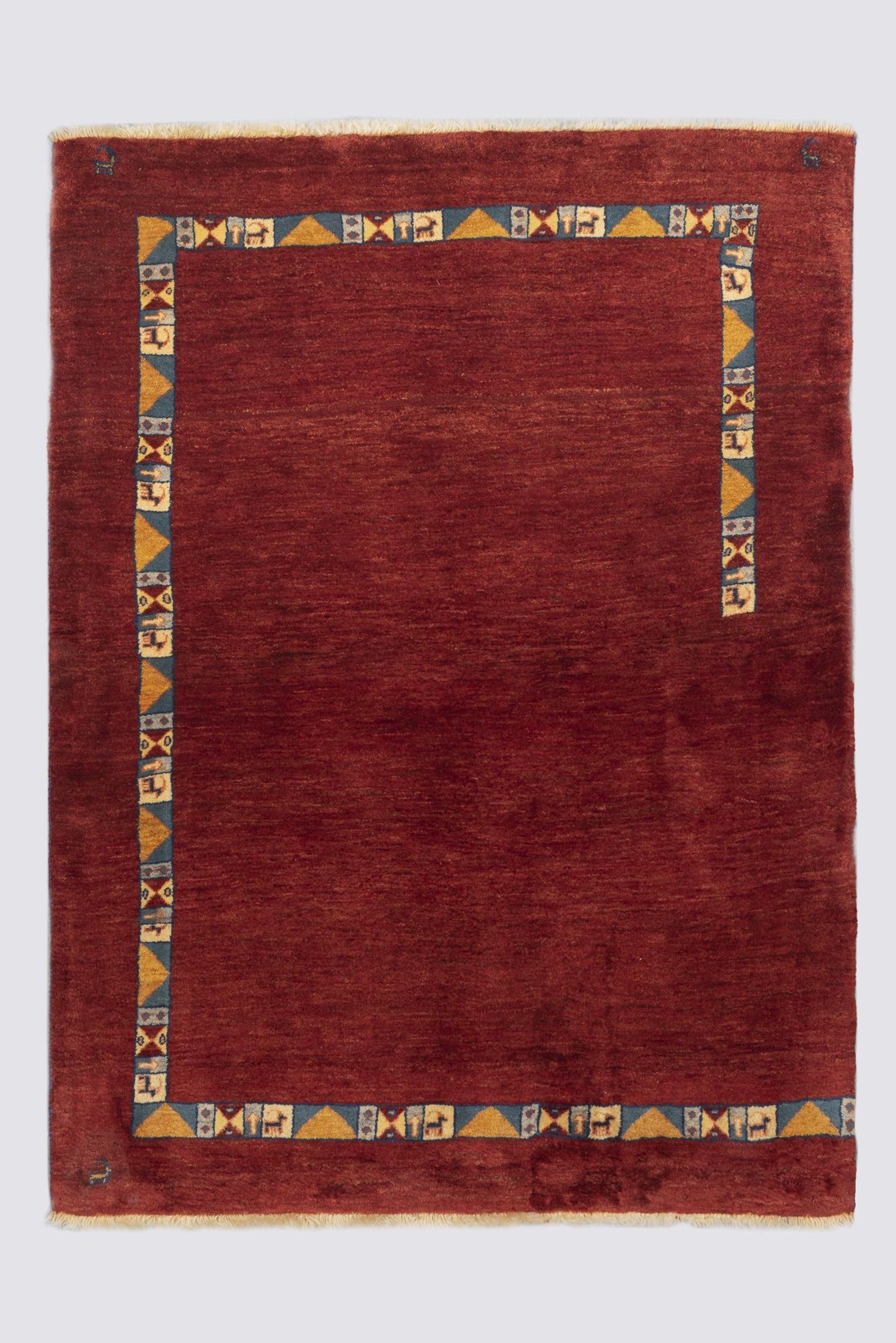
Representative photographs only. Marketplace examples rely on seller descriptions; CraftPersia has not independently authenticated their maker, origin, or rights status. Follow each source link for the listing context.
| Observation | Possible explanation | Unproven claim |
|---|---|---|
| Band following knot rows | Change in yarn or dye batch | Natural dye or village origin |
| Pale exposed pile | Light, wear or treatment | An exact age |
| Different colour in repaired area | Replacement yarn or altered condition | Original intentional abrash |
| Repeated tonal pattern | Possible deliberate design | Automatic proof of modern manufacture |
References and further reading
- [1] Encyclopaedia Iranica — Carpets II: raw materials and dyes ↗Dye and material context, not individual textile analysis.
- [2] A. C. Edwards, The Persian Carpet (1953)Historical comparative reference; not a rule for present market values.
These sources provide context, not authentication or provenance for an individual object. Editorial interpretations remain under review.