
Beginner guide · 10 min
Women and weaving in Iran
Editorial team · updated 2026-09-29
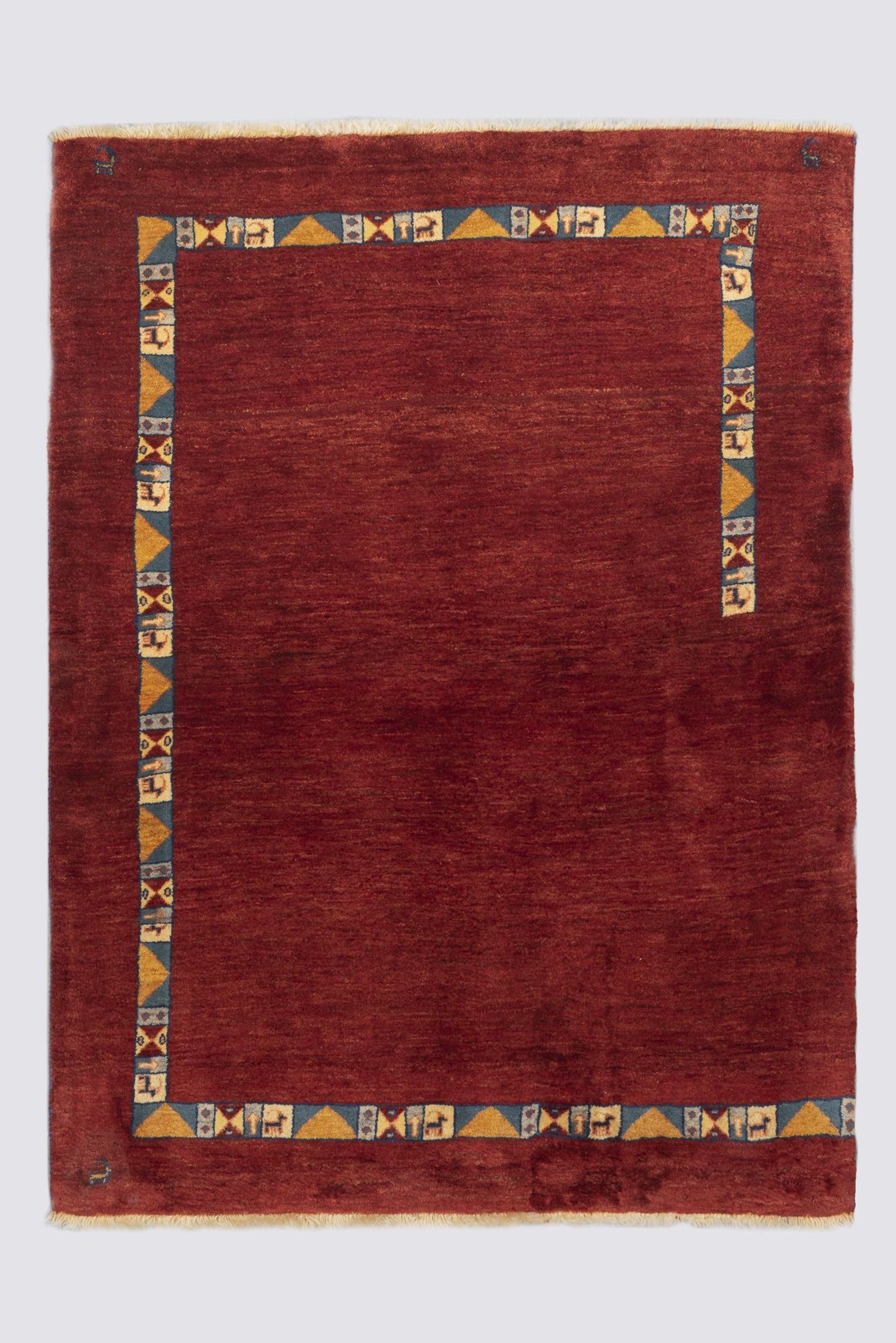
Listing image, date unverified · Dyad Artisans (photographer not stated) · Permission status not reviewed · Photo source ↗
- Type
- Beginner guide
- Reading
- 10 min
- Chapters
- 9
- Photos
- 4
The central role of women in rug, kilim and textile work across villages, tribes and workshops.
A central role
In many village and nomadic communities, weaving has been largely women’s work, passed between generations at home.
Recognition
Makers are rarely named on the finished piece. Projects that record weavers’ names and pay fairly help keep the work visible.
Women's roles
Women weave much of Iran's carpet, kilim and embroidery work, often at home in villages or among nomadic groups. Many also spin and dye the wool. Their names are rarely recorded.
Supporting fair work
Buying from cooperatives and transparent workshops helps more income reach the weavers. Ask who wove a piece and how makers are paid.
A note on this guide
This is a general introduction written by the CraftPersia editorial team. It has not yet been reviewed by a specialist. Confirm details with makers, conservators or museums, and treat any dates as approximate.
- Scope
- Different people, communities and production settings
- Attribution
- A named maker needs documentary support
- Consent
- Ask before publishing a person’s words or portrait
Household work and workshop work are not one story
Iranian weaving encompasses household production, village networks, urban workshops and contemporary studios. Women’s participation should be described within a documented place and period rather than as an unchanging national pattern. A carpet, kilim, jajim or embroidered cloth involves different tools and divisions of work; embroidery is not weaving simply because both use yarn.
Ask which tasks the account actually documents: preparing fibre, spinning, dyeing, setting up a loom, weaving, finishing or trading. Several people may contribute to one object. A photograph of someone at a loom cannot establish that they made every stage of a particular carpet, owns the workshop, or controls the sale proceeds.
Read labour and payment claims critically
Time spent weaving depends on dimensions, structure, design, working arrangements and interruptions; a standard number of months cannot describe every object. The retail price also includes finishing, transport and the trading chain. A high asking price does not show how much the maker received, while low prices alone do not establish a particular employment arrangement.
If a seller advertises empowerment, cooperative ownership or direct payment, ask what those terms mean for that transaction. Who commissioned the work, who sets the price and how is payment made? Avoid treating broad ethical language as audited evidence. Report documented arrangements and their date rather than promise that every purchase benefits a named community.
- Separate weaving, dyeing and finishing roles
- Credit names only with supporting records
- Ask how ethical claims are documented
- Do not infer income or identity from a photograph
Preserve an account in the speaker’s own context
An oral-history interview can document learning, tools, family use and changing markets that an object catalogue misses. Agree the purpose, recording method and publication scope before the interview. Let the speaker decide whether personal details, photographs or a workshop location should be public, and preserve the date and original language of the account.
Distinguish a quotation from an editor’s interpretation and note translation uncertainty. One person’s experience is valuable without being representative of all Iranian women or all weavers of a named community. Related textile photographs on this page illustrate objects; they are not portraits or evidence of the people discussed.
Related photographs and screened examples
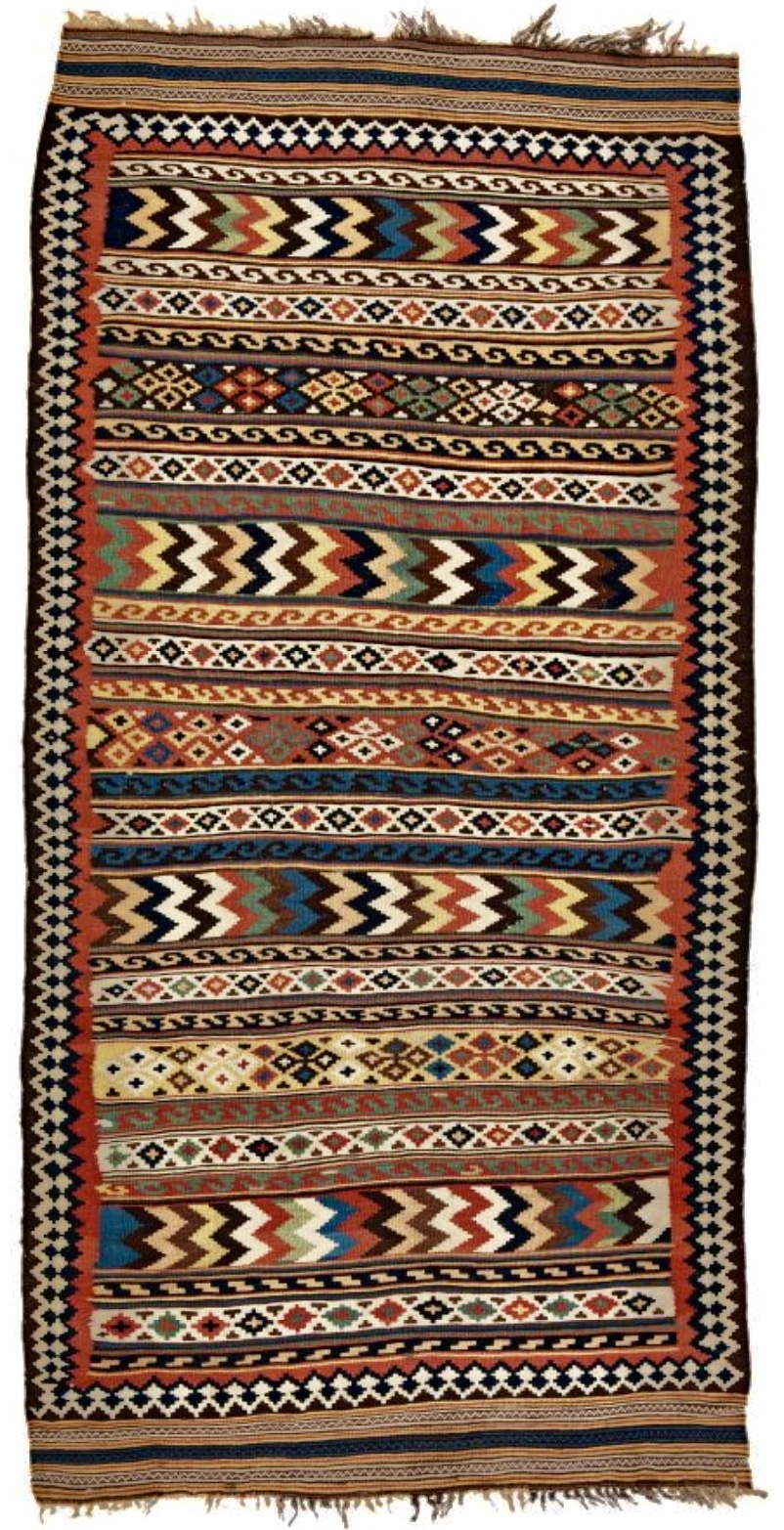
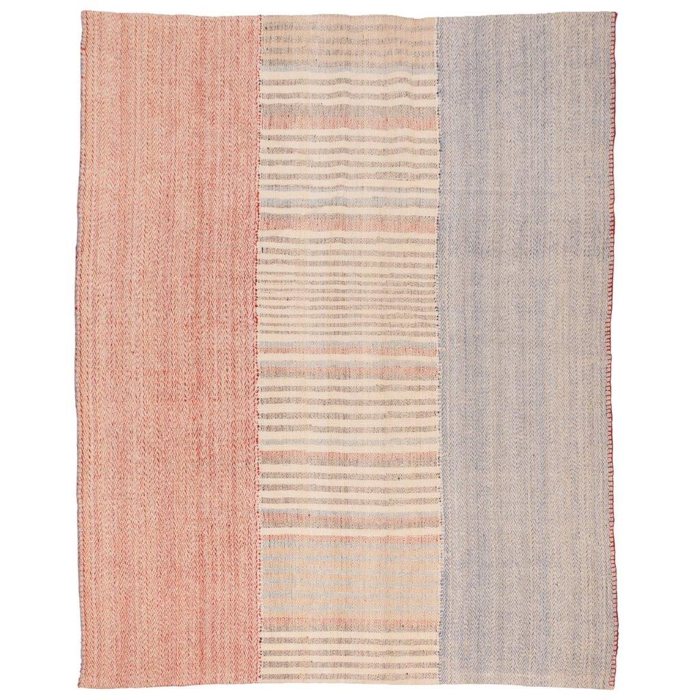
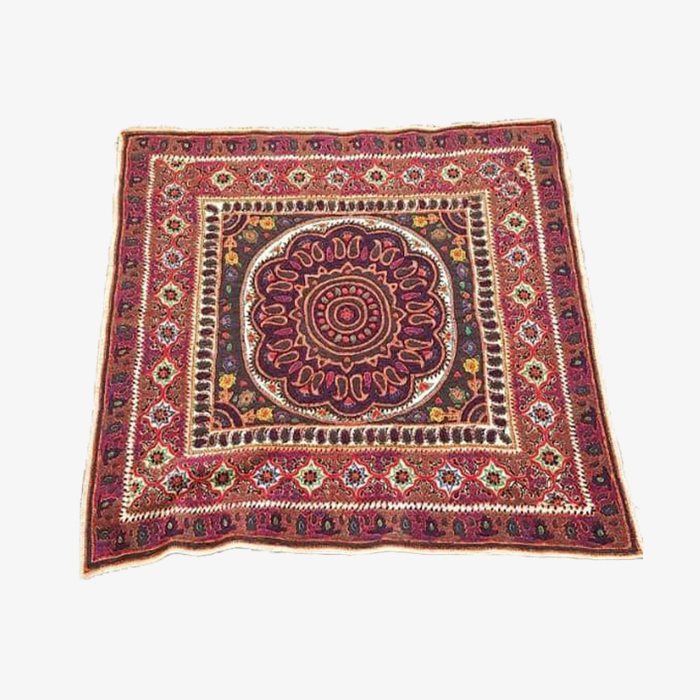
Representative photographs only. Marketplace examples rely on seller descriptions; CraftPersia has not independently authenticated their maker, origin, or rights status. Follow each source link for the listing context.
| Record | Supports | Does not establish |
|---|---|---|
| Museum regional attribution | The catalogue’s stated classification | Individual maker identity |
| Consented maker interview | The speaker’s dated account | Every workshop’s practice |
| Retail ethical claim | The seller’s stated arrangement | Audited pay or ownership |
References and further reading
- [1] H. E. Wulff, The Traditional Crafts of Persia (1966)Historical descriptions; not evidence of current prices, individual makers or present-day workshop access.
- [2] UNESCO — Ethical principles for safeguarding intangible cultural heritage ↗Community participation and consent; not certification of commercial claims.
These sources provide context, not authentication or provenance for an individual object. Editorial interpretations remain under review.