
Beginner guide · 11 min
Giveh: Iran’s hand-made cotton shoes
Editorial team · updated 2026-09-29
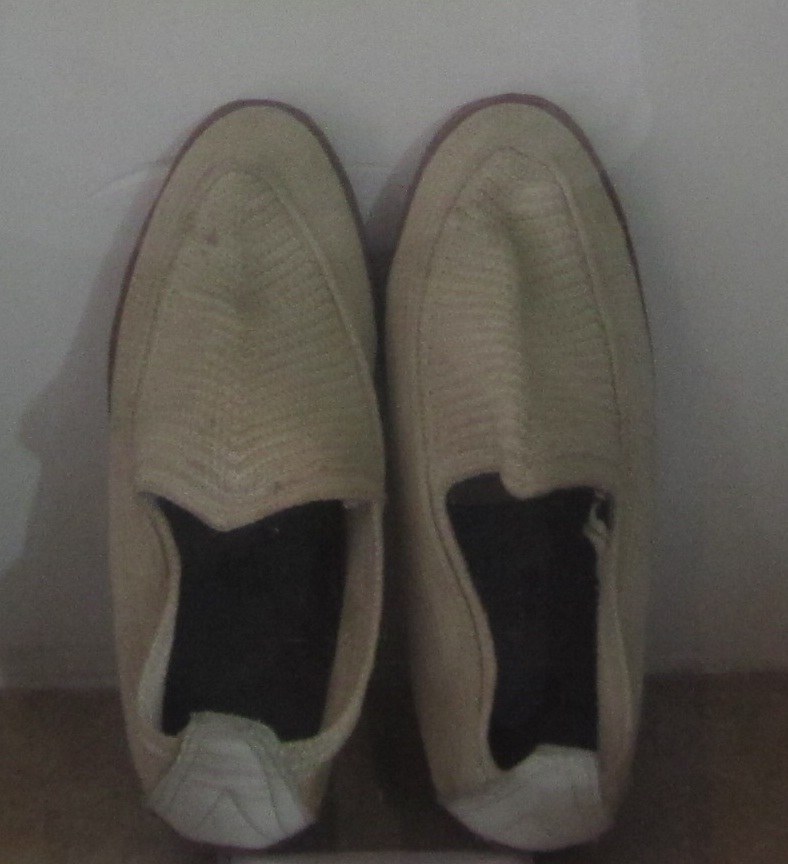
accessed 2026-09-30 · Fdmfi · CC BY-SA 3.0 (Wikimedia Commons; JPG re-encoded) · Photo source ↗
- Type
- Beginner guide
- Reading
- 11 min
- Chapters
- 10
- Photos
- 1
Light summer shoes with crocheted cotton uppers and pressed-cloth soles.
Construction
The upper is crocheted by hand in cotton. The sole is made from layers of cloth pressed and stitched together.
Where
Associated with Kermanshah and Kurdistan and with other western regions.
Buying
Ask whether the sole is traditional cloth or rubber; both are sold today.
Fit and care
Giveh stretch slightly with wear. Hand wash the uppers and avoid soaking the cloth soles.
What giveh are
Giveh are traditional shoes from western Iran and the Zagros mountains, especially Kermanshah, Kurdistan, Lorestan and Abadeh in Fars. The upper is hand-knitted or crocheted from strong cotton thread. The sole is built from layers of cotton cloth or leather strips, compressed and stitched tight. They are light and breathable, and were traditionally worn by farmers and walkers in hot, dry summers. UNESCO-style safeguarding projects and local festivals have drawn new attention to the craft, though makers are fewer than before.
Checking quality
- Upper: tight, even stitches with no loose loops
- Sole: dense, hard layers, not glued foam
- Toe and heel: strong joins, neatly finished
- Fit: snug at first; cotton stretches
- Ask whether the sole is cloth (malki) or leather
- Upper
- Hand-knitted or crocheted cotton yarn
- Sole
- Layers of compressed cotton cloth or leather strips stitched edge-on
- Known centres
- Kermanshah, Kurdistan, Lorestan and nearby western regions
What giveh are
Giveh are light, breathable shoes from western Iran with a knitted cotton upper and a firm sole built from tightly packed fabric layers. They were traditional summer footwear for farmers and travellers, and are recognised as an Iranian handicraft today.
How they are made
Sole-makers stack and press strips of cloth on edge, sew them tightly with strong cord and sometimes add a leather or rubber tread. Separately, knitters — often women working at home — make the upper with a fine hook, which is then stitched onto the sole. A good pair can take several days.
Signs of quality
Look for even, tight stitching on the sole, a dense upper with consistent tension, a neat seam where the upper meets the sole and a comfortable heel shape. Very cheap pairs with glued rubber soles or machine-knit uppers are not traditional giveh.
Care
Keep giveh dry; cloth soles absorb water and can lose shape. Brush dust from the sole, hand-wash the upper gently with cool water if needed and dry away from direct heat.
| Feature | Traditional giveh | Look-alike |
|---|---|---|
| Sole | Stitched cloth layers | Moulded rubber |
| Upper | Hand-knitted cotton | Machine knit |
| Join | Hand-stitched | Glued |
| Origin stated | Named Iranian region or maker | Not stated |
References and further reading
These sources provide context, not authentication or provenance for an individual object. Editorial interpretations remain under review.