
Beginner guide · 10 min
Minakari: Isfahan enamel on copper, process and care
Editorial team · updated 2026-09-29
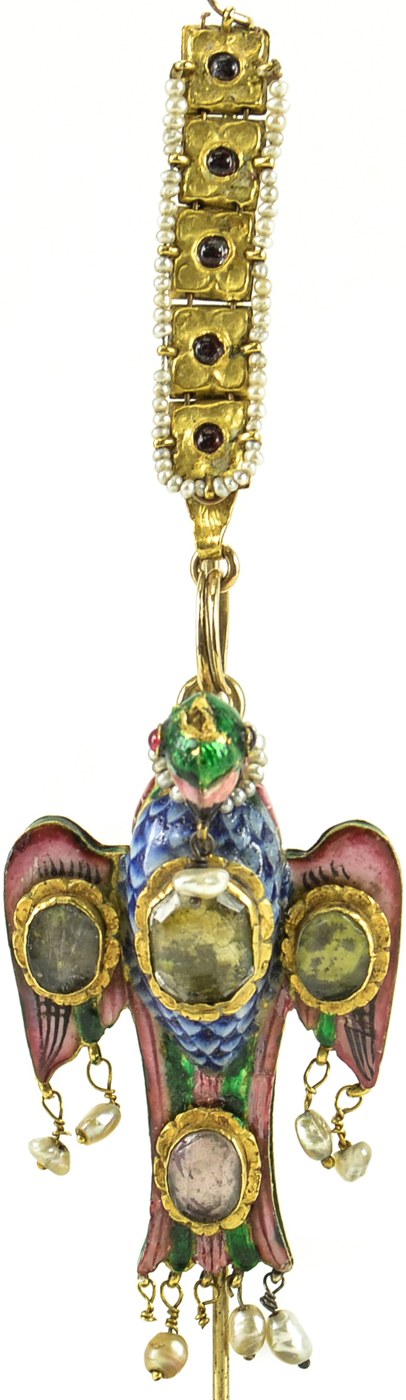
a historical enamel example, not a modern Isfahan vessel; accessed 2026-09-30 · The Metropolitan Museum of Art · CC0 (Met Open Access) · Photo source ↗
- Type
- Beginner guide
- Reading
- 10 min
- Chapters
- 8
- Photos
- 1
Minakari is the Persian art of painting enamel on metal — usually copper — and firing it, centred on Isfahan.
What is minakari?
Minakari (mina = enamel) is painted enamel on metal. Today it is mostly made in Isfahan on copper, sometimes silver or gold. Typical pieces are vases, plates, boxes and jewellery with blue-ground floral and bird designs.
How it is made
- A metalworker shapes the object
- A white enamel base is applied and fired
- Artists paint designs in metal-oxide colours
- The piece is fired again, often several times
- Edges may be gilded or set in brass
Identifying genuine work
Hand-painted minakari shows small brush variations. Decals and printed transfers look perfectly uniform and may peel. Enamel should be glossy with no bubbles.
Care
Treat minakari as decorative. Clean with a soft dry cloth, avoid dishwashers and acidic foods, and protect from knocks that chip enamel.
Styles
Isfahan minakari is often painted in blue with floral and bird designs. Painted minakari (naqqashi) is the most common type. Cloisonné-style and champlevé work also exist, but they are less typical of Isfahan.
- Centre
- Isfahan
- Classic palette
- Blue and turquoise grounds, painted florals and birds
- Common bases
- Copper; silver and gold for finer pieces
Styles you will see
Most contemporary Isfahan minakari is painted enamel on a white ground over copper. Finer workshops produce pieces combined with filigree or qalam-zani borders. Signed pieces by recognised masters command higher prices.
Judging quality
Look for fine, confident brushwork, even colour without bubbles, and a smooth white ground. Count the layers of detail: master work shows shading within petals and feathers. Check the rim and reverse for neat coverage.
- Fine black outlines, steady line
- No bare copper patches
- Signature on reverse is common
Care
Enamel is glass: it does not tarnish but chips on impact. Clean with a soft damp cloth and avoid dishwashers and sudden temperature changes.
| Tier | Signs |
|---|---|
| Souvenir | Simple motifs, thick lines, visible pits |
| Good workshop | Even ground, detailed florals, neat rim |
| Master | Microscopic detail, shading, signed, often mixed with filigree |
References and further reading
These sources provide context, not authentication or provenance for an individual object. Editorial interpretations remain under review.