Beginner guide · 10 min
Persian tilework: haft-rangi, moarraq and where to see it
Editorial team · updated 2026-09-29
What are Persian tiles?
Persian tiles (kashi) are glazed ceramic tiles used to cover buildings in Iran. The two classic techniques are moarraq (cut-tile mosaic) and haft-rangi (seven-colour painted tiles).
Moarraq: cut-tile mosaic
Craftspeople glaze sheets of single colours, then cut them into small shapes and assemble them into patterns. The result is crisp and brilliant but slow and costly. The Timurid era was its high point.
Haft-rangi: seven-colour tiles
Several colours are painted onto one square tile and fired together. This was faster and cheaper and became widespread in the Safavid period, especially in Isfahan.
Where to see it
- Sheikh Lotfollah Mosque and Shah Mosque, Isfahan
- Nasir al-Mulk Mosque, Shiraz
- Jameh Mosque of Yazd
- Goharshad Mosque, Mashhad
- Blue Mosque, Tabriz
Buying tiles
Never buy tiles claimed to come from historic buildings. Buy newly made tiles from workshops, and ask whether they are hand-painted or transfer-printed.
Related photographs
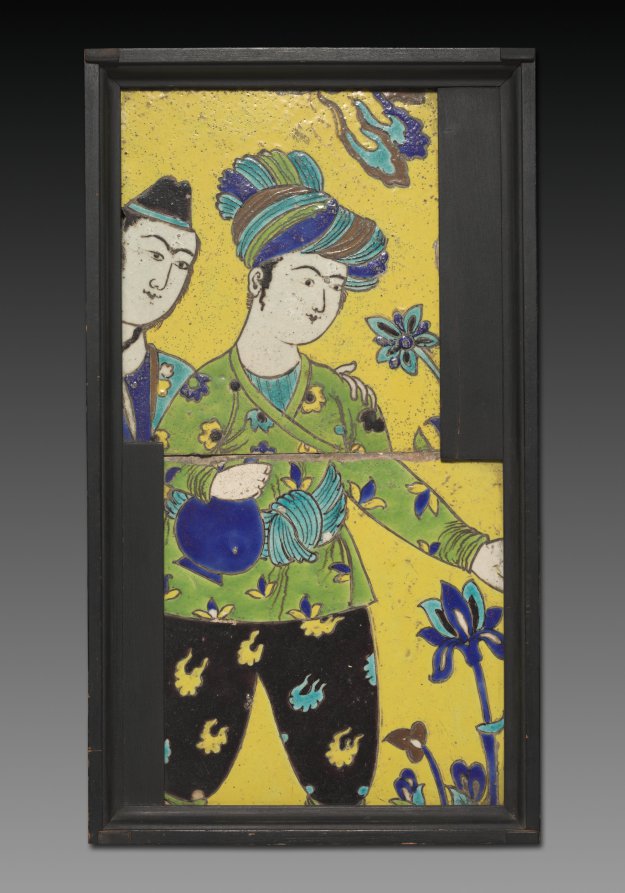
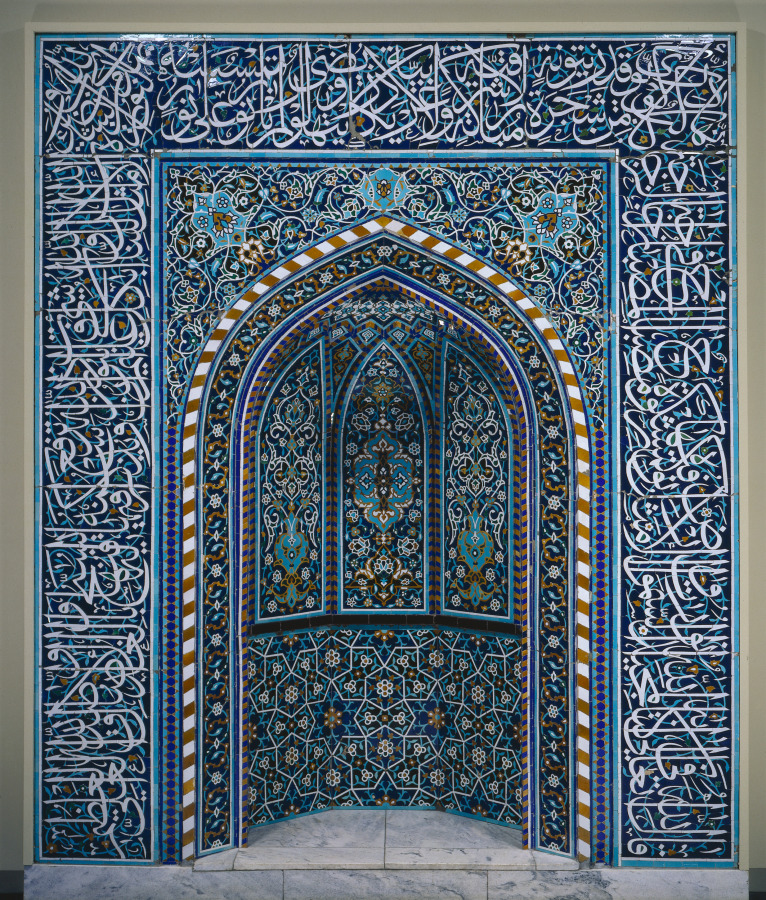
Representative photographs, not of any specific catalogued object. Sources on the credits page.