
Collector guide · 9 min
How to place a Persian rug in time — and why it is hard
Editorial team · updated 2026-09-29

second half 16th century · accession 14.40.721 · The Metropolitan Museum of Art · CC0 (Met Open Access) · Photo source ↗
- Type
- Collector guide
- Reading
- 9 min
- Chapters
- 7
- Photos
- 6
The clues specialists use to suggest an age range, and why no single feature gives a firm date.
Clues that are used
Specialists combine dyes, wool, foundation materials, wear pattern, repairs and design style. Each suggests a range, not a year.
- Dyes: synthetic dyes appear from the late 1800s
- Cotton foundations spread in the 20th century
- Woven dates can be copied or added later
Common traps
Chemical washes and tea-staining can make new rugs look old. Heavy wear may come from use rather than age.
Advice
Treat age claims as opinions unless a written report explains the evidence.
Clues and limits
Dye types, wear patterns, foundation materials and design style can suggest a broad period, but artificial ageing (tea-washing, sun-fading and abrading) is common. Woven dates can be later additions or copied. For value decisions, ask an independent specialist.
Crafts covered in this guide
Persian carpet (فرش ایرانی) — A hand-knotted pile textile woven across Iran in city workshops, village looms and pastoral camps, distinguished by regional structure, palette and design vocabulary.
Gabbeh (گبه) — A thick, coarsely knotted pile rug woven mainly by pastoral and village weavers of the Zagros, with open fields, few motifs and a directly personal design language.
Kilim (Gelim) (گلیم) — A flat, pileless woven textile made across Iran by interlocking or slit-weaving coloured weft threads over a warp, used as floor covering, storage bag, saddle cover and tent divider depending on region.
Materials, techniques and centres
Persian carpet, Gabbeh and Kilim (Gelim) are recorded in the archive with wool, silk, cotton and natural dyes as principal materials, and knotted pile weaving and weft-faced flatweaving as techniques. Associated centres include Tabriz, Isfahan, Kashan, Kerman, Qom and Shiraz; a place name on its own does not establish where an individual object was made.
Collecting and next steps
When applying this guide to a specific object, work from what can be observed: structure, materials, tool marks, repairs and documentation. Ask the seller or maker for written statements about who made the piece, where, from what materials, and what has been repaired or replaced.
The steps here are educational; identification, conservation and valuation of an individual object require appropriate independent expertise.
Related photographs and screened examples
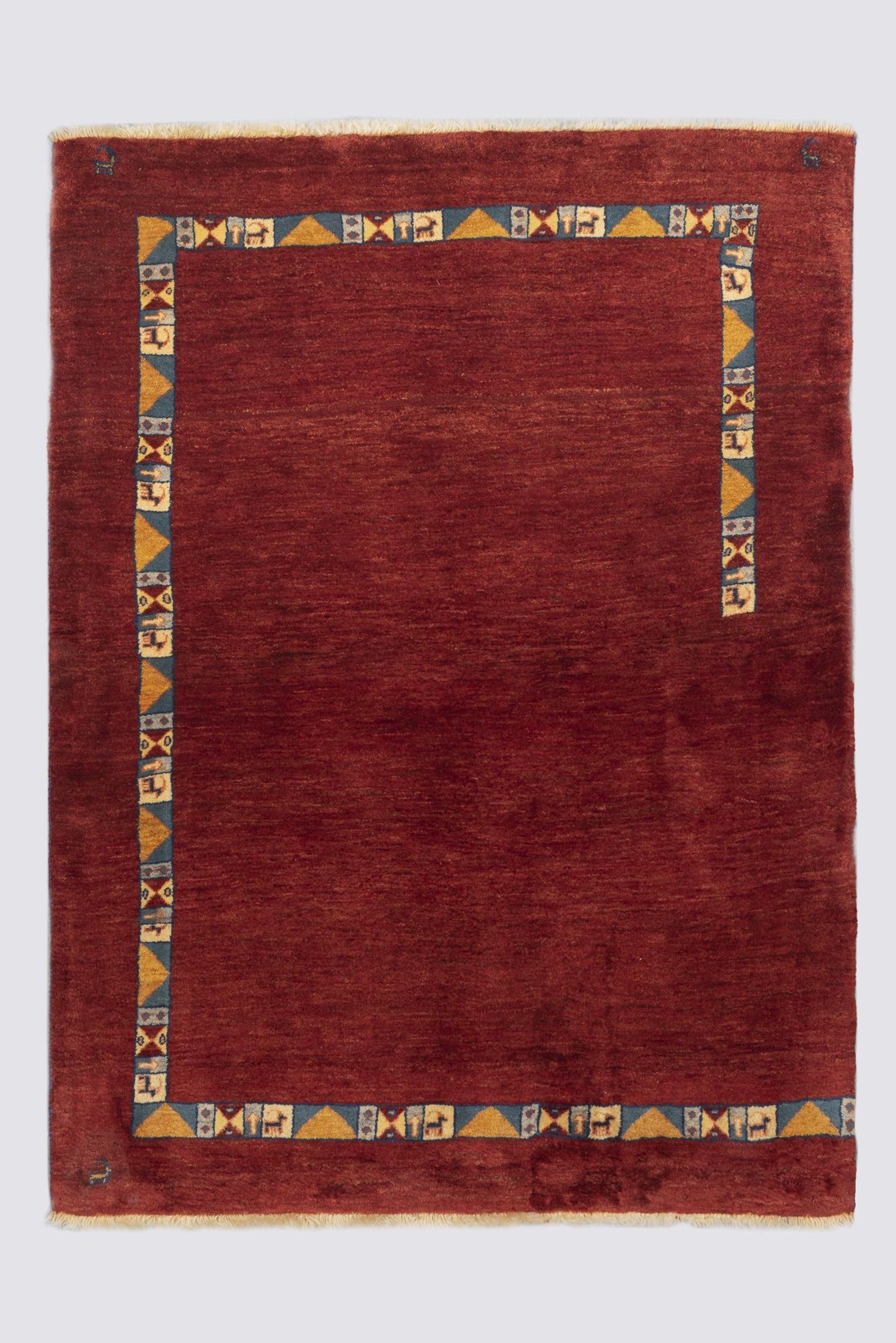
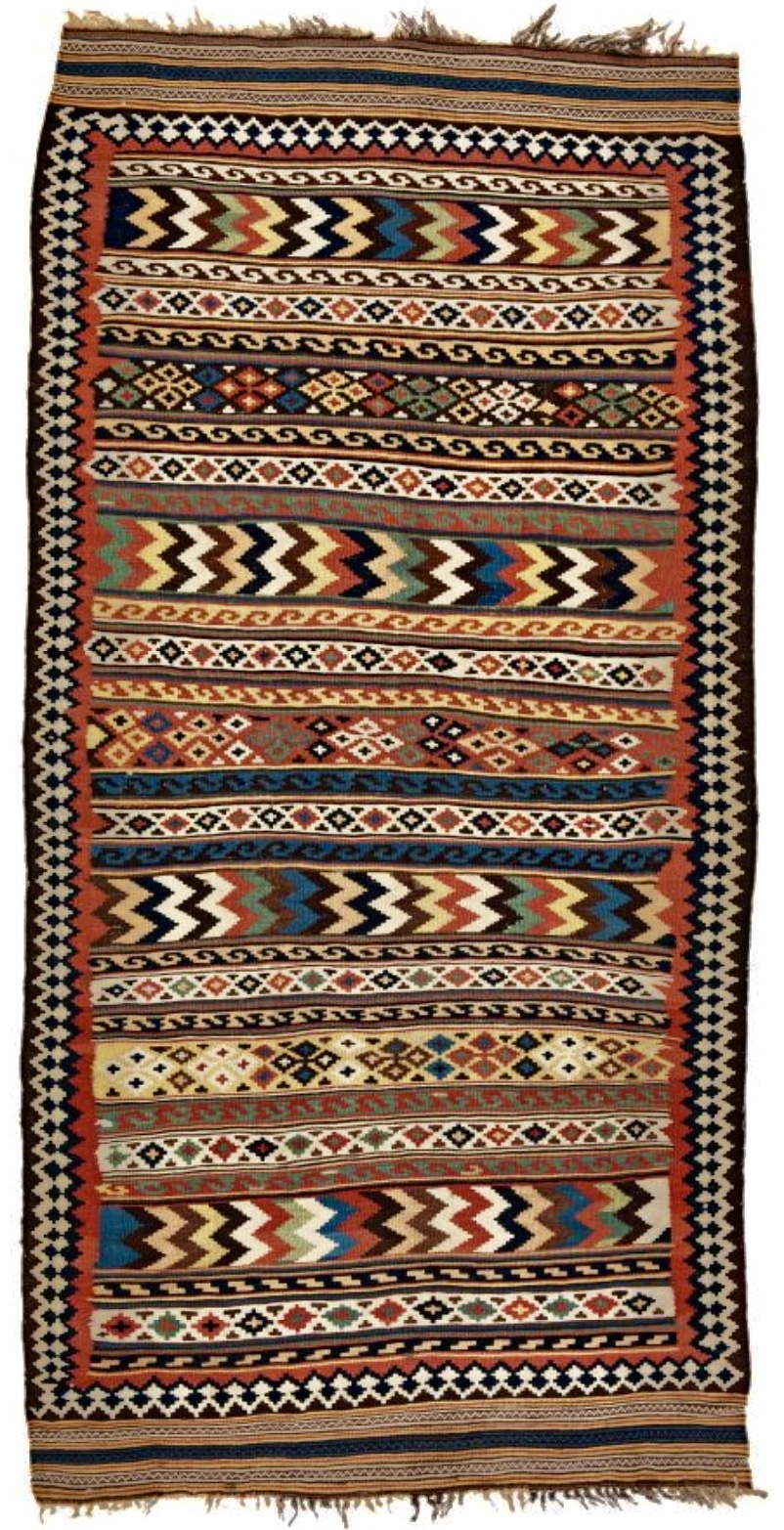
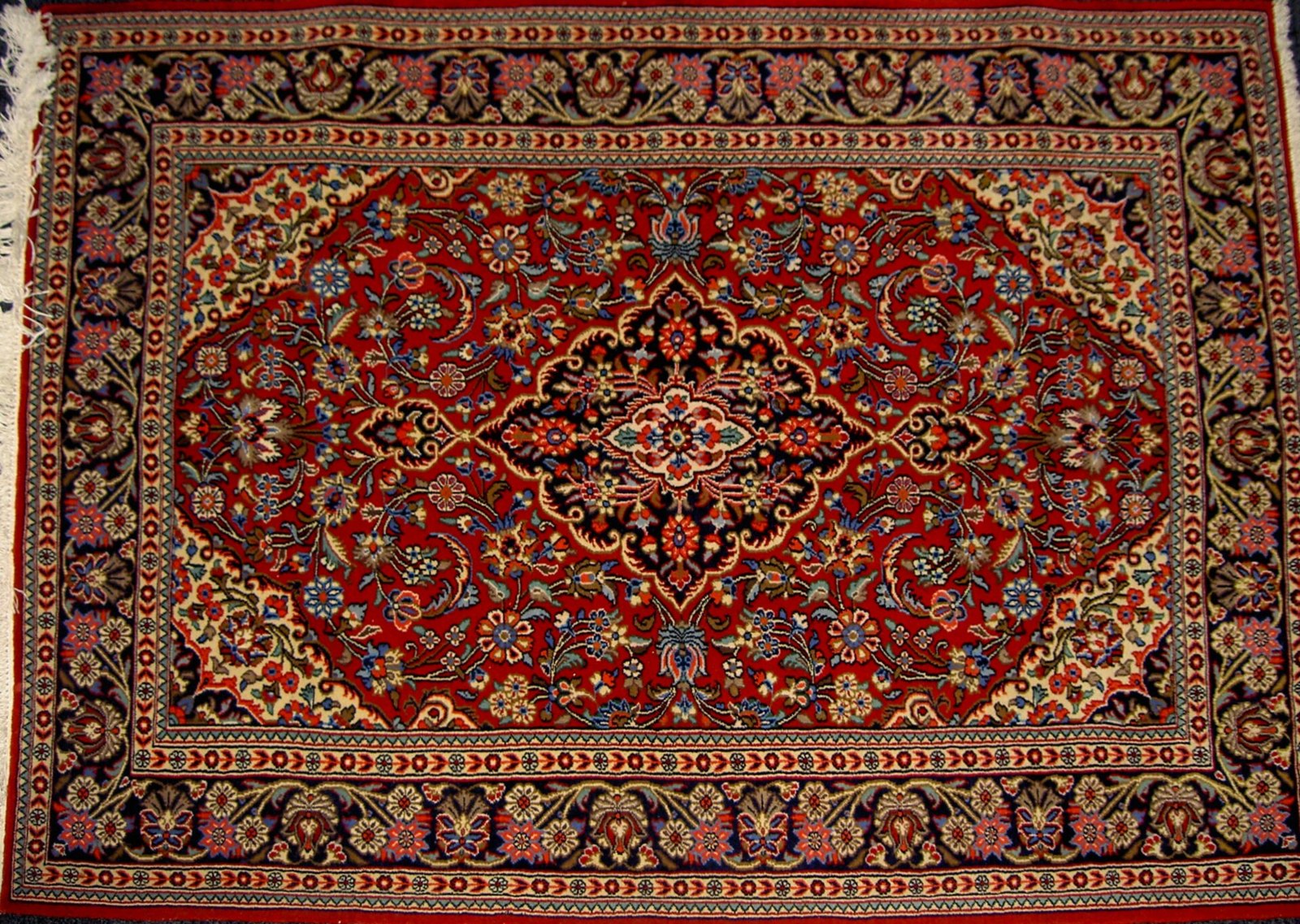
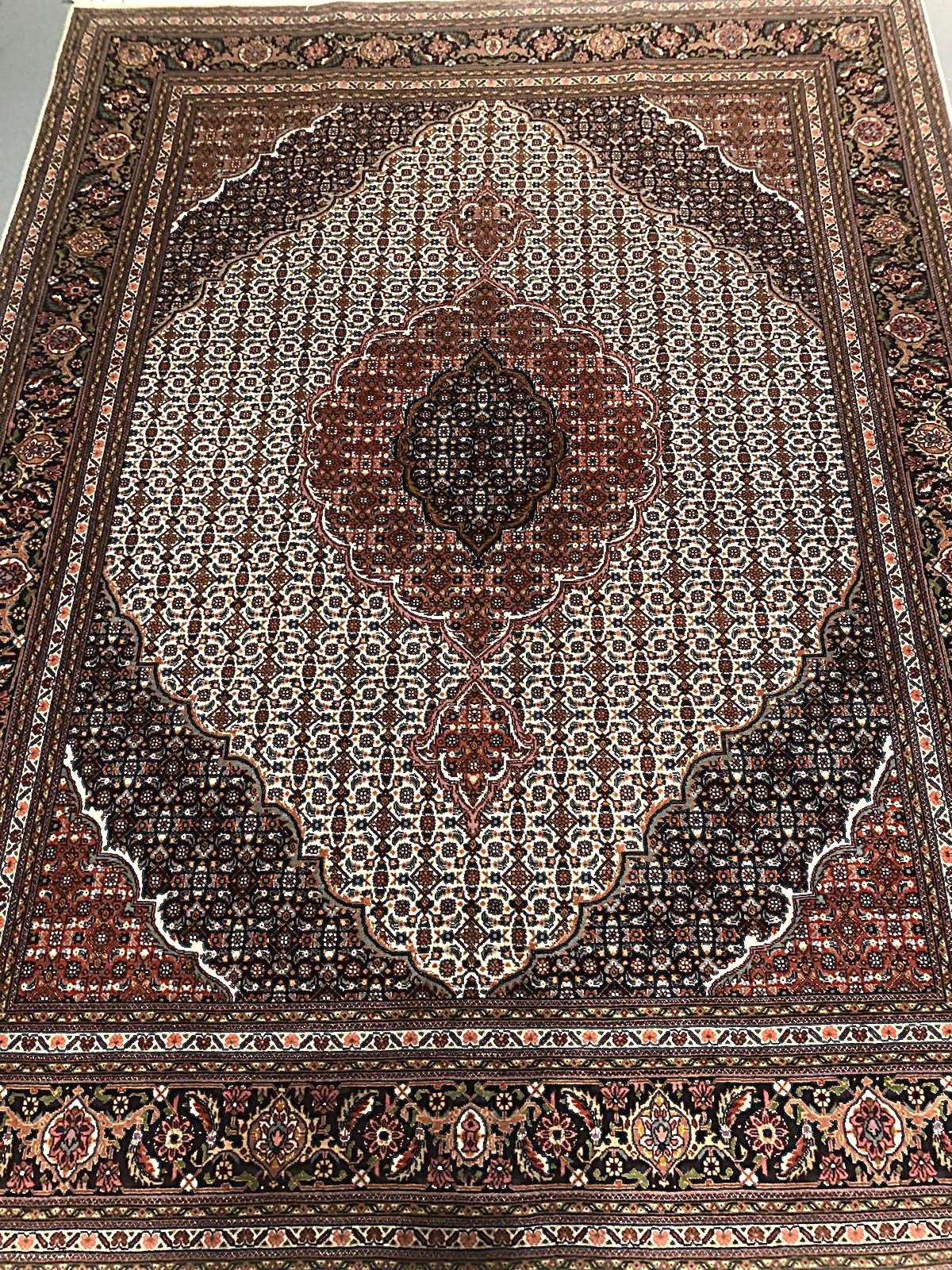
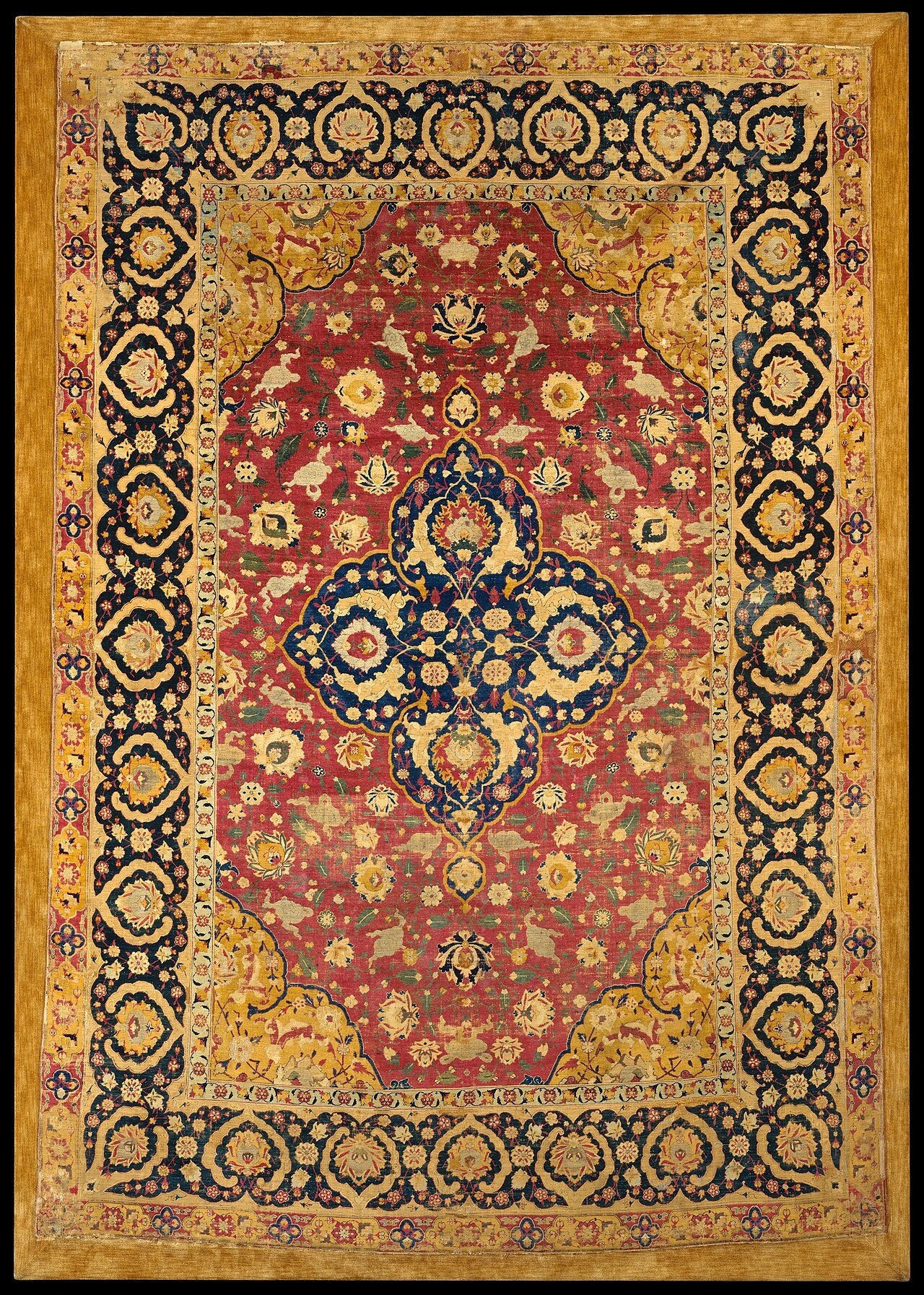
Representative photographs only. Marketplace examples rely on seller descriptions; CraftPersia has not independently authenticated their maker, origin, or rights status. Follow each source link for the listing context.
| Craft | Associated centres | Key materials |
|---|---|---|
| Persian carpet | Tabriz, Isfahan, Kashan | Wool, Silk, Cotton |
| Gabbeh | Shiraz | Wool, Natural dyes |
| Kilim (Gelim) | Shiraz, Kerman, Sistan & Baluchestan | Wool, Cotton, Natural dyes |
References and further reading
- [1] H. E. Wulff, The Traditional Crafts of Persia, MIT Press, 1966.General historical craft reference, not evidence for a particular object.
These sources provide context, not authentication or provenance for an individual object. Editorial interpretations remain under review.