
Beginner guide · 10 min
Persian pottery through history: lustre, minai and Lalejin today
Editorial team · updated 2026-09-29
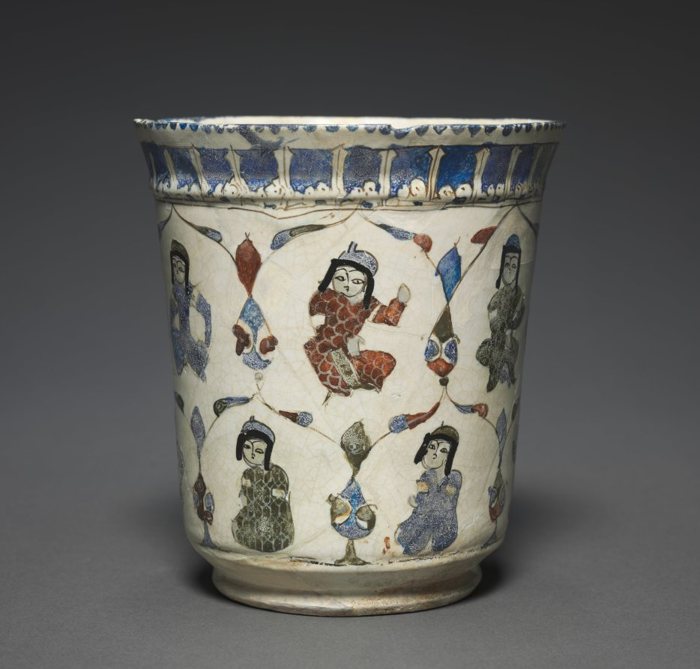
Cleveland Museum of Art · CC0 / public domain (museum open access) · Photo source ↗
- Type
- Beginner guide
- Reading
- 10 min
- Chapters
- 8
- Photos
- 2
Persian pottery spans 8,000 years, from painted prehistoric wares to medieval lustre and minai, to modern Lalejin workshops.
Prehistoric and ancient
Painted pottery from sites such as Tepe Sialk and Susa dates back to the 5th–4th millennia BCE, with animals and geometric bands.
Medieval innovations
- Stonepaste (fritware): a white quartz body developed in the 12th century
- Lustreware: metallic sheen from a second firing, made in Kashan
- Minai: overglaze enamel colours painted in miniature style
- Underglaze painting and blue-and-white wares in the Safavid period
Kashan's role
Kashan was so important for tiles and ceramics that 'kashi' became the Persian word for tile.
Pottery today
Lalejin near Hamedan is Iran's largest pottery town, famous for turquoise-glazed ware. Meybod, Shahreza and Mashhad also have active workshops.
Buying and care
Ask whether pieces are food-safe (lead-free). Antique claims need provenance, and exporting antiquities is restricted.
- Depth
- Continuous production for over 7,000 years
- High points
- Prehistoric painted ware, Seljuk minai and lustre, Safavid blue-and-white
Prehistoric and early wares
Painted pottery from sites such as Susa and Sialk (5th–3rd millennium BCE) shows sophisticated stylised animals and geometry. These wares established Iran's long painted-pottery tradition long before glazing arrived.
The Islamic-period peaks
Kashan became the great ceramic centre of the 12th–14th centuries, producing lustreware and minai (overglaze-enamelled) pieces of extraordinary refinement. Nishapur was famous for slip-painted earthenware with bold calligraphic designs.
Safavid to today
Under the Safavids, blue-and-white production responded to Chinese porcelain imports. Village pottery — water jars, storage vessels, the painted ware of Lalejin and Meybod — continued alongside and forms the living tradition seen in today's bazaars.
- Kashan: lustre and minai
- Nishapur: slip-painted ware
- Lalejin and Meybod: living village pottery
Related photographs and screened examples
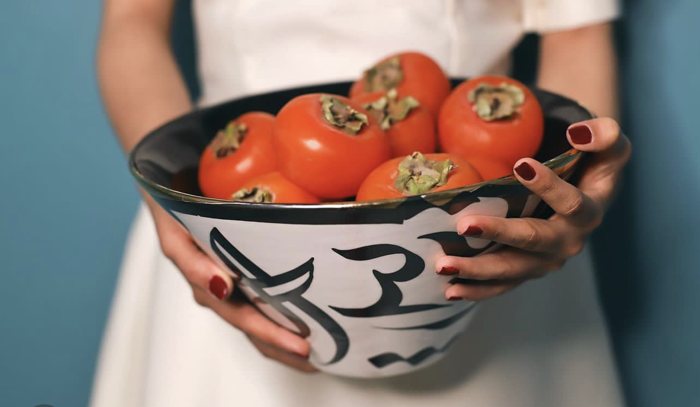
Representative photographs only. Marketplace examples rely on seller descriptions; CraftPersia has not independently authenticated their maker, origin, or rights status. Follow each source link for the listing context.
Timeline
- c. 4000 BCE
Painted ware at Susa and Sialk
- 9th–10th c.
Nishapur slip-painted earthenware
- 12th–13th c.
Kashan lustre and minai peaks
- 17th c.
Safavid blue-and-white
- Today
Village and studio pottery centres active
References and further reading
These sources provide context, not authentication or provenance for an individual object. Editorial interpretations remain under review.