
Beginner guide · 5 min
Gach-bori: Persian carved stucco in architecture
Editorial team · updated 2026-10-21
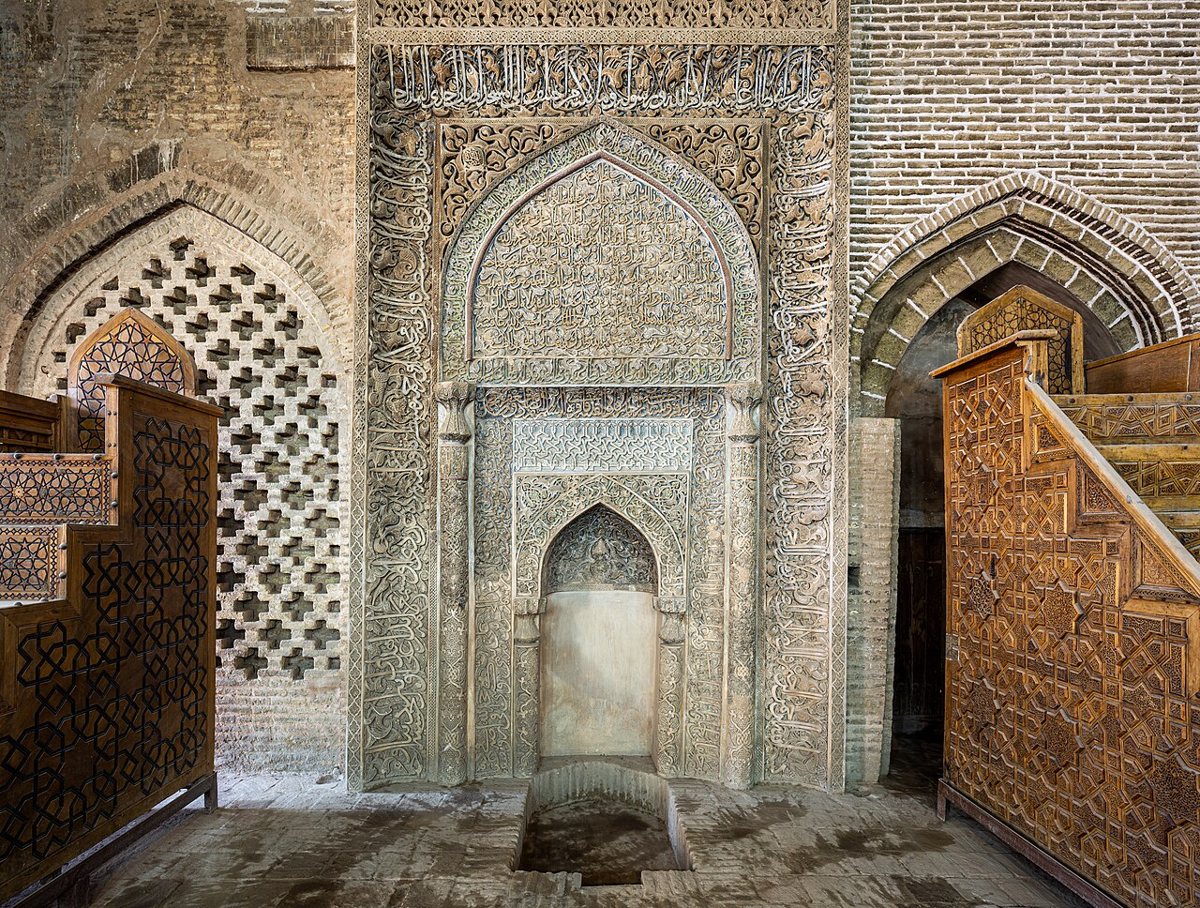
Accessed 15 October 2026.; attribution and origin follow the Commons record and are not independently verified. · Amir Pashaei · CC BY-SA 4.0 (per Wikimedia Commons; rights review pending) · Photo source ↗
- Type
- Beginner guide
- Reading
- 5 min
- Chapters
- 5
- Photos
- 2
Scope and evidence
This reading separates visible construction, documented materials and origin claims. The photographs retain their own source context; they do not authenticate a purchase or demonstrate every stage described below. Historical examples and contemporary maker statements require different kinds of evidence.
- Object type: Architectural surface or a separate modern panel
- Reading aid: Side light reveals depth without touching
- Care boundary: No wet cleaning or consolidants at home
- Object type
- Architectural surface or a separate modern panel
- Reading aid
- Side light reveals depth without touching
- Care boundary
- No wet cleaning or consolidants at home
An architectural surface, not just a pattern
Gach-bori is associated with worked plaster, often gypsum-based, but a complete decorative surface can include backing, successive plaster layers, pigments and earlier repairs. Calling everything white “gypsum” hides that complexity. A relief’s position in a room also matters: lighting, viewing height and adjoining inscriptions shape how it was read.
Start a record with the building, room, wall or ceiling location and the authority responsible for it. A detached panel loses that relationship unless documentation preserves it. Do not assign a date from an arabesque or calligraphic style alone; later work can reuse earlier designs.
Carved, built up and cast: describe what the record supports
Carving removes material; built-up work adds relief; casting reproduces a form from a mould. These operations can coexist, including a cast element with hand-finished edges. Sharp undercuts and repeating motifs are useful observations but cannot by themselves settle the working sequence.
For a documented site, compare an overall photograph with side-lit details and published surveys. For a new commission, ask which elements will be modelled, cast or carved on site, and what backing and fixing system is proposed. Never treat an unrelated craft photo as a record of this process.
Map condition without disturbing the plaster
Cracks, powdering, hollow areas, loose edges and staining require different assessments. A crack may relate to the building rather than the carved decoration alone. Mark its position on a photograph and record the date; do not probe, knock or pick the surface to judge its stability.
Water can mobilise salts and damage finishes, while brushing a powdering surface can remove original material. Avoid sprays, steam, household fillers and adhesives. Keep visitors away from loose overhead decoration and notify the site custodian; a conservator should assess both the surface and its support.
Commissioning a contemporary panel responsibly
Agree a sample finish, dimensions, weight, substrate, installation responsibilities and the maintenance plan before work begins. Ask whether the relief is intended for an interior and what environmental conditions it requires. Photographs should show the actual sample, not a historic monument presented as the maker’s own work.
Specify whether the maker is producing an original design or a clearly described contemporary interpretation. Historic fragments should not be collected without lawful ownership and removal documentation. Buying a new panel and caring for an in-situ historic surface are separate activities.
- Location and support
- Material and layer specification
- Making method and sample approval
- Installation and maintenance responsibility
Related photographs and screened examples
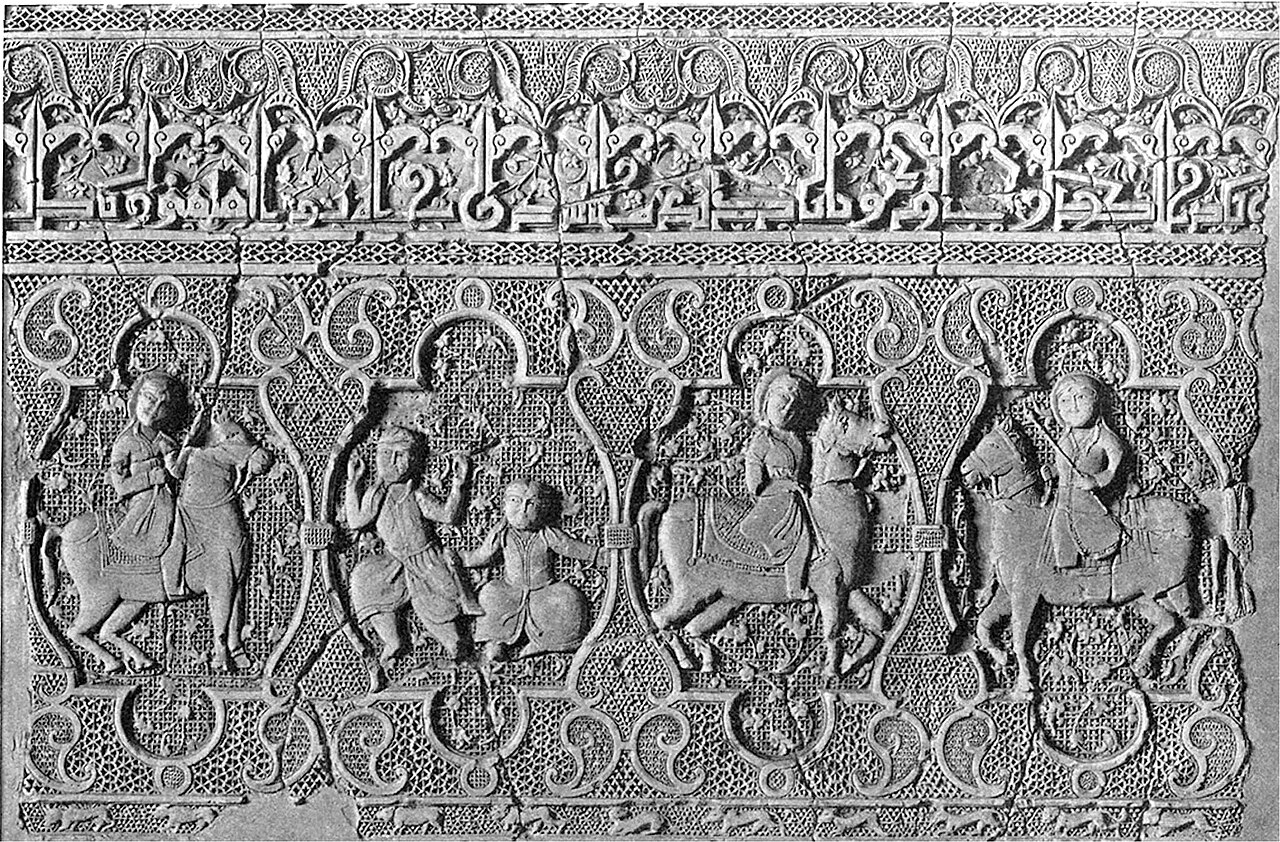
Representative photographs only. Marketplace examples rely on seller descriptions; CraftPersia has not independently authenticated their maker, origin, or rights status. Follow each source link for the listing context.
| Observation | Record | Avoid |
|---|---|---|
| Crack | Dated overall and close view | Filling before assessment |
| Powdering | Location and recent change | Brushing or wet wiping |
| Loose edge | Position and access risk | Pushing back into place |
| Stain | Extent and moisture history | Bleaching or repainting |
References and further reading
- [1] H. E. Wulff, The Traditional Crafts of Persia (1966).Historical methods, not a site conservation specification.
- [2] UNESCO World Heritage Centre, Masjed-e Jāmé of Isfahan. ↗Architectural context; it does not attribute an unrecorded detached panel.
These sources provide context, not authentication or provenance for an individual object. Editorial interpretations remain under review.