
Beginner guide · 5 min
Charm-duzi: Iranian handmade leatherwork
Editorial team · updated 2026-10-21
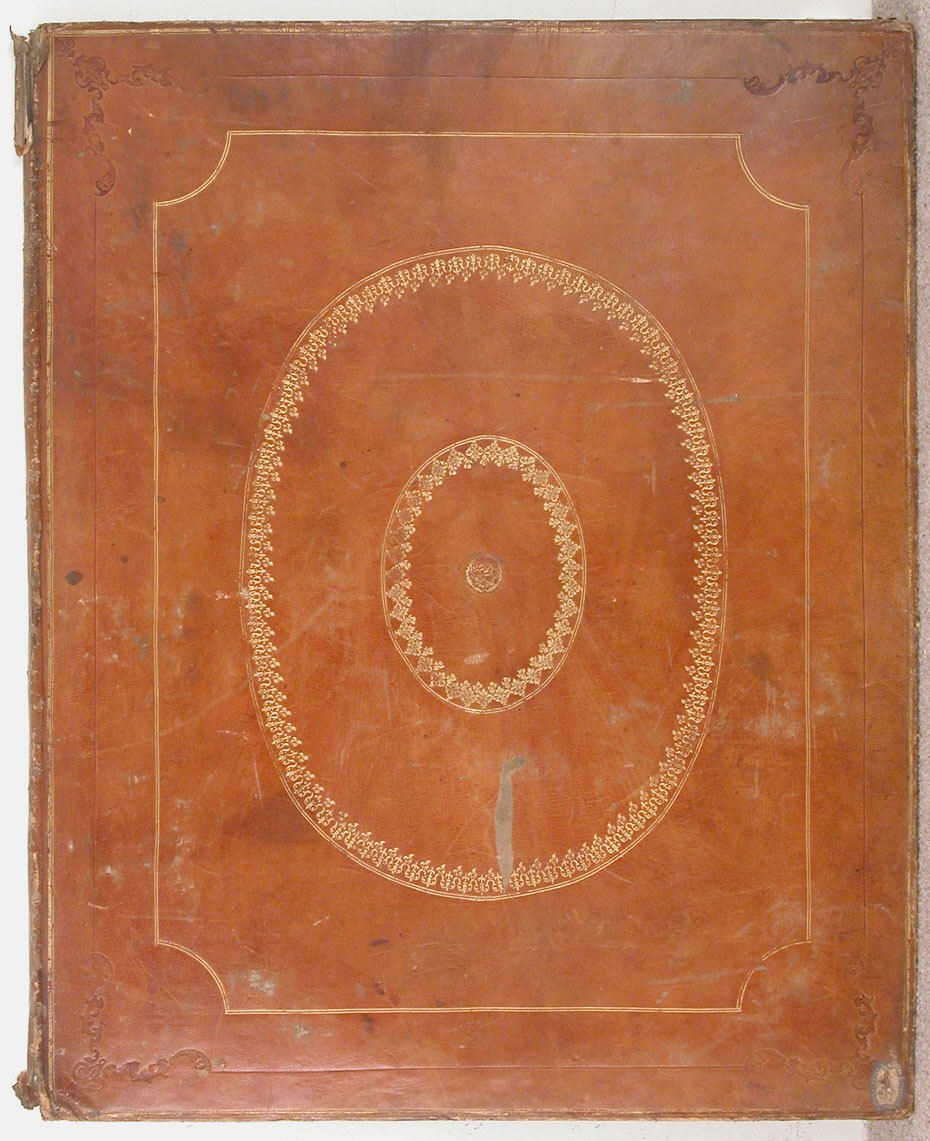
Portfolio, Iran, 18th century; catalogue medium: leather. Historical leatherwork, not a modern bag or stitching demonstration. API origin and open-access status checked 7 October 2026 · The Metropolitan Museum of Art · CC0 (Met Open Access; resized and JPEG re-encoded) · Photo source ↗
- Type
- Beginner guide
- Reading
- 5 min
- Chapters
- 5
- Photos
- 2
Scope and evidence
This reading separates visible construction, documented materials and origin claims. The photographs retain their own source context; they do not authenticate a purchase or demonstrate every stage described below. Historical examples and contemporary maker statements require different kinds of evidence.
Separate leather, finish and construction
Leather is a processed material, not a single predictable surface. Ask for the animal source, tanning description and finish where known; coated, lined and laminated products may behave differently from an uncoated hide. Colour and a leather smell do not establish tanning method or Iranian manufacture.
A full-grain claim refers to the surface retained during processing, not to a guarantee of superior construction. Record the claim alongside close photographs of edges and worn areas. Do not scratch, burn, solvent-wipe or bend sharply to test a finished item.
Look at load-bearing details
Inspect handle attachments, corners, gussets and fastening points before decorative tooling. These areas carry load and reveal how the object is assembled. Ask whether stitching is handworked, machine sewn or mixed; stitch slant by itself cannot settle that question.
Check whether hardware is replaceable and whether the maker offers repairs. Edges can be burnished, painted or bound, each with different wear patterns. A rough edge may reflect damage rather than a craft method; a perfectly regular seam may still be hand sewn.
Avoid universal conditioning recipes
Do not apply household oils, saddle soap or a generic leather cream to every surface. Products may darken leather, migrate into linings or affect paint and adhesives. For a new usable item, follow the maker’s finish-specific instructions; for historic leather, ask a conservator.
Store supported and away from strong heat and light. Avoid sealed damp packaging and inspect for mould without brushing spores indoors. Fragile powdering leather needs isolation and specialist advice, not vigorous cleaning.
Document handmade Iranian work
A tooling pattern, script or shipping location does not establish who made an object. Request the maker or workshop, place of assembly and a description of the hand operations. If an Iranian maker works abroad, identify that fact honestly rather than relabelling the item as made in Iran.
Record the materials and commission dimensions on the invoice, alongside delivery and return conditions. Supporting a maker includes accurate credit and permission for their photographs, not merely buying an object bearing a traditional motif.
- Maker and place of assembly
- Leather and finish
- Hand and machine operations
- Hardware, repairs and returns
Related photographs and screened examples
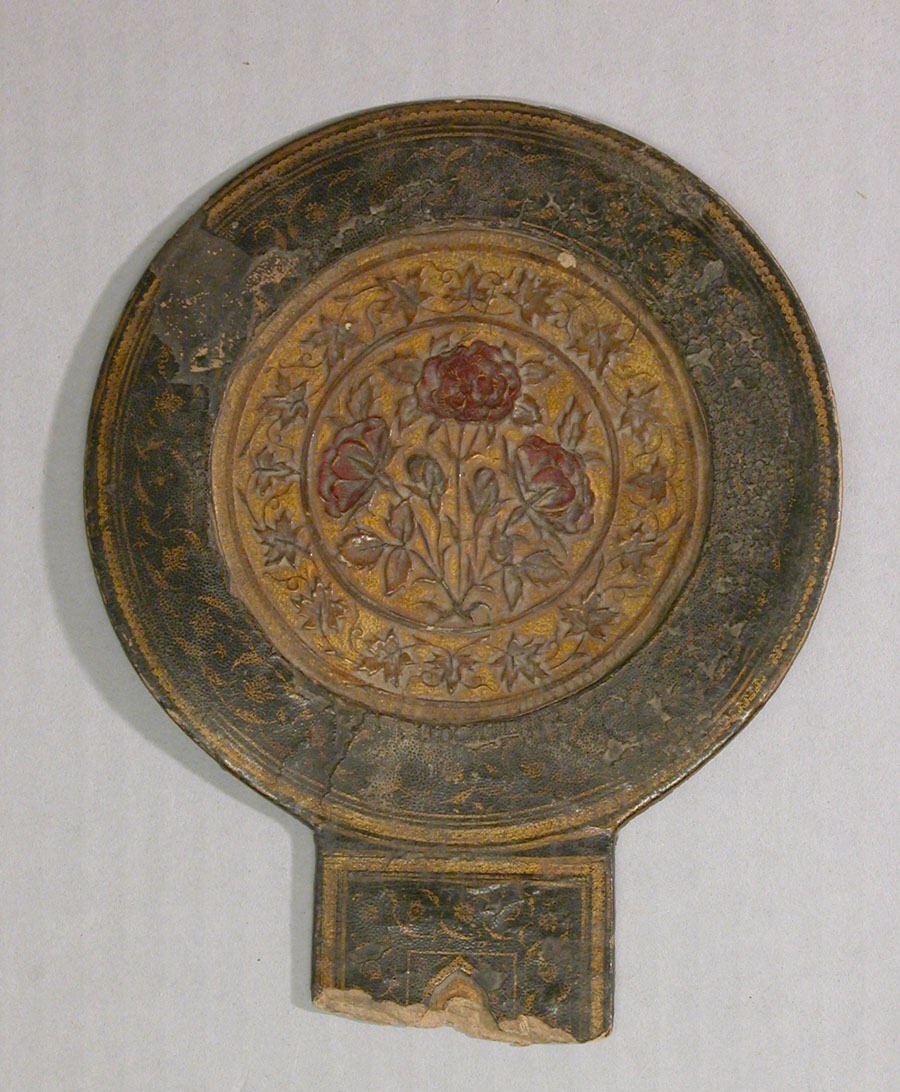
Representative photographs only. Marketplace examples rely on seller descriptions; CraftPersia has not independently authenticated their maker, origin, or rights status. Follow each source link for the listing context.
| Question | Useful record | Weak substitute |
|---|---|---|
| Material? | Maker’s specification | Smell alone |
| Hand sewn? | Construction account | Stitch slant alone |
| Made in Iran? | Named workshop and location | Persian motif |
| Care? | Finish-specific instructions | Universal oil recipe |
References and further reading
- [1] Canadian Conservation Institute, Caring for leather, skin and fur. ↗Collection-care principles, not approval of a commercial conditioner.
- [2] H. E. Wulff, The Traditional Crafts of Persia (1966).Historical craft context.
These sources provide context, not authentication or provenance for an individual object. Editorial interpretations remain under review.