
Beginner guide · 7 min
A visitor's guide to Iranian craft bazaars
Editorial team · updated 2026-09-29

second half 16th century · accession 14.40.721 · The Metropolitan Museum of Art · CC0 (Met Open Access) · Photo source ↗
- Type
- Beginner guide
- Reading
- 7 min
- Chapters
- 8
- Photos
- 6
What to expect in the bazaars of Isfahan, Shiraz, Tabriz, Kashan and Yazd, and how to shop with care.
Where
Isfahan's Naqsh-e Jahan square, Shiraz's Vakil bazaar, the Tabriz bazaar complex, Kashan bazaar and Yazd's old town are well-known craft areas.
How to shop
Watch makers at work where possible, compare prices across shops and ask about materials.
Be respectful
Ask before photographing workshops or people. Bargaining is common, but be fair.
Check locally
Opening times and shops change. Confirm details locally before travel.
- Purpose
- Plan an evidence-led visit, not a live shop directory
- Access
- Confirm current opening, accessibility and local conditions
- Illustrations
- Craft objects, not photographs of the named bazaars
Understand a bazaar as a trading network
The bazaar brings together makers, finishers, wholesalers and retailers. An object offered in a historic craft city may have been produced elsewhere. A shop with tools on view can both make and resell work; ask which operation applies to the piece you are considering. Separate the market location from the actual place of manufacture.
Naqsh-e Jahan in Isfahan, Vakil Bazaar in Shiraz and the Tabriz Bazaar Complex provide different architectural and commercial settings. Do not treat them as interchangeable or assume a heritage designation certifies the goods. Plan time to compare construction and written descriptions rather than simply count souvenir stalls.
Prepare a visit without relying on stale schedules
Verify opening arrangements, public access, transport and accessibility through current local sources before travel. Holiday observance, restoration, private appointments and individual working hours can affect what is available. This archive does not maintain live shop hours or guarantee a workshop demonstration.
Make a shortlist of craft questions: how a khatam pattern is assembled, what metal underlies enamel, or which fibres form a textile. Bring a way to record answers and ask permission before taking pictures. Keep enough time for quiet observation rather than pressure a maker to stop hazardous or time-sensitive work.
Compare the actual objects on offer
Request views of the underside, reverse, joints and repaired areas. Ask who made the item, where and when, what materials it contains and which claims are documented. A named Iranian city on a label is an attribution requiring support, not proof by itself.
Record the seller separately from the stated maker. For a significant purchase, seek independent advice and agree written returns, packing and shipping terms. Do not infer age from patina or Iranian origin from a boteh motif. Similar decoration circulates through international production and trade.
Credit people and preserve source context
Ask whether a maker wants their name, workshop or words published and in what form. Permission to photograph is not automatically permission to reuse the image commercially. Avoid photographing private accounts, addresses or customers incidentally.
Save your notes alongside the invoice and photographs, including the date and any uncertainty. The craft photographs here illustrate related objects only: they do not show the named shop, establish a present-day bazaar itinerary or verify a seller you may meet.
Related photographs and screened examples
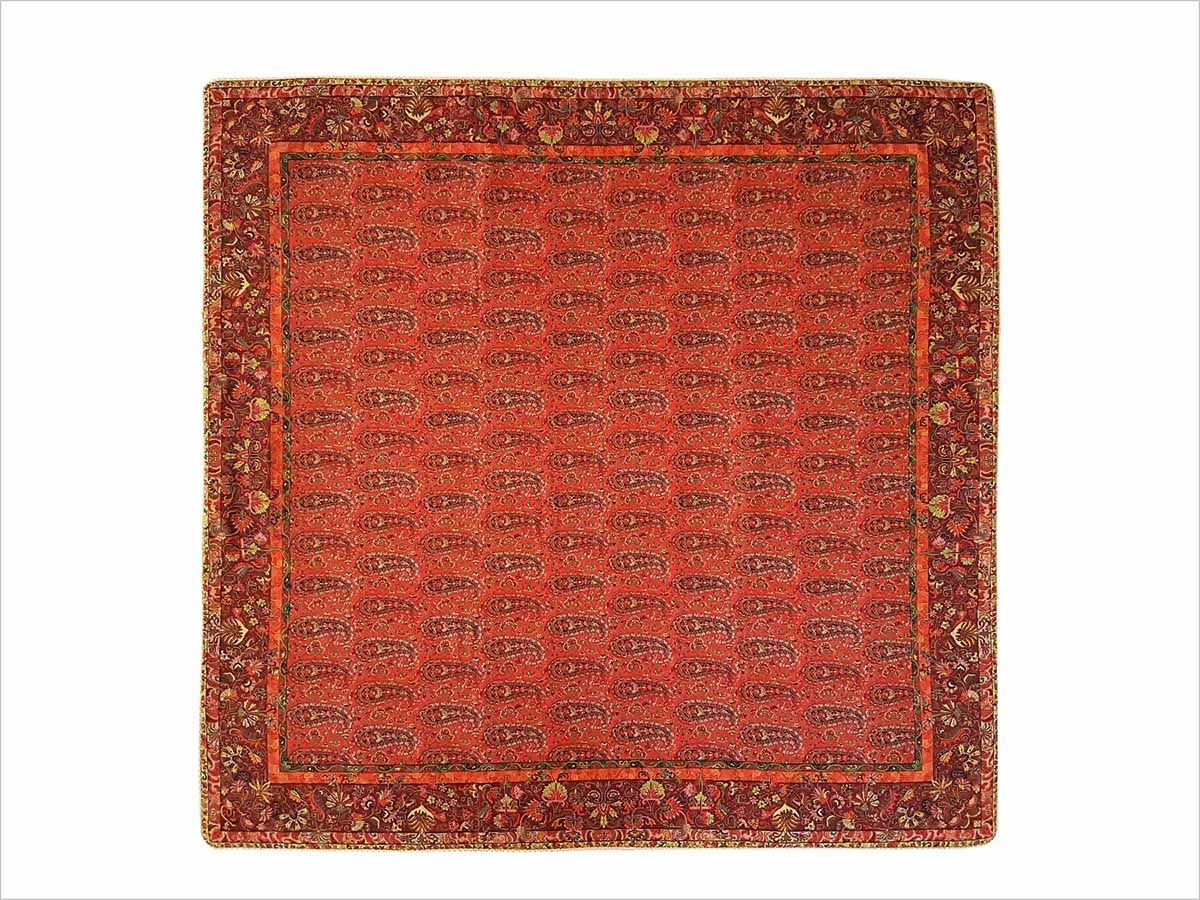
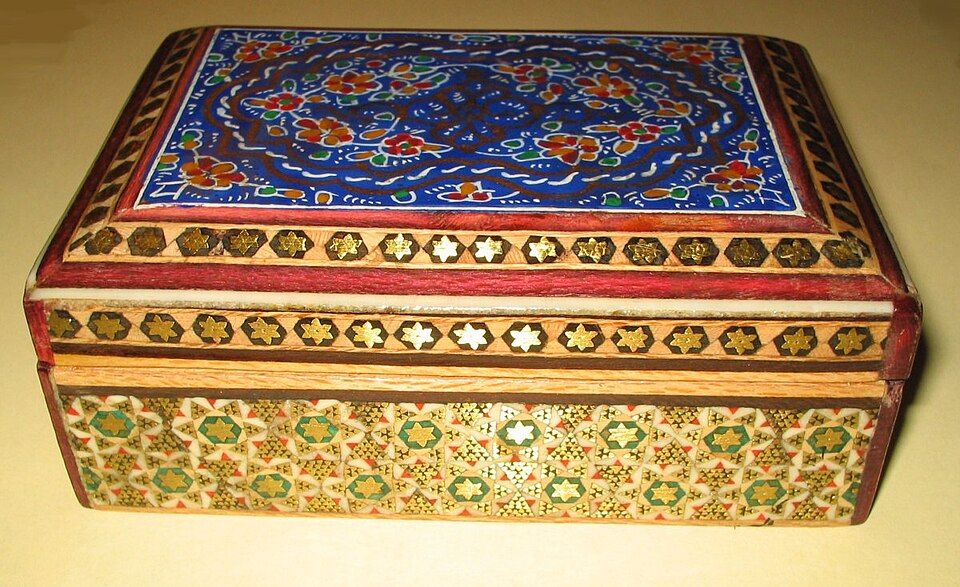
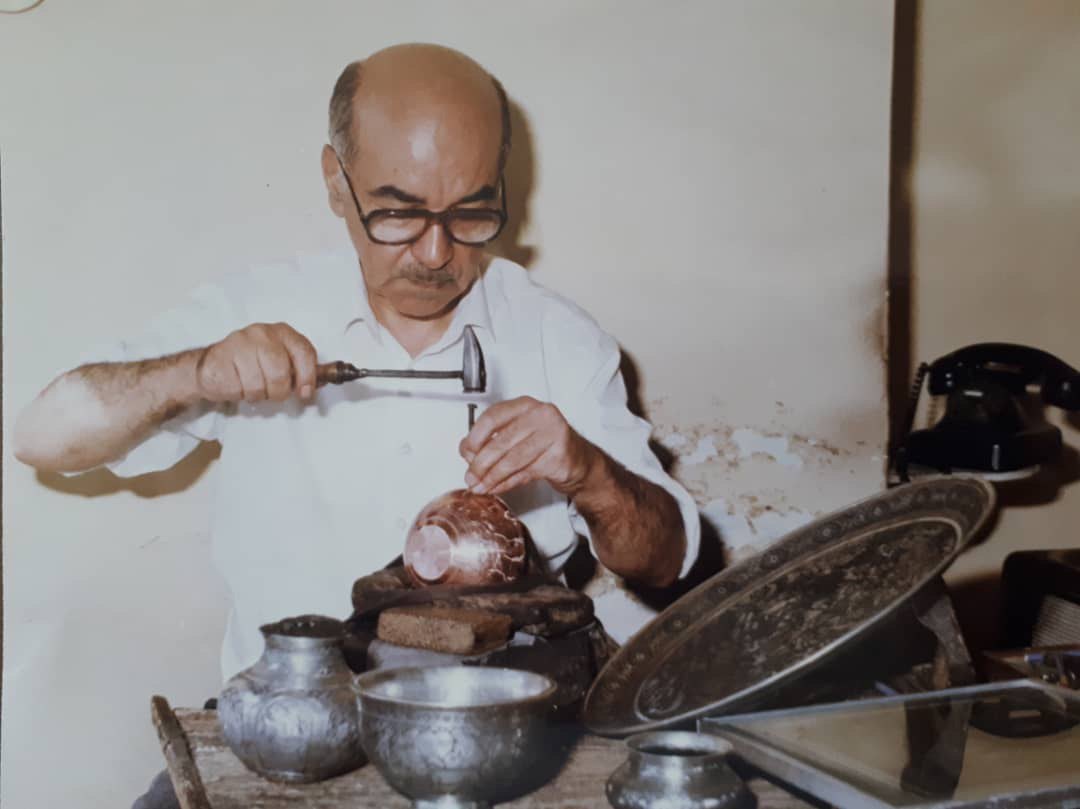
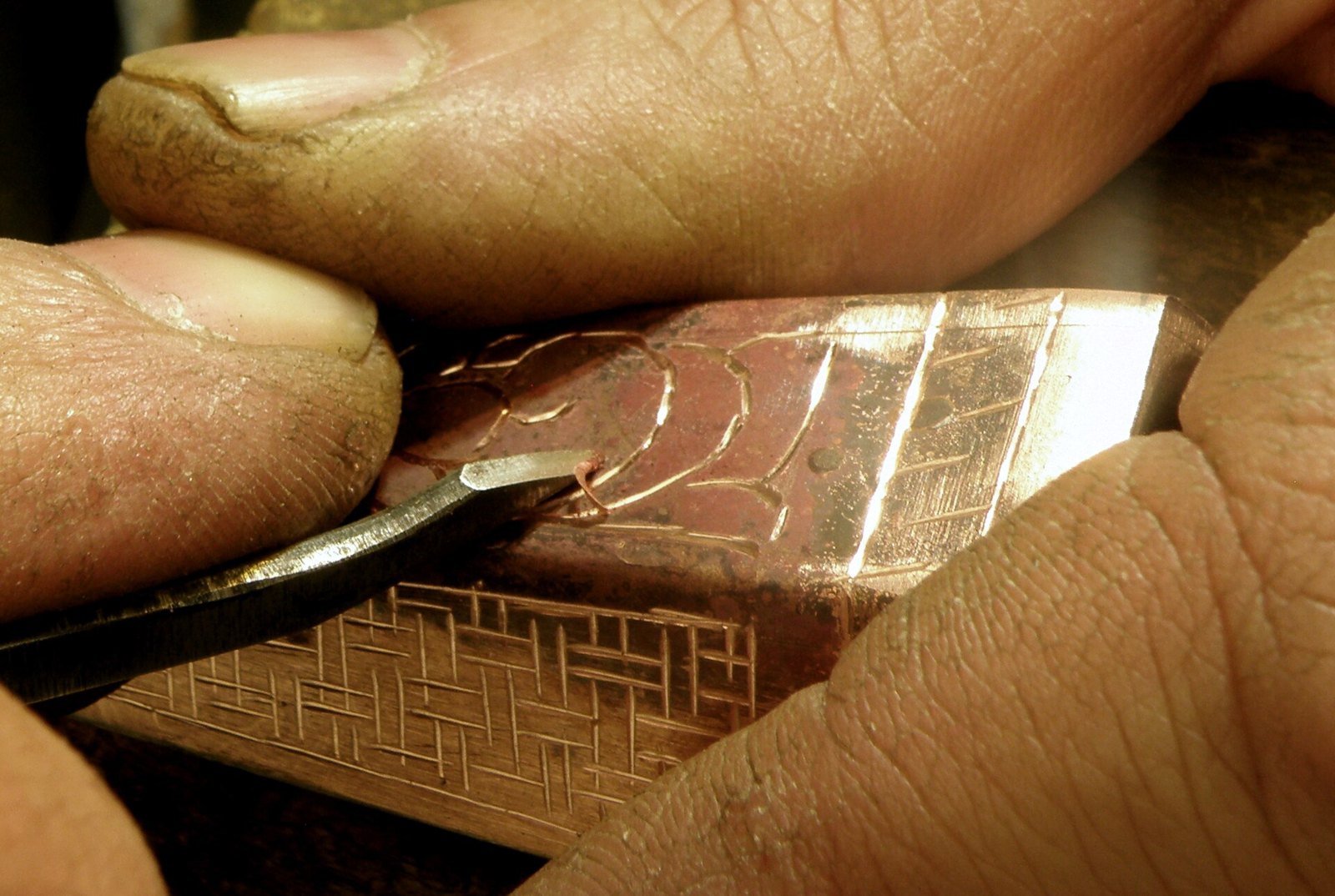
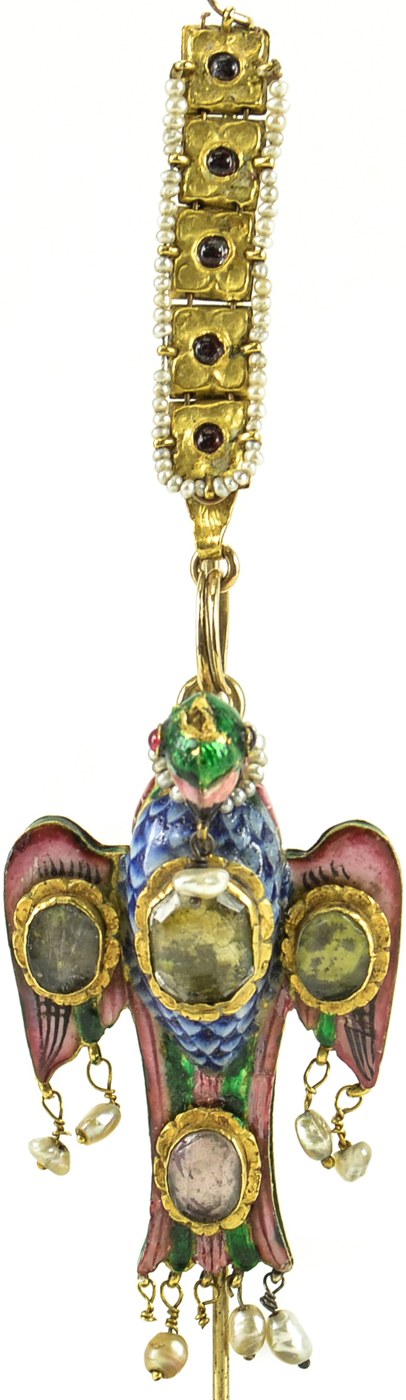
Representative photographs only. Marketplace examples rely on seller descriptions; CraftPersia has not independently authenticated their maker, origin, or rights status. Follow each source link for the listing context.
| Situation | What to ask or inspect | What not to assume |
|---|---|---|
| Showroom with tools | Which objects are actually made here? | Every displayed item is local |
| Heritage bazaar | Current access and independent object evidence | Heritage status certifies products |
| Purchase | Maker, materials, repairs and written terms | Style proves origin |
References and further reading
- [1] H. E. Wulff, The Traditional Crafts of Persia (1966)Historical background, not a live directory or authentication of individual objects.
- [2] UNESCO — Tabriz Historic Bazaar Complex ↗Architectural and trade history, not a shop recommendation.
These sources provide context, not authentication or provenance for an individual object. Editorial interpretations remain under review.