
Beginner guide · 10 min
Visiting Iranian craft workshops
Editorial team · updated 2026-09-29
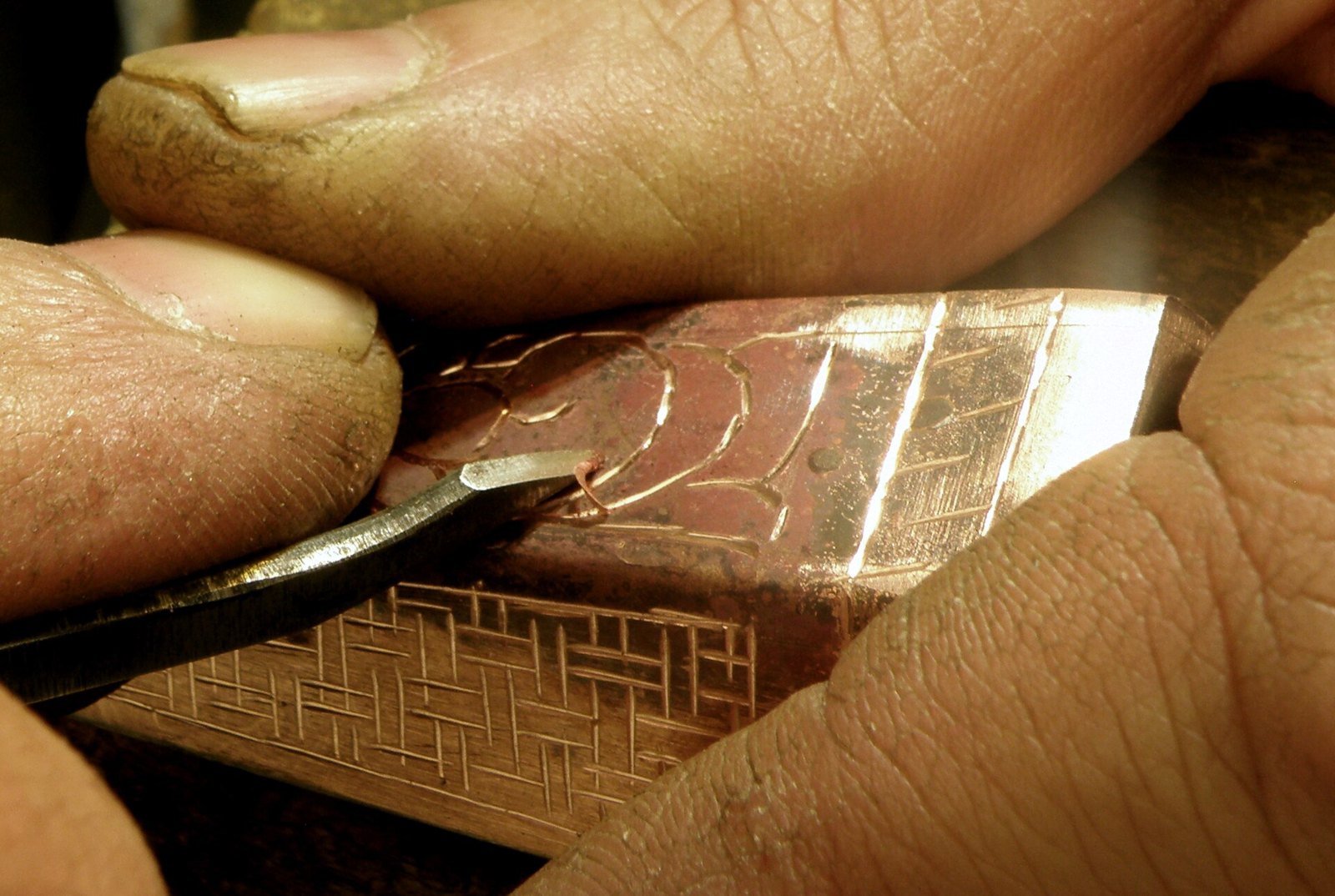
2012 (day unverified) · Jacopo188 · CC BY-SA 3.0 · Photo source ↗
- Type
- Beginner guide
- Reading
- 10 min
- Chapters
- 9
- Photos
- 5
Practical and respectful ways to see makers at work in Iran.
Where to look
Bazaars in Isfahan, Shiraz, Yazd, Kashan and Tabriz host many workshops. Local cultural heritage offices can suggest visits.
Be respectful
Ask before taking photos. Workshop visits are not an obligation to buy, but paying for a demonstration is a kind gesture.
Check locally
Opening hours and access change. Confirm details locally before travelling.
Etiquette
- Ask before photographing makers or their work
- Respect working hours and dress codes
- Do not touch work in progress
- Buy directly when you can, and credit makers online
Finding workshops
Local tourism offices, craft councils and museum shops can recommend workshops. Bazaar lanes often have makers working behind their shops. Ask guides for workshops, not just showrooms.
- Arrange
- Confirm current access and any demonstration fee
- Consent
- Ask separately about visiting, photography and publication
- Safety
- Remain outside hazardous work areas
Clarify what kind of visit is offered
A production workshop, teaching studio and retail showroom offer different experiences. Ask whether you will see regular work or a staged demonstration and whether the maker is available. A guide’s recommendation does not establish that every object on sale was made on the premises.
Confirm current access, duration, language arrangements, accessibility and any fee in advance. This archive has no live booking service or guaranteed opening hours. Be prepared for a maker to decline a visit during a firing, a deadline or private work.
Observe without interrupting the working sequence
Metal engraving, kilns, cutting tools, hot adhesives and glasswork can involve noise, heat, dust or sharp tools. Stay where the host directs you; do not cross into a work zone to obtain a photograph. Keep children and belongings clear of benches and passages.
Do not touch tools, materials or work in progress unless invited and supervised. If a demonstration is offered, agree what participation is safe and what protective equipment is needed. A visitor should never ask a worker to repeat a risky step merely for a more dramatic image.
Ask consent for each use of an account or image
Permission to enter is not permission to photograph, record audio or publish a maker’s words. Ask which names and details may be shared and how the maker wants to be credited. Avoid incidental photographs of private records, customers or apprentices who have not consented.
Record the visit date, who supplied each statement and whether the account was translated or edited. A short conversation can be valuable context, but it is not automatically a verified oral history. Offer a way to correct quoted details when publication has been agreed.
Separate observation from a purchase claim
Describe the process actually observed and identify which object was being made. Watching one engraving demonstration cannot establish the maker, alloy or origin of every finished vessel in a showroom. Request separate records for a purchase.
Agree payment for demonstrations or teaching beforehand rather than assume a token gift is appropriate. Buying should remain a separate decision based on materials, condition, maker evidence and terms. The related craft photographs on this page do not document a specific workshop visit or endorse a current host.
Related photographs and screened examples
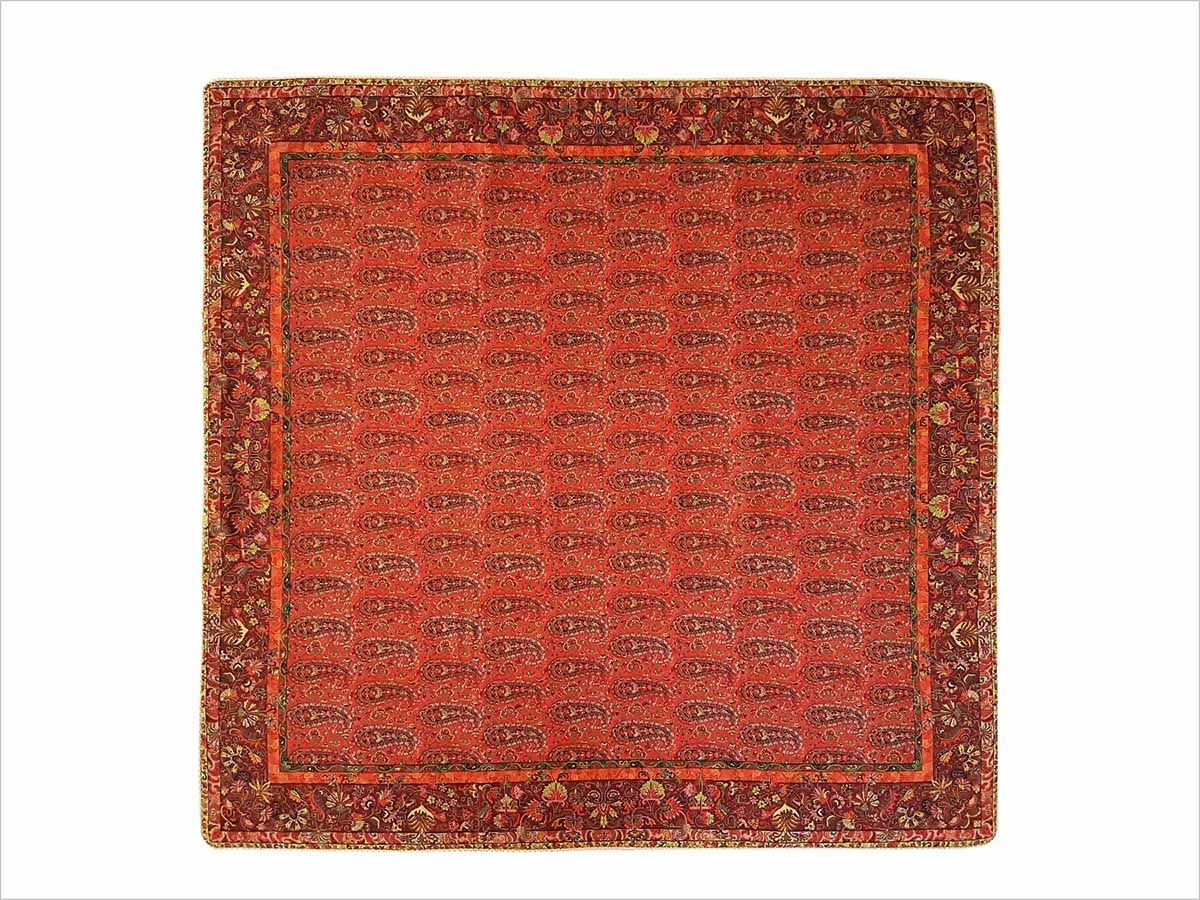
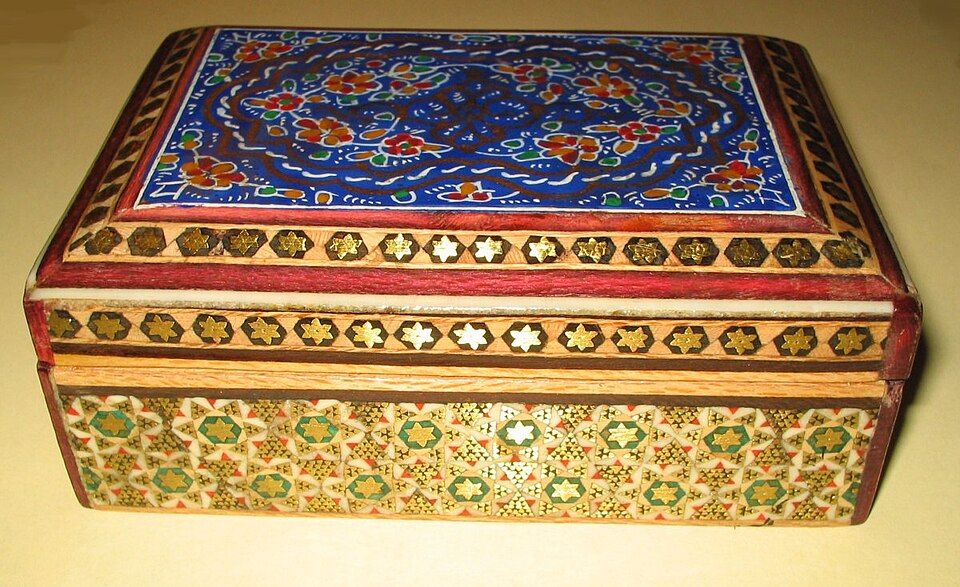
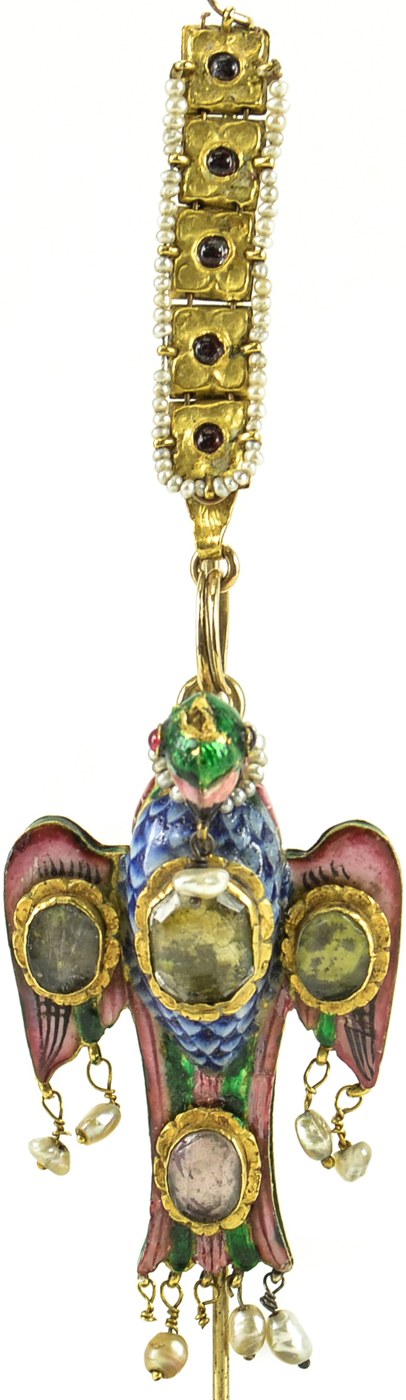
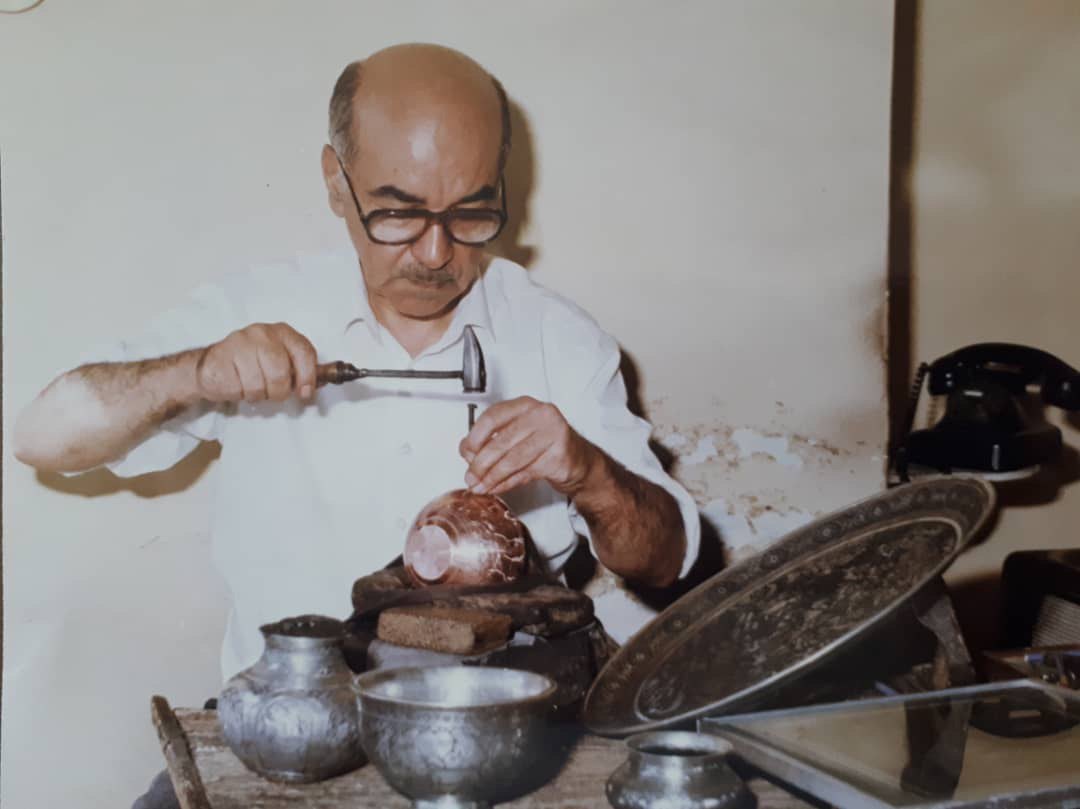
Representative photographs only. Marketplace examples rely on seller descriptions; CraftPersia has not independently authenticated their maker, origin, or rights status. Follow each source link for the listing context.
| Situation | What to ask or inspect | What not to assume |
|---|---|---|
| Visit arrangement | Production, demonstration or showroom? | All visits show normal production |
| Photograph | Consent and permitted publication | Entry permission covers reuse |
| Hazardous process | Safe observation position | Closer means better access |
| Purchase | Actual piece and maker evidence | A demonstration proves every stock item |
References and further reading
- [1] H. E. Wulff, The Traditional Crafts of Persia (1966)Historical background, not a live directory or authentication of individual objects.
These sources provide context, not authentication or provenance for an individual object. Editorial interpretations remain under review.