
Beginner guide · 11 min
Persian rug vs oriental rug: what's the difference?
Editorial team · updated 2026-10-03
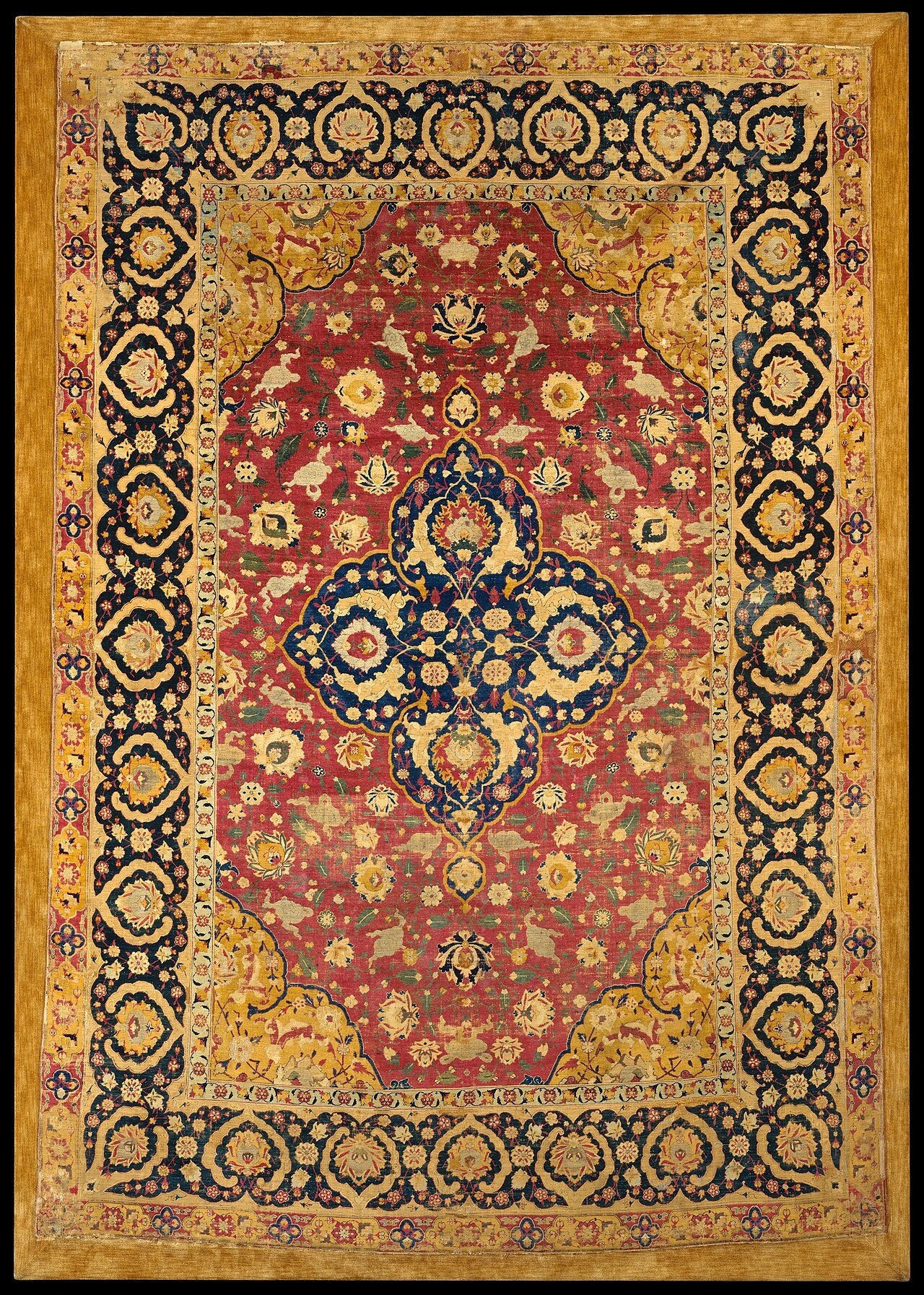
accessed 2026-09-30 · The Metropolitan Museum of Art · CC0 (Met Open Access / Wikimedia Commons) · Photo source ↗
- Type
- Beginner guide
- Reading
- 11 min
- Chapters
- 9
- Photos
- 6
'Oriental rug' covers handmade rugs from across Asia; a Persian rug is specifically one woven in Iran.
Definitions
Oriental rug is a broad trade term for handmade rugs from Iran, Turkey, the Caucasus, Central Asia, India, Pakistan, China and beyond. A Persian rug is one made in Iran.
Persian-style
Many rugs are woven elsewhere in Persian designs. They can be good rugs, but they are not Persian rugs.
Terms
‘Oriental rug’ is a broad trade term covering hand-knotted rugs from many countries, including Iran, Turkey, the Caucasus, Central Asia, India and China. A Persian rug is specifically made in Iran.
Avoiding confusion
Retailers sometimes use ‘Persian design’ for rugs made elsewhere. CraftPersia lists only work made in Iran or by Iranian makers; ask sellers for explicit country of origin.
Why the label matters
The label affects value and authenticity. A buyer who wants a Persian rug should check the country of manufacture, not just the design name, because Kashan-, Tabriz- or Heriz-design rugs are woven in many countries.
A note on this guide
This guide is general information from the CraftPersia editorial team and has not been reviewed by a specialist. Prices, workshop locations and practices change; check current details before travelling or buying.
Crafts covered in this guide
Persian carpet (فرش ایرانی) — A hand-knotted pile textile woven across Iran in city workshops, village looms and pastoral camps, distinguished by regional structure, palette and design vocabulary.
Materials, techniques and centres
Persian carpet is recorded in the archive with wool, silk, cotton and natural dyes as principal materials, and knotted pile weaving as the technique. Associated centres include Tabriz, Isfahan, Kashan, Kerman, Qom and Shiraz; a place name on its own does not establish where an individual object was made.
Collecting and next steps
When applying this guide to a specific object, work from what can be observed: structure, materials, tool marks, repairs and documentation. Ask the seller or maker for written statements about who made the piece, where, from what materials, and what has been repaired or replaced.
The steps here are educational; identification, conservation and valuation of an individual object require appropriate independent expertise.
Related photographs and screened examples
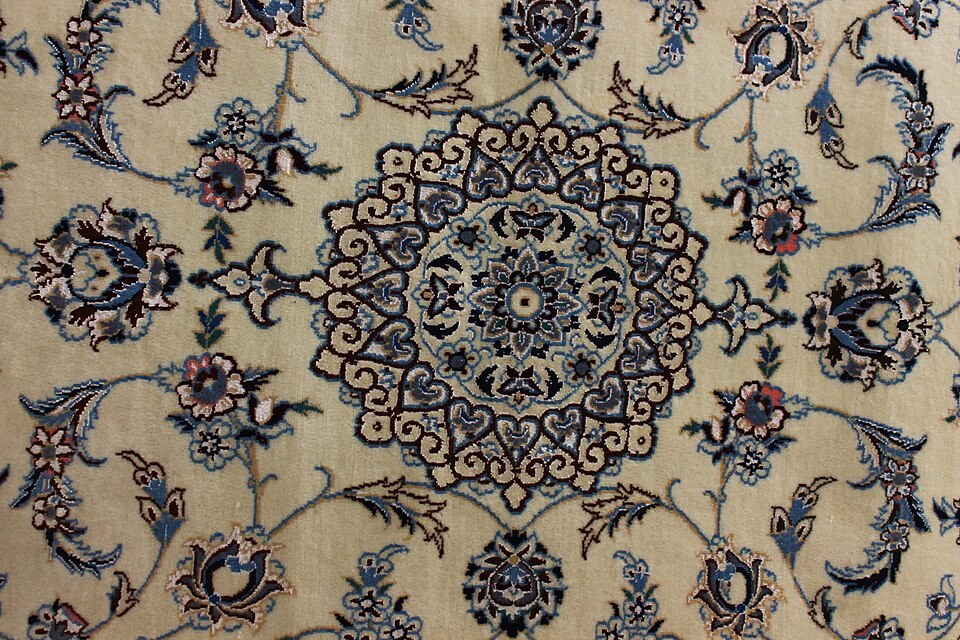
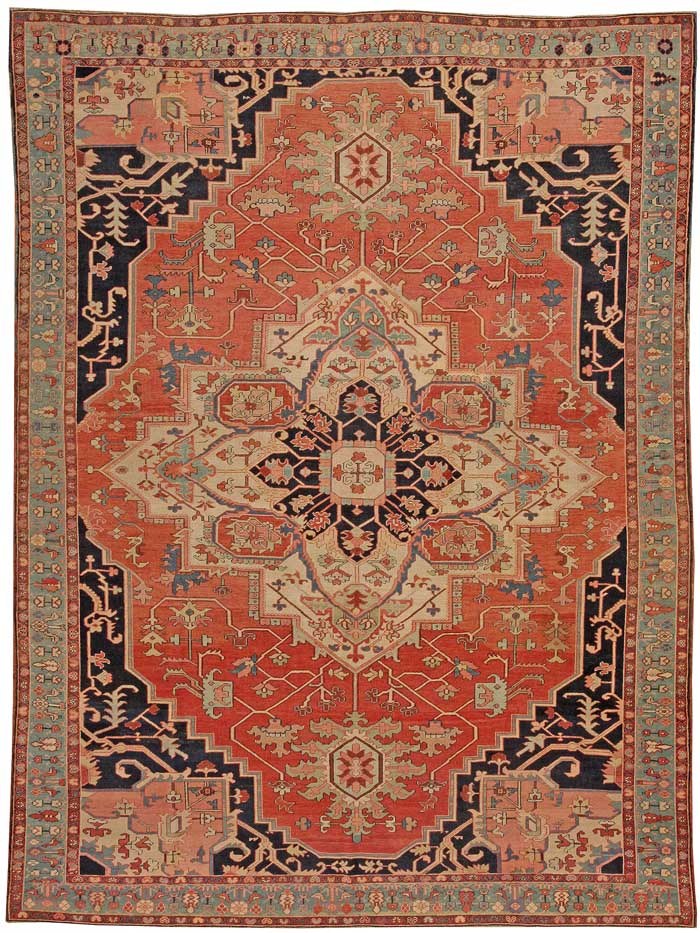
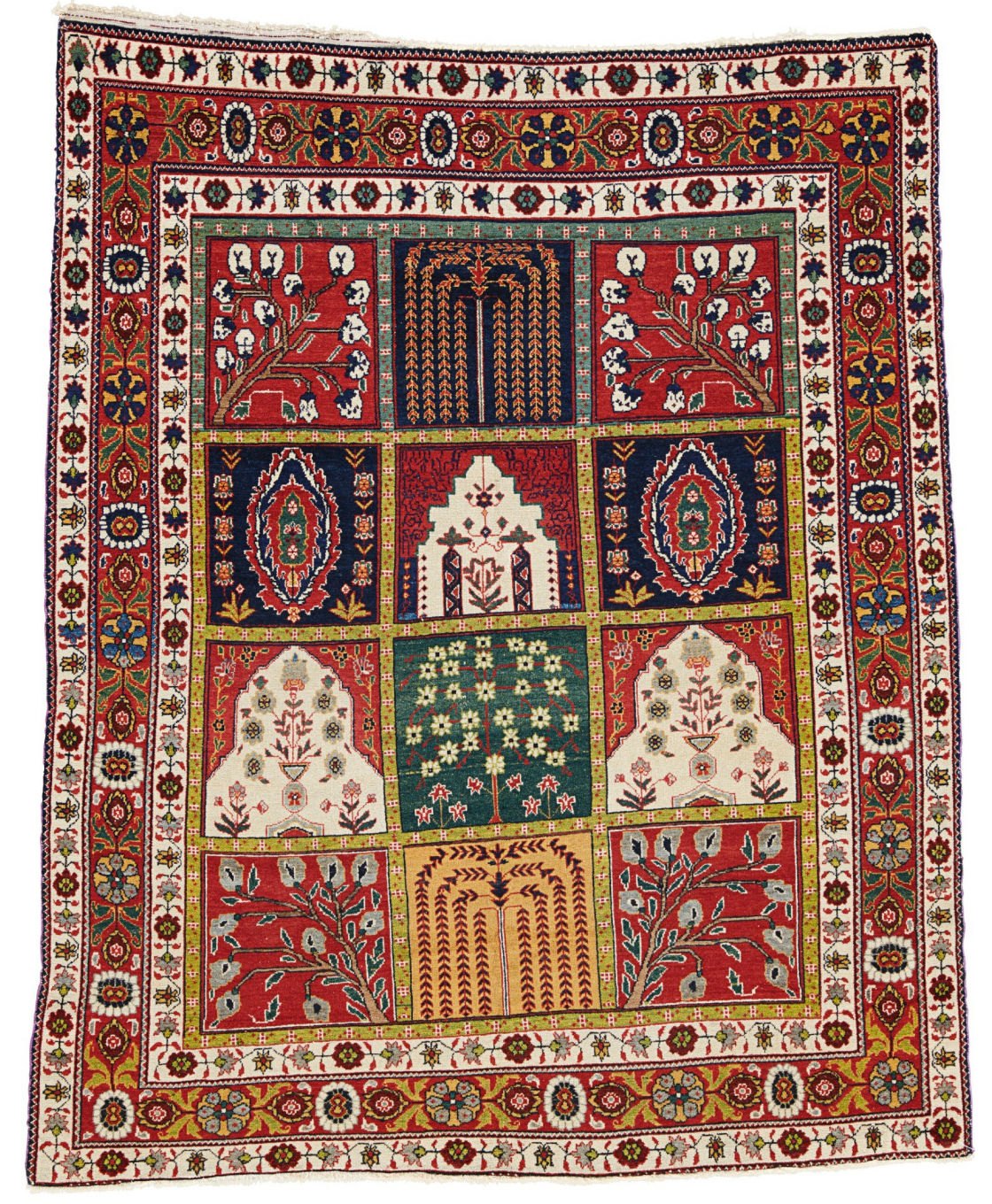

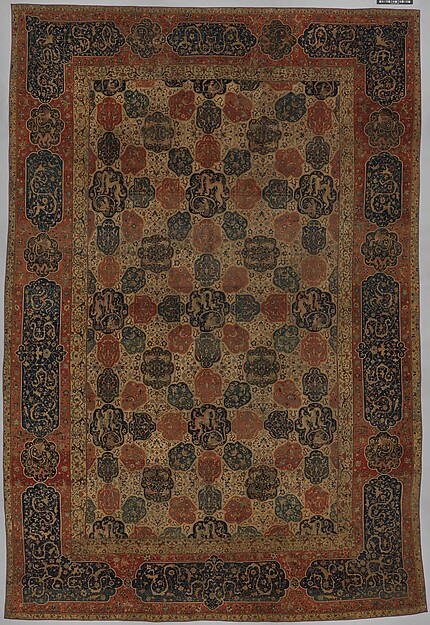
Representative photographs only. Marketplace examples rely on seller descriptions; CraftPersia has not independently authenticated their maker, origin, or rights status. Follow each source link for the listing context.
References and further reading
- [1] H. E. Wulff, The Traditional Crafts of Persia, MIT Press, 1966.General historical craft reference, not evidence for a particular object.
These sources provide context, not authentication or provenance for an individual object. Editorial interpretations remain under review.