
Buying guide · 10 min
How to ship a handmade rug safely
Editorial team · updated 2026-10-03
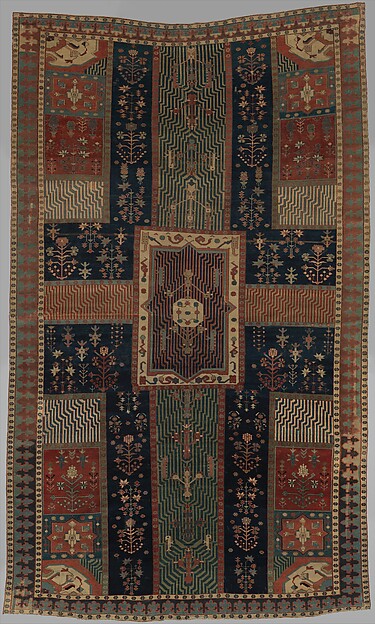
second half 18th century · accession 22.100.128 · The Metropolitan Museum of Art · CC0 (Met Open Access) · Photo source ↗
- Type
- Buying guide
- Reading
- 10 min
- Chapters
- 8
- Photos
- 6
Roll a rug pile-in around a tube, wrap it in breathable cloth then plastic, and insure it at a documented value.
Steps
- Vacuum and make sure it is fully dry
- Roll pile-in along the length, not folded
- Wrap in cotton sheet, then polythene
- Label with dimensions and declared value
- Keep photos of condition before dispatch
Customs
Declare origin honestly. Some countries restrict goods of Iranian origin; check current rules before buying.
Preparing the rug
Vacuum gently, make sure the rug is completely dry, and roll it pile-in around a tube rather than folding, which can crack the foundation. Wrap in breathable cotton or paper first, then a waterproof outer layer.
- Never seal a damp rug in plastic
- Label the roll with ‘this way up’ only if needed
- Photograph the rug before shipping
Customs and insurance
Declare the rug's value accurately and keep the invoice. Import rules and sanctions affect Iranian goods in some countries, so check current regulations. Insure the shipment for its replacement value.
A note on this guide
This guide is general information from the CraftPersia editorial team and has not been reviewed by a specialist. Prices, workshop locations and practices change; check current details before travelling or buying.
- Golden rule
- Roll, never fold
- Wrap
- Clean, dry; breathable inner layer, waterproof outer
Prepare the rug
Vacuum both sides and make sure the rug is completely dry; trapped moisture causes mould in transit. Photograph front and back for an insurance record.
Rolling and packing
Roll the rug pile-out along its length, ideally around a cardboard tube. Wrap in clean cotton sheet or acid-free paper, then a waterproof outer layer. Tape the outer wrap, never the rug.
- Roll along the warp
- Inner breathable layer
- Outer waterproof layer
- Label with dimensions and 'Do not fold'
Customs and insurance
Declare the rug accurately, including origin and value. Some countries have rules on importing Iranian goods; check before shipping. Insure for the documented value and keep appraisal copies.
Related photographs and screened examples

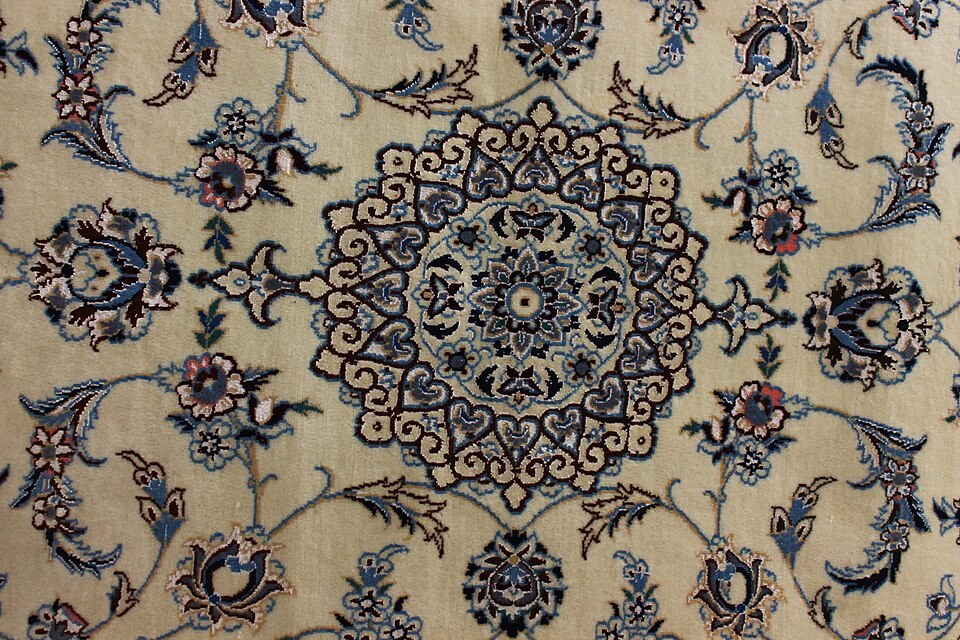
Representative photographs only. Marketplace examples rely on seller descriptions; CraftPersia has not independently authenticated their maker, origin, or rights status. Follow each source link for the listing context.
| Item | Use | Avoid |
|---|---|---|
| Cardboard tube | Core for rolling | Folding |
| Cotton sheet / acid-free paper | Inner wrap | Direct plastic on rug for long periods |
| Polythene | Outer weatherproof | Sealing a damp rug |
References and further reading
These sources provide context, not authentication or provenance for an individual object. Editorial interpretations remain under review.