Beginner guide · 6 min
Persian and Turkish knots explained
Editorial team · updated 2026-09-29
Two main knots
The asymmetric knot (often called Persian or Senneh) wraps one warp fully and passes under the next. The symmetric knot (often called Turkish or Ghiordes) wraps both warps, with the ends rising between them.
Both are used in Iran
Despite the names, many Iranian regions use the symmetric knot — for example much of north-west Iran, including Tabriz and Heriz workshops, and many Kurdish and Turkic weaving groups. Kashan, Isfahan and Nain work commonly uses the asymmetric knot.
Why the knot is only one clue
The knot type narrows the possibilities but does not identify an origin by itself. It is read together with the foundation, the dyes, the design and the finishing.
Related photographs
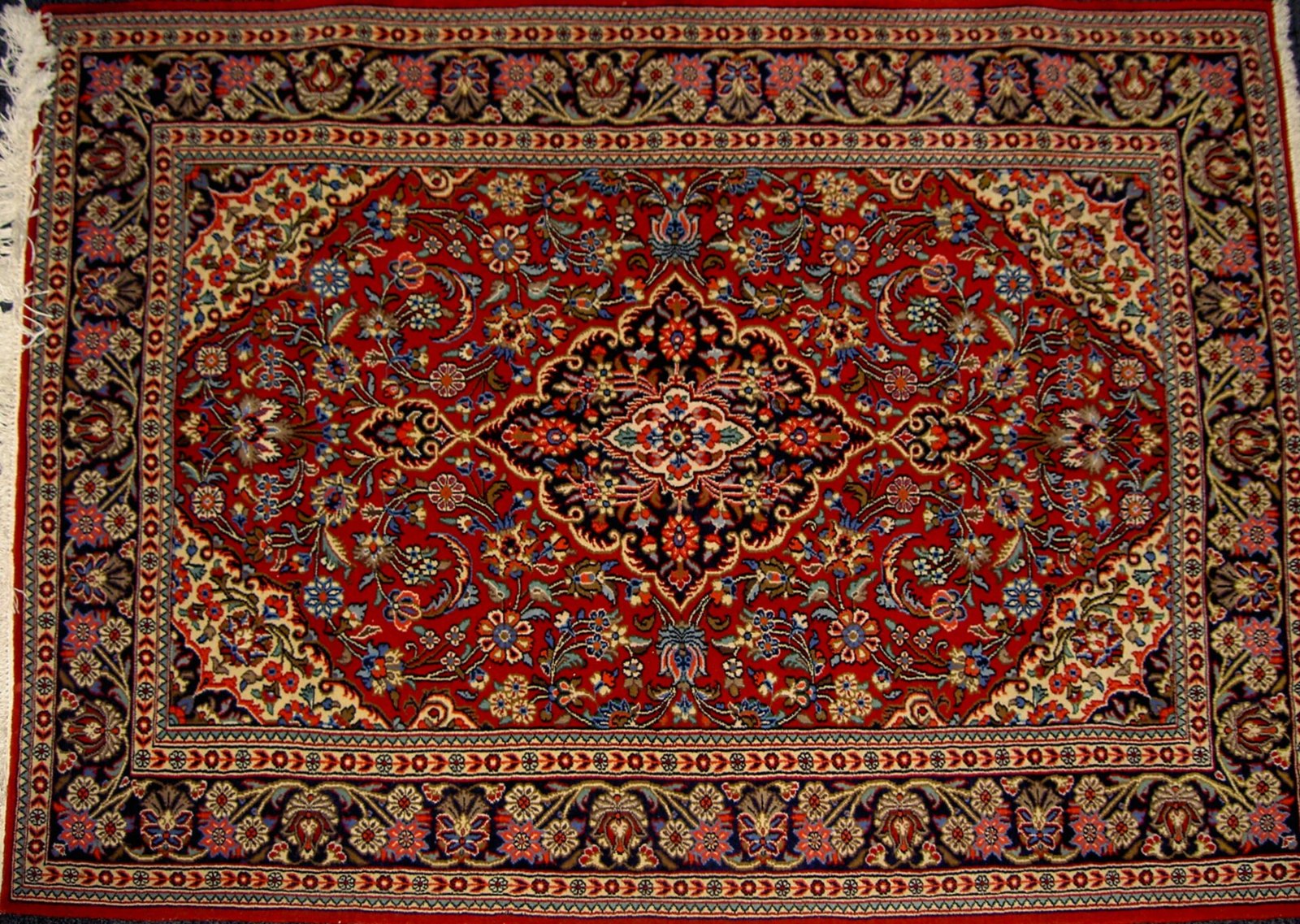
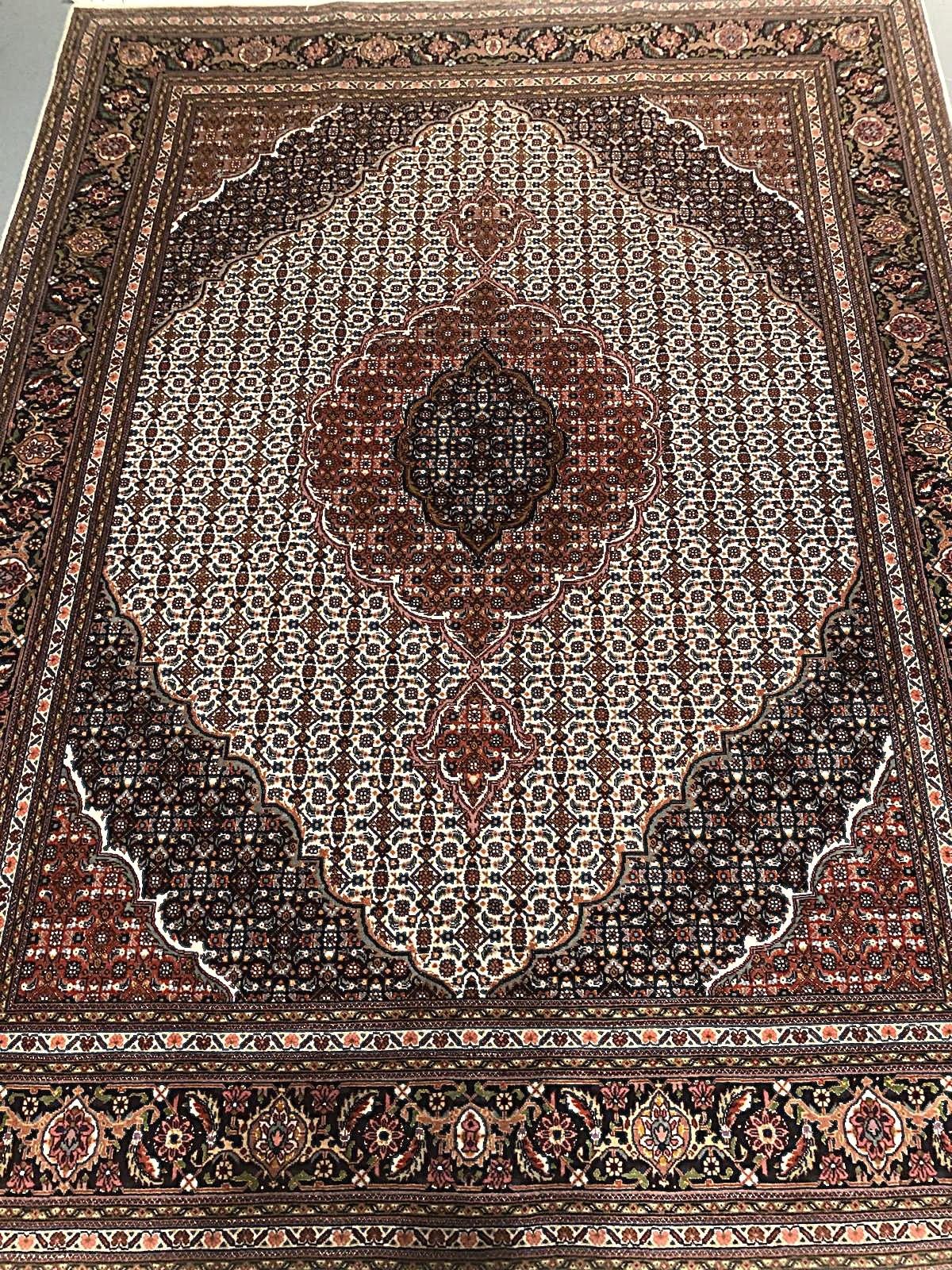
Representative photographs, not of any specific catalogued object. Sources on the credits page.