
Beginner guide · 13 min
Abru: paper marbling
Editorial team · updated 2026-09-29
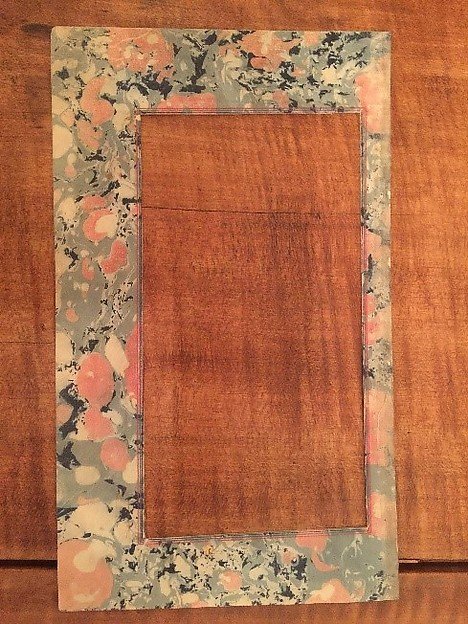
Accessed 15 October 2026. Catalogue: Ink and pigments on marbled paper. Historical museum object illustrating the technique, not a modern product · The Metropolitan Museum of Art · CC0 (Met Open Access; resized and re-encoded) · Photo source ↗
- Type
- Beginner guide
- Reading
- 13 min
- Chapters
- 11
- Photos
- 2
Floating colours on thickened water and transferring them to paper.
Process
Pigments are dropped onto a size bath, combed into patterns and lifted onto paper.
Uses
Book endpapers, calligraphy margins and art pieces.
Each sheet unique
Hand marbling cannot be exactly repeated.
Abru or abr-o-bad
Marbled paper, called abr-o-bad or abru, was used in Persian and Ottoman book arts for margins, endpapers and calligraphy mounts. Colours float on a thickened bath and are combed or dropped into patterns before a sheet of paper lifts the design.
Common patterns
- Stone (battal): random spots of colour
- Combed patterns: regular wave or feather effects
- Flower designs: small motifs pulled into the colours with a stylus
Buying
Each hand-marbled sheet is unique. Printed imitations show a dot screen under a magnifier. Ask whether the paper and pigments are archival if you plan to frame the sheet.
Size and colours
The bath is thickened with plant gums or seaweed extracts. Colours are mixed with ox gall so they spread on the surface. The marbler drops colours with brushes, then pulls them with a stylus or comb before laying paper on top.
A note on this guide
This is a general introduction written by the CraftPersia editorial team. It has not yet been reviewed by a specialist. Practice varies between workshops; confirm details with makers or museums, and treat any dates as approximate.
Crafts covered in this guide
Paper marbling (Abr-o-bad) (ابر و باد) — A decorative paper technique in which pigments are floated and manipulated on a thickened liquid bath and then transferred to a sheet of paper by careful contact, producing swirling, veined patterns historically used for manuscript covers, borders and endpapers.
Materials, techniques and centres
Paper marbling (Abr-o-bad) is recorded in the archive with paper as principal materials, and paper marbling as the technique. Associated centres include Isfahan and Tabriz; a place name on its own does not establish where an individual object was made.
Collecting and next steps
When applying this guide to a specific object, work from what can be observed: structure, materials, tool marks, repairs and documentation. Ask the seller or maker for written statements about who made the piece, where, from what materials, and what has been repaired or replaced.
The steps here are educational; identification, conservation and valuation of an individual object require appropriate independent expertise.
Related photographs and screened examples
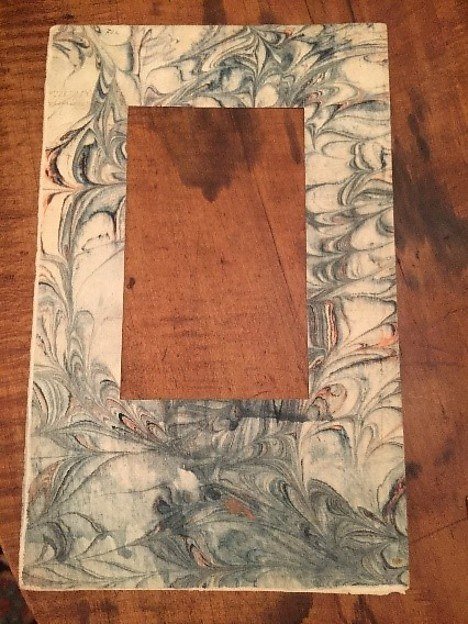
Representative photographs only. Marketplace examples rely on seller descriptions; CraftPersia has not independently authenticated their maker, origin, or rights status. Follow each source link for the listing context.
References and further reading
- [1] H. E. Wulff, The Traditional Crafts of Persia, MIT Press, 1966.General historical craft reference, not evidence for a particular object.
These sources provide context, not authentication or provenance for an individual object. Editorial interpretations remain under review.