
Collector guide · 11 min
Selling a Persian rug: appraisal, auction and dealer options
Editorial team · updated 2026-09-29
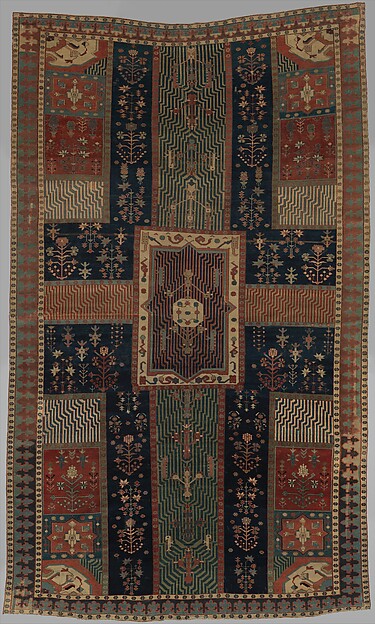
second half 18th century · accession 22.100.128 · The Metropolitan Museum of Art · CC0 (Met Open Access) · Photo source ↗
- Type
- Collector guide
- Reading
- 11 min
- Chapters
- 10
- Photos
- 6
To sell a Persian rug, first get it identified and appraised, then choose between a specialist dealer, an auction house, consignment or a private sale.
The short answer
Start by finding out what you have: type, age, materials and condition. An independent appraisal helps. Then choose a route — a specialist rug dealer, an auction house with a rug department, consignment through a shop, or a private sale online.
Your options
- Specialist dealer: quick, but dealers need a margin
- Auction house: good for antique or rare rugs; fees and no guaranteed price
- Consignment: delayed and uncertain sale, under written terms
- Private sale online: most control, but you handle photos, buyers and shipping
Prepare the rug
Measure it accurately and take clear photos of the front, accessible back, fringe, edges and damage. Discuss condition before treatment; cleaning is not a compulsory preparation for sale.
Paperwork
Keep any receipts, certificates or family history. Provenance can matter for older pieces.
Avoid
Be careful with buyers who offer instant cash at your door, and with 'free valuation' offers from the buyer themselves.
Options
- Specialist auction houses
- Rug dealers (expect a trade price)
- Consignment shops
- Online platforms (photograph the back and the details)
- Before listing
- Identification, condition photographs and dimensions
- Compare offers
- Net proceeds, obligations and timing
- No guarantee
- Estimates and consignment are not completed sales
Prepare the record before the sales pitch
Make a clear inventory description with actual dimensions, construction observations and qualified origin and age claims. Photograph front, accessible reverse, sides, ends and damage without digitally removing losses or changing colours.
Keep receipts and earlier reports, but disclose uncertainty and known treatment. Do not have an old or fragile rug washed simply to improve sale presentation; ask whether supported handling or conservation advice is needed first.
- Use current photographs of the exact item
- Disclose restoration and missing ends
- Keep attribution qualified
- Retain the listing and correspondence
Match the channel to the object and your needs
A dealer purchase offers a negotiated immediate price; an auction provides a sale process with uncertain bidding; consignment involves a later sale under contract; a private listing makes you responsible for buyer questions and fulfilment. None is always the most profitable option.
Seek written terms for minimum acceptable price, exclusivity, storage, marketing, insurance and unsold return. A pre-sale estimate is not a guarantee, and a buying offer should not be presented as an independent appraisal.
Compare actual proceeds, not headline estimates
For each proposal, list sale proceeds, every applicable charge and the payment date. Ask which fees apply if the object remains unsold, is withdrawn or is returned. Use the contract’s actual figures instead of an assumed commission or standard resale percentage.
Clarify who pays packing and shipping, when responsibility transfers and what happens if a buyer fails to pay. Any tax or cultural-property obligations need advice appropriate to your location and transaction.
Plan the handover and preserve records
Agree documented payment and delivery arrangements before releasing the rug. Be alert to overpayments, requests to refund a third party and pressure to move outside a platform’s protections. A screenshot of payment is not necessarily settled funds.
Record condition at dispatch and obtain a receipt at collection. Retain the sales agreement, invoice, correspondence and transport record. Contextual photographs here do not represent available stock, a recommended buyer or a promised sale outcome.
Related photographs and screened examples

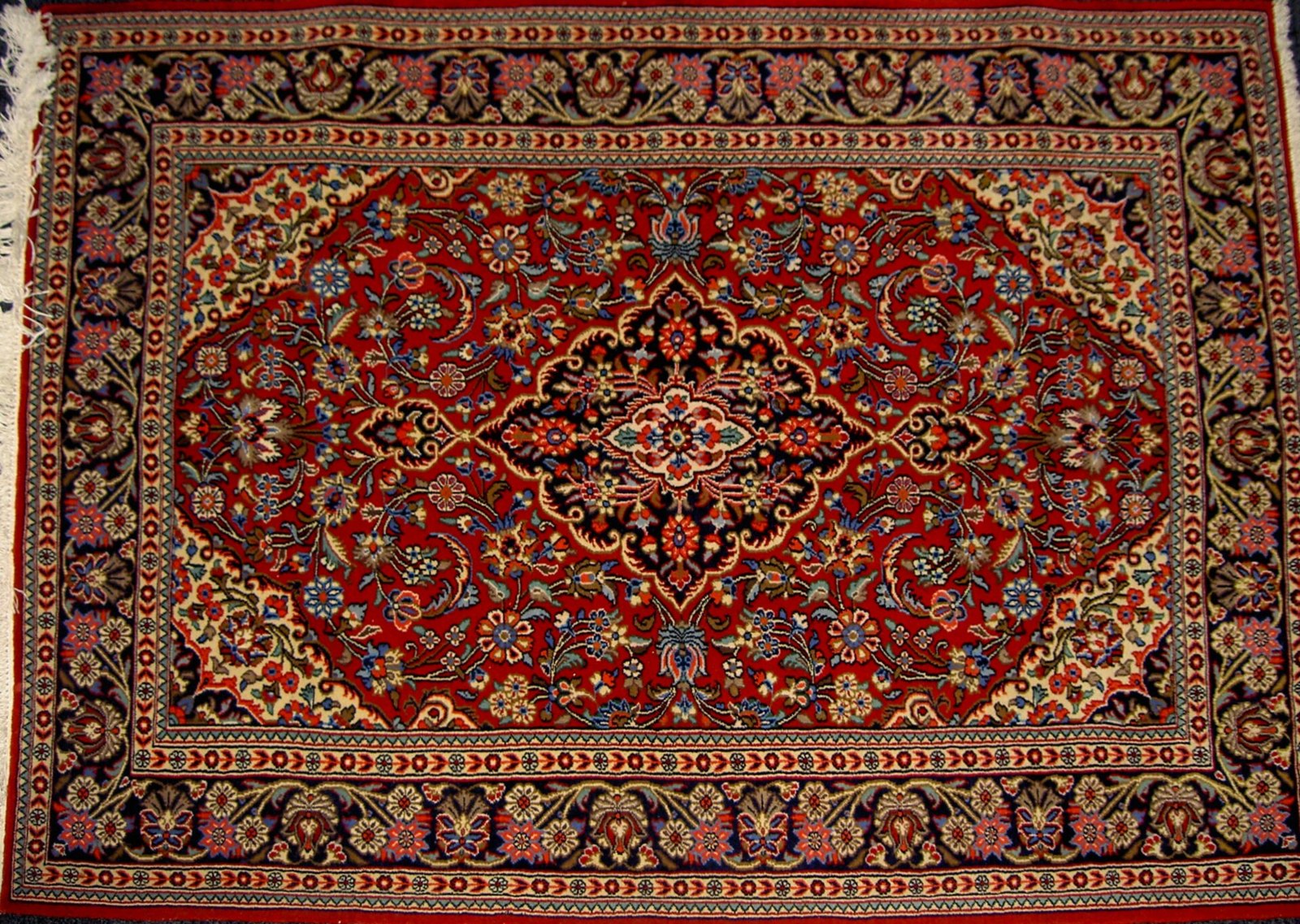
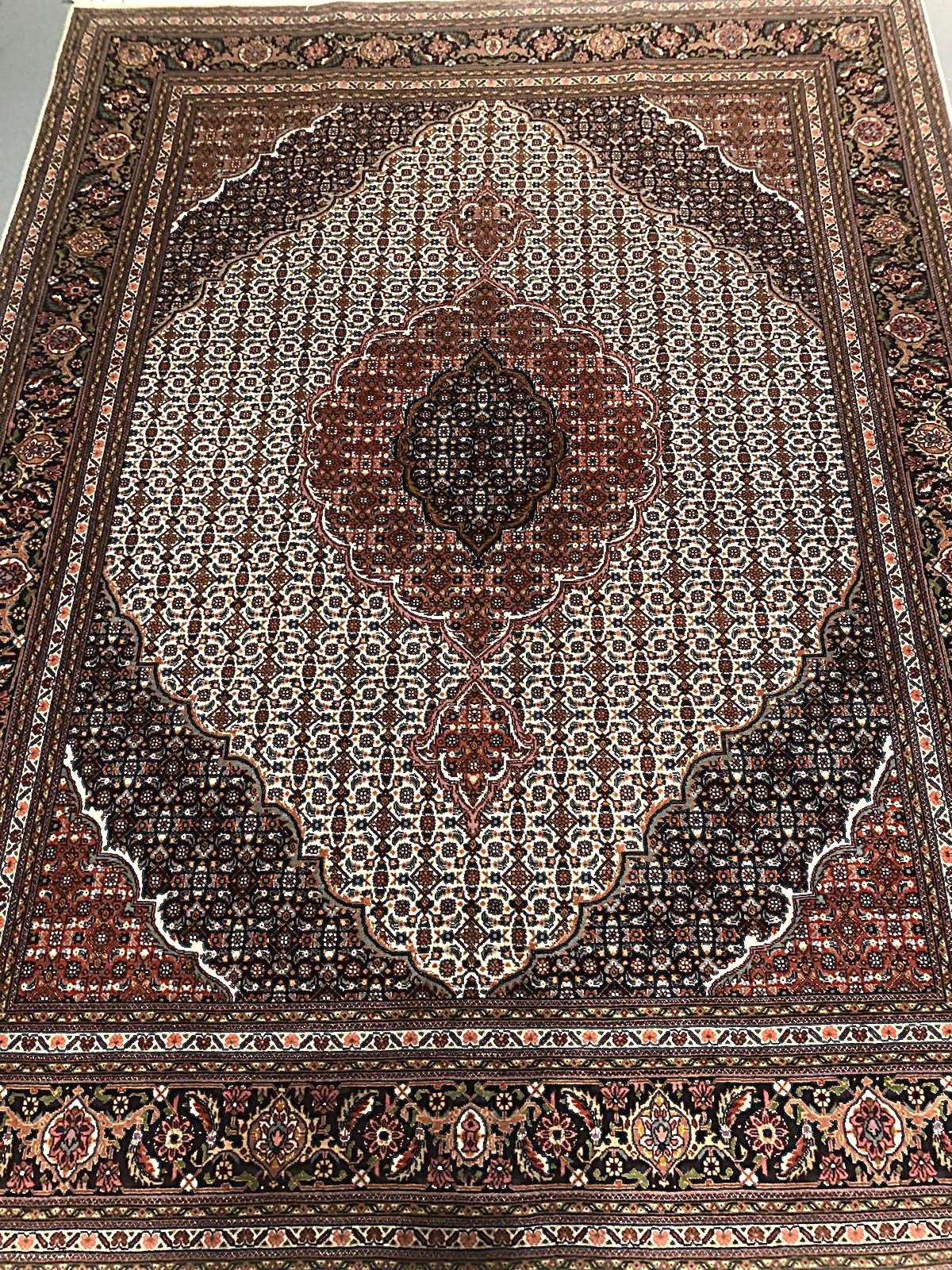
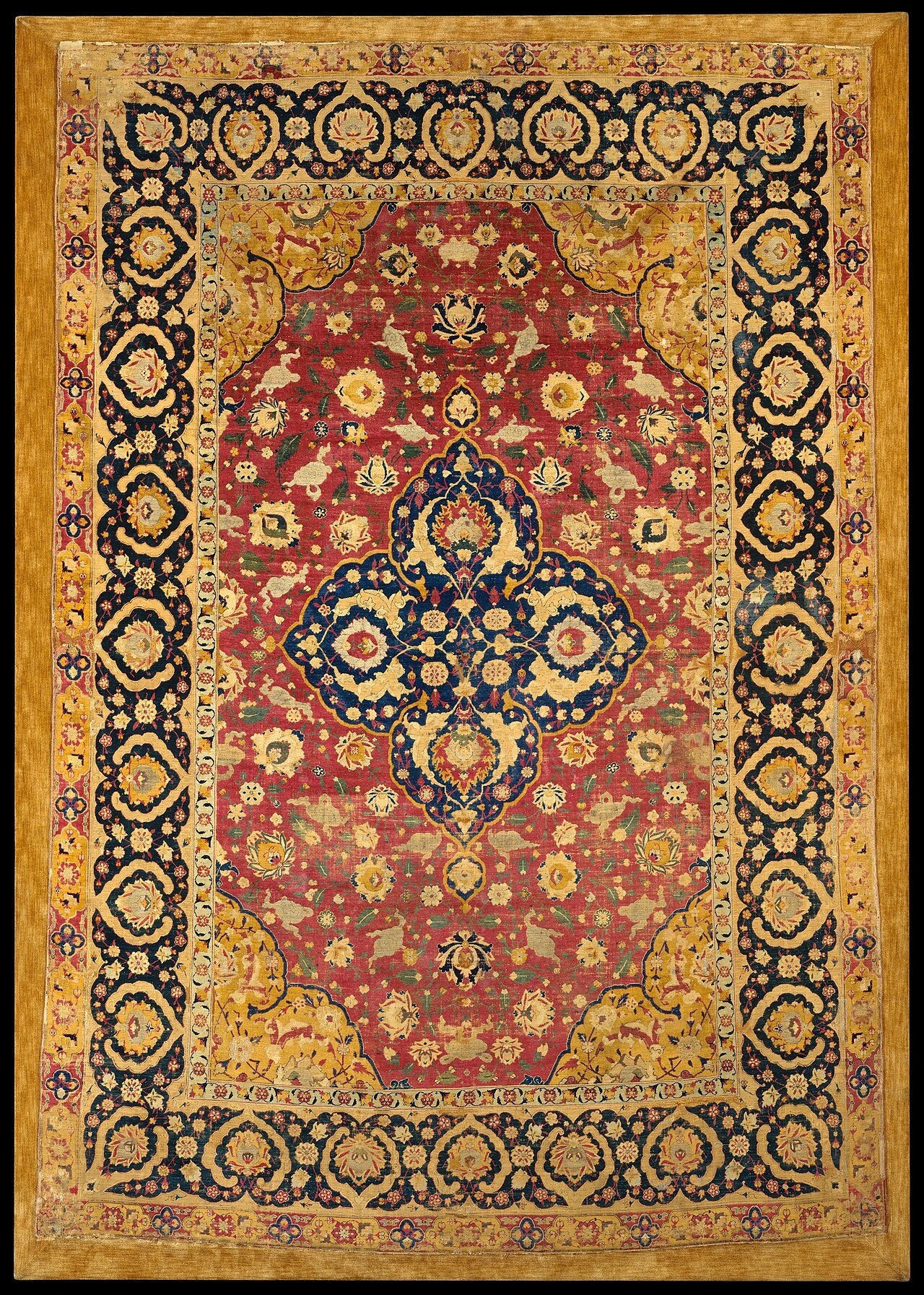
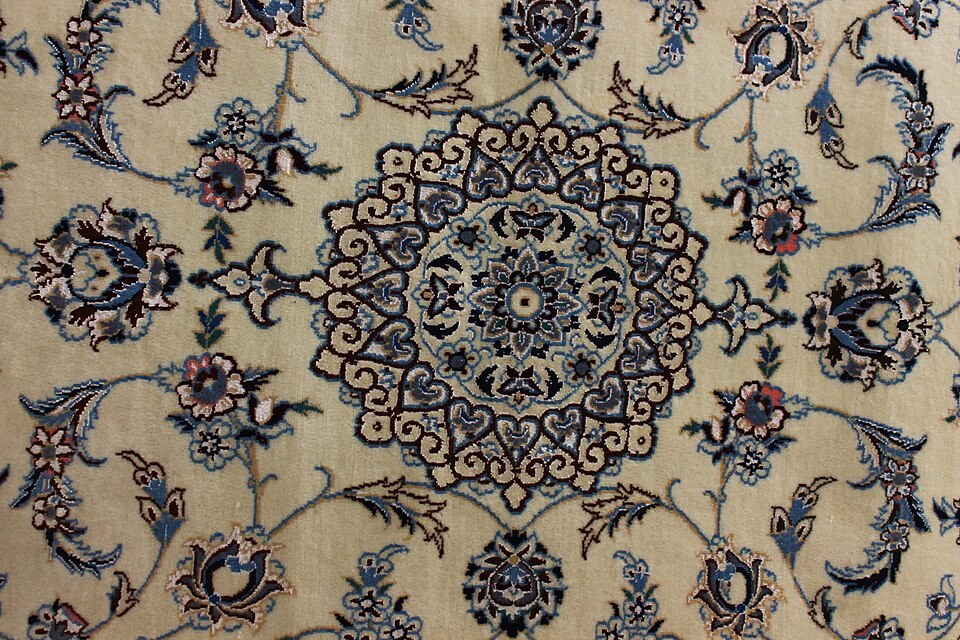
Representative photographs only. Marketplace examples rely on seller descriptions; CraftPersia has not independently authenticated their maker, origin, or rights status. Follow each source link for the listing context.
| Record or observation | What to do | What it cannot establish |
|---|---|---|
| Direct purchase | Written price, payment and collection terms | Independent appraisal from a buying offer |
| Auction | Reserve, commissions, unsold terms and insurance | Sale proceeds from an estimate |
| Consignment | Exclusivity, charges and payment timing | A completed sale from display |
| Private listing | Payment verification, returns and shipping | Safety from a buyer message |
References and further reading
- [1] Encyclopaedia Iranica — Carpets: overview and bibliography ↗Historical and technical context; not a valuation or authentication of the photographed objects.
- [2] The George Washington University Museum and The Textile Museum ↗Collection and textile-study resources; a photograph cannot substitute for structural examination.
- [3] HALI — Auction and rug-market reporting ↗Market context only; individual sale contracts control charges and obligations.
These sources provide context, not authentication or provenance for an individual object. Editorial interpretations remain under review.