
Preservation · 11 min
Caring for paper: miniatures and calligraphy
Editorial team · updated 2026-09-29

1304 AH · Abdorrahim Afsar Esfahani · Public domain · Photo source ↗
- Type
- Preservation
- Reading
- 11 min
- Chapters
- 10
- Photos
- 3
Framing, light and storage for painted and written works on paper.
Framing
Use compatible supports and keep the work clear of glazing; significant or fragile works need a paper conservator’s mounting assessment. UV filtering does not eliminate visible-light damage.
Light and humidity
Pigments and paper fade and yellow. Hang away from windows and bathrooms.
Storage
Choose compatible flat enclosures and move the work on a rigid support. Where direct handling is appropriate, minimise contact at undecorated edges; do not directly handle flaking paint or brittle paper without specialist advice.
Light, humidity and framing
Paper and pigments fade in light, and paper cockles and grows mould in damp air. Keep works away from direct sun and radiators, ideally at stable, moderate humidity.
- Use acid-free mounts and UV-filtering glazing
- Never let the paint touch the glass; use a mount or spacer
- Avoid tape on the front or back of the work
- Rotate works on display, resting them in the dark
When to call a conservator
If you see flaking paint, foxing (brown spots), mould or tears, do not try to repair them yourself. A paper conservator can stabilise the work. Keep the sheet flat and protected until then.
A note on this guide
This is a general introduction written by the CraftPersia editorial team. It has not yet been reviewed by a specialist. Confirm details with makers, conservators or museums, and treat any dates as approximate.
- Scope
- Paint, ink, paper, mounts and repairs together
- Priority
- Support, light control and stable storage
- Treatment
- No home cleaning, flattening or retouching
Assess the whole assembly before changing a frame
A miniature or calligraphic sheet may be part of an album page, a manuscript leaf or a later mount. Border decoration, backing papers and inscriptions can belong to different stages of its history. Removing a backing or separating layers can lose evidence as well as damage the work. A frame should not be opened repeatedly simply to obtain a better photograph.
Ask a paper conservator to assess weak edges, brittle paper, flaking paint and old adhesives before remounting significant work. Keep the original frame and labels documented even if a new protective enclosure is advised. Do not trim a sheet to fit a ready-made frame or remove a historic border to centre the image.
Filtered glazing does not make permanent display harmless
Light can fade colourants and alter paper; filtering ultraviolet radiation does not eliminate damage from visible light. Direct sun is particularly unsuitable. Reducing exposure and considering periods in dark storage are practical priorities, but no fixed rotation schedule guarantees preservation for every pigment and paper.
A frame needs space between the work and glazing, compatible mounts and secure support. The word acid-free alone does not describe every aspect of a mounting material; some sensitive media need specific choices. Avoid placing frames near damp walls, kitchens or bathrooms, and have the frame assessed if condensation or surface change appears.
Move a supported sheet rather than carry it by the corners
Use a clean, clear work area and a rigid support large enough for the object. Where direct contact is appropriate, clean dry hands and minimal contact with undecorated edges may be preferable to loose gloves that catch or reduce control. Flaking pigments and brittle sheets should not be directly handled without specialist guidance.
An enclosure should fit without forcing the sheet, and storage must protect against abrasion and pressure from neighbouring objects. Do not stack heavy frames on an unframed work. Photograph existing tears, folds and stains without smoothing them out; pressing or humidifying a sheet can affect ink, paint and adhesives.
- Keep painted surfaces untouched
- Move with a rigid support
- Do not trim or detach album layers
- Stop when paint or paper is unstable
Stains and detached fragments need a record, not a quick repair
Do not erase, wash, bleach or retouch an unknown paper work. A stain may relate to material deterioration, previous treatment or exposure, and appearance alone does not identify a safe removal method. Household tape and glue introduce further risks. Preserve detached fragments separately with a label and photograph their former location.
Active damp, suspected mould or insect damage calls for professional advice and safe handling precautions. Do not brush mould indoors or seal a damp work tightly in plastic. Keep the condition history and any treatment report with the object. Related manuscript photographs on this page illustrate catalogued examples, not conservation demonstrations.
Related photographs and screened examples
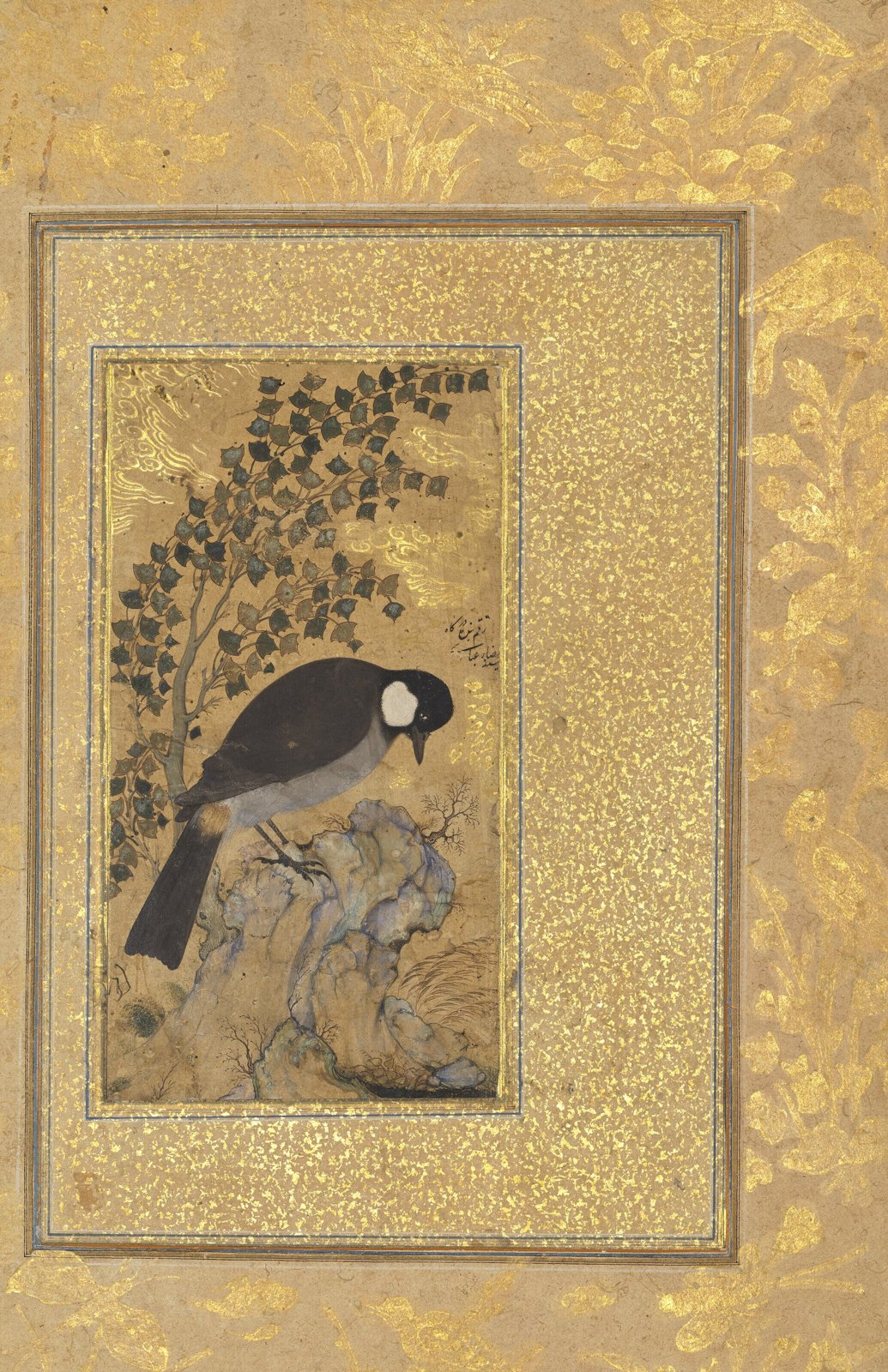
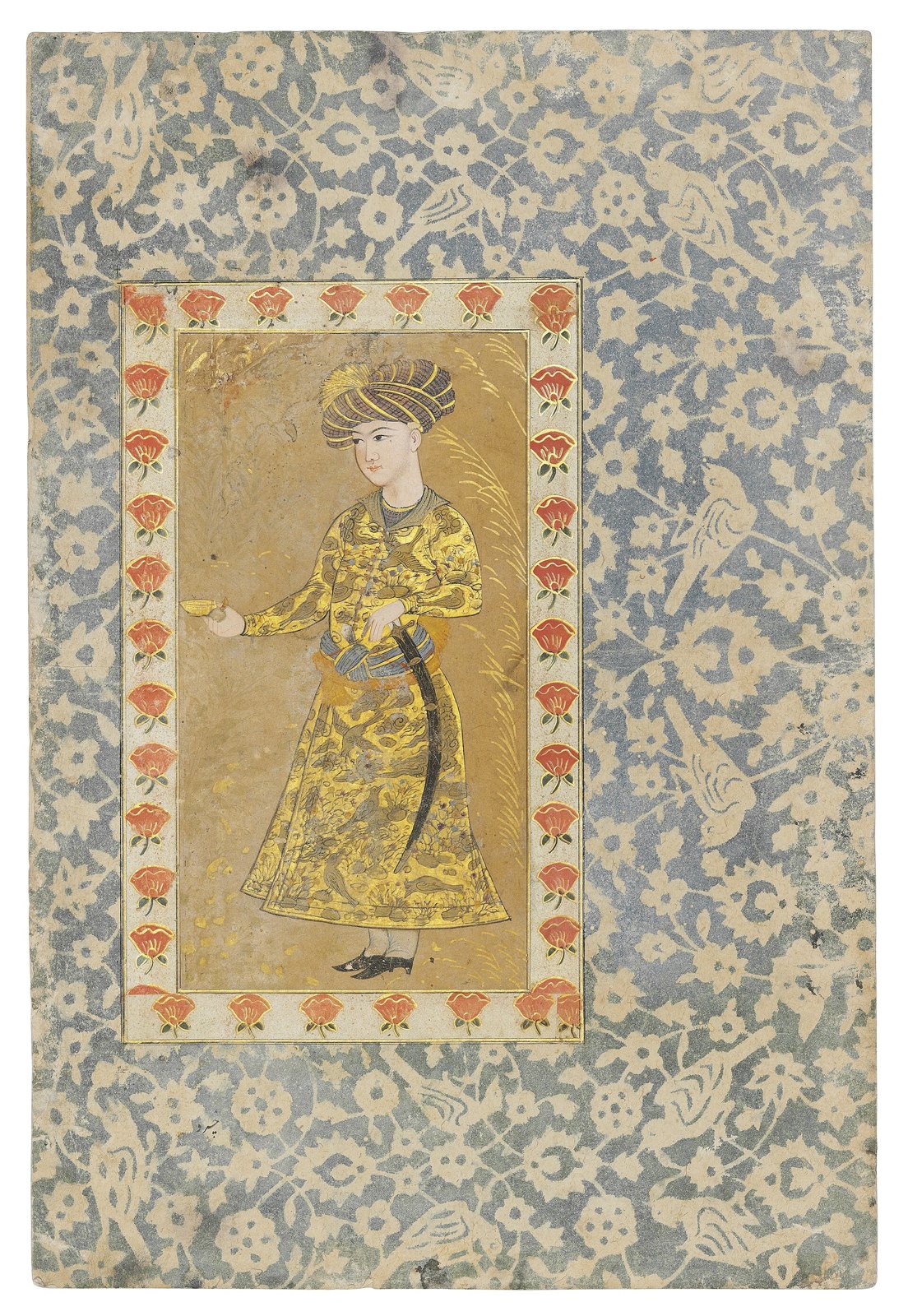
Representative photographs only. Marketplace examples rely on seller descriptions; CraftPersia has not independently authenticated their maker, origin, or rights status. Follow each source link for the listing context.
| Question or feature | Useful evidence | Limit |
|---|---|---|
| UV-filtering glazing | Mount design and exposure plan | Visible light can still cause damage |
| Album backing | Documented assembly history | Do not detach as a routine step |
| Stain or tear | Condition record and conservator assessment | No universal home remedy |
References and further reading
- [1] Canadian Conservation Institute — Caring for paper objects ↗Preventive care of collections; not a home restoration procedure.
These sources provide context, not authentication or provenance for an individual object. Editorial interpretations remain under review.