
Collector guide · 11 min
Getting a Persian rug appraised: what an appraiser checks
Editorial team · updated 2026-09-29
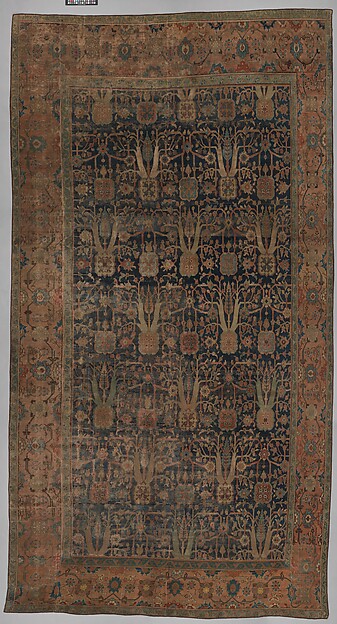
probably late 17th–early 18th century · accession 14.40.710 · The Metropolitan Museum of Art · CC0 (Met Open Access) · Photo source ↗
- Type
- Collector guide
- Reading
- 11 min
- Chapters
- 10
- Photos
- 6
A Persian rug appraisal records type, origin, age, materials, condition and a value for a stated purpose such as insurance or sale.
The short answer
A rug appraiser examines the rug, identifies its type and origin, estimates its age, checks materials and condition, and gives a value for a specific purpose — insurance, sale, estate or donation. Different purposes can give different values.
What the appraiser checks
- Knot type and density on the back
- Foundation and pile fibres
- Dyes and colour quality
- Design and origin
- Age signs
- Wear, repairs, moth damage, stains, colour run
Choosing an appraiser
Choose someone independent who does not offer to buy the rug. Ask about their rug experience and professional memberships, and whether they give a written report.
What to bring
Any receipts, history and photos. For large rugs, ask about home visits or photo-based preliminary opinions.
Cost
Fees vary by region and purpose; ask in advance. A fee based on a percentage of value is a conflict of interest.
Choosing an appraiser
Choose an independent appraiser who does not offer to buy the rug, ideally one with recognised credentials. Ask what kind of value is being estimated: insurance, resale or donation.
- Start with
- Purpose, intended users and valuation date
- Report
- Object identification, evidence, assumptions and method
- Avoid
- An unexplained number or an undisclosed buying interest
Commission the right kind of opinion
Ask who will use the report and for what decision: insurance, an estate, a proposed sale or another purpose. The value definition, relevant market and effective date must be agreed before work begins. Requirements for tax or legal use depend on jurisdiction.
An insurance replacement assessment is not a prediction of auction proceeds. A dealer’s purchase offer is not the same service as an independent appraisal. A preliminary photo opinion should state what the appraiser has not examined.
Build an inspectable object record
Provide dimensions, accessible construction views, purchase records, previous reports and a dated condition history. Identify inscriptions, labels and repairs without assuming they prove the attribution. Ask how the examination will be conducted for a large or fragile carpet.
A report should distinguish observed features from reported history and specialist interpretation. Uncertain dyes, age, manufacture and restoration should remain qualified. Do not clean or repair the rug merely to prepare for appraisal without discussing whether treatment is warranted.
- Inventory identifier and current photographs
- Dimensions and construction observations
- Condition and known treatments
- Documents with dates and named sources
Ask how comparable evidence was selected
Comparable sales must be relevant to the stated value basis and date. Size, attribution, condition, market location and the treatment of fees can explain why apparently similar results differ. A public asking price records an offer, not necessarily a completed transaction.
Ask the appraiser to explain the limitations of the available evidence. A museum photograph documents a collection object, not a comparable sale. The illustrations on this page carry no price or appraisal implication.
Review independence and the finished report
Ask about relevant rug experience, professional standards, conflicts of interest, fee basis and any reliance on other specialists. Membership or certification should be checked, but it does not remove the need for relevant expertise and a clear scope.
Read the effective date, value definition, intended use, assumptions and restrictions. Discuss material errors and retain the signed report with photographs. Updating an appraisal is a separate decision; neither a universal review interval nor automatic annual appreciation is appropriate.
Related photographs and screened examples
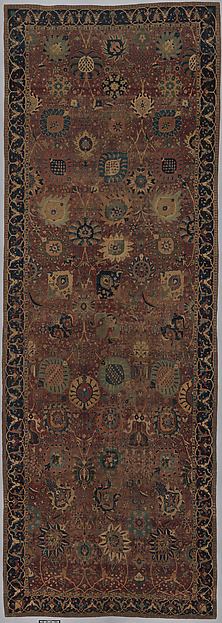

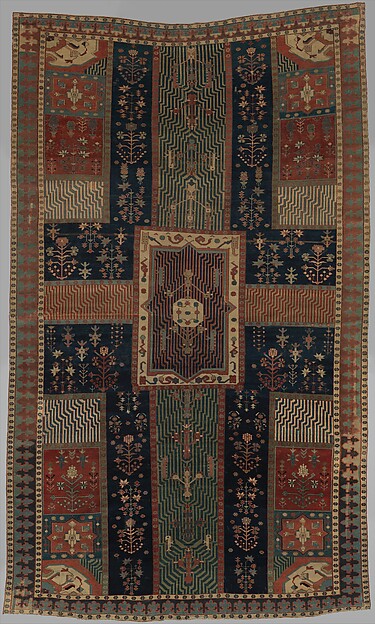

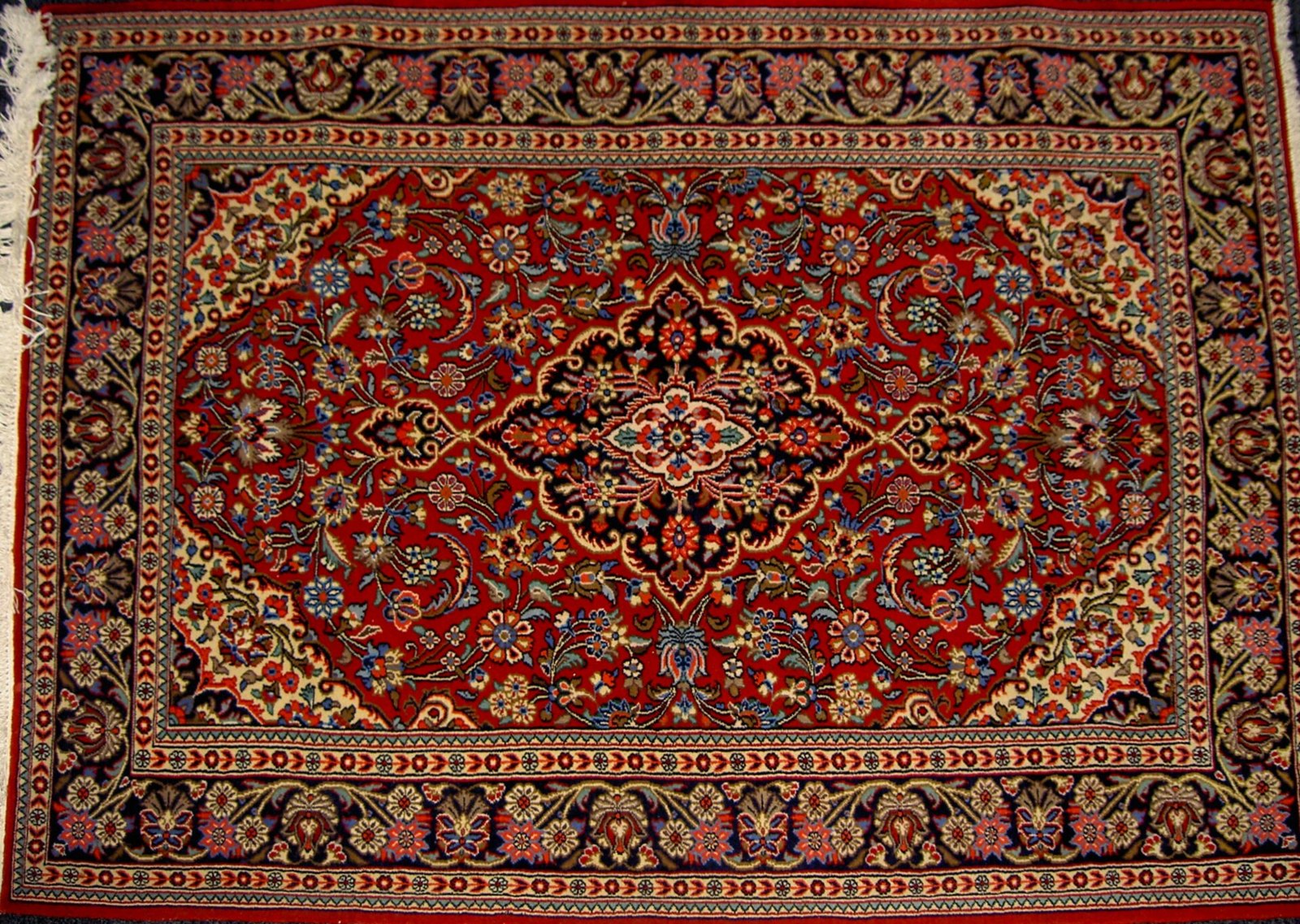
Representative photographs only. Marketplace examples rely on seller descriptions; CraftPersia has not independently authenticated their maker, origin, or rights status. Follow each source link for the listing context.
| Record or observation | What to do | What it cannot establish |
|---|---|---|
| Purpose and date | Confirm intended use and effective date | A value valid for every purpose |
| Identification | Separate observations from attribution | Certain age from appearance |
| Comparables | Review relevance and fee treatment | A transferable price from a similar image |
| Conflict and fee | Request written disclosure and fee basis | Independence from a free estimate |
References and further reading
- [1] Encyclopaedia Iranica — Carpets: overview and bibliography ↗Historical and technical context; not a valuation or authentication of the photographed objects.
- [2] The George Washington University Museum and The Textile Museum ↗Collection and textile-study resources; a photograph cannot substitute for structural examination.
- [3] American Society of Appraisers — Professional appraisal resources ↗Check applicable professional and jurisdictional requirements for the intended use.
These sources provide context, not authentication or provenance for an individual object. Editorial interpretations remain under review.