
Beginner guide · 11 min
Crafts of Tabriz: carpets, leather and metal
Editorial team · updated 2026-10-03
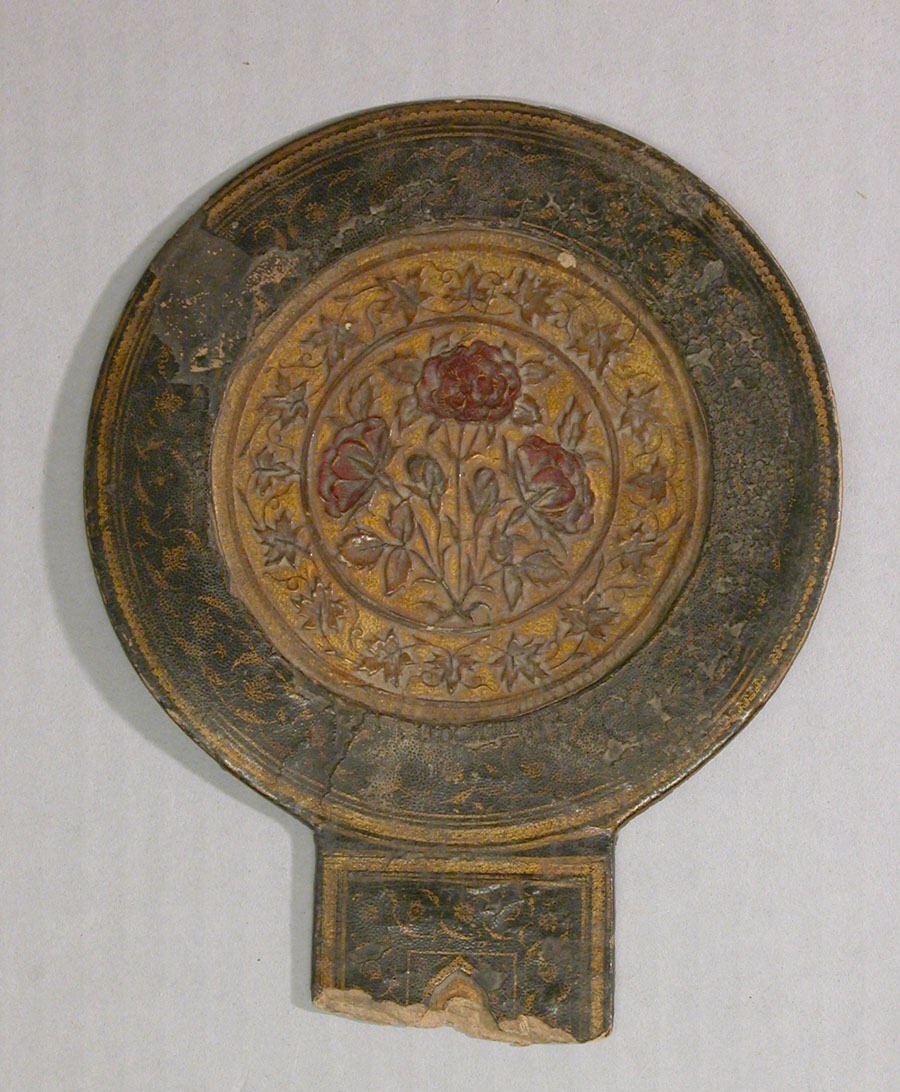
Mirror Case, Iran, 17th century; catalogue medium: leather, not papier-mâché. Historical decorated leather example, not a modern product. API origin and open-access status checked 7 October 2026 · The Metropolitan Museum of Art · CC0 (Met Open Access; resized and JPEG re-encoded) · Photo source ↗
- Type
- Beginner guide
- Reading
- 11 min
- Chapters
- 9
- Photos
- 6
Tabriz's covered bazaar, a UNESCO site, is a hub for carpets, leather goods and metalwork; it is one of Iran's great weaving cities.
The bazaar
The Tabriz Historic Bazaar Complex is one of the largest covered bazaars in the world, with dedicated carpet halls (timcheh).
What to look for
- Tabriz carpets in many qualities, from coarse to very fine
- Hand-stitched leather goods
- Copper and brass work
- Traditional sweets as a bonus
Reading a Tabriz carpet
Tabriz weavers commonly use the symmetrical (Turkish) knot and a hook knife called a tabriz hook, which allows fast, fine knotting. Designs range from medallion layouts to pictorial and hunting scenes. Fineness is often described in raj (knots per seven centimetres along the width); higher raj means finer detail but is only one quality factor.
- Check that the medallion is centred and borders turn the corners cleanly
- Compare front and back sharpness
- Ask about wool source and dye type
Beyond carpets
Tabriz has active leatherwork, including hand-stitched bags and cases, and traditional copper and brass shops. Silver and gold jewellery is sold in the bazaar's goldsmith rows. As elsewhere, ask whether goods are made locally.
Planning a craft visit to Tabriz
Workshops and bazaar shops usually keep morning and late-afternoon hours, and many close on Friday and for a midday break. Bring cash or a local payment card, as international cards generally do not work in Iran. When you find a maker you like, ask for a business card or a phone number used for messaging apps so you can order later; many workshops also ship within Iran. Photograph labels and written descriptions rather than relying on verbal claims.
- Ask whether the piece was made in the shop or bought in
- Request materials in writing (wool or silk, natural or synthetic dye, wood species, metal)
- Check export rules for carpets, antiques and old manuscripts before paying
- Wrap fragile enamel and ceramics yourself if you doubt the shop's packing
A note on this guide
This guide is general information from the CraftPersia editorial team and has not been reviewed by a specialist. Prices, workshop locations and practices change; check current details before travelling or buying.
Crafts covered in this guide
Tabriz carpet (قالی تبریز) — The workshop carpet tradition of Tabriz in East Azerbaijan, characterised by drawn cartoons, a distinctive hook-knife weaving method and a wide range of fineness grades.
Leatherwork (Charm-duzi) (چرمدوزی) — The cutting, stitching, tooling and painting of leather for bags, belts, bookcovers, saddlery and small goods.
Persian carpet (فرش ایرانی) — A hand-knotted pile textile woven across Iran in city workshops, village looms and pastoral camps, distinguished by regional structure, palette and design vocabulary.
Materials, techniques and centres
Tabriz carpet, Leatherwork (Charm-duzi) and Persian carpet are recorded in the archive with wool, silk, cotton, natural dyes and leather as principal materials, and knotted pile weaving as the technique. Associated centres include Tabriz, Mashhad, Isfahan, Kashan, Kerman and Qom; a place name on its own does not establish where an individual object was made.
Collecting and next steps
When applying this guide to a specific object, work from what can be observed: structure, materials, tool marks, repairs and documentation. Ask the seller or maker for written statements about who made the piece, where, from what materials, and what has been repaired or replaced.
The steps here are educational; identification, conservation and valuation of an individual object require appropriate independent expertise.
Related photographs and screened examples
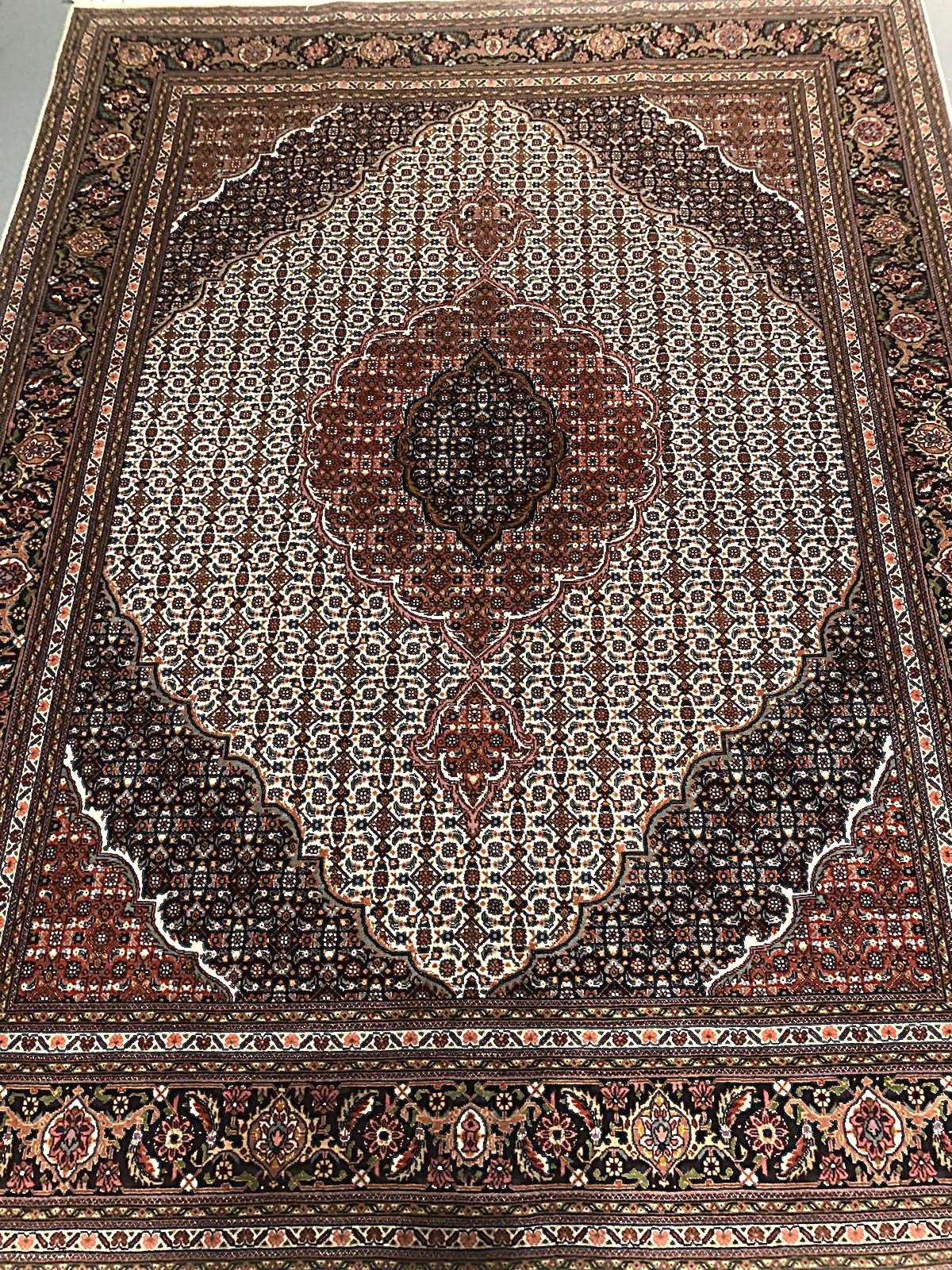
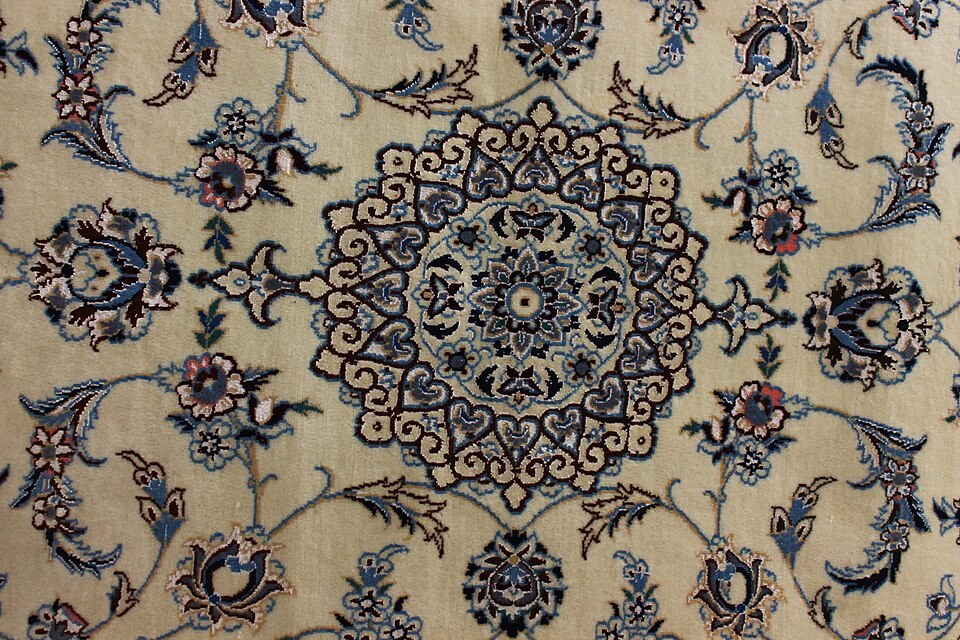
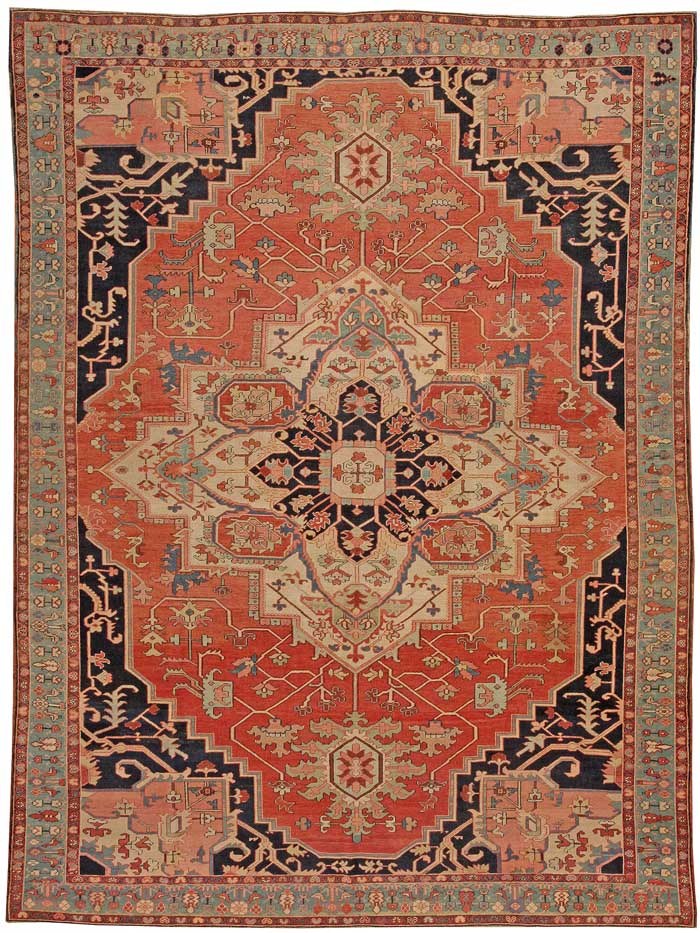

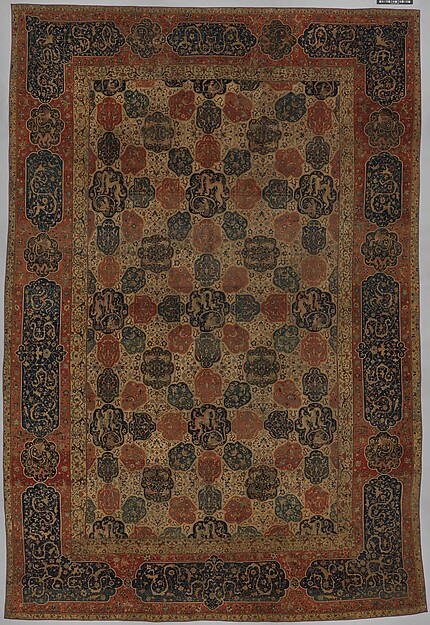
Representative photographs only. Marketplace examples rely on seller descriptions; CraftPersia has not independently authenticated their maker, origin, or rights status. Follow each source link for the listing context.
| Craft | Associated centres | Key materials |
|---|---|---|
| Tabriz carpet | Tabriz | Wool, Silk, Cotton |
| Leatherwork (Charm-duzi) | Tabriz, Mashhad, Isfahan | Leather |
| Persian carpet | Tabriz, Isfahan, Kashan | Wool, Silk, Cotton |
References and further reading
- [1] H. E. Wulff, The Traditional Crafts of Persia, MIT Press, 1966.General historical craft reference, not evidence for a particular object.
These sources provide context, not authentication or provenance for an individual object. Editorial interpretations remain under review.