
Preservation · 9 min
Caring for Iranian ceramics and tiles
Editorial team · updated 2026-09-29
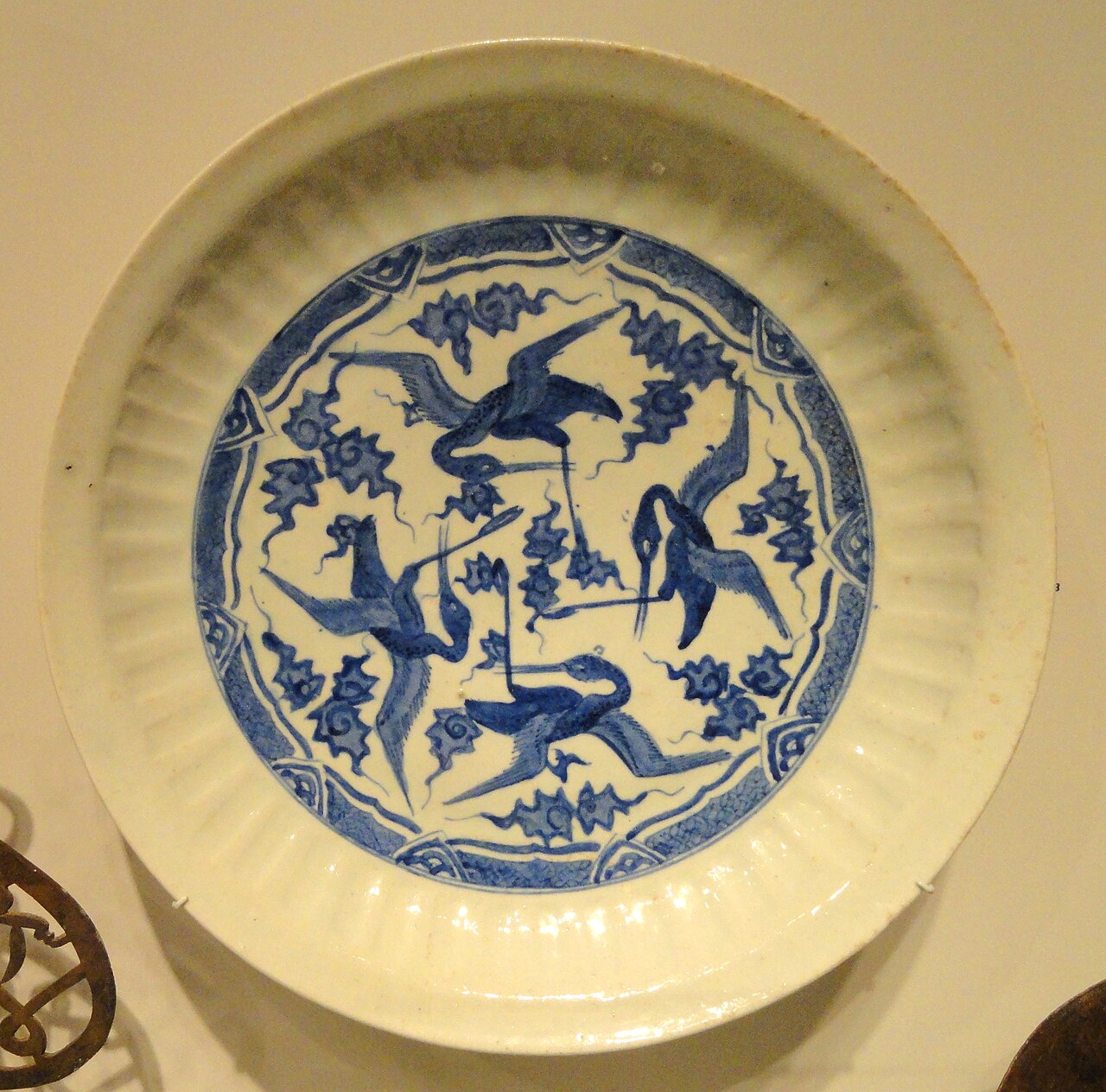
Accessed 17 October 2026 · Daderot · CC0 (per Wikimedia Commons) · Photo source ↗
- Type
- Preservation
- Reading
- 9 min
- Chapters
- 8
- Photos
- 4
Display, cleaning and repair advice for glazed pottery, lustre, mina'i ware and loose tiles.
Display
Use compatible padded stands; avoid applying putty or adhesives to porous or fragile surfaces. Keep pieces away from edges and busy doorways.
Cleaning
Dust with a soft brush. Do not wash old or restored pieces; water can dissolve old repairs and salts can rise through the body.
Old repairs
Many historic ceramics have fills and repainting. Ask the seller for a condition report, and seek qualified assessment; UV fluorescence alone cannot establish restoration.
Handling and display
- Lift pieces by the body with two hands, never by handles or rims
- Use compatible padded supports; avoid adhesive contact with porous or fragile surfaces
- Do not soak glazed earthenware with cracks or old repairs
- Dust tiles with a soft brush; avoid acid cleaners on glazes
- Risk
- Brittle bodies, unstable glazes and old repairs
- Handling
- Support sound body and base, not handles
- Assessment
- UV fluorescence alone proves neither repair nor authenticity
Inspect structure before moving the object
A ceramic vessel can have hidden cracks, old adhesive joints or projecting parts that cannot carry its weight. A tile may be thin, heavy or backed with mortar. Assess sound support areas and prepare a padded surface before lifting.
Use both hands where feasible and support the body and base. Do not lift a vessel by its handles or a tile by a fragile corner. Large or unstable objects need additional help and a planned support; do not improvise a one-handed transfer between shelves.
Choose supports rather than adhesive shortcuts
Padded, stable stands should support robust areas without loading the rim or decorated face. Tile mounts need to account for weight, thickness and existing backing. Decorative adhesives, museum putty and wax are not universally safe for porous bodies or weakened surfaces.
A custom mount may be necessary for valuable or fragile objects. Keep shelves stable and away from edges, traffic and damp walls. Avoid forcing a warped tile into a flat frame or applying new adhesive to original surfaces merely to hold it upright.
Water, salts and glaze loss need caution
Historic ceramics can contain soluble salts, absorbent bodies, unstable decoration and old repairs. Wetting may mobilise salts or affect joining materials. Gentle dry dusting is appropriate only where the glaze and surface are secure; a brush can catch flaking areas.
Do not scrub a white deposit or assume it is ordinary dirt. Record its location and appearance and consult a conservator if deposits recur, glaze lifts or the body crumbles. Keep environmental conditions stable and do not attempt acid cleaning or home soaking.
Read condition evidence without a single magic test
Ask for annotated photographs of joins, fills, overpaint, rim chips and hairlines. UV examination can reveal differences in some materials, but fluorescence varies and can be affected by coatings and contamination. It cannot alone prove restoration, age or authenticity.
Keep detached fragments identified, avoid home glue repairs and document proposed treatment. Collection photographs illustrate ceramic bodies and ornament, not tested food safety or an approved mounting method. A decorative antique should not be put into food service on the strength of its intact-looking glaze.
Related photographs and screened examples
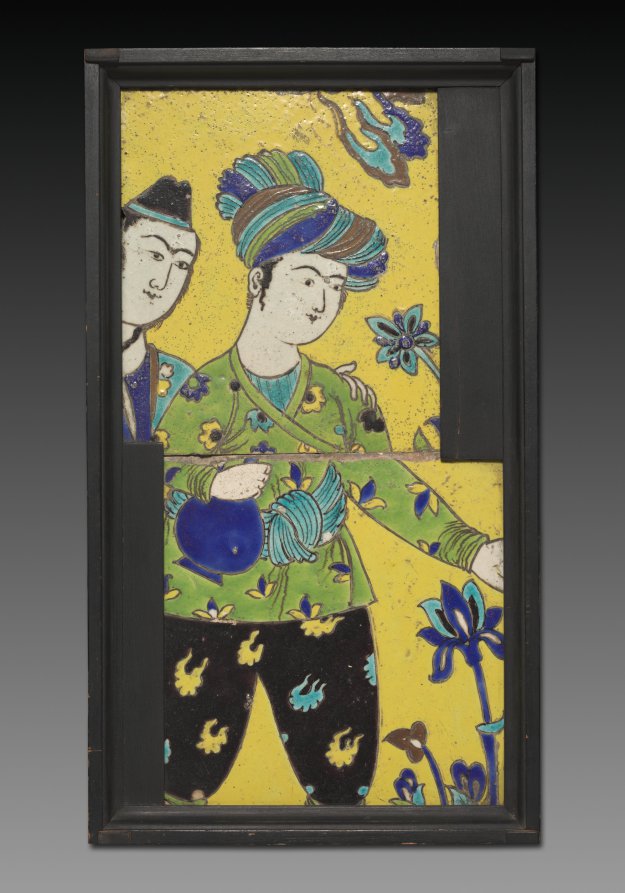
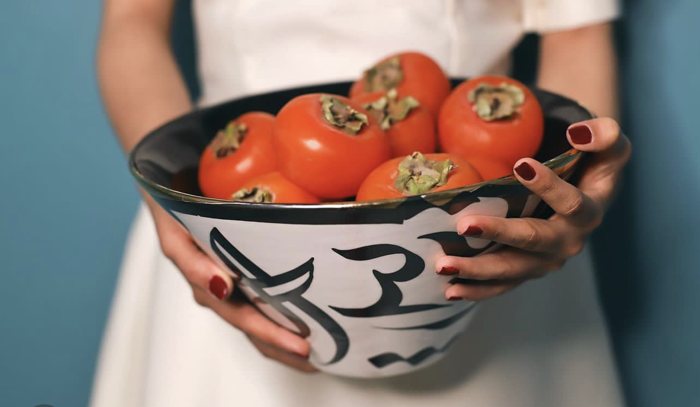
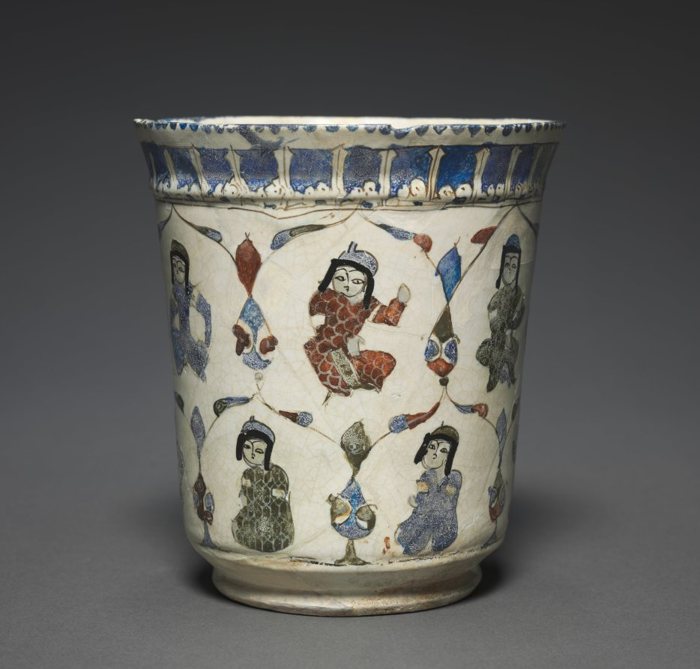
Representative photographs only. Marketplace examples rely on seller descriptions; CraftPersia has not independently authenticated their maker, origin, or rights status. Follow each source link for the listing context.
| Situation | What to ask or inspect | What not to assume |
|---|---|---|
| Loose tile | Weight, backing and compatible mount | Putty is safe for every porous surface |
| White deposits | Condition documentation and specialist advice | Deposits are harmless dust |
| UV fluorescence | Qualified interpretation alongside other evidence | Fluorescence proves restoration |
| Cracked vessel | Supported handling and repair history | Handles can carry its weight |
References and further reading
- [1] Canadian Conservation Institute — Preventive conservation guidelines ↗General risk guidance; individual mounts and treatments need qualified assessment.
These sources provide context, not authentication or provenance for an individual object. Editorial interpretations remain under review.