
Beginner guide · 10 min
Crafts of Gilan: Rasht-duzi, mats and Masuleh
Editorial team · updated 2026-10-03
Accessed 15 October 2026.; attribution and origin follow the Commons record and are not independently verified. · MortezaCameran · CC BY-SA 4.0 (per Wikimedia Commons; rights review pending) · Photo source ↗
- Type
- Beginner guide
- Reading
- 10 min
- Chapters
- 8
- Photos
- 4
Gilan's humid north has Rasht-duzi embroidery, reed and straw mat weaving and the hill village of Masuleh with its knives and wooden crafts.
Crafts
- Rasht-duzi felt appliqué and chain-stitch
- Hasir reed mats and baskets
- Masuleh knives and woodwork
- Chador-shab cotton weaving
Mats, baskets and textiles
Gilan's wetlands provide reeds and rushes for mats and baskets (hasir-bafi), and the province has traditions of chador-shab and patterned textiles. Rasht and Masuleh are good bases for seeing local work.
- Rush and reed mats: check for even tension
- Beware of plastic-strip baskets sold as natural
- Chador-shab: a checked hand-woven cloth
Masuleh
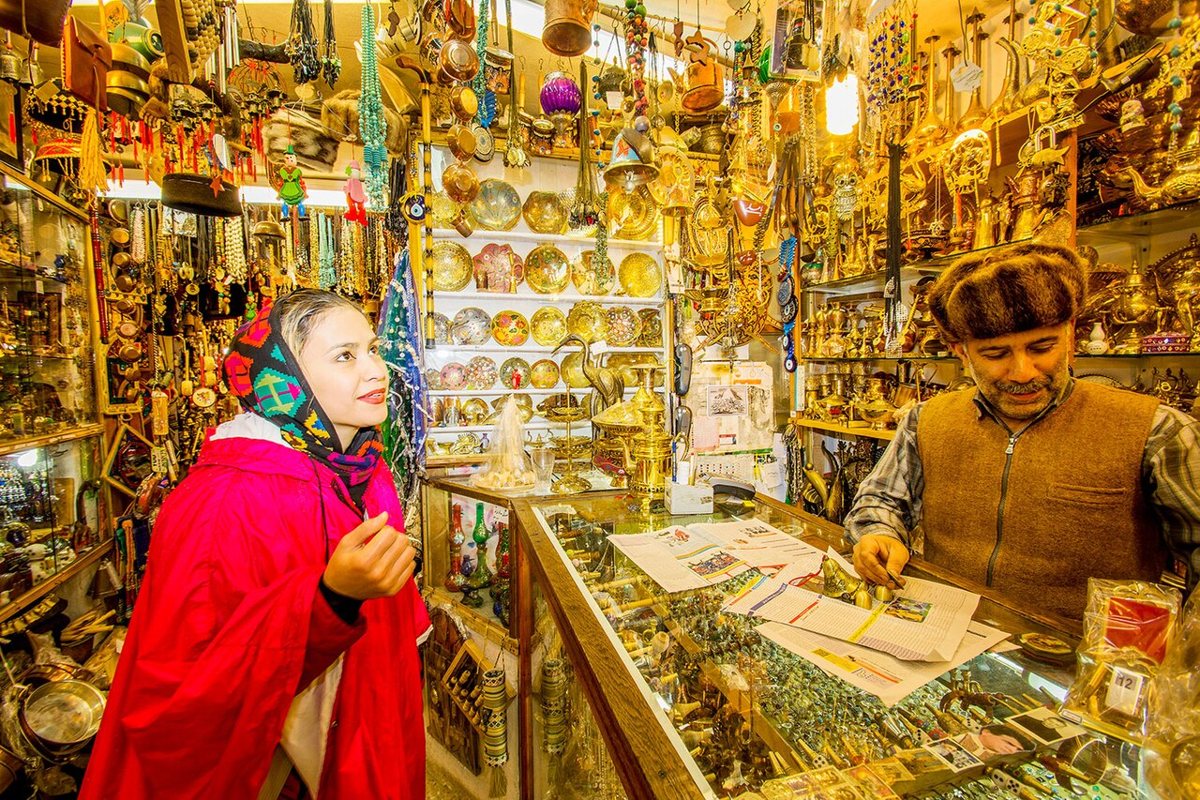
The terraced village of Masuleh has small shops selling local knitting, woodwork and sweets, though tourist stock may come from elsewhere.
Planning a craft visit to Gilan
Workshops and bazaar shops usually keep morning and late-afternoon hours, and many close on Friday and for a midday break. Bring cash or a local payment card, as international cards generally do not work in Iran. When you find a maker you like, ask for a business card or a phone number used for messaging apps so you can order later; many workshops also ship within Iran. Photograph labels and written descriptions rather than relying on verbal claims.
- Ask whether the piece was made in the shop or bought in
- Request materials in writing (wool or silk, natural or synthetic dye, wood species, metal)
- Check export rules for carpets, antiques and old manuscripts before paying
- Wrap fragile enamel and ceramics yourself if you doubt the shop's packing
A note on this guide
This guide is general information from the CraftPersia editorial team and has not been reviewed by a specialist. Prices, workshop locations and practices change; check current details before travelling or buying.
- Region
- Gilan, on the Caspian coast
- Signature crafts
- Rasht-duzi embroidery, rush and reed weaving, woodwork, pottery
- Landscape influence
- Humid, forested, rice-growing country shapes materials
A Caspian craft culture
Gilan's wet climate and forests give its crafts a distinctive material base: abundant wood, rush and reed from the lagoons, wool from hill flocks, and silk historically raised in its villages. Crafts served a rural household economy — mats, baskets, storage boxes, embroidered cloths — alongside court-level Rasht embroidery.
Crafts to know
Rasht-duzi, the felt appliqué and silk chain-stitch embroidery of Rasht, is the region's most celebrated textile art. Hasir-bafi — weaving mats, baskets and household items from rush and reed — supplied everyday goods across the Caspian plain. Woodworking, from carved chests to the region's distinctive timber vernacular houses, remains visible in villages and the Gilan Rural Heritage Museum near Rasht.
- Rasht-duzi: court-level embroidery
- Hasir-bafi: rush and reed weaving
- Woodwork: chests, houses, tools
Seeing the crafts today
Rasht's bazaar and its Friday market are the best places to see regional textiles, rush work and local food culture together. The Gilan Rural Heritage Museum (Saravan Forest Park) reconstructs village houses and workshops from across the province and is the single best introduction to the region's material culture.
Related photographs and screened examples
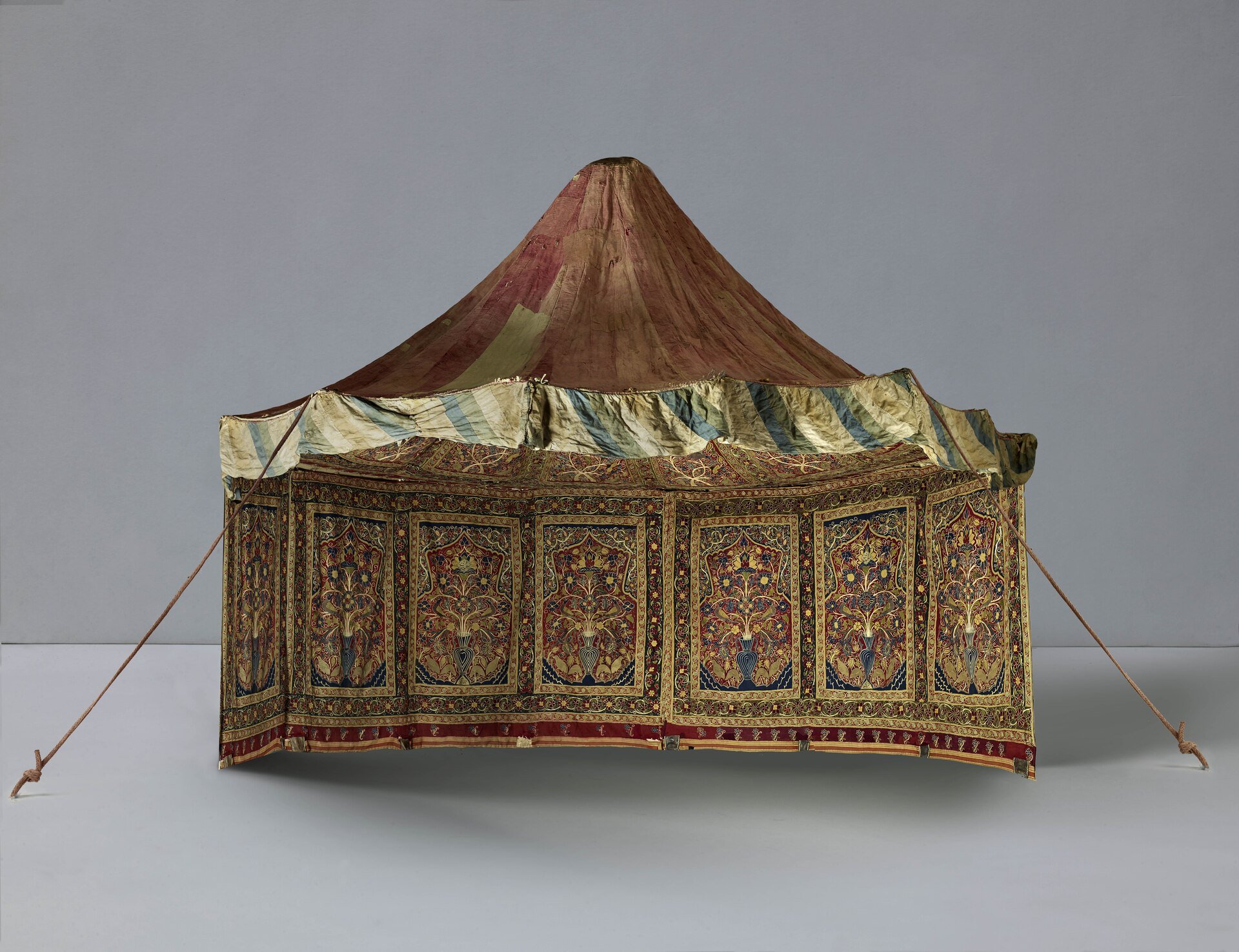
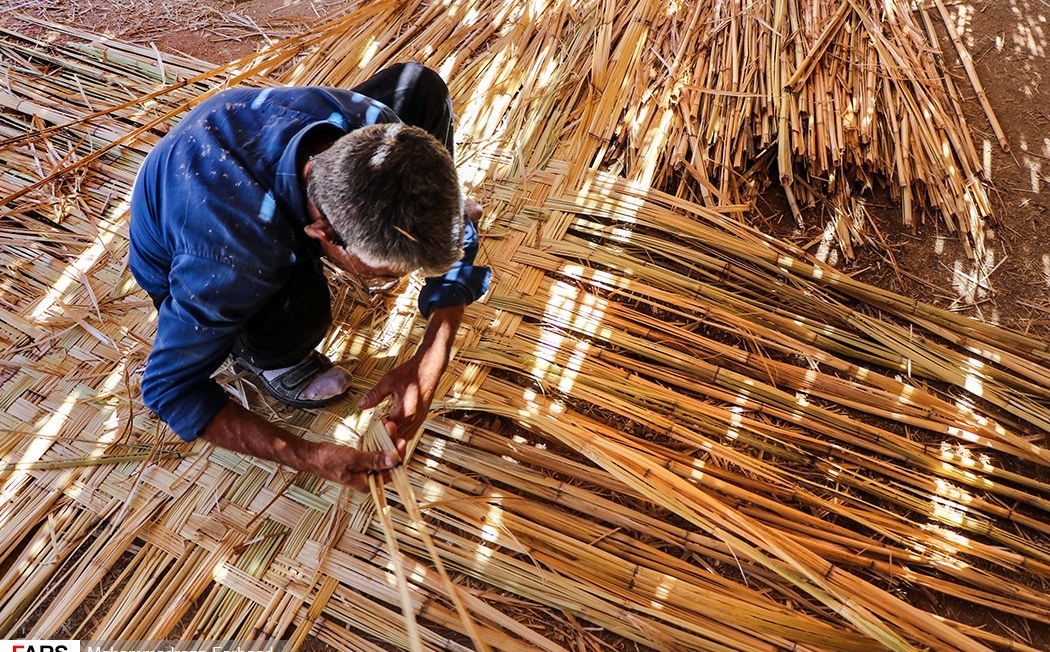
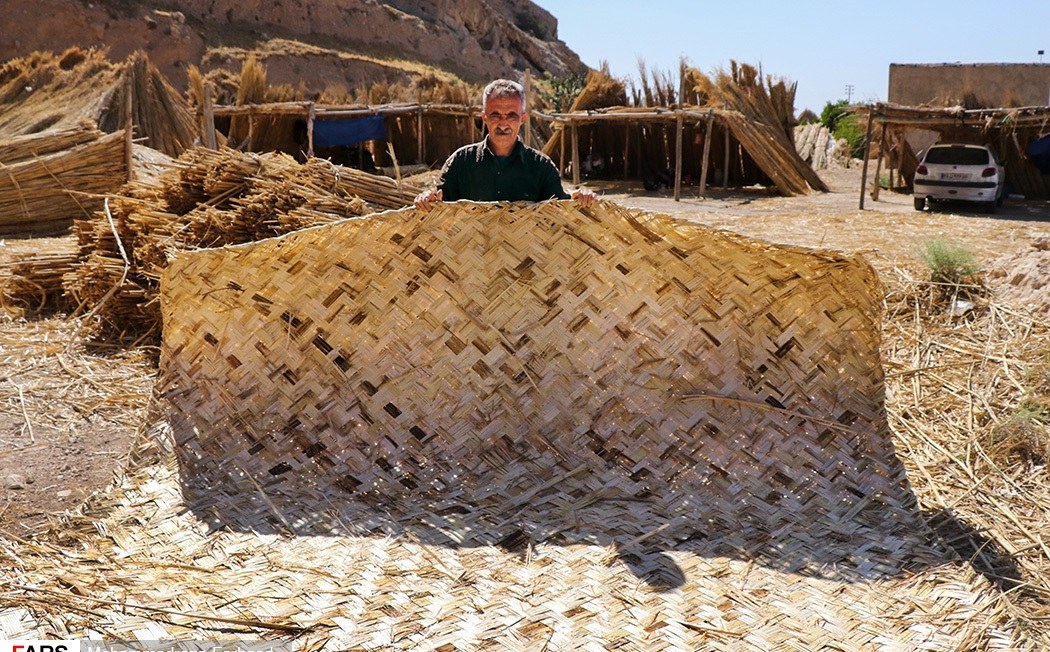
Representative photographs only. Marketplace examples rely on seller descriptions; CraftPersia has not independently authenticated their maker, origin, or rights status. Follow each source link for the listing context.
| Craft | Materials | Where seen |
|---|---|---|
| Rasht-duzi | Felt, silk thread | Rasht bazaar; museums |
| Hasir-bafi | Rush, reed | Markets across the plain |
| Woodwork | Local hardwoods | Villages; heritage museum |
| Pottery | Local clays | Village workshops |
References and further reading
These sources provide context, not authentication or provenance for an individual object. Editorial interpretations remain under review.