
Beginner guide · 6 min
Endangered Iranian crafts and how to help
Editorial team · updated 2026-09-29
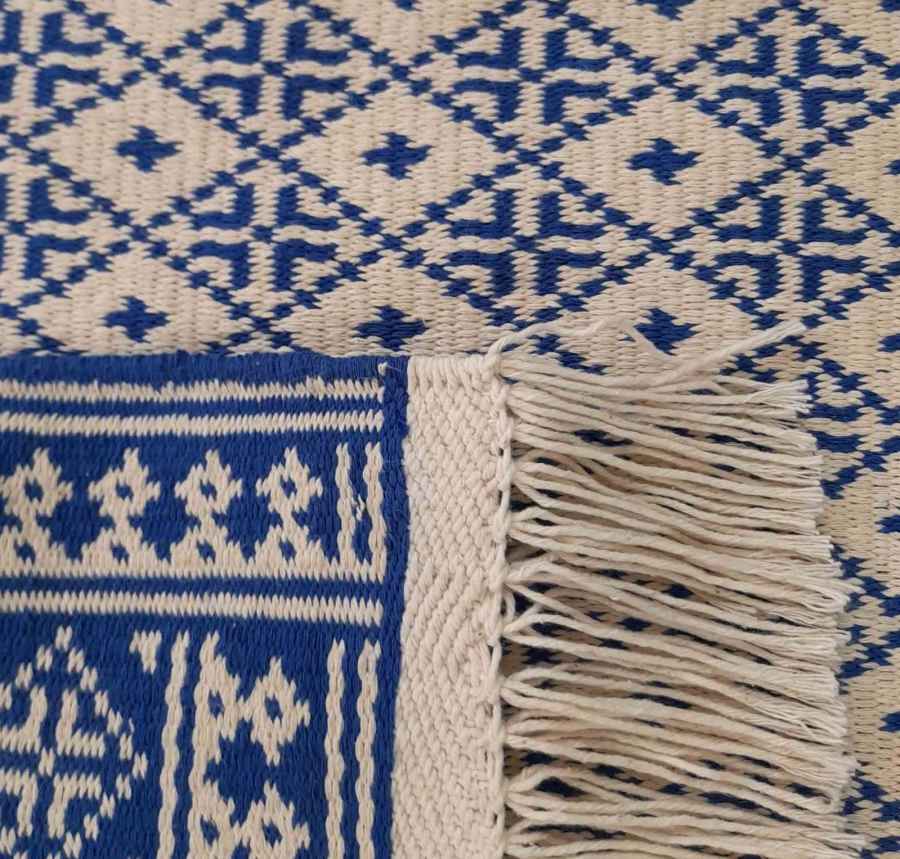
Accessed 14 October 2026 via Firecrawl. Seller states: Handwoven in Meybod, Iran; cotton, 160 x 100 cm. Origin is the seller's claim, not independently verified; Illustrative commercial example, not CraftPersia stock. · ShopiPersia (seller; photographer not stated) · Seller listing photo; reuse rights not reviewed · Photo source ↗
- Type
- Beginner guide
- Reading
- 6 min
- Chapters
- 6
- Photos
- 4
Why some crafts are losing makers, and practical ways buyers and readers can support living traditions.
Why crafts decline
Cheaper machine goods, fewer apprentices, rising costs and changing tastes all reduce demand for slow handwork.
How to help
Buy directly from makers when you can, pay fair prices, share their names, and ask sellers about origin.
- Buy direct where possible
- Credit makers by name
- Ask about origin
- Support training programmes
Record and share
Oral histories, photographs and notes help keep knowledge alive, even where production is falling.
- At-risk examples
- Zari-bafi (gold brocade), velvet weaving, kheimeh shab bazi puppetry, zilu, namad
- Main pressures
- Machine substitutes, ageing masters, low apprentice pay, raw-material costs
Why crafts become endangered
Crafts decline when cheaper machine goods replace their everyday use, when masters age without paid apprentices, and when materials such as silk or metal thread become expensive. Zari-bafi and hand velvet weaving, once court textiles, now survive in a few workshops; zilu and namad lost their main markets to machine carpets.
How you can help
The most direct support is buying honestly attributed work from identified makers or cooperatives at fair prices. Commissioning pieces, paying for workshops and classes, and sharing makers' names when you post photos all help.
- Buy from named makers or cooperatives
- Avoid 'style' copies that undercut makers
- Support museums and documentation projects
- Credit makers in photos and reviews
Documentation matters
Recording techniques — video, interviews, tool inventories — preserves knowledge even when production pauses. UNESCO's intangible heritage lists include several Iranian crafts and performance traditions.
Related photographs and screened examples
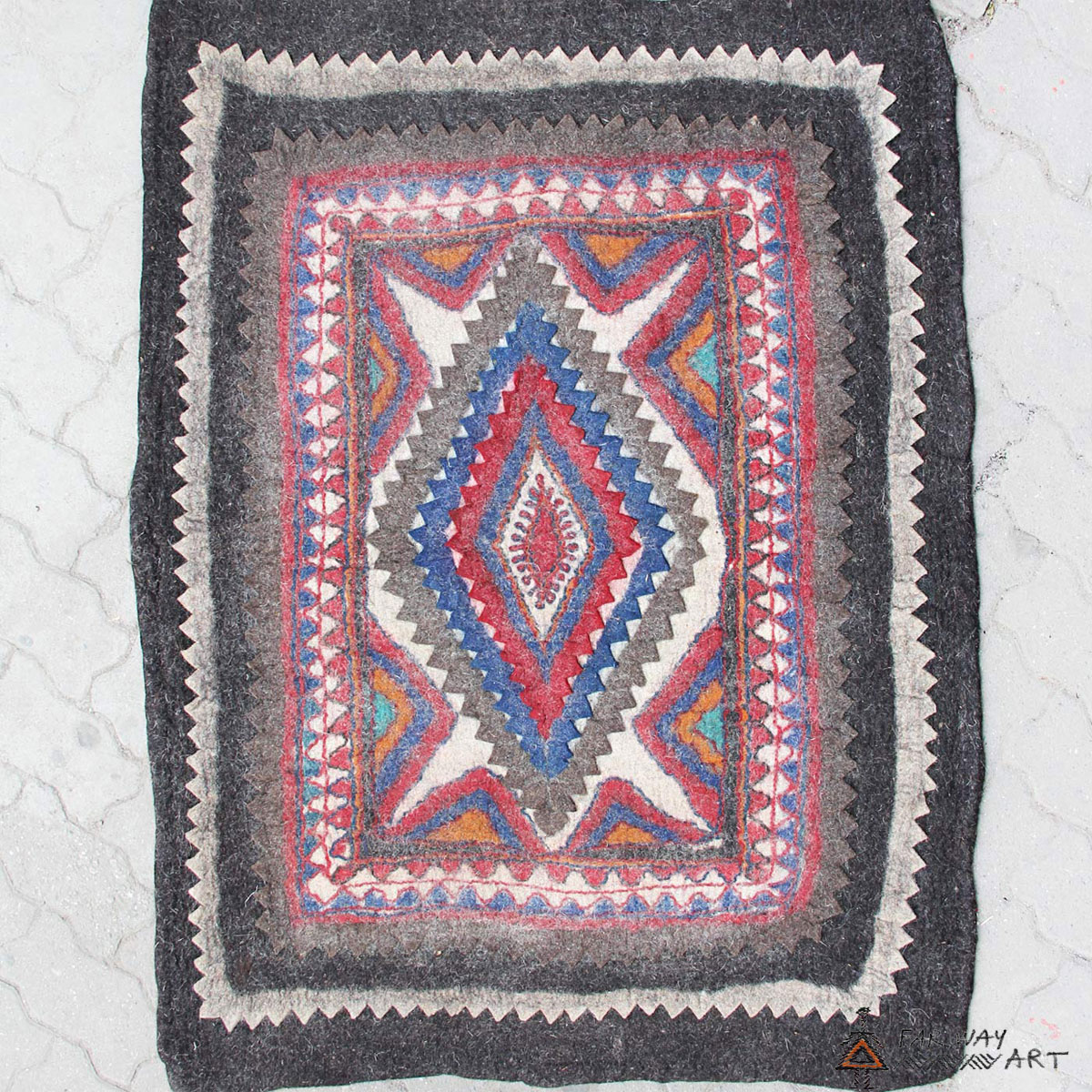
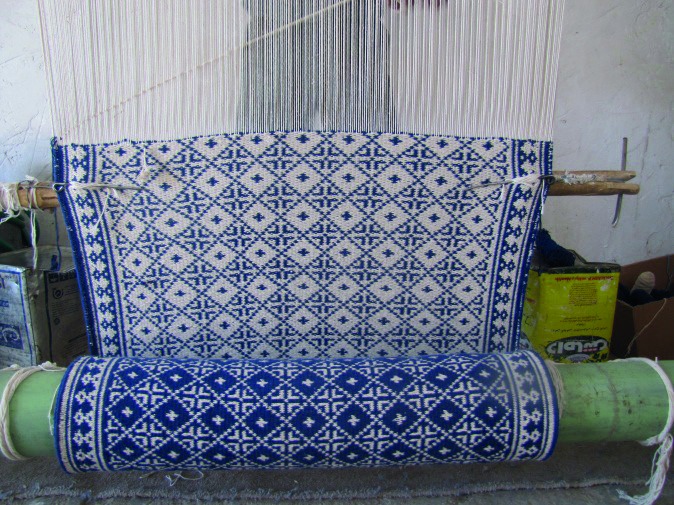
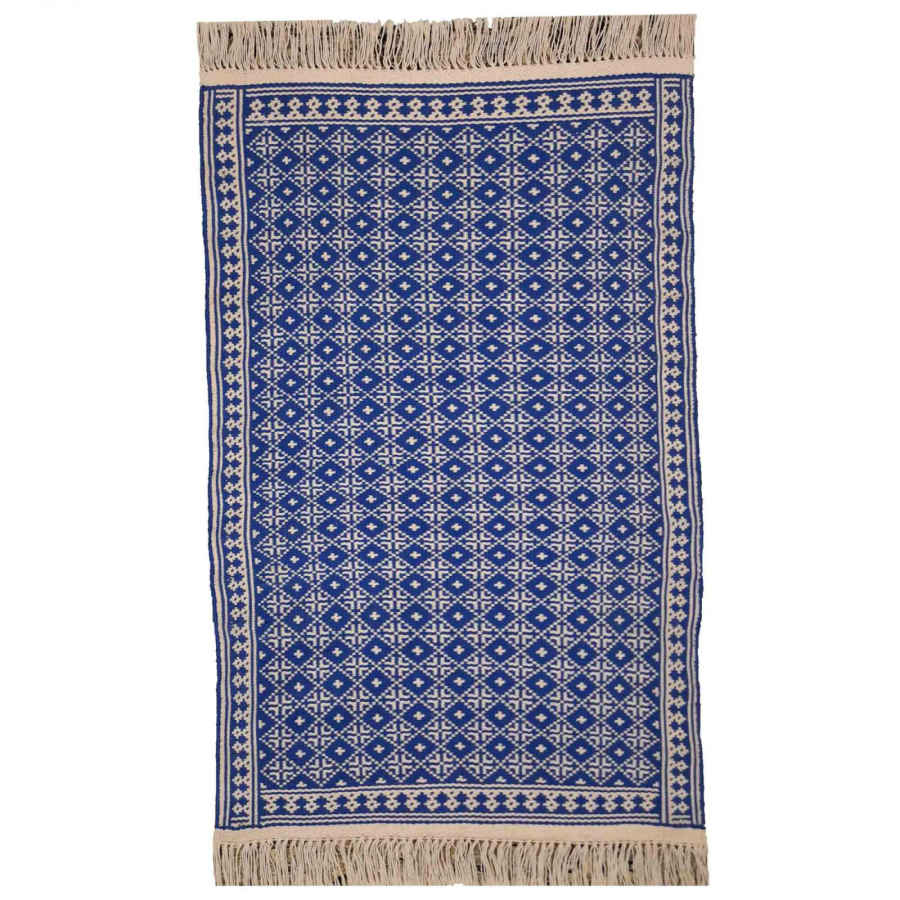
Representative photographs only. Marketplace examples rely on seller descriptions; CraftPersia has not independently authenticated their maker, origin, or rights status. Follow each source link for the listing context.
| Craft | Former use | Main pressure |
|---|---|---|
| Zari-bafi | Court and shrine textiles | Cost of metal thread, few weavers |
| Hand velvet | Robes, covers | Very slow production |
| Kheimeh shab bazi | Popular entertainment | Loss of audiences and performers |
| Zilu | Mosque floors | Machine carpets |
| Namad | Floor covers, cloaks | Machine felt and carpets |
References and further reading
These sources provide context, not authentication or provenance for an individual object. Editorial interpretations remain under review.