
Collector guide · 14 min
Persian bookbinding and lacquer covers
Editorial team · updated 2026-09-29
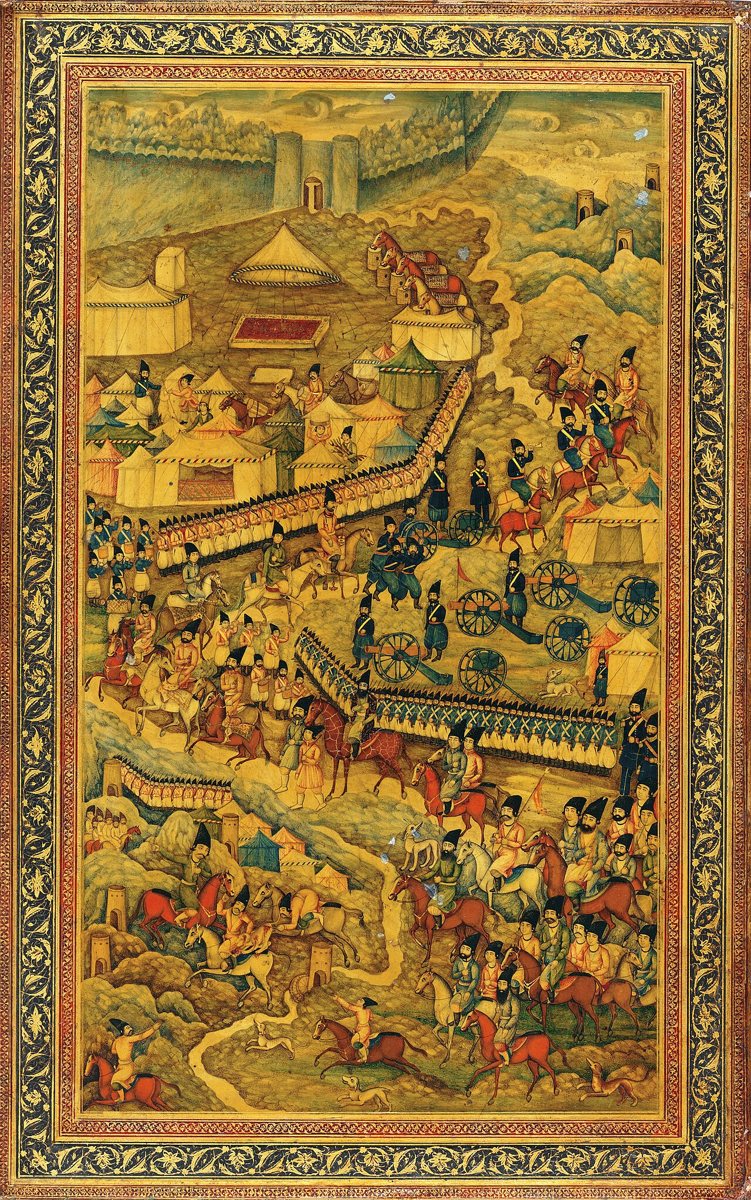
Accessed 15 October 2026.; attribution and origin follow the Commons record and are not independently verified. · Attributed to Muhammad Isma'il · Public domain (per Wikimedia Commons; rights review pending) · Photo source ↗
- Type
- Collector guide
- Reading
- 14 min
- Chapters
- 12
- Photos
- 2
Leather bindings, gilded tooling and painted lacquer covers.
Leather
Tooled and stamped leather covers with flaps are typical.
Lacquer
Painted papier-mâché covers were varnished to a glossy finish.
Care
Keep stable humidity and avoid handling fragile edges.
Bookbinding (sahhafi)
Traditional Persian bindings use leather over pasteboard. Covers are decorated with stamped, tooled and gilded medallions, and many have an envelope flap (lisan) that protects the fore-edge. Inner covers can carry filigree leather cut-outs over coloured paper.
Lacquer covers
From the later Safavid and especially the Qajar period, painted and varnished lacquer covers became popular, often showing flowers and birds (gol-o-morgh) or figures.
Looking and caring
- Keep bindings away from damp, which warps boards
- Do not open old books flat; support them in a book cradle
- Ask a book conservator about any repairs
Contemporary practice
Binders in Tehran and Isfahan make new covers for Qur'ans, poetry books such as Hafez and Saadi, and albums, using traditional tooling and lacquer painting. Commissions can take weeks.
Buying tips
- Ask whether the binding is new or old
- Check the joints, which crack with use
- Tooled gold should be crisp
- Lacquer should not be peeling
A note on this guide
This is a general introduction written by the CraftPersia editorial team. It has not yet been reviewed by a specialist. Practice varies between workshops; confirm details with makers or museums, and treat any dates as approximate.
Crafts covered in this guide
Traditional bookbinding (Sahhafi) (صحافی سنتی) — The hand binding of manuscripts and books with leather or lacquer covers, often with a flap (lisan) and stamped, cut or gilded decoration.
Materials, techniques and centres
Traditional bookbinding (Sahhafi) is recorded in the archive with leather, paper and lacquer coating as principal materials. Associated centres include Isfahan, Tabriz and Shiraz; a place name on its own does not establish where an individual object was made.
Collecting and next steps
When applying this guide to a specific object, work from what can be observed: structure, materials, tool marks, repairs and documentation. Ask the seller or maker for written statements about who made the piece, where, from what materials, and what has been repaired or replaced.
The steps here are educational; identification, conservation and valuation of an individual object require appropriate independent expertise.
Related photographs and screened examples
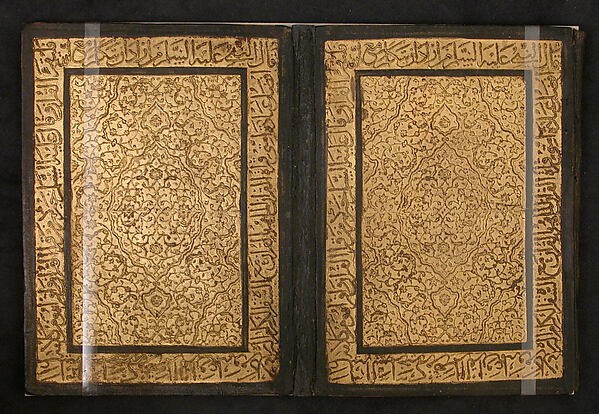
Representative photographs only. Marketplace examples rely on seller descriptions; CraftPersia has not independently authenticated their maker, origin, or rights status. Follow each source link for the listing context.
References and further reading
- [1] H. E. Wulff, The Traditional Crafts of Persia, MIT Press, 1966.General historical craft reference, not evidence for a particular object.
These sources provide context, not authentication or provenance for an individual object. Editorial interpretations remain under review.