
Buying guide · 11 min
Ethical buying of Iranian handicrafts
Editorial team · updated 2026-09-29
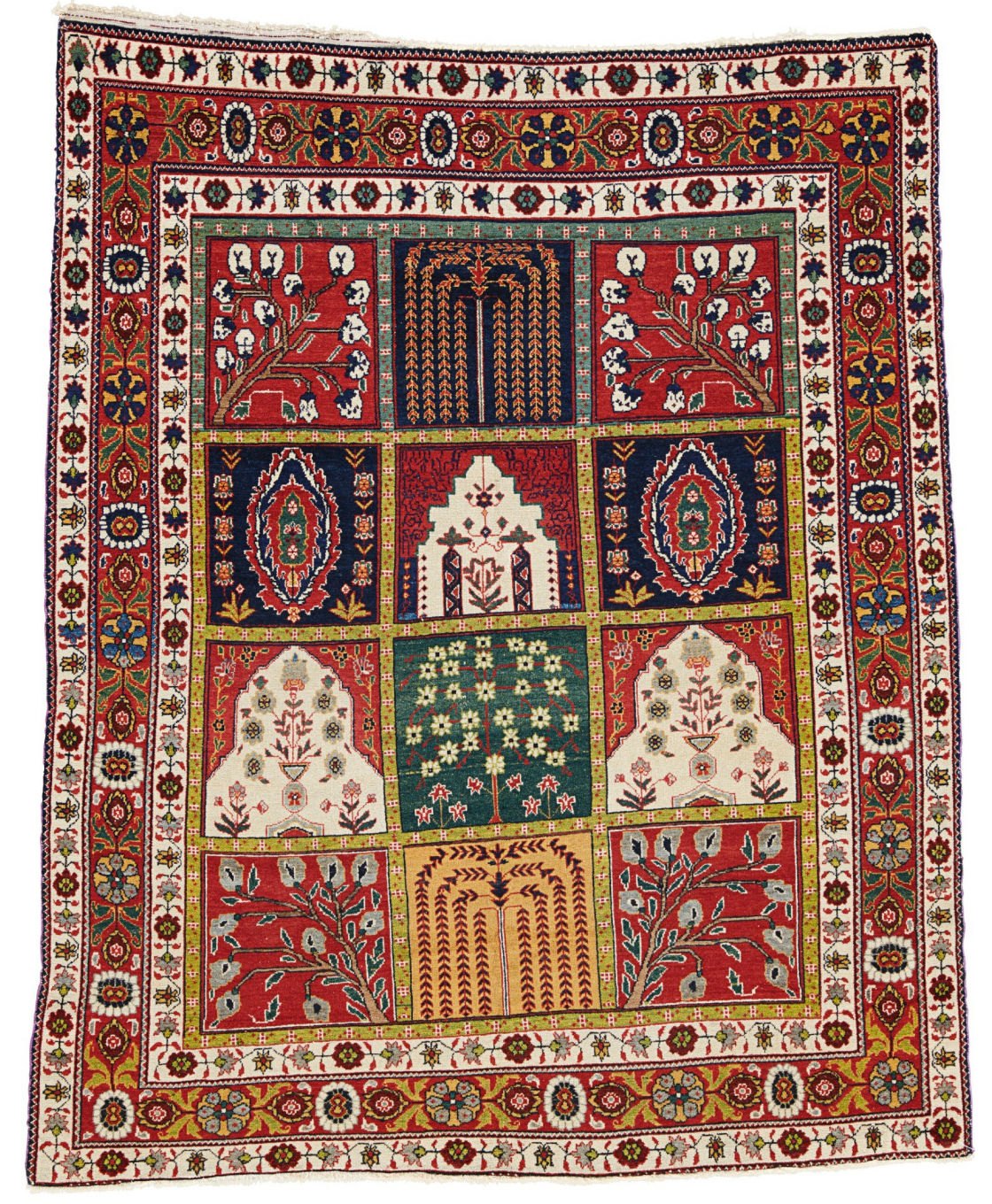
accessed 2026-09-30 · Unknown weaver; Wikimedia Commons photograph · Public domain (per Wikimedia Commons) · Photo source ↗
- Type
- Buying guide
- Reading
- 11 min
- Chapters
- 10
- Photos
- 6
Fair pay, credit to makers, cultural property rules and honest labelling.
Credit the makers
Where possible, buy from shops that name the workshop or maker and explain how they are paid.
Cultural property
Old objects may be protected by export laws. Ask for documents showing lawful export for antiques and archaeological material.
Honest labels
Support sellers who say clearly where and how a piece was made, including when it is not Iranian.
Questions to ask
- Who made it, and where?
- Is it genuinely handmade in Iran or by an Iranian maker?
- Are the materials legal (no ivory, endangered wood or protected animal parts)?
- How are the makers paid?
Avoiding harm
Avoid ‘Persian style’ goods sold as Persian, and buy antiques only with legal documentation. Credit makers when you share photos of their work.
A note on this guide
This is a general introduction written by the CraftPersia editorial team. It has not yet been reviewed by a specialist. Confirm details with makers, conservators or museums, and treat any dates as approximate.
- Ethics
- Specific arrangements, not a badge
- Credit
- Names and stories with consent
- Origin
- Genuine Iranian handmade work; documented diaspora makers qualify
Ask who makes, commissions and sells the work
An identified maker, a cooperative and a retailer occupy different roles. Ask who performed the relevant making stages, who owns the object at sale and how the seller’s direct-payment or fair-pay claim is documented. Retail price alone does not reveal the maker’s income. A photograph of a person working does not establish that they made the listed object.
Keep answers dated and transaction-specific. A workshop may employ several people or purchase components without this being visible in a product photograph. Report the documented arrangement rather than promise that any purchase under a broad ethical label supports a particular household or community.
Credit makers without treating privacy as missing evidence
Ask how a maker wishes to be named and whether an interview, portrait or workshop location may be published. Some people may prefer collective credit or anonymity. Respecting that preference does not justify inventing a biography or assigning an unrelated portrait. A maker’s account should remain distinguishable from an editor’s interpretation.
Photography permission is separate from permission to reproduce a design commercially or publish personal details. Agree the purpose and scope before recording a demonstration. Keep seller-supplied captions as seller claims when direct maker consent or attribution cannot be established.
Honest international labels do not change the archive’s criteria
Related craft traditions exist outside Iran and can be valuable on their own terms. Calling a work Persian-style may be accurate marketing, but it does not make the object Iranian handmade work. For this archive’s marketplace, Iran-made originals or documented handmade work by Iranian makers abroad are the relevant scope; replicas and reproductions remain excluded.
Ask separately about making location, maker identity, original work and the processes performed by hand. Hand-finished, hand-tufted and hand-knotted are not interchangeable terms. A carefully labelled object that does not meet the scope should be declined rather than relabelled to fit.
- Ask about roles and payment evidence
- Use names and portraits with consent
- Keep style separate from origin
- Do not relabel excluded reproductions
Lawful ownership and lawful movement need documents
Older manuscript leaves, tiles and archaeological objects can raise cultural-property concerns independent of their artistic quality. An invoice is useful but may not establish earlier ownership or lawful export. Request a documented history and verify applicable current rules with the relevant authorities before purchase.
Do not accept suggestions to understate value or describe an antique as a modern souvenir. Likewise, a publicly accessible image does not grant permission to reuse it commercially. Source links and credits support traceability, while actual image permissions and object-export documents answer different questions.
Related photographs and screened examples

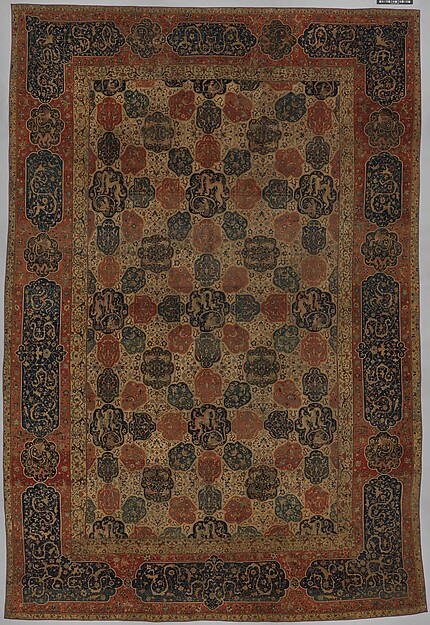
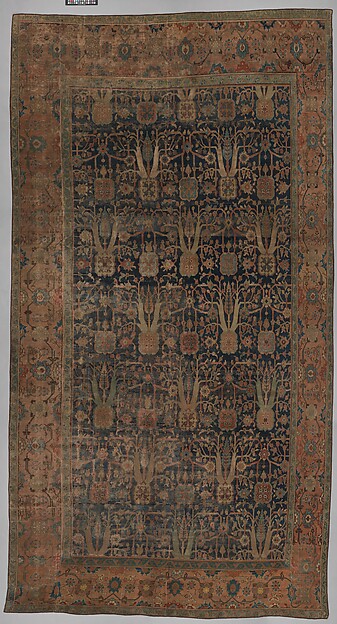
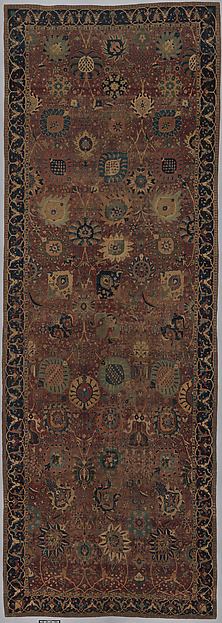

Representative photographs only. Marketplace examples rely on seller descriptions; CraftPersia has not independently authenticated their maker, origin, or rights status. Follow each source link for the listing context.
| Question or feature | Useful evidence | Limit |
|---|---|---|
| Fair-pay claim | Dated explanation of payment arrangements | Price alone is not an audit |
| Maker portrait | Attribution and publication consent | Not proof they made the object |
| Public listing image | Source and rights-holder permission | Public access is not a licence |
References and further reading
- [1] UNESCO — Ethical principles for safeguarding intangible cultural heritage ↗Community participation and consent, not a commercial certification.
- [2] UNESCO — Fight illicit trafficking of cultural property ↗Check the actual object and applicable national requirements.
These sources provide context, not authentication or provenance for an individual object. Editorial interpretations remain under review.