
Beginner guide · 10 min
What is Persian miniature painting? Schools, techniques, famous works
Editorial team · updated 2026-09-29
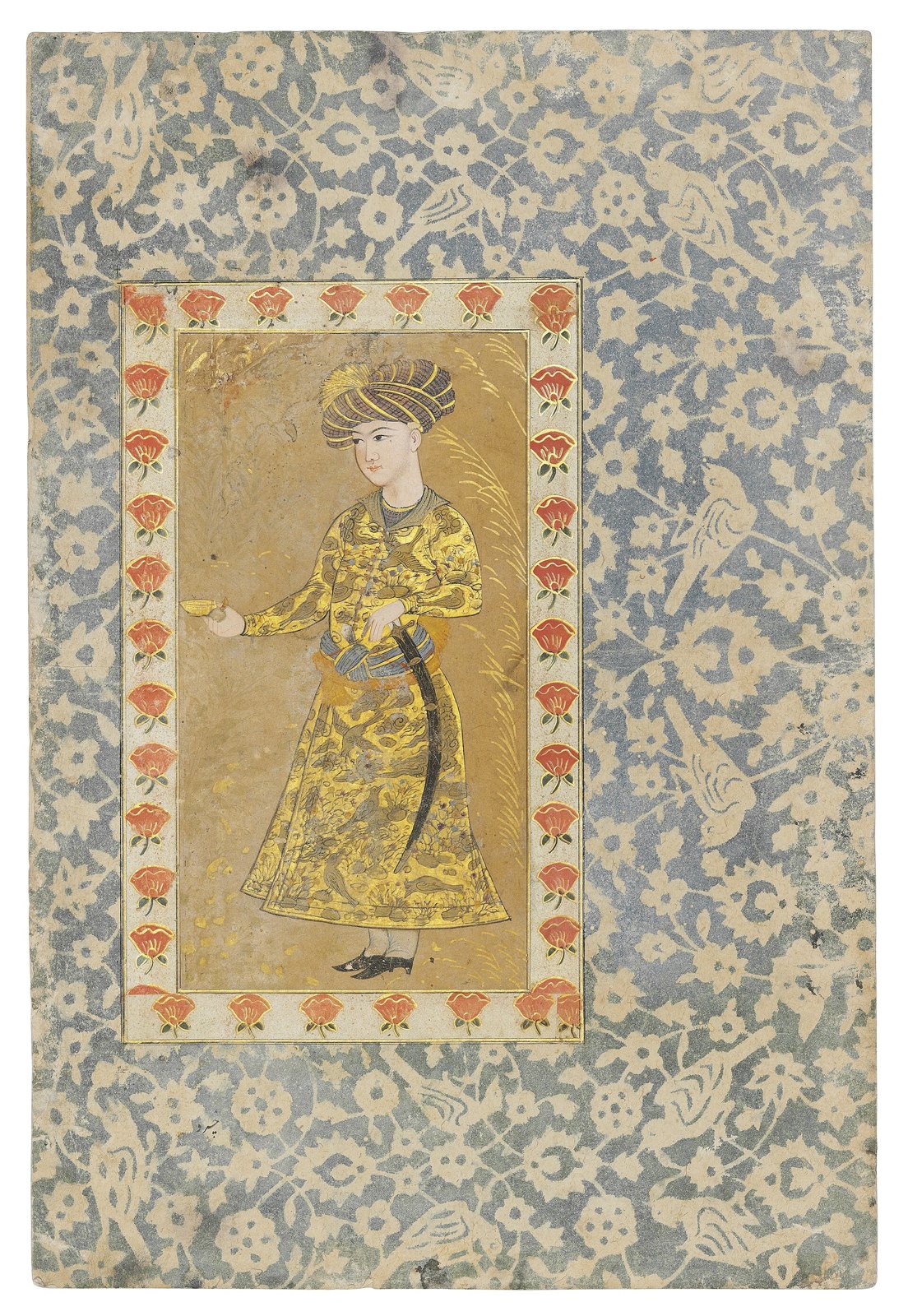
16th century · Christies.com · Public domain · Photo source ↗
- Type
- Beginner guide
- Reading
- 10 min
- Chapters
- 8
- Photos
- 2
Persian miniature is a detailed painting tradition, usually illustrating manuscripts of poetry and history.
What is Persian miniature?
Persian miniature (negargari) is a tradition of small, finely detailed paintings, originally made to illustrate books such as the Shahnameh and Khamseh. It uses flat, bright colours, high viewpoints and no single-point perspective.
Major schools
- Ilkhanid (Tabriz): Chinese-influenced landscapes
- Timurid (Herat): Kamal-ud-Din Behzad's refined compositions
- Safavid (Tabriz, Qazvin, Isfahan): the Shahnameh of Shah Tahmasp and Reza Abbasi's single figures
- Contemporary: Mahmoud Farshchian and his school
Technique
Painters use mineral and organic pigments bound with gum arabic, fine squirrel-hair brushes and burnished paper. Gold is applied by hand. Borders are often decorated with illumination (tazhib).
Famous works
The Shahnameh of Shah Tahmasp, the Khamseh of Nizami made for Shah Tahmasp, and Behzad's Bustan of Saadi are among the best-known.
Buying tips
Many 'miniatures' sold to visitors are prints or painted over prints. Use a magnifier to look for brushstrokes, and ask the artist's name. Paintings on bone or camel bone should be clearly labelled.
- Medium
- Opaque watercolour, gold, on paper
- Major schools
- Tabriz, Herat, Shiraz, Qazvin, Isfahan
- Famous patron book
- Shahnameh of Shah Tahmasp
Schools and centres
Persian painting developed as manuscript illustration. The Ilkhanid and Jalayirid courts at Tabriz and Baghdad, the Timurid court at Herat (Kamal al-Din Behzad), Turkmen and Safavid Tabriz, and later Safavid Isfahan (Reza Abbasi) each defined a style. Shiraz produced many commercial manuscripts.
Materials and method
Painters worked on burnished paper with mineral and organic pigments — lapis lazuli blue, malachite green, vermilion — bound in gum, plus shell gold. Fine brushes, traditionally of cat or squirrel hair, allowed microscopic detail. Compositions use high viewpoints and layered space rather than single-point perspective.
- Gold and lapis are signs of high-quality materials
- Borders (tazhib) are often by a separate illuminator
- Single-page album paintings grew in the Safavid era
Contemporary practice and buying
Isfahan and Tehran painters still produce miniatures, including on bone, camel bone and lacquer boxes. Printed reproductions on old paper are common; check for brush relief, gold sheen that changes with angle, and artist signature. Antique manuscript pages need provenance.
Related photographs and screened examples
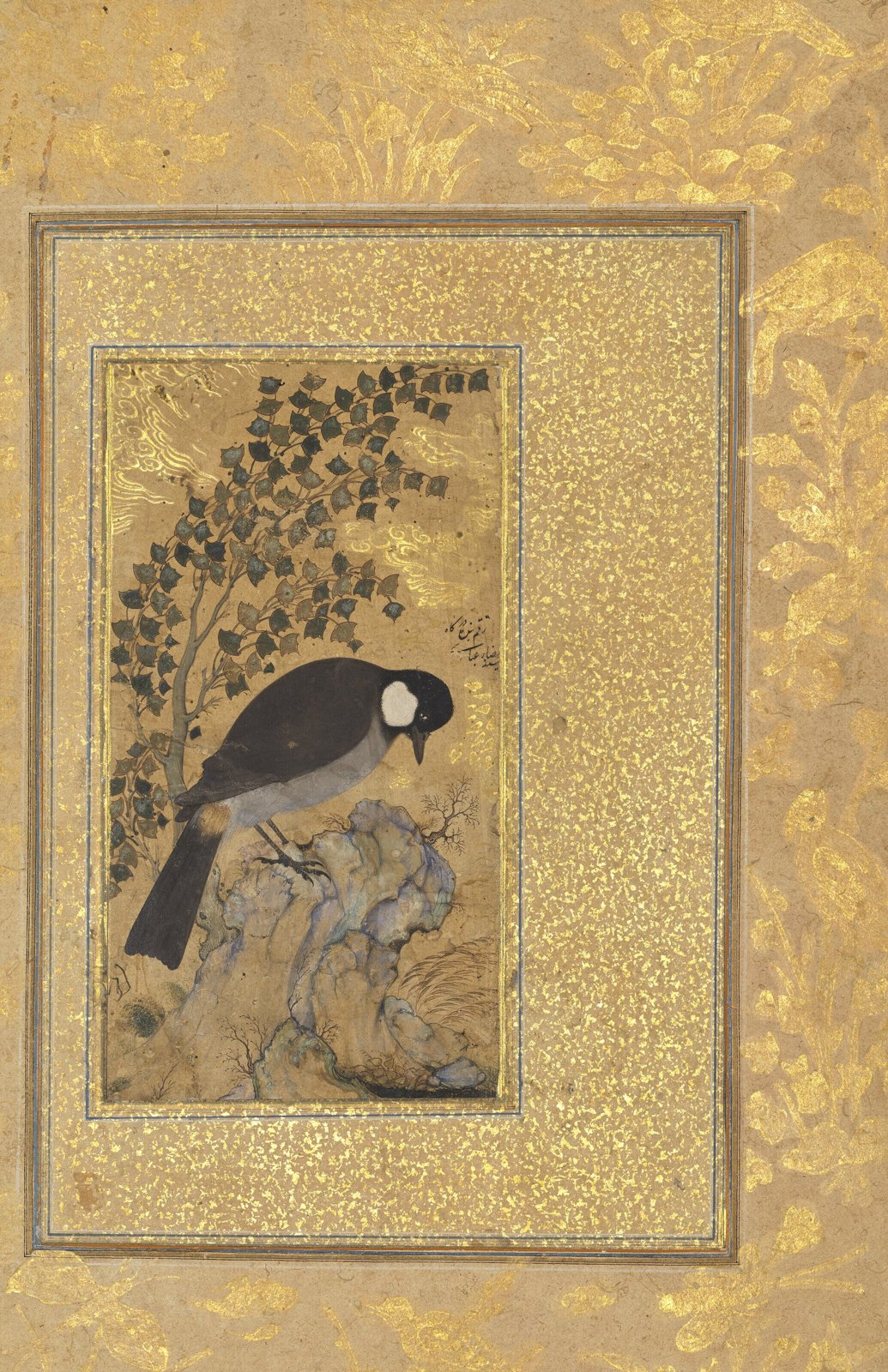
Representative photographs only. Marketplace examples rely on seller descriptions; CraftPersia has not independently authenticated their maker, origin, or rights status. Follow each source link for the listing context.
Timeline
- 14th c.
Ilkhanid and Jalayirid manuscript painting
- 15th c.
Timurid Herat and Behzad
- 16th c.
Safavid Tabriz; Shahnameh of Shah Tahmasp
- 17th c.
Isfahan album painting, Reza Abbasi
- 20th–21st c.
Revival and contemporary miniaturists
References and further reading
These sources provide context, not authentication or provenance for an individual object. Editorial interpretations remain under review.