
Collector guide · 11 min
Quchan Kurdish rugs: weaving of the Khorasan Kurds
Editorial team · updated 2026-10-14
Background
Kurdish groups were resettled in north-eastern Iran centuries ago. Around Quchan and Bojnurd they kept weaving traditions of their own.
Designs
Look for large stepped medallions, bold geometric lattices and strong colours such as red, yellow, blue and green.
Construction
Wool foundations, symmetric knots and long, glossy pile are common. Kilims and bags are also made.
Khorasan versus western Kurdish
Bijar and Senneh rugs are tightly woven and formal. Quchan pieces are looser, bolder and more pastoral in character.
Buying checklist
- Ask the seller what the regional name is based on: town, village group or design only
- Turn the rug over and look at knot type, warp colour and weft count
- Check ends, sides and pile height for wear or re-weaving
- Ask whether dyes have run or been chemically washed
- Get any claim about age, region or handmade origin in writing
Care
Long pile flattens under furniture. Use cups under legs and brush pile gently back up.
A note on this guide
This is general information from the CraftPersia editorial team and has not been reviewed by a specialist. Regional names in the rug trade are market labels, and design alone is weak evidence of origin. This guide is not a valuation or authentication.
Related photographs and screened examples
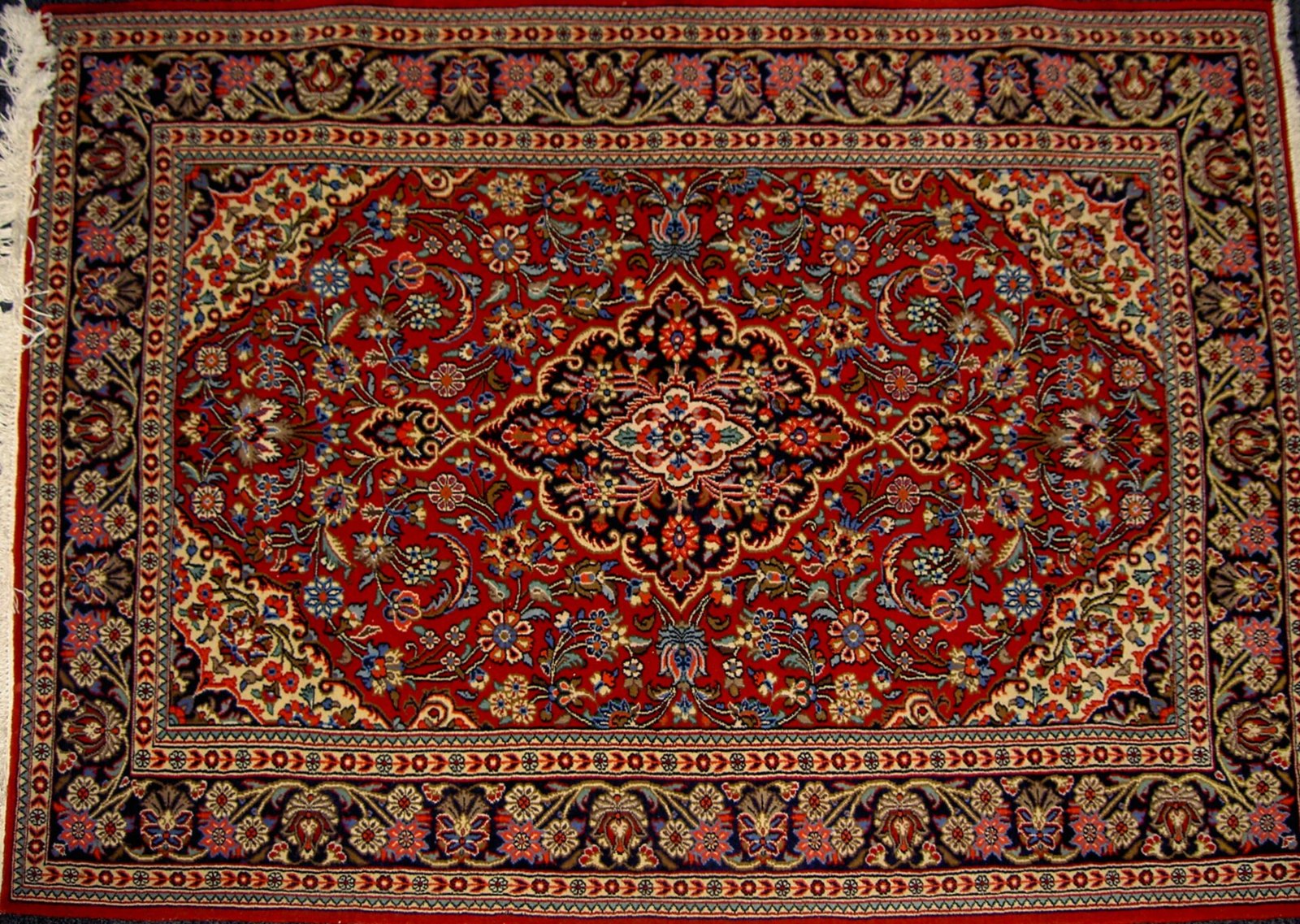
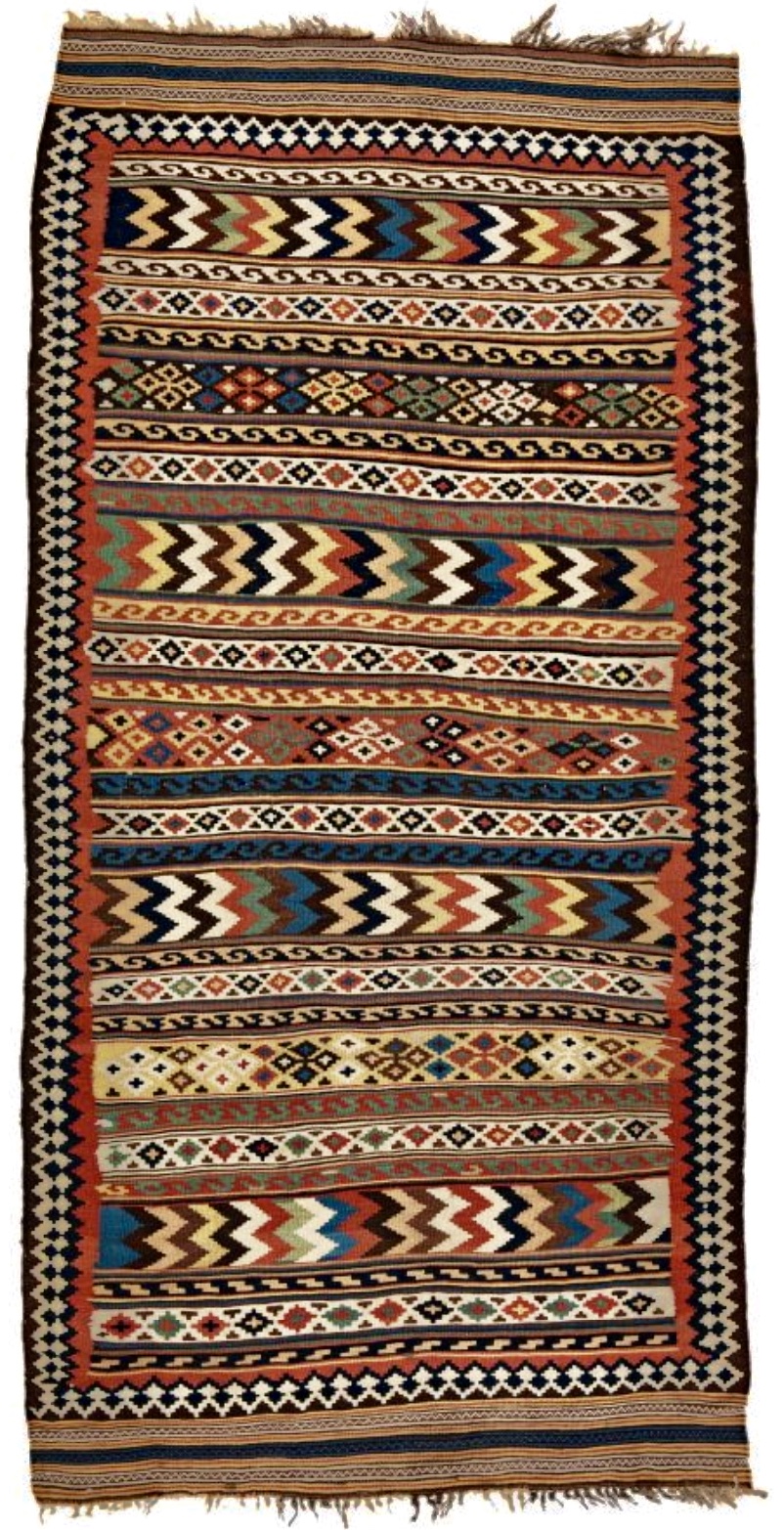
Representative photographs only. Marketplace examples rely on seller descriptions; CraftPersia has not independently authenticated their maker, origin, or rights status. Follow each source link for the listing context.