
Preservation · 7 min
Caring for handmade textiles at home
Editorial team · updated 2026-09-29
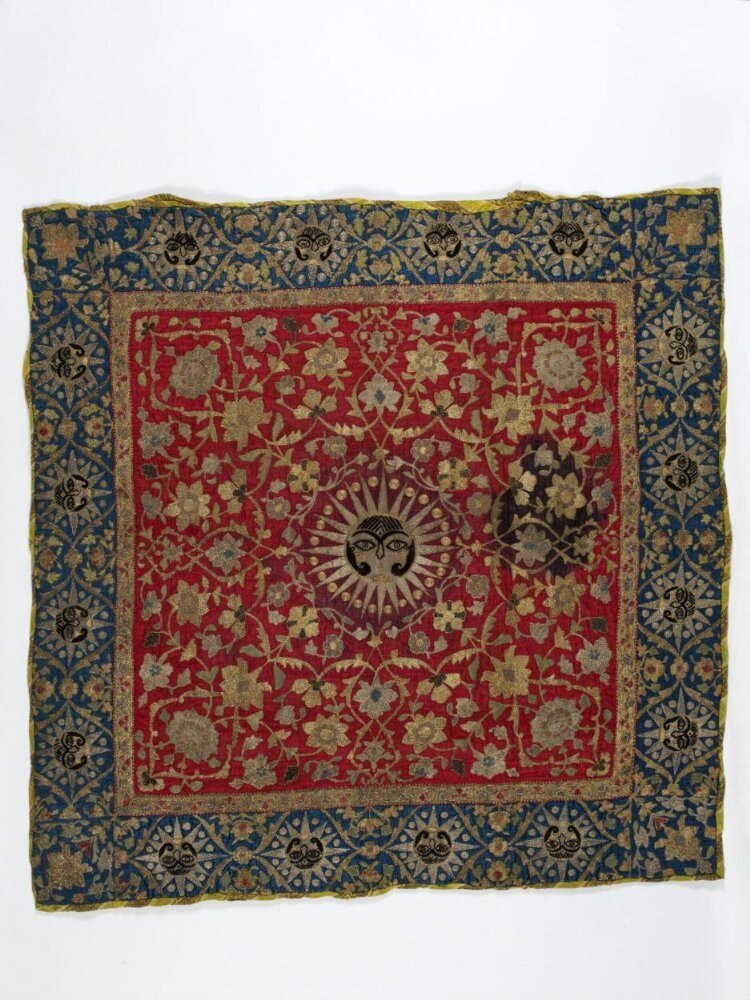
related technique example, not a verified sermeh-duzi attribution · Victoria and Albert Museum · © Victoria and Albert Museum, London (re-use requires review) · Photo source ↗
- Type
- Preservation
- Reading
- 7 min
- Chapters
- 8
- Photos
- 6
Simple, safe habits for termeh, kilims, embroidery and printed cloth: light, dust, moths, folding and cleaning.
Keep light low
Daylight fades natural dyes and weakens silk. Rotate pieces on display and keep them away from direct sun.
Watch for moths
Wool and silk attract clothes moths and carpet beetles. Check folds and backs every few months, and vacuum gently through a screen.
Store rolled, not folded
Roll textiles around a tube wrapped in acid-free tissue, face out. If you must fold, pad the folds and refold in a new place from time to time.
Cleaning
Do not wash printed qalamkar, metal-thread work or old dyed pieces without testing. When in doubt, ask a textile conservator.
- No ironing on metal thread
- No home washing of antique pieces
- Do not wet or rub fragile textiles; seek conservation advice
- Distinguish
- Robust current goods versus fragile historic textiles
- Avoid
- Damp rub tests and unsupervised chemical cleaning
- Storage
- Support structure, seams and raised decoration
Treat the textile as a mixed material system
A cloth can combine silk, wool, cotton, metallic yarn, dyes, backing and earlier repairs. A fibre label on a modern product may not describe every element; an antique may have no dependable material specification. Before cleaning, note loose threads, brittle areas, old folds and unstable stitching.
Contemporary washable goods should be cared for according to a trustworthy maker’s instructions for that particular item. Do not transfer those instructions to an old qalamkar, embroidered cover or termeh simply because the name matches. Historic and fragile objects need an individual assessment.
Reduce exposure and mechanical stress
Direct sunlight and sustained bright display can fade colour and weaken fibres. Keep textiles away from heat, damp and friction. Metallic embroidery needs support so wires and padding do not snag or crush when the cloth is moved.
Check storage and display regularly for dust, insects and changing condition. Gentle suction may be suitable for a stable cloth with a protective screen and reduced suction, but loose fibres or raised elements can make cleaning unsafe. Stop if material detaches rather than increase effort.
Choose rolling, flat support or padded folds by condition
Rolling can avoid sharp creases in appropriate flat textiles, but it is not right for every embroidered or composite object. A sufficiently large clean covered tube and interleaving need to accommodate the structure. Raised decoration, stiff attachments or weak joins may require another support.
If folding is unavoidable, pad the folds and avoid repeating a crease through damaged areas. Keep storage materials clean and compatible and separate textiles from unstable wood or rough surfaces. Ask a conservator about acid-free or buffered materials when sensitive fibres and dyes are present.
Recognise when to stop and seek advice
Do not rub with a damp white cloth as a routine dye test. Moisture and rubbing can cause colour movement and fibre damage without producing a reliable result. Avoid household sprays, spot removers, ironing on metal threads or washing a fragile historical textile.
Active pests, suspected mould, new stains, loose decoration and rapidly worsening holes warrant specialist advice. Retain a record of what happened and any previous treatment. Isolation should avoid crushing or contaminating the textile; home freezing and pesticides should not be prescribed as universal remedies.
Related photographs and screened examples
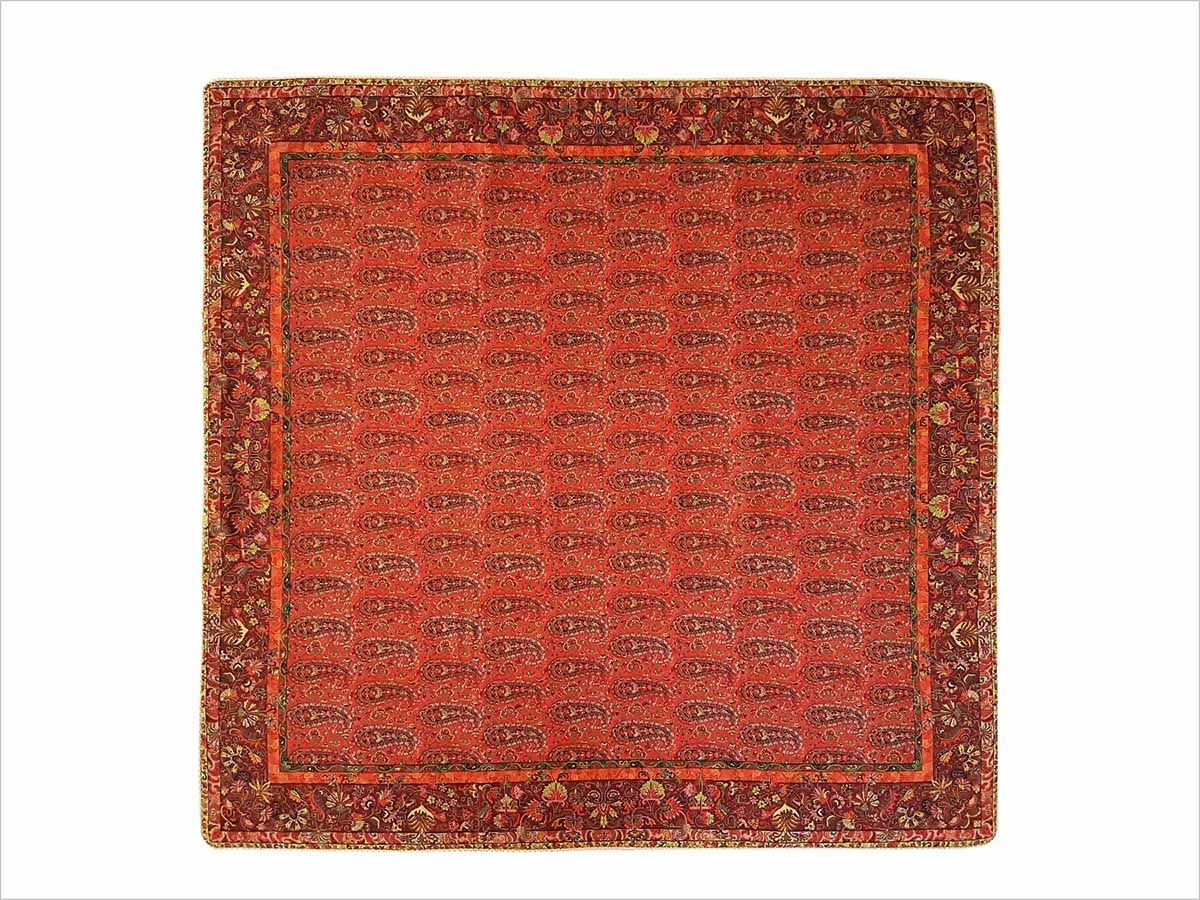
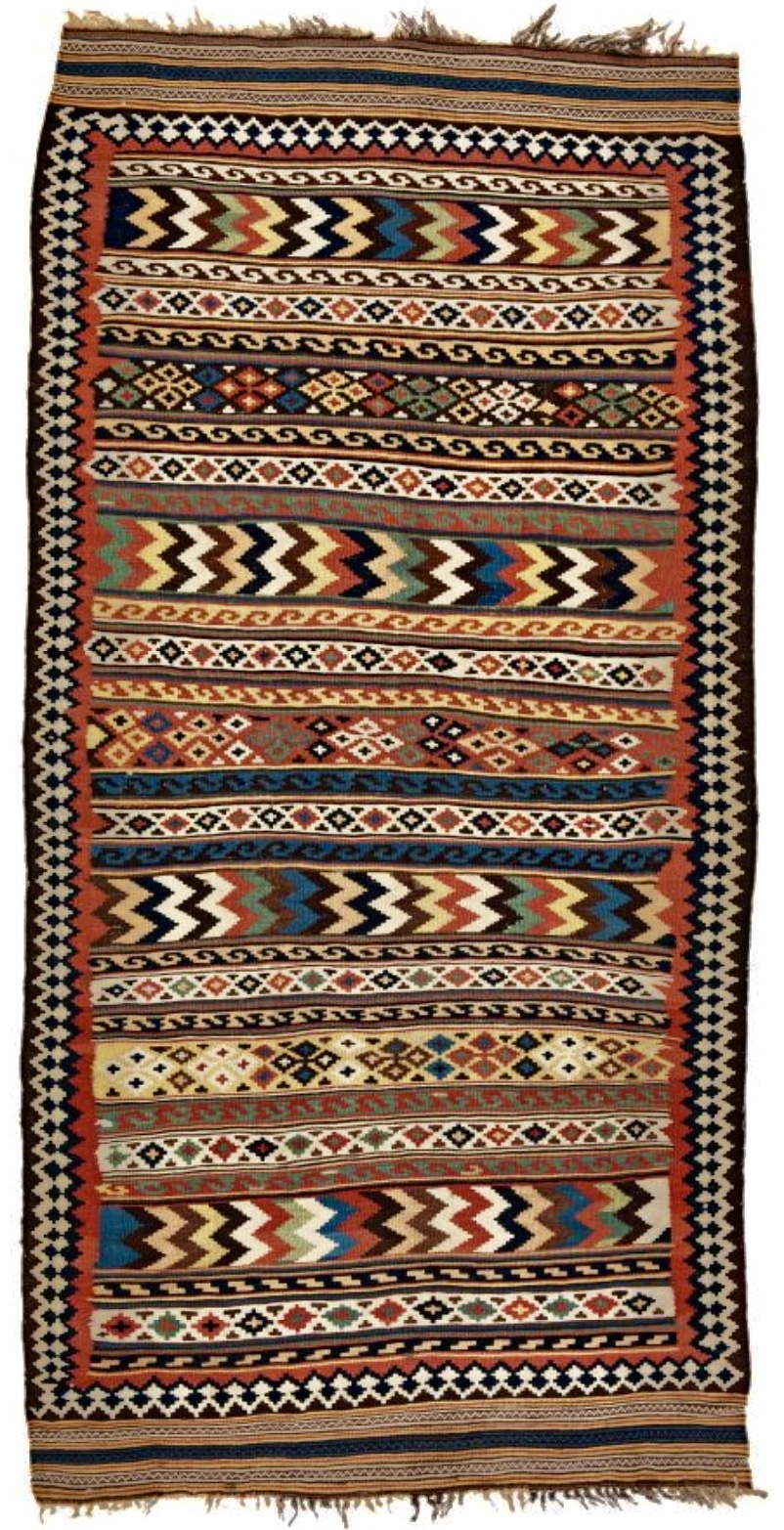
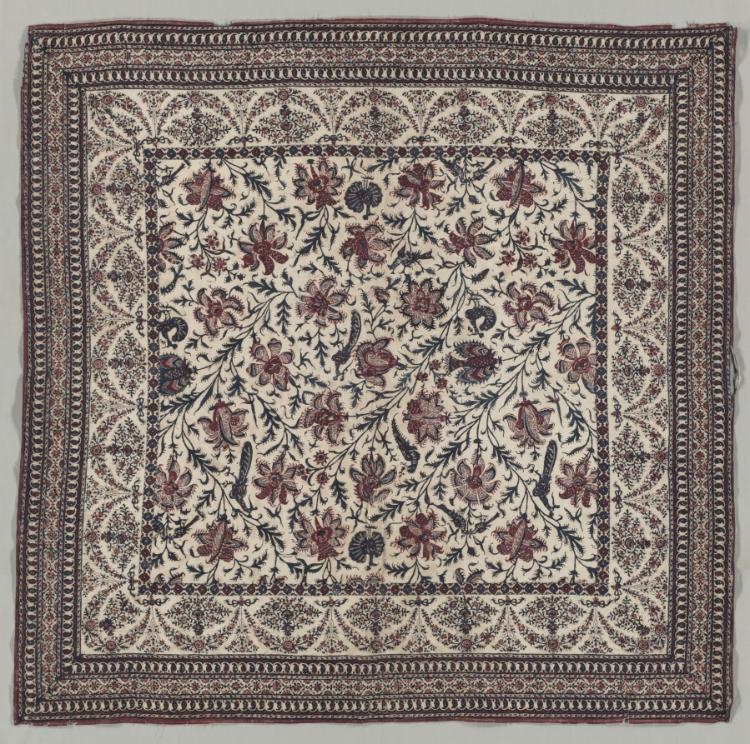
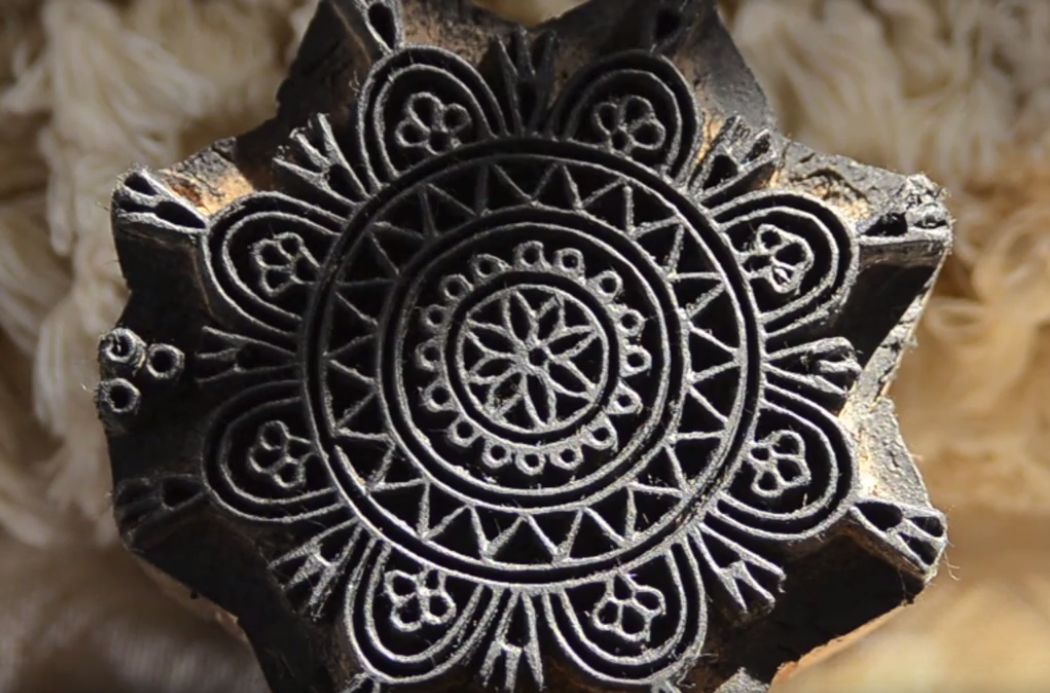
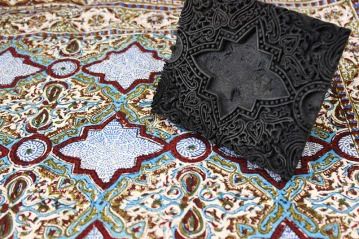
Representative photographs only. Marketplace examples rely on seller descriptions; CraftPersia has not independently authenticated their maker, origin, or rights status. Follow each source link for the listing context.
| Situation | What to ask or inspect | What not to assume |
|---|---|---|
| Robust current textile | Reliable item-specific care instructions | All handmade cloth is washable |
| Metal-thread embroidery | Support and snag-free handling | Ordinary pressing is safe |
| Rolled storage | Structure, raised areas and tube support | Always roll every textile face out |
| Unknown dye stability | Qualified assessment before wet cleaning | A damp rub test is harmless |
References and further reading
- [1] Canadian Conservation Institute — Preventive conservation guidelines ↗General risk guidance; individual mounts and treatments need qualified assessment.
These sources provide context, not authentication or provenance for an individual object. Editorial interpretations remain under review.