
Beginner guide · 12 min
Making Persian musical instruments
Editorial team · updated 2026-09-29
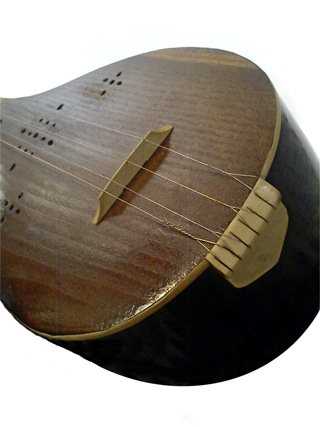
Accessed 15 October 2026.; attribution and origin follow the Commons record and are not independently verified. · Leyth at Persian Wikipedia / کاربر:Ghazy Kelay · GFDL (per Wikimedia Commons; rights review pending) · Photo source ↗
- Type
- Beginner guide
- Reading
- 12 min
- Chapters
- 11
- Photos
- 3
Tar, setar, kamancheh, santur and daf craftsmanship.
Materials
Mulberry and walnut woods, lamb-skin membranes and gut or metal strings.
Workshops
Luthiers work in Tehran, Isfahan, Shiraz and elsewhere.
Buying
Play before buying; ask about wood seasoning and the maker.
- Check neck straightness
- Inspect skin tension
- Ask for maker's label
Instruments and woods
- Tar: a double-bowl body carved from mulberry, with a lambskin face
- Setar: a small long-necked lute with a wooden top
- Kamancheh: a spike fiddle with a skin membrane
- Santur: a hammered dulcimer with walnut boards
- Daf: a frame drum with rings inside
Choosing an instrument
Try an instrument before buying if you can, and ask about the wood, the age of the skin, and the action (string height). Well-known makers have waiting lists. Skins react to humidity, so use a case and avoid extreme heat.
Workshops and makers
Instrument makers work mostly in Tehran, Isfahan and Shiraz. Many train for years under a master, carving bodies from a single block of mulberry or walnut and fitting skins and strings by ear. Sound quality depends heavily on the wood, so makers season it for years.
A note on this guide
This is a general introduction written by the CraftPersia editorial team. It has not yet been reviewed by a specialist. Practice varies between workshops; confirm details with makers or museums, and treat any dates as approximate.
- Tar
- Long-necked lute with a skin-covered double-bowl body
- Setar
- Long-necked lute with a wooden soundboard and four strings
- Craft evidence
- Document maker, materials and repairs independently
Tar and setar: two different soundboards
The tar’s distinctive double-bowl wooden body carries a skin membrane. The setar has a smaller rounded or pear-shaped wooden body with a wooden soundboard; it should not be described as having the tar’s membrane. Both are long-necked plucked instruments, but their construction and response are not interchangeable. Inspect each according to its own design.
Seasoned wood, wall thickness, joints, bridge placement and tension affect the instrument. Materials vary between makers and periods, so avoid prescribing one species or one body-making method for every example. A collection photograph can document shape; it cannot show the full internal construction or establish how a modern workshop builds its instruments.
Follow the making sequence and its evidence
A maker must shape a resonating body, fit a neck, prepare the soundboard or membrane, and set up bridge, strings and pegs. Frets on these lutes are commonly tied and adjustable rather than fixed metal bars. The working sequence involves fitting and acoustic judgment as well as surface finish.
Ask which parts the maker made, which were bought in and what materials were used. A signature or stamp is useful documentary evidence only when its relationship to the maker is established. An old label, decorative inlay or city of sale cannot independently prove workshop origin. Photographs of making and repair records can support a new commission.
Playability and structural condition
An experienced player can check even response, buzzing, tuning and the usable range, while a repairer can assess neck alignment, joints and soundboard or membrane condition. Good decoration does not compensate for unstable structure. Compare instruments under similar conditions; strings, setup and the room affect perceived sound.
Look for open joints, cracks, replaced parts, poorly fitting pegs and previous repairs. Do not tighten strings or adjust a fragile historic instrument merely to hear it. Museum instruments may be preserved as objects rather than maintained for playing. The photograph of an Isfahan-made tar therefore supplies a documented historical comparison, not an endorsement of any current seller.
Preservation, purchase and responsible transport
Rapid changes in humidity and temperature can affect wood, glue joints and skin. Keep an instrument away from direct sun and heaters and use a properly fitted case. Seek the maker’s or repairer’s advice about safe storage tension and setup; generic instructions to slacken or tighten every instrument are inappropriate.
For purchase or shipment, request maker identity, date, materials, repairs and a condition report, plus packing and returns terms. Historic components may need stabilisation instead of replacement. If restoration is proposed, clarify which parts will be changed and retain documentation so future owners can distinguish original material from later work.
- Identify the instrument before applying construction advice
- Ask a player and repairer different assessment questions
- Do not play fragile historic examples without permission
- Document replaced membranes, bridges, frets and pegs
Related photographs and screened examples
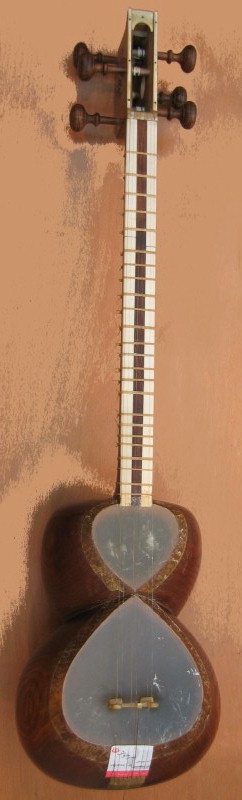
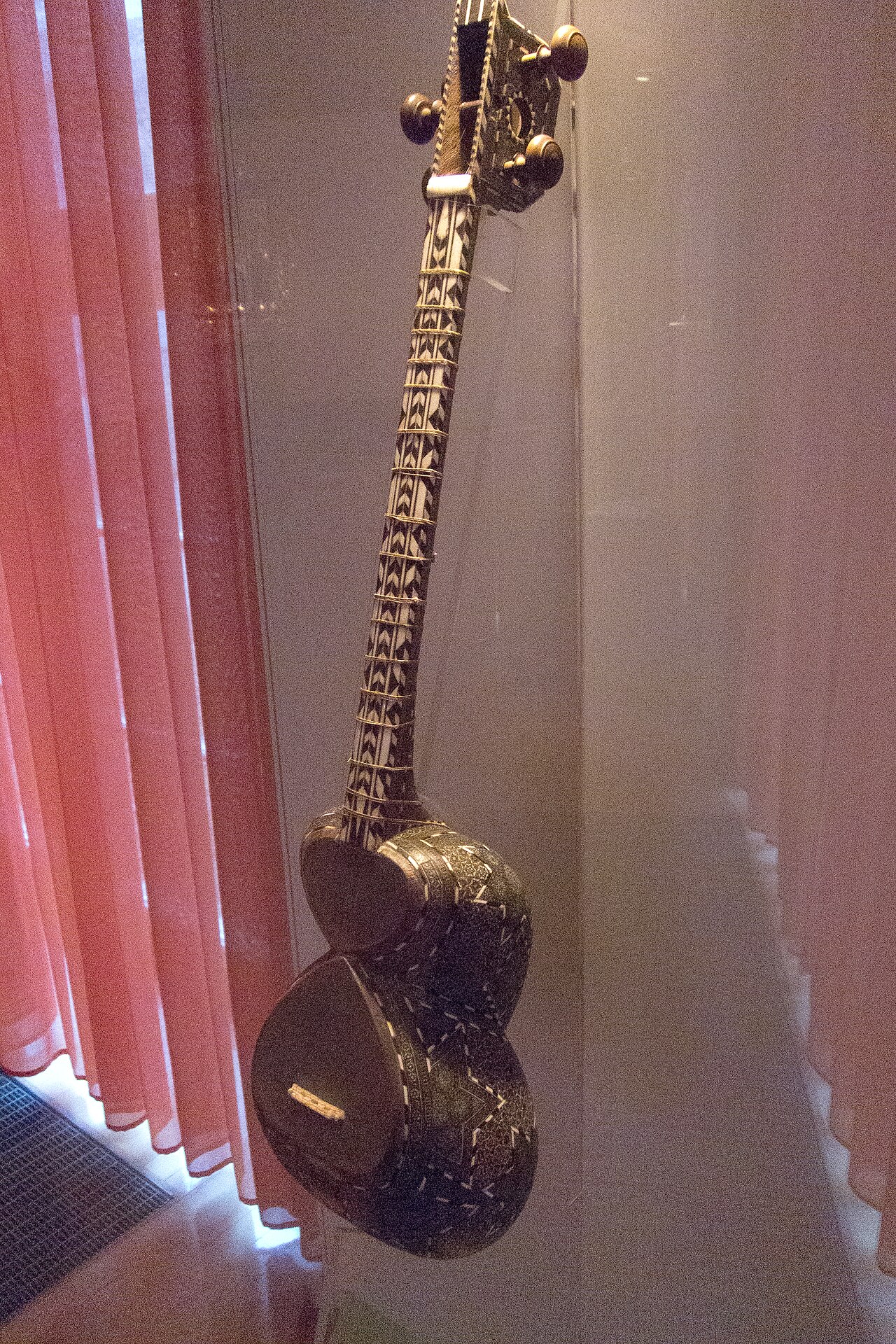
Representative photographs only. Marketplace examples rely on seller descriptions; CraftPersia has not independently authenticated their maker, origin, or rights status. Follow each source link for the listing context.
| Instrument | Sound-producing arrangement | Inspect without intervention |
|---|---|---|
| Tar | Plucked strings; skin-covered body | Membrane, bridge, joints and neck |
| Setar | Plucked strings; wooden soundboard | Soundboard, bridge, body joins and neck |
| Kamancheh | Bowed strings; membrane-covered resonator | Body, membrane, bridge and spike |
| Santur | Struck string courses on wooden body | Soundboard, bridges and tuning hardware |
| Tombak / daf | Struck membrane | Shell or frame, membrane and attachment |
References and further reading
- [1] Encyclopaedia Iranica — Čahārtār ↗Historical instrument terminology; current setup varies.
- [2] H. E. Wulff, The Traditional Crafts of Persia (1966)Historical craft background, not certification of any modern maker.
These sources provide context, not authentication or provenance for an individual object. Editorial interpretations remain under review.