
Buying guide · 11 min
Persian silk rugs: Qom, Isfahan, Tabriz and checking real silk
Editorial team · updated 2026-09-29
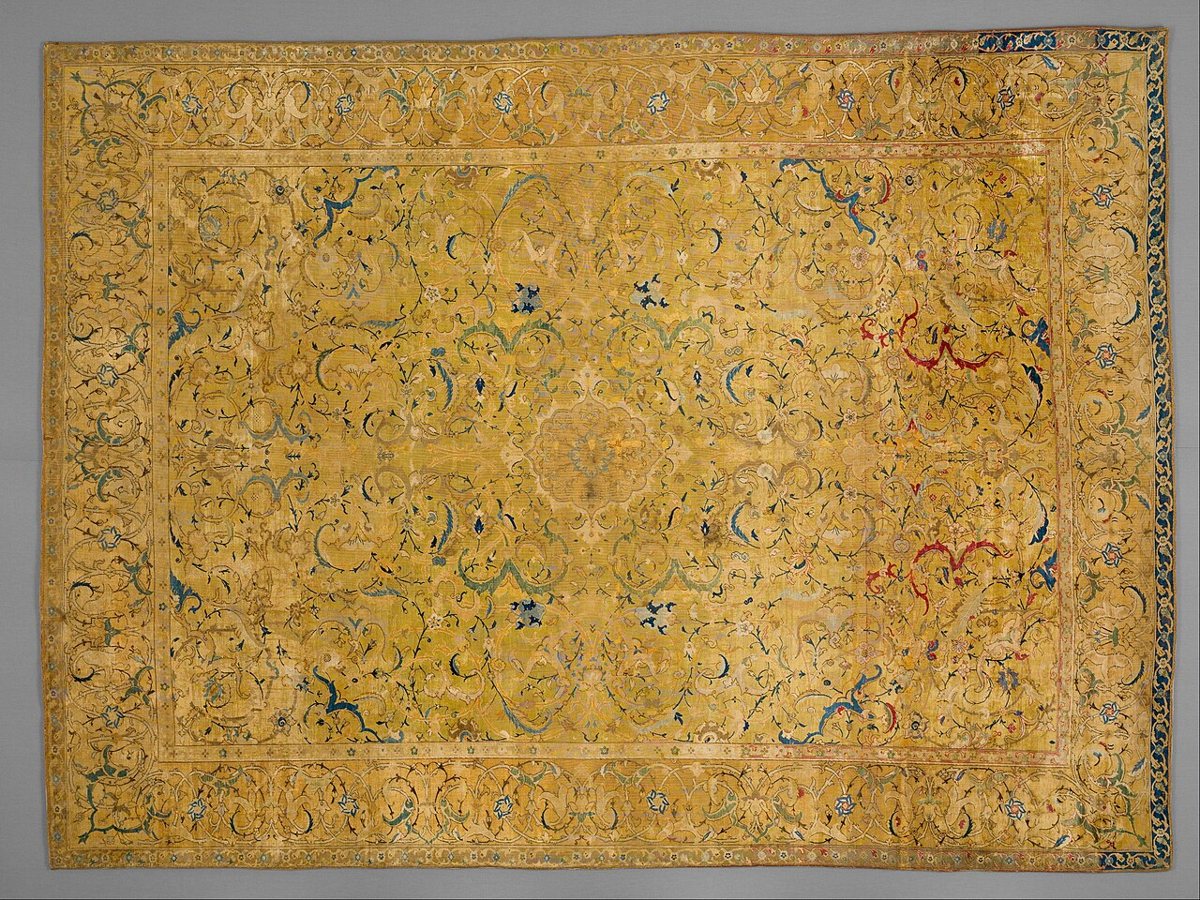
Accessed 15 October 2026.; attribution and origin follow the Commons record and are not independently verified. · Unknown, Iran, 1575-1625 (Iran) · Public domain (per Wikimedia Commons; rights review pending) · Photo source ↗
- Type
- Buying guide
- Reading
- 11 min
- Chapters
- 9
- Photos
- 6
Persian silk rugs are hand-knotted with silk pile, mainly from Qom, Isfahan, Tabriz and Kashan; many 'silk' rugs are artificial silk.
Where silk rugs are made
- Qom: the best-known centre for all-silk rugs since the mid-20th century
- Isfahan: wool pile with silk foundations and highlights
- Tabriz: silk and wool-and-silk pieces
- Kashan: historic silk production
Real silk vs. artificial silk
Artificial silk (viscose, 'art silk', 'bamboo silk') is common. Real silk:
- Feels cool, dry and slightly crisp
- Keeps its sheen when slightly damp; viscose goes limp
- Burns slowly with a hair-like smell (a burn test should be done by a professional)
- Has very fine, clear knots on the back
Why silk rugs cost more
Silk allows extremely fine knotting, so a silk rug can have several times more knots than a wool rug of the same size.
Care
Silk rugs are best for low-traffic areas or walls. Avoid sunlight, and never wash at home.
Real silk or not?
Artificial silk (viscose, ‘art silk’ or ‘bamboo silk’) is often sold as silk. Real silk feels warm and slightly dry; viscose feels cool and slippery and weakens when wet. A burn test on a loose fibre is one check: real silk smells like burnt hair. Ask for written confirmation.
Care
Silk rugs suit low-traffic areas. Avoid sunlight and water spills, and have them professionally cleaned.
Crafts covered in this guide
Persian carpet (فرش ایرانی) — A hand-knotted pile textile woven across Iran in city workshops, village looms and pastoral camps, distinguished by regional structure, palette and design vocabulary.
Materials, techniques and centres
Persian carpet is recorded in the archive with wool, silk, cotton and natural dyes as principal materials, and knotted pile weaving as the technique. Associated centres include Tabriz, Isfahan, Kashan, Kerman, Qom and Shiraz; a place name on its own does not establish where an individual object was made.
Collecting and next steps
When applying this guide to a specific object, work from what can be observed: structure, materials, tool marks, repairs and documentation. Ask the seller or maker for written statements about who made the piece, where, from what materials, and what has been repaired or replaced.
The steps here are educational; identification, conservation and valuation of an individual object require appropriate independent expertise.
Related photographs and screened examples
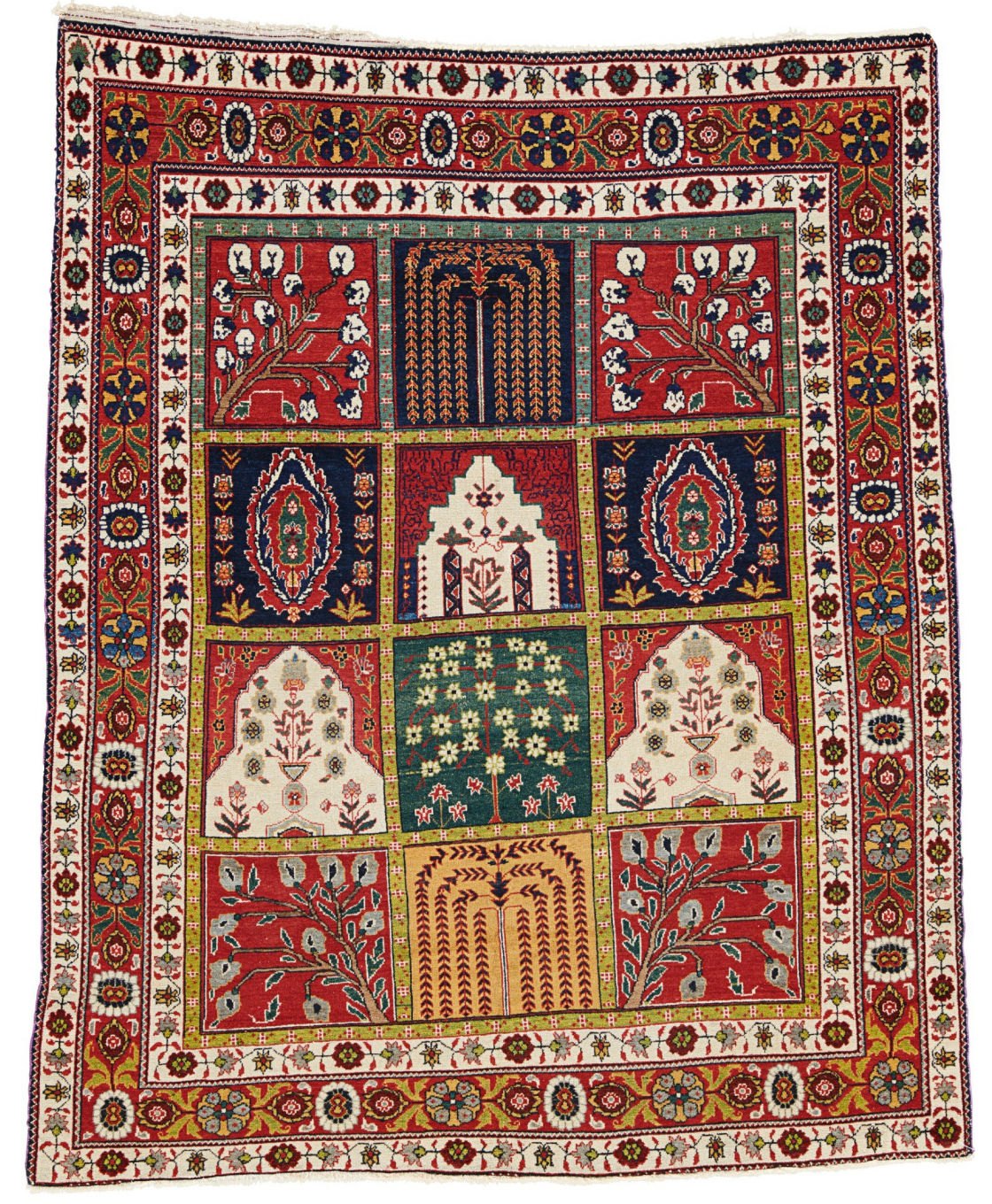

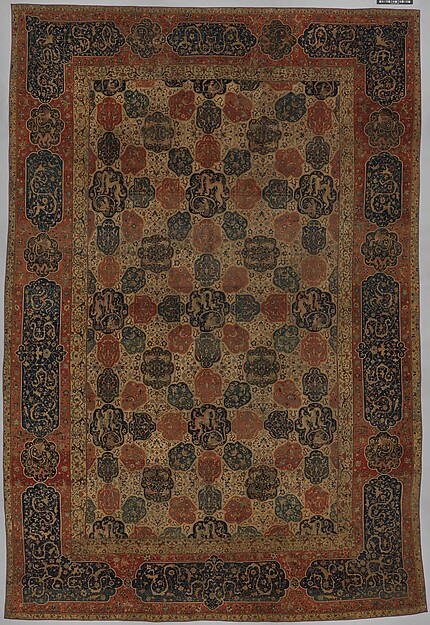
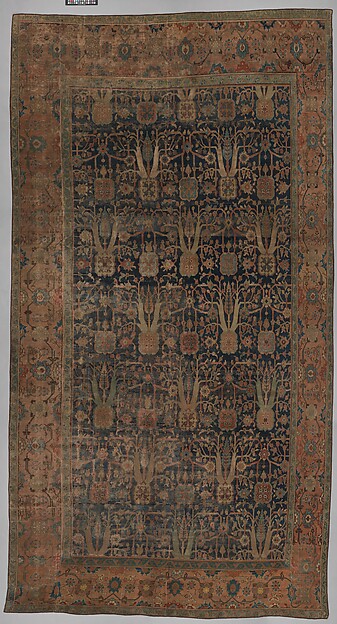
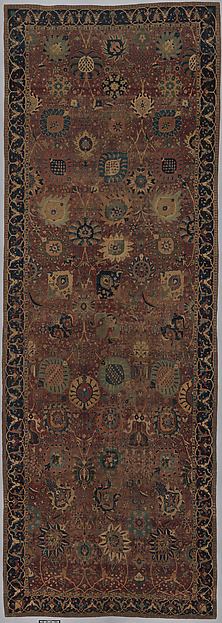
Representative photographs only. Marketplace examples rely on seller descriptions; CraftPersia has not independently authenticated their maker, origin, or rights status. Follow each source link for the listing context.
References and further reading
- [1] H. E. Wulff, The Traditional Crafts of Persia, MIT Press, 1966.General historical craft reference, not evidence for a particular object.
These sources provide context, not authentication or provenance for an individual object. Editorial interpretations remain under review.