
Preservation · 8 min
Displaying textiles on the wall
Editorial team · updated 2026-09-29
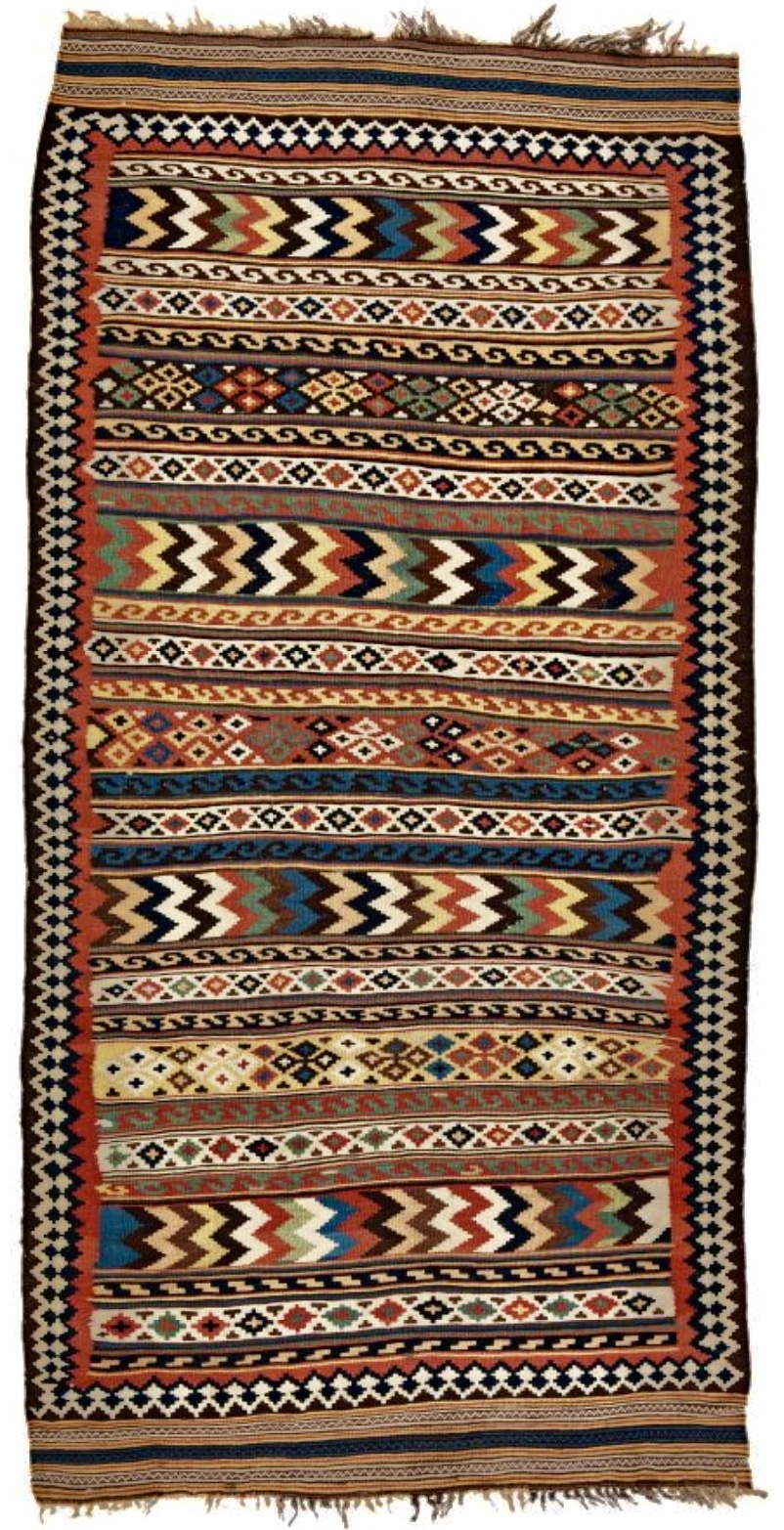
Unknown tribal weaver; photograph by auction house (per Commons) · Public domain (per Wikimedia Commons) · Photo source ↗
- Type
- Preservation
- Reading
- 8 min
- Chapters
- 7
- Photos
- 4
Hanging methods that spread the weight and avoid damage.
Use a sleeve or Velcro strip
Assess the textile’s strength and distribute its load through a compatible support. Sleeves or stitched hook-and-loop systems are options for suitable stable textiles, not universal methods for fragile objects. Never use nails, staples or adhesive-backed tape through the textile.
Light
Keep away from direct sun. Rotate displayed pieces so each rests in the dark for part of the year.
Hanging methods
- Assess strength before any stitched mounting; fragile textiles need a conservator
- Use a planned support system, never adhesive-backed tape on the textile
- Avoid pins, staples and frames that crush the textile
- Rotate textiles on display to limit light damage
- Priority
- Distribute load without stressing fragile yarns
- Light
- Damage accumulates; rotation cannot reverse it
- Mounting
- Historic textiles need object-specific advice
Assess whether hanging is appropriate
Inspect the textile’s upper edge, seams and any previous mounting before deciding to hang it. Heavy flatweaves and brittle silk do not tolerate the same support. Loose embroidery, metal threads, moth losses and weakened folds can make suspension unsafe even when the face looks complete.
A robust modern furnishing textile may accept a planned sewn support. A fragile historic cloth may need full backing, a supported frame or storage rather than display. A textile conservator can determine where loads can safely pass; do not stitch through weak areas just because a sleeve is a familiar method.
Treat sleeves and hook-and-loop as systems, not quick fixes
A mounting system combines the original textile, a compatible support fabric, stitching and the wall hardware. A sleeve or stitched hook-and-loop strip should distribute weight along an appropriate supported area. Adhesive-backed tape should not contact the textile.
Hardware and battens need sufficient capacity, smooth protected surfaces and secure attachment independent of the textile. Avoid exposed nails, staples and pressure from a tight frame. A method that holds the piece today may still strain its edge over months; inspect for sagging, puckering and displaced stitches.
Control light, damp and display duration
Keep textiles away from direct sun, heaters, damp exterior walls and strong air currents. Light damage affects dyed yarns and fibres and accumulates with exposure. Taking a piece down later does not restore faded colour or weakened silk.
Plan lower-light display and periods of supported storage where feasible. Check the wall and mount for dust, condensation or pests. An enclosed frame can introduce its own risks if materials are incompatible or humidity becomes trapped, so framing a vulnerable object needs appropriate design rather than a decorative off-the-shelf solution.
Document changes and remove safely
Photograph the textile before mounting and record the support, materials and date. Inspect edges, folds and contact points regularly without pulling the cloth. If distortion, detached yarn or active pests appear, arrange supported removal and seek advice.
Have enough people and a clean support ready when taking a large piece down. Do not release one corner and let the weight hang from another. The related object photographs here are not demonstrations of approved mounts, and no mounting detail should be inferred from a front view alone.
Related photographs and screened examples
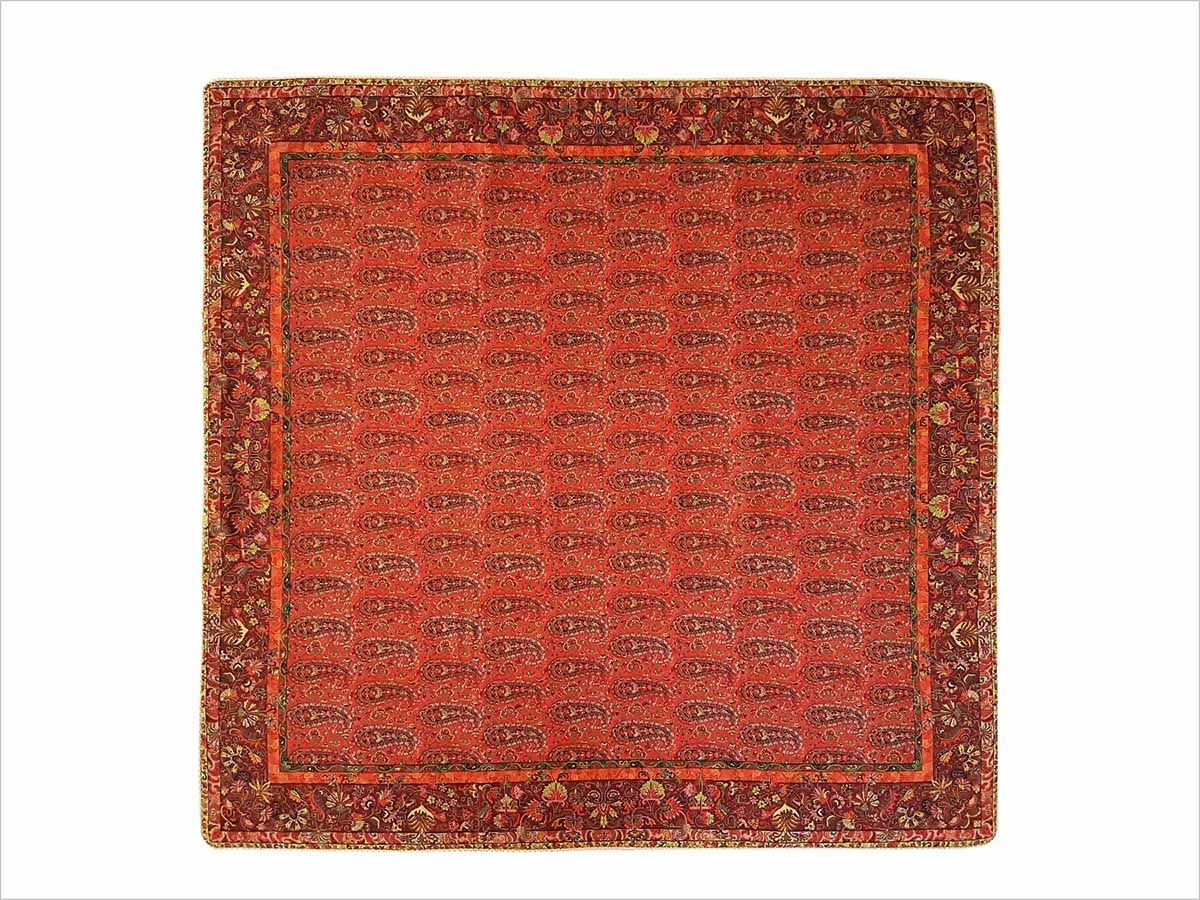
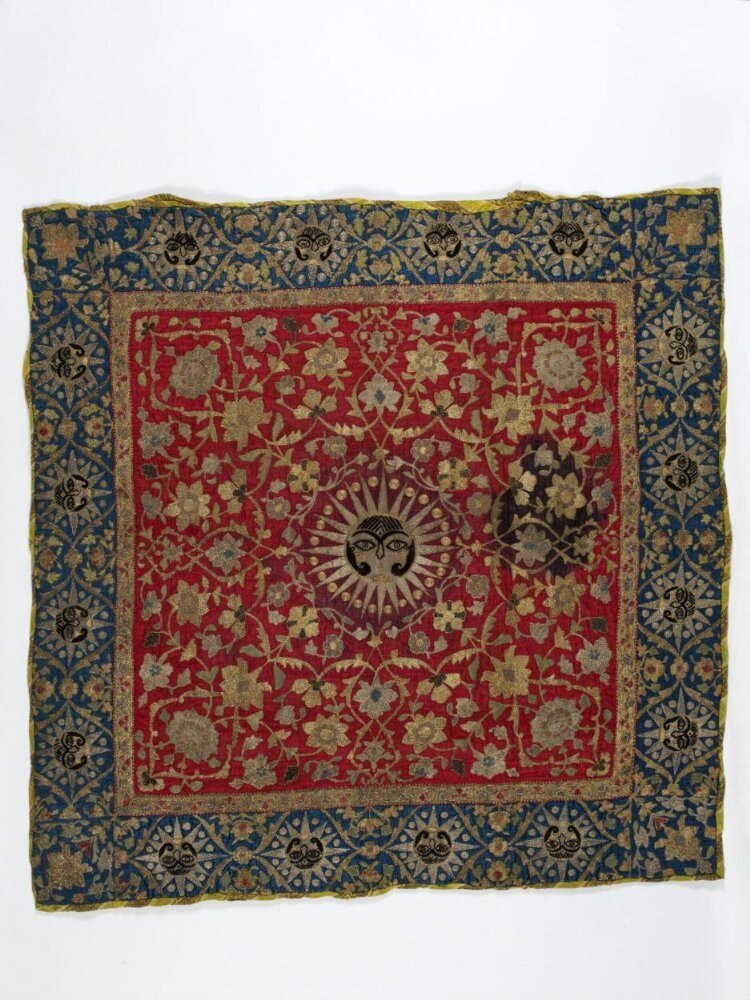
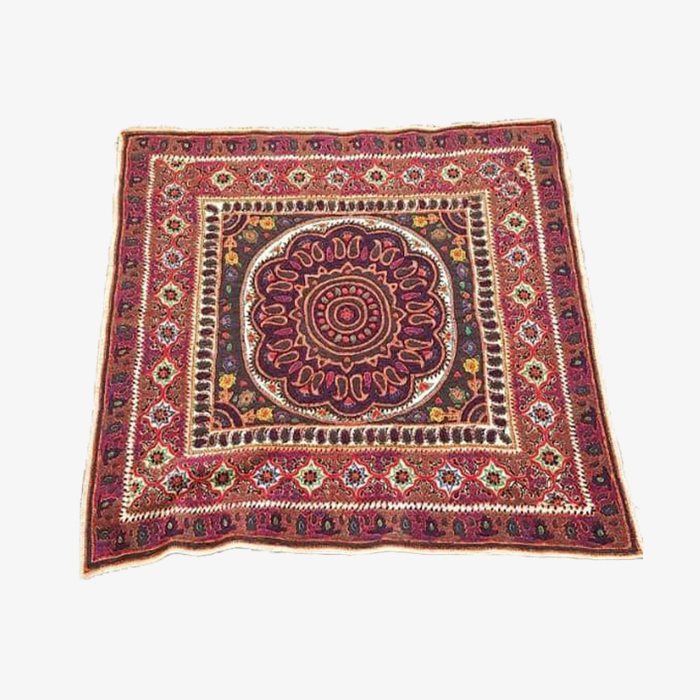
Representative photographs only. Marketplace examples rely on seller descriptions; CraftPersia has not independently authenticated their maker, origin, or rights status. Follow each source link for the listing context.
| Situation | What to ask or inspect | What not to assume |
|---|---|---|
| Heavy textile | Whole-width load and wall hardware | A few stitches carry every load |
| Weak silk or metal thread | Conservator assessment | Ordinary sewing is harmless |
| Adhesive tape | Keep adhesive away from original cloth | A removable label means residue-free |
| Sunny wall | Reduce exposure or choose another location | Rotation reverses fading |
References and further reading
- [1] Canadian Conservation Institute — Preventive conservation guidelines ↗General risk guidance; individual mounts and treatments need qualified assessment.
These sources provide context, not authentication or provenance for an individual object. Editorial interpretations remain under review.