
Buying guide · 11 min
How crafts are priced in Iranian bazaars
Editorial team · updated 2026-09-29
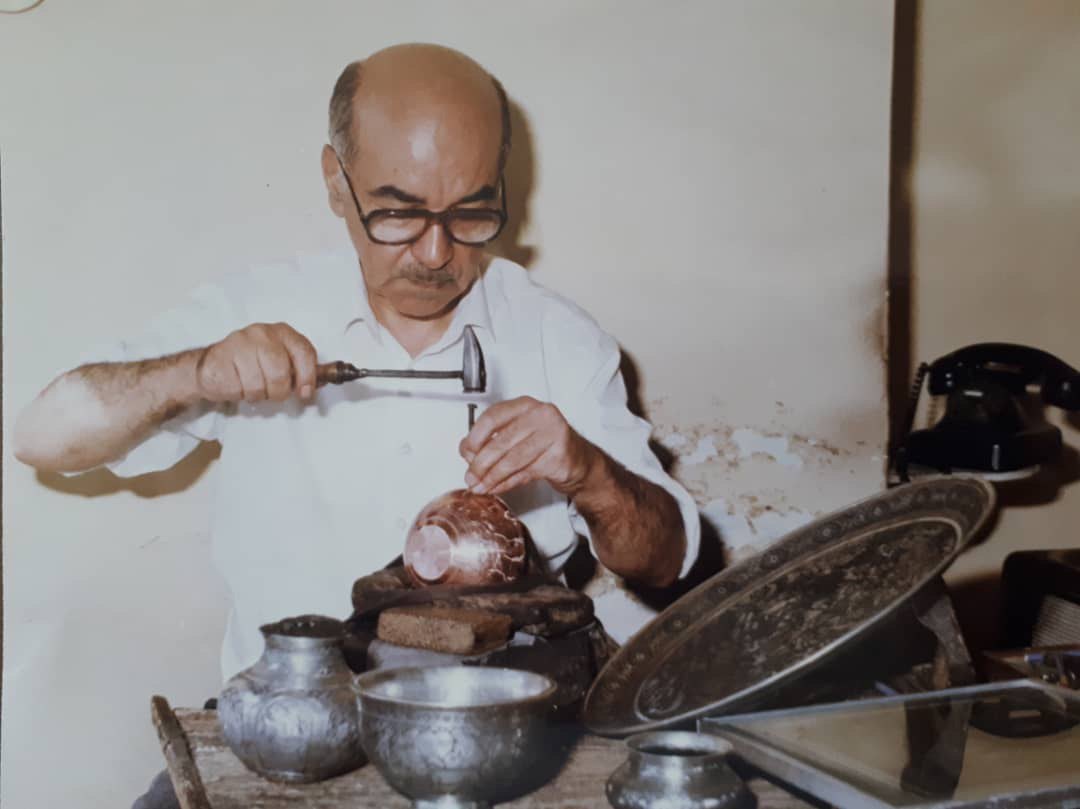
2015-01-01 · Mbmasoudi · CC BY-SA 4.0 · Photo source ↗
- Type
- Buying guide
- Reading
- 11 min
- Chapters
- 10
- Photos
- 4
Labour, materials and middlemen: the parts that make up a bazaar price.
Labour
Most of the price in fine crafts is time. A dense piece can take weeks or months.
Materials
Silver, silk and gold thread raise prices sharply.
Bargaining
Bargaining is common in bazaars but prices in fixed-price shops and cooperatives are often fair already.
What drives price
- Materials (silk, silver, gold, fine wool)
- Labour time, often the biggest factor
- The master's reputation
- Exchange-rate changes
- The shop's location (tourist areas cost more)
Bargaining
Polite bargaining is common in bazaars, but fixed-price shops also exist. Compare several shops, ask for a written description, and do not push the price below what the work is worth.
A note on this guide
This is a general introduction written by the CraftPersia editorial team. It has not yet been reviewed by a specialist. Confirm details with makers, conservators or museums, and treat any dates as approximate.
Build a comparable description before comparing prices
Two objects with the same craft name may differ in size, structure, materials, finish and condition. Record those variables first. A khatam box includes a core, inlay, surface finish and fittings; an engraved vessel includes metal thickness, forming, decoration and any lining. A rug price may reflect design, materials, condition and a dealer attribution that still requires support.
Ask what is included in the quote: tax, packing, delivery, fittings or a repair. Use the same currency and date when comparing offers, and record any conversion charges separately. A catalogue asking price, an auction estimate and a completed sale are different kinds of evidence, not interchangeable valuations.
Labour is specific to the process
Fine detail can take time, but visible complexity does not produce a reliable hours estimate. Repeated components, specialised tools, shared labour and prefabricated bases can change the work involved. Ask which stages the named workshop performs and whether the item was commissioned, produced for stock or assembled from purchased parts.
A seller’s time estimate is a stated account, not an independently measured production record. Likewise, irregularity is not proof of handwork and evenness is not proof of machinery. Compare documented materials and construction rather than use a handmade premium as a substitute for evidence.
Condition and attribution should stay visible
Repairs, missing parts, weakened foundations and refinishing affect use as well as how an object is described. Ask for a written condition statement and views of concealed areas. A lower price may reflect an honest condition issue rather than a bargain; a higher price may depend on an attribution the seller cannot substantiate.
For older objects, separate the cost of conservation, legal provenance research and appropriate packing from the purchase amount. Do not estimate investment return from a craft category or treat an auction result for a different object as your object’s value. An independent specialist may be needed for significant decisions.
Agree the transaction rather than chase a universal discount
There is no dependable percentage that every bazaar price should be reduced by. Trading practices vary between sellers, objects and commissions. Discuss the object and written terms respectfully, especially where an identified maker is selling their own work. A commission needs dimensions, materials, milestones and a clear agreement about changes.
Keep the final invoice, maker and seller identities, condition description, returns policy and any promised documentation. If the seller cannot support an origin or material claim, record the uncertainty or decline the purchase. A negotiated price never turns an unsupported claim into evidence.
- Compare like dimensions and materials
- Separate estimate, asking price and sale result
- Record repairs before agreeing a price
- Put delivery and returns terms in writing
Related photographs and screened examples
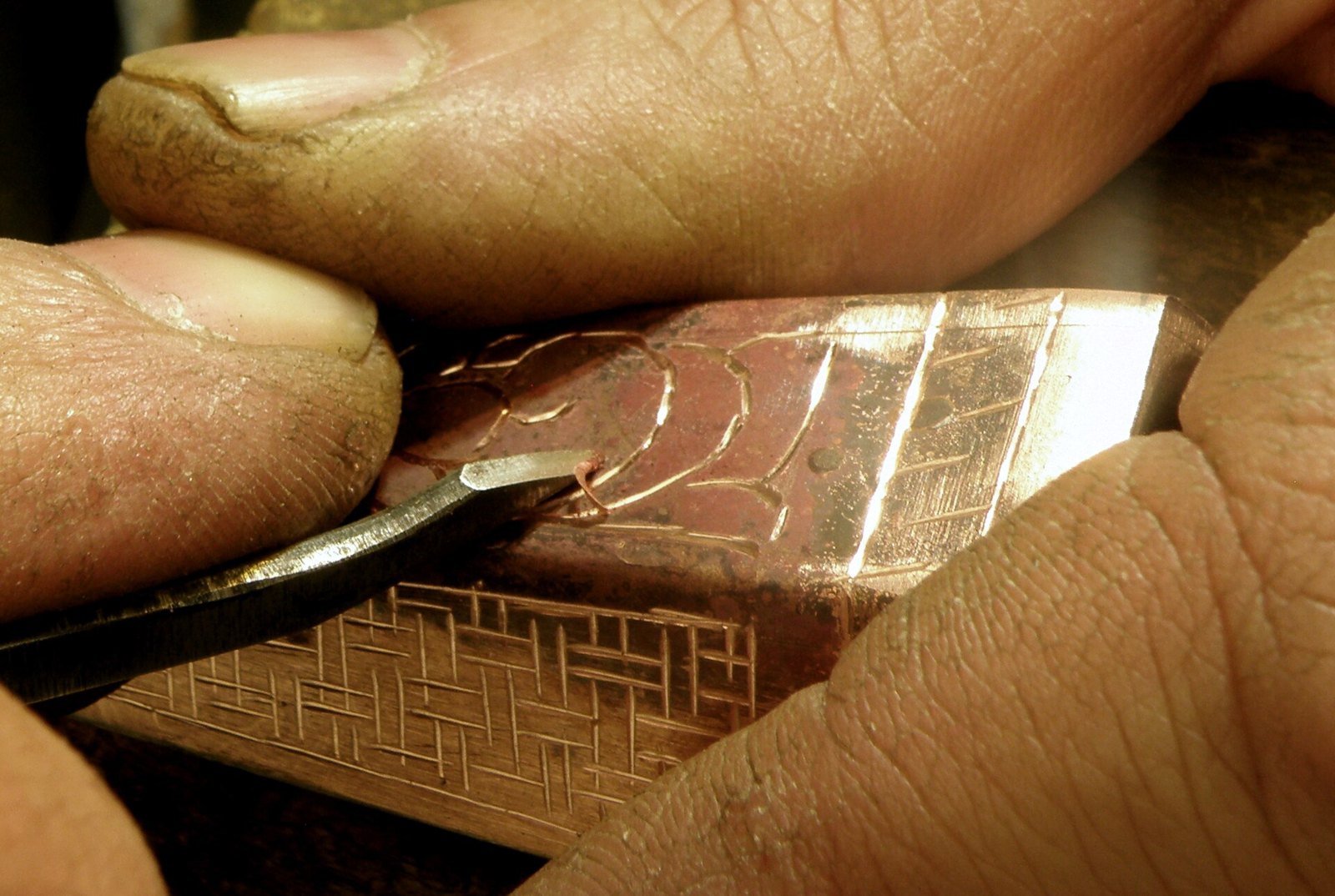
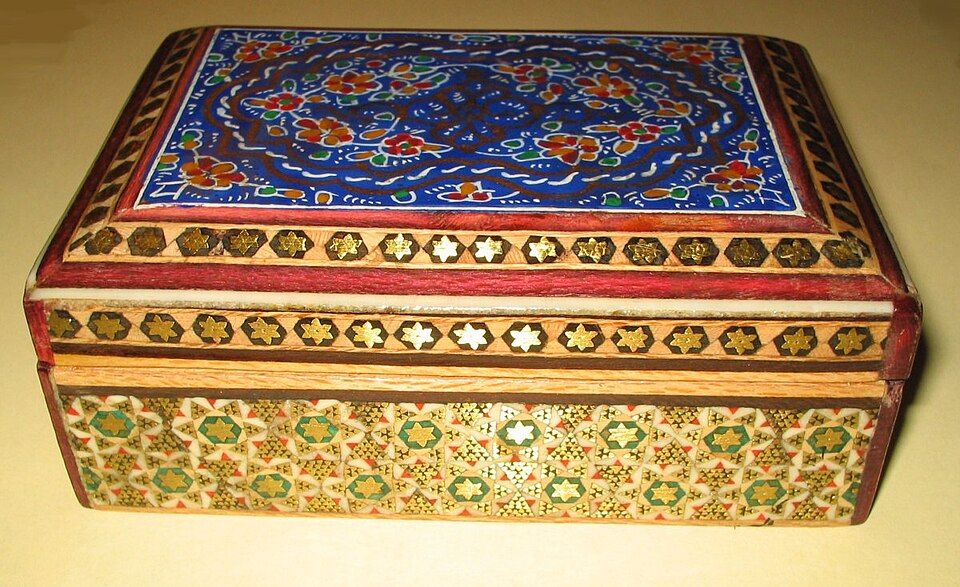
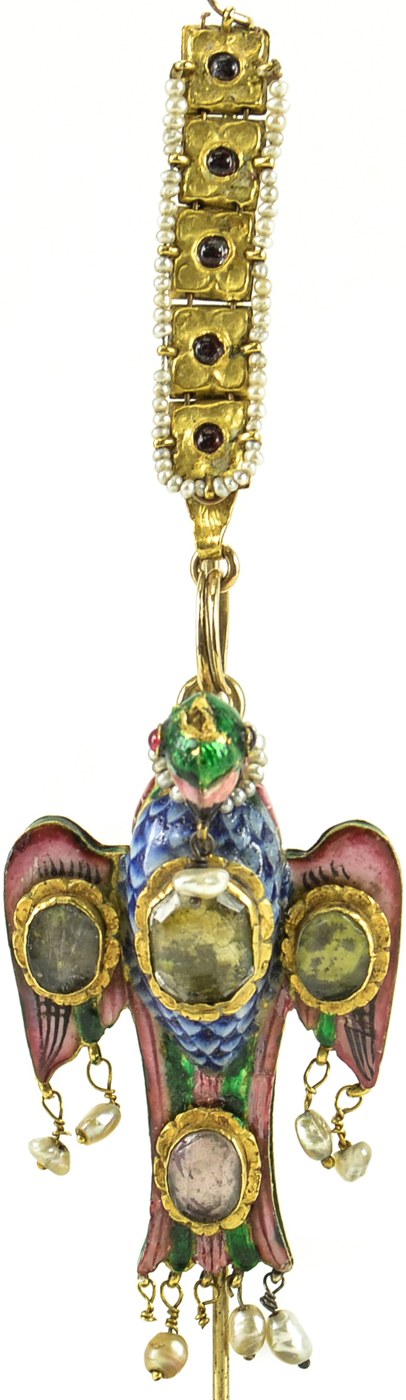
Representative photographs only. Marketplace examples rely on seller descriptions; CraftPersia has not independently authenticated their maker, origin, or rights status. Follow each source link for the listing context.
| Record | Useful for | Limit |
|---|---|---|
| Current seller quote | Terms for that particular offer | Not a completed sale |
| Auction estimate | The house’s pre-sale expectation | Not a guarantee or total landed cost |
| Documented sale result | A dated transaction for one object | Not automatic valuation of similar work |
References and further reading
- [1] H. E. Wulff, The Traditional Crafts of Persia (1966)Historical descriptions; not evidence of current prices, individual makers or present-day workshop access.
These sources provide context, not authentication or provenance for an individual object. Editorial interpretations remain under review.