
Beginner guide · 11 min
Abr-o-bad: Persian paper marbling
Editorial team · updated 2026-10-03
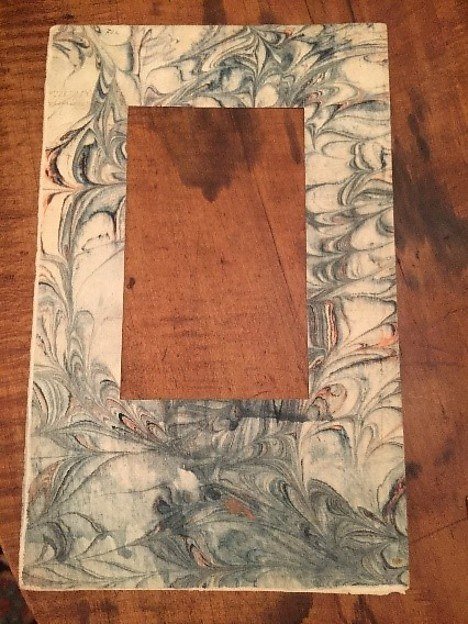
The Met · Public domain (museum open access) · Photo source ↗
- Type
- Beginner guide
- Reading
- 11 min
- Chapters
- 9
- Photos
- 1
Abr-o-bad, 'cloud and wind', floats pigments on a thickened bath and transfers the pattern to paper — used for calligraphy borders and art.
The process
- Thicken water with a size such as gum tragacanth
- Sprinkle pigments mixed with ox-gall so they spread
- Comb or blow the colours into patterns
- Lay paper on the surface and lift it off
Uses
Marbled papers frame calligraphy panels (qat'eh), line bookbindings and appear as independent artworks.
Every sheet is unique
Because the pattern is lifted from a floating surface, no two marbled sheets are identical — a quick way to spot digital prints, which repeat exactly.
Process
Abr-o-bad, the Persian name for paper marbling, floats colours on a thickened water bath (size). The marbler combs or blows the colours into patterns, then lays a sheet of paper on top to lift the design. Each sheet is unique.
- Hand-marbled sheets: slight edge irregularities
- Printed imitations: dot screen under magnification
- Ask for the paper weight and whether it is acid-free
Questions to ask before buying
Ask the seller who made the piece and where, and get the answers in writing on the receipt. CraftPersia lists only work made in Iran or by Iranian makers; ‘Persian style’ is not the same thing as Persian-made. A seller who knows the work will usually be glad to explain the materials and how it was made.
- Is it hand-marbled or printed?
- What kind of paper is it?
- Is it suitable for framing or bookbinding?
A note on this guide
This is a general introduction written by the CraftPersia editorial team and has not yet been reviewed by a specialist. Workshop practice varies between towns and families; treat dates and figures as approximate and confirm details with makers, museums or published scholarship before relying on them.
Crafts covered in this guide
Paper marbling (Abr-o-bad) (ابر و باد) — A decorative paper technique in which pigments are floated and manipulated on a thickened liquid bath and then transferred to a sheet of paper by careful contact, producing swirling, veined patterns historically used for manuscript covers, borders and endpapers.
Materials, techniques and centres
Paper marbling (Abr-o-bad) is recorded in the archive with paper as principal materials, and paper marbling as the technique. Associated centres include Isfahan and Tabriz; a place name on its own does not establish where an individual object was made.
Collecting and next steps
When applying this guide to a specific object, work from what can be observed: structure, materials, tool marks, repairs and documentation. Ask the seller or maker for written statements about who made the piece, where, from what materials, and what has been repaired or replaced.
The steps here are educational; identification, conservation and valuation of an individual object require appropriate independent expertise.
References and further reading
- [1] H. E. Wulff, The Traditional Crafts of Persia, MIT Press, 1966.General historical craft reference, not evidence for a particular object.
These sources provide context, not authentication or provenance for an individual object. Editorial interpretations remain under review.