
Collector guide · 10 min
Khorjin, mafrash and tribal bags: woven storage of Iranian nomads
Editorial team · updated 2026-10-12
Bags for a moving home
Nomadic families in Iran stored their belongings in woven bags that could be loaded onto animals. The bags were made with the same pile, flatweave and soumak techniques as rugs. They are practical objects, so most surviving bags show wear.
Main types
- Khorjin: a double saddlebag with two pouches joined by a band
- Mafrash: a large box-like bag for bedding
- Namakdan: a salt bag with a narrow neck
- Chanteh: a small personal bag
- Torbeh: a long, shallow storage bag
Construction
Many bags combine techniques: a pile or soumak front with a plain flatwoven back. Closures are made with woven loops or slits. Groups such as the Qashqai, Bakhtiari, Shahsavan and Baluch are associated with particular styles, but attributions are often debated.
Opened-out faces
Many bag faces on the market were cut from complete bags and sold as small rugs. That does not make them fakes, but it changes what the object is. A seller should say whether a piece is a complete bag or a face.
Buying and care
Look for original closures, even colour and secure sides. Ask about origin and age claims. Store bags empty or lightly padded, away from moths, and do not hang heavy bags by a single loop.
A note on this guide
This is general information from the CraftPersia editorial team and has not been reviewed by a specialist. It is not a valuation, authentication or conservation treatment. For valuable or fragile pieces, consult a qualified conservator or appraiser.
Related photographs and screened examples
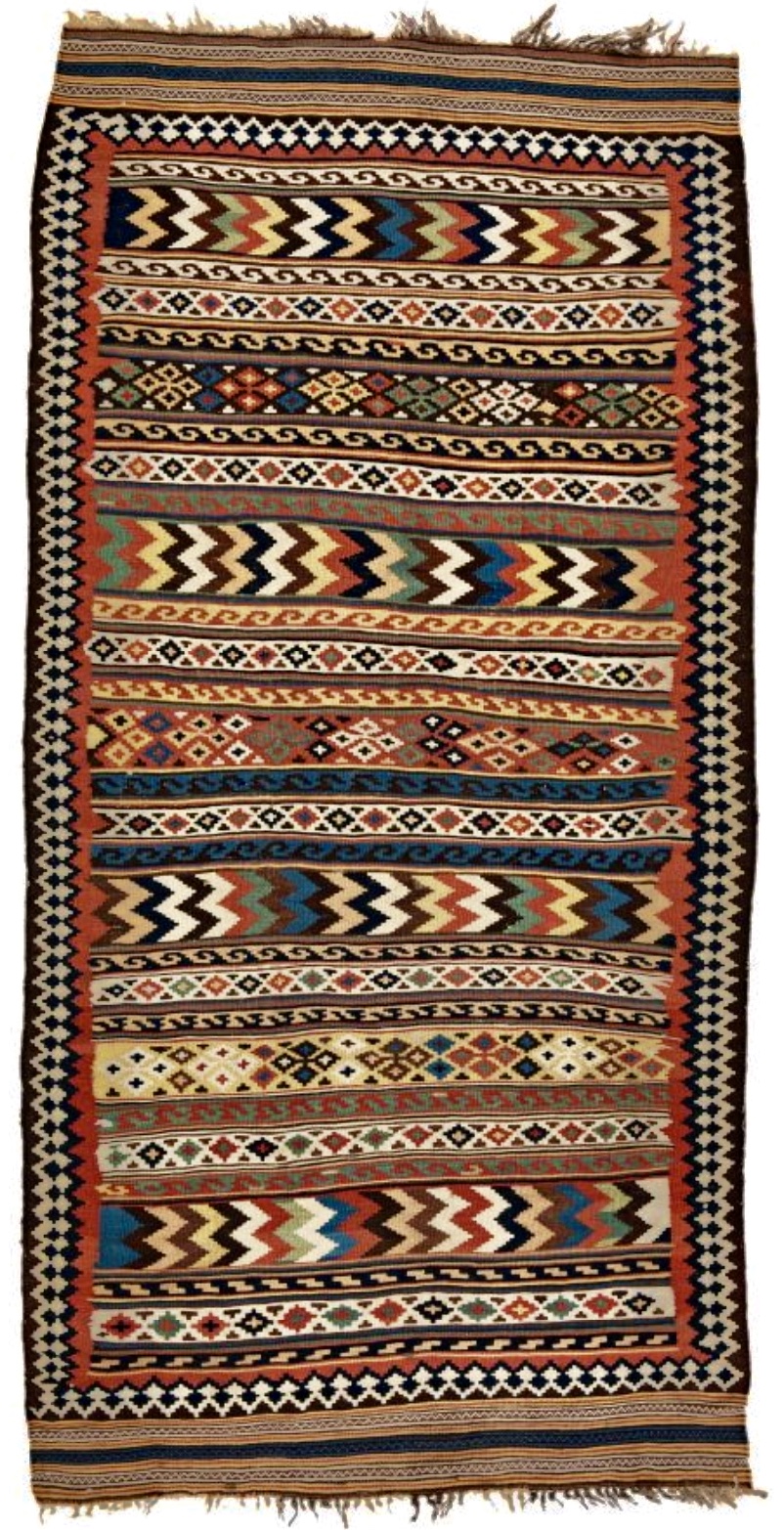
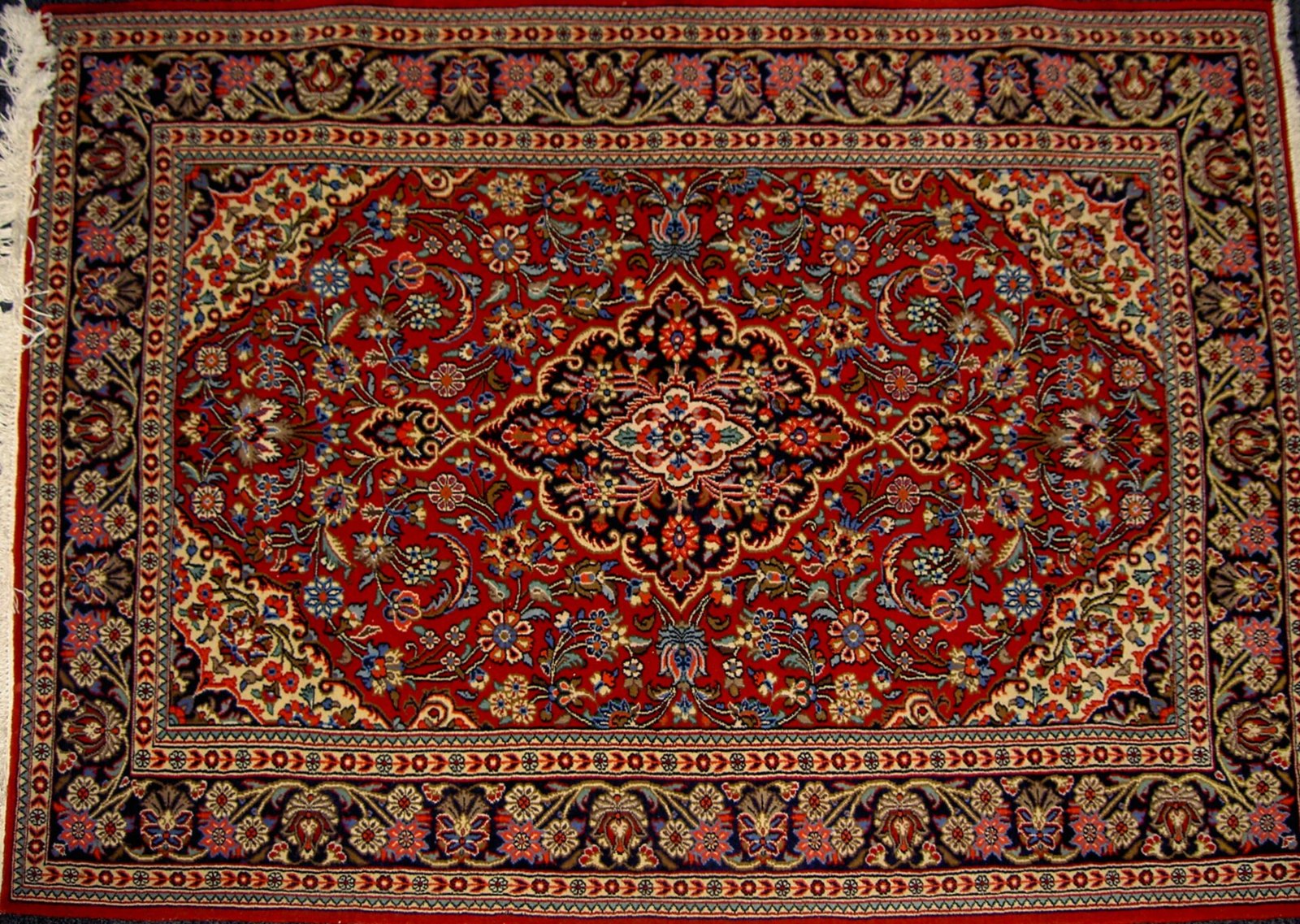
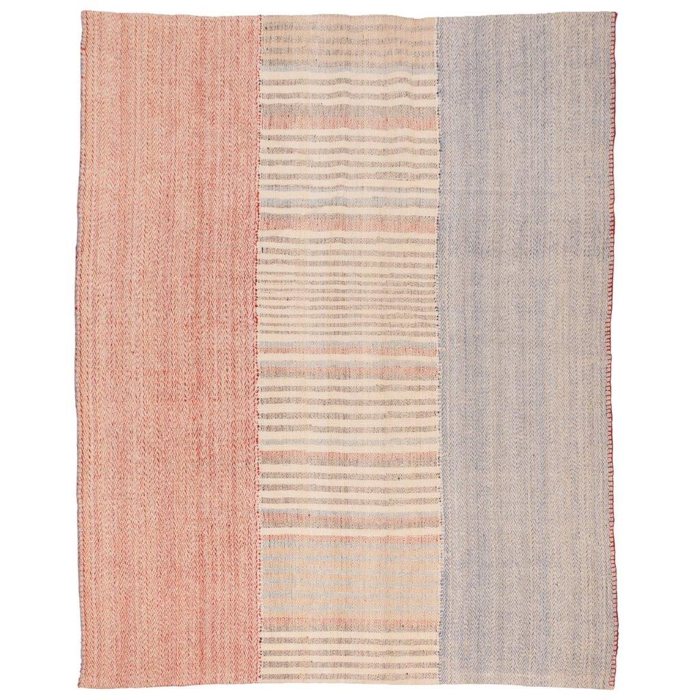
Representative photographs only. Marketplace examples rely on seller descriptions; CraftPersia has not independently authenticated their maker, origin, or rights status. Follow each source link for the listing context.