
Preservation · 9 min
Washing a handmade rug: what to do and what to avoid
Editorial team · updated 2026-09-29
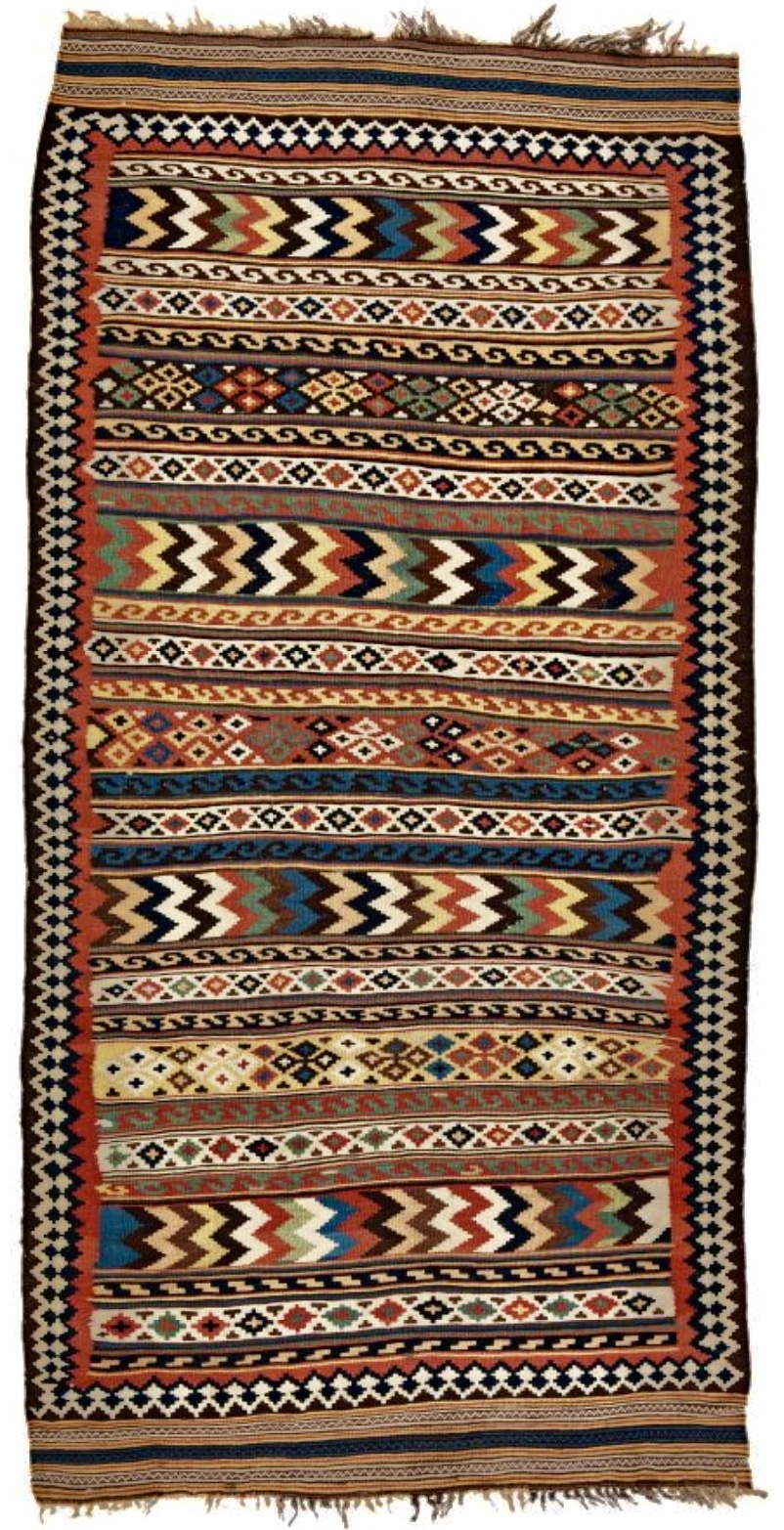
Unknown tribal weaver; photograph by auction house (per Commons) · Public domain (per Wikimedia Commons) · Photo source ↗
- Type
- Preservation
- Reading
- 9 min
- Chapters
- 7
- Photos
- 6
Routine care, spot cleaning and when to call a professional washer.
Routine care
Vacuum the front without a beater bar and, now and then, the back. Rotate the rug every few months so wear and light spread evenly.
Spills
Absorb liquid with a dry clean cloth without rubbing. Do not add water when stability is unknown; contact a specialist. Avoid household carpet cleaners.
When to use a professional
Full washing needs large drying space and control of colour run. Ask a specialist rug washer, not a general carpet cleaner, especially for silk or old pieces.
When to wash
Cleaning frequency depends on condition and use, not a universal interval. Seek specialist advice for contamination, pests or fragile fibres. Do not perform damp-cloth rub tests or use home steam cleaners.
- Assessment
- Condition and dye stability require individual assessment
- Avoid
- Home rub tests, steam, bleach and unsupervised immersion
- Frequency
- Depends on use and condition, not a universal interval
Assess before choosing a treatment
Loose knots, brittle pile, previous repairs and backings affect whether a rug can be cleaned safely. Silk, metallic yarn and degraded fibres may require a different approach from robust wool. Do not decide from the sales name alone.
Record the condition and consult an experienced specialist when construction or stability is uncertain. A conservator may recommend preventive care or stabilisation instead of washing.
Why a home colour-run test is inadequate
Do not press or rub a damp white cloth on a collectible rug. Moisture can mobilise colour and rubbing can damage fibres; a clean cloth does not demonstrate that an entire object is safe to immerse.
Dye stability, previous treatments, adhesives and drying risks need an object-specific assessment. Ask the specialist what they can determine without sampling and obtain permission before any invasive analysis.
Questions for the treatment provider
Ask how dust, contamination, unstable repairs and drying will be addressed, and whether the proposed method is appropriate for every material in the rug. Not all rugs tolerate immersion. Request a written scope and photographs before treatment.
Arrange supported transport and document stains, losses and odours. Active pests or mould need specialist advice rather than household chemicals or a generic home-freezing instruction.
- Document condition before cleaning
- Avoid home wet tests
- Ask about repairs, dyes and drying
- Keep treatment records with the object
Related photographs and screened examples
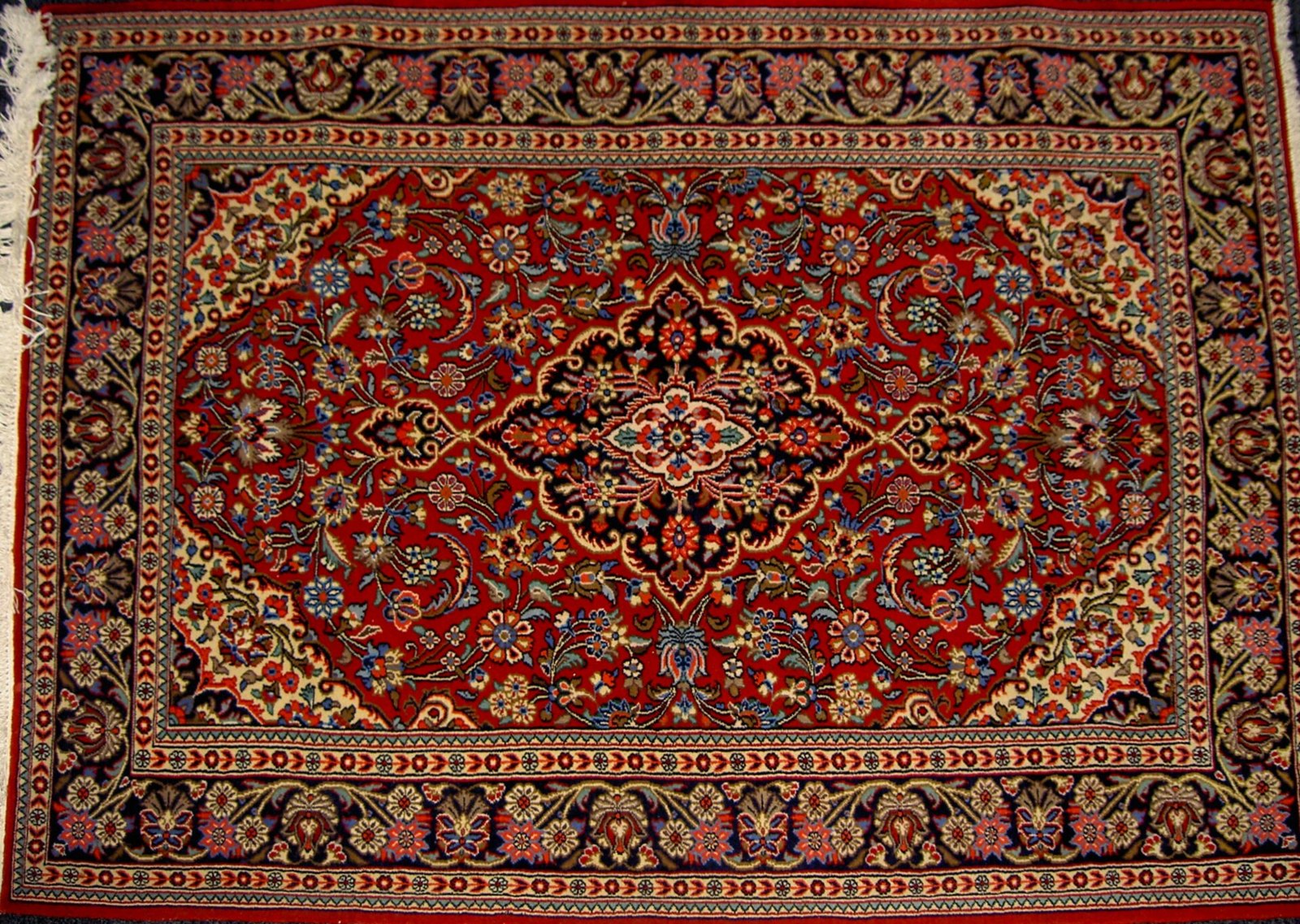
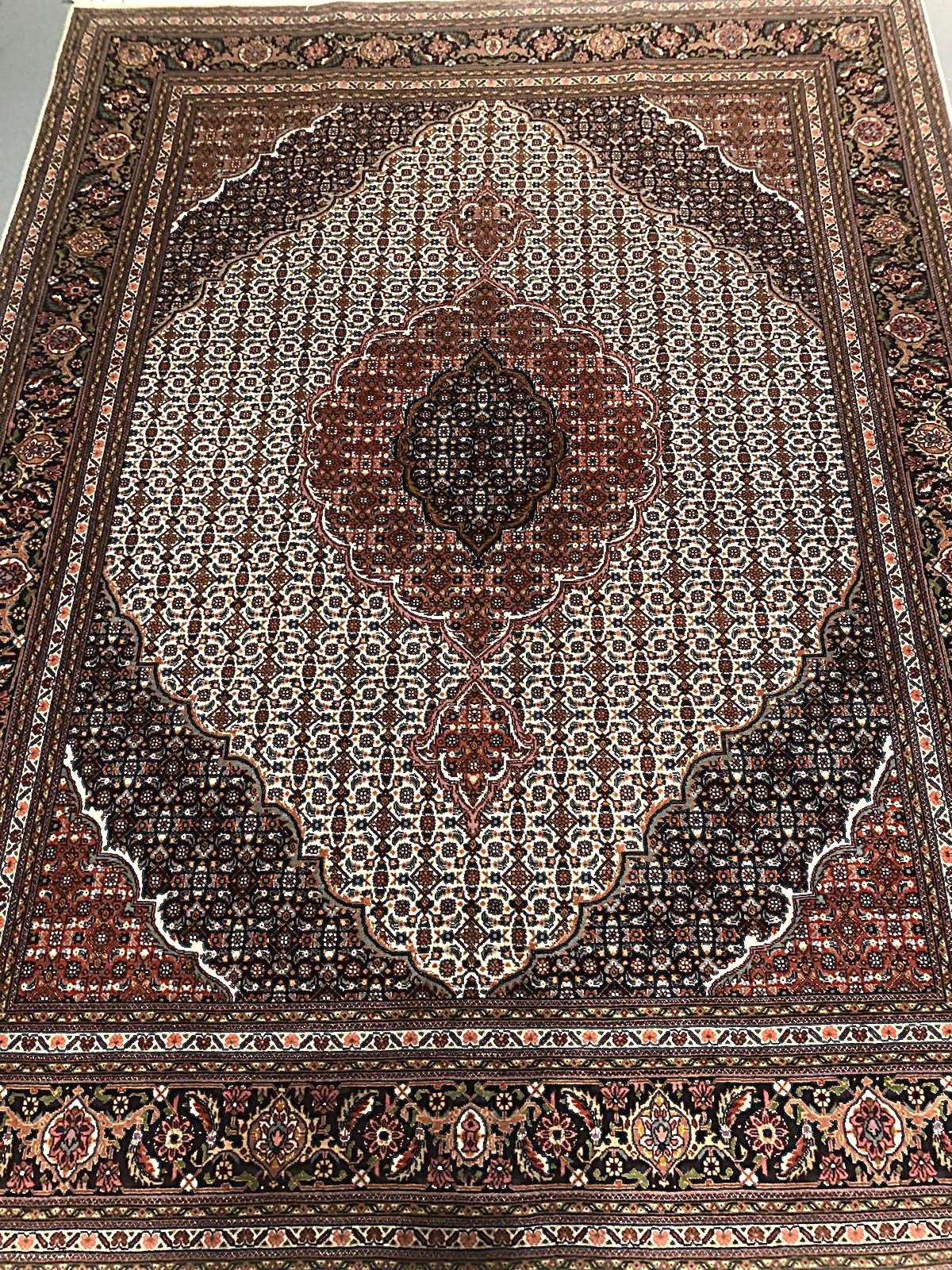

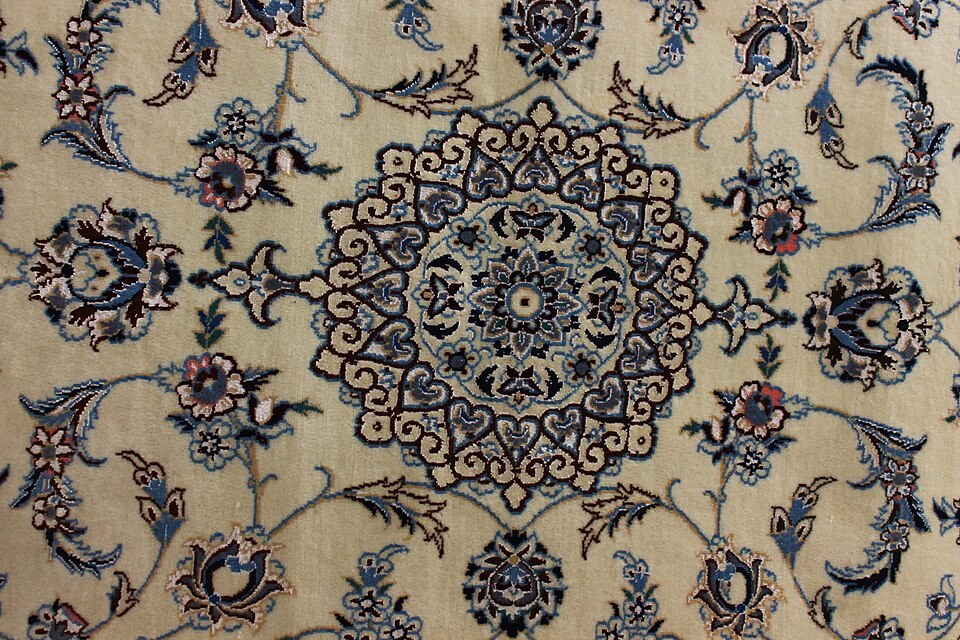
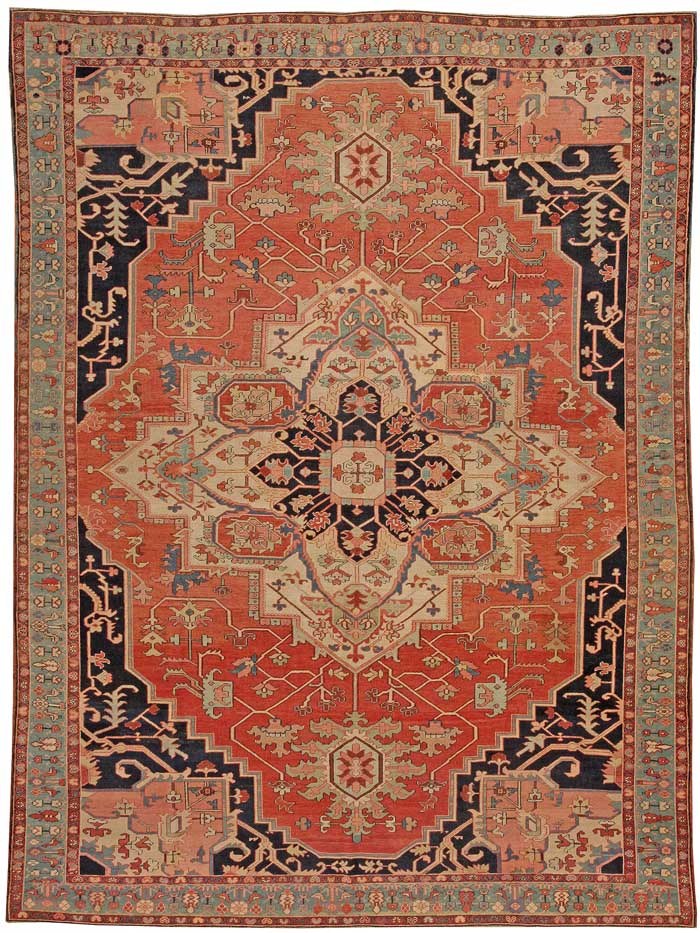
Representative photographs only. Marketplace examples rely on seller descriptions; CraftPersia has not independently authenticated their maker, origin, or rights status. Follow each source link for the listing context.
| Situation | Next step |
|---|---|
| Robust current rug | Obtain reliable item-specific cleaning advice |
| Unknown dyes or backing | Specialist assessment before moisture |
| Silk, antique or fragile | Conservation advice |
| Contamination, pests or mould | Document, isolate safely and consult a specialist |
References and further reading
These sources provide context, not authentication or provenance for an individual object. Editorial interpretations remain under review.