
Collector guide · 11 min
Shahsavan flatweaves: sumak bags and kilims of north-west Iran
Editorial team · updated 2026-10-14
Who the Shahsavan are
The Shahsavan are pastoral groups of north-west Iran, around Ardabil and the Moghan plain, with branches near Qazvin and Saveh.
Sumak technique
Sumak is a weft-wrapping technique. Coloured yarns are wrapped around warps, making a firm surface with loose yarn ends on the back. Shahsavan sumak bags (mafrash bedding bags and khorjin saddlebags) are well known.
Other weaves
Shahsavan weavers also make slit-tapestry kilims, weft-float jajims and mixed-technique bags. Mixed techniques in one piece are typical.
- Sumak: wrapped wefts, raised surface
- Kilim: slit tapestry
- Jajim: warp-faced bands
- Mafrash: box bag panels
Attribution
Similar sumaks were made across the Caucasus border. Labels such as 'Shahsavan' or 'Caucasian' often depend on dealers' opinions, so treat them as provisional.
Buying checklist
- Ask the seller what the regional name is based on: town, village group or design only
- Turn the rug over and look at knot type, warp colour and weft count
- Check ends, sides and pile height for wear or re-weaving
- Ask whether dyes have run or been chemically washed
- On sumak, look at the back: loose yarn ends are normal, but cut warps are not
- Get any claim about age, region or handmade origin in writing
Care
Bag panels sold flat may have been cut from a bag. Store them flat and avoid hanging heavy panels from one edge.
A note on this guide
This is general information from the CraftPersia editorial team and has not been reviewed by a specialist. Regional names in the rug trade are market labels, and design alone is weak evidence of origin. This guide is not a valuation or authentication.
Related photographs and screened examples
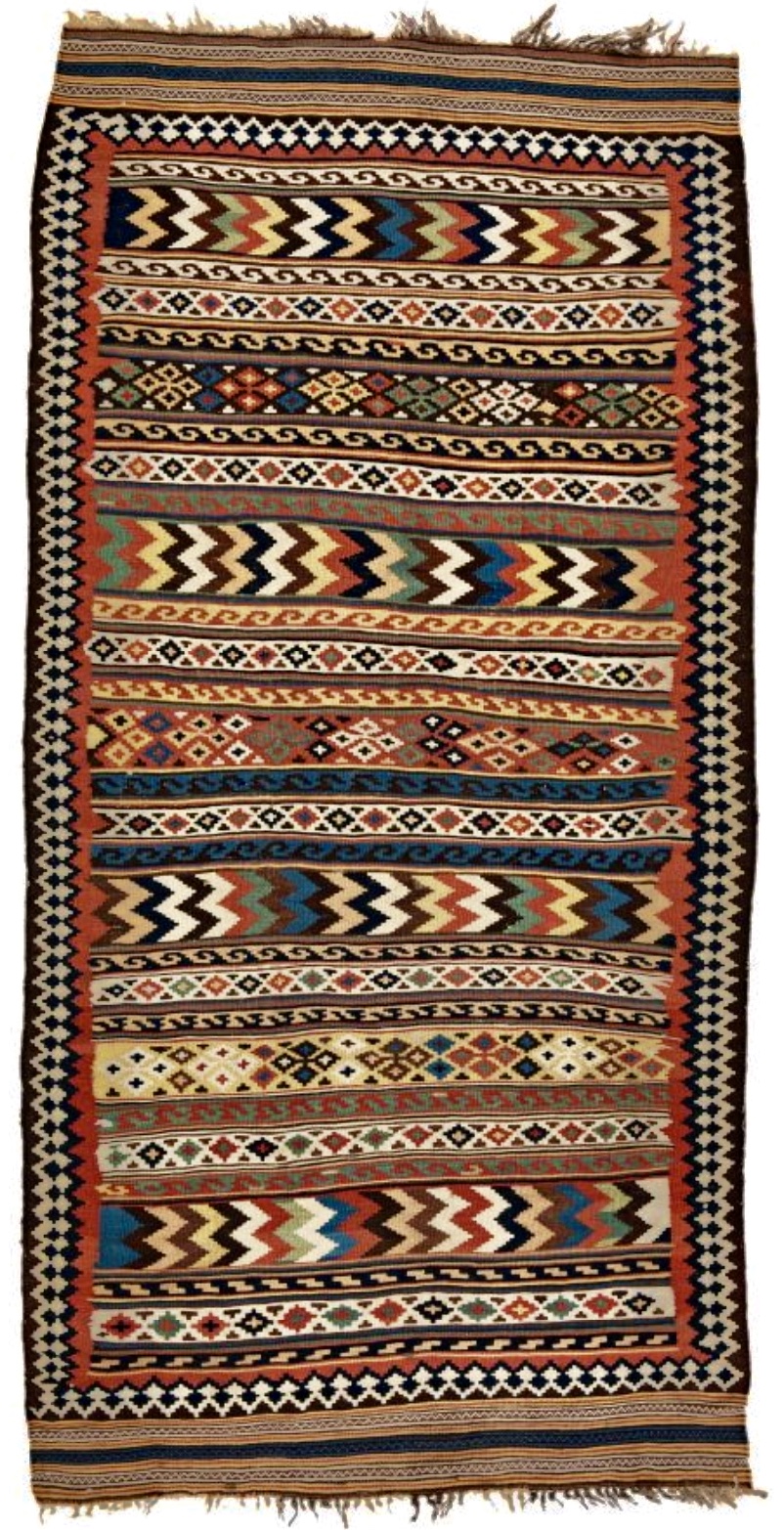
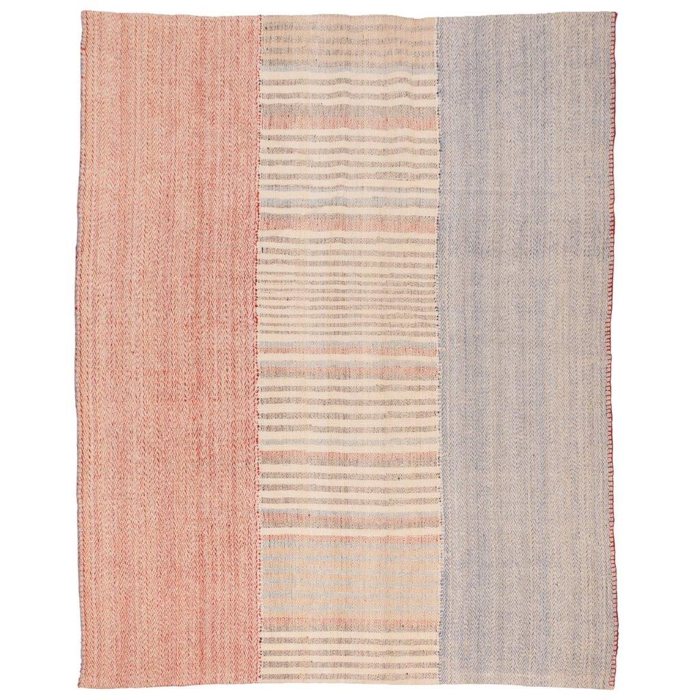
Representative photographs only. Marketplace examples rely on seller descriptions; CraftPersia has not independently authenticated their maker, origin, or rights status. Follow each source link for the listing context.