
Beginner guide · 14 min
Lalejin pottery
Editorial team · updated 2026-09-29
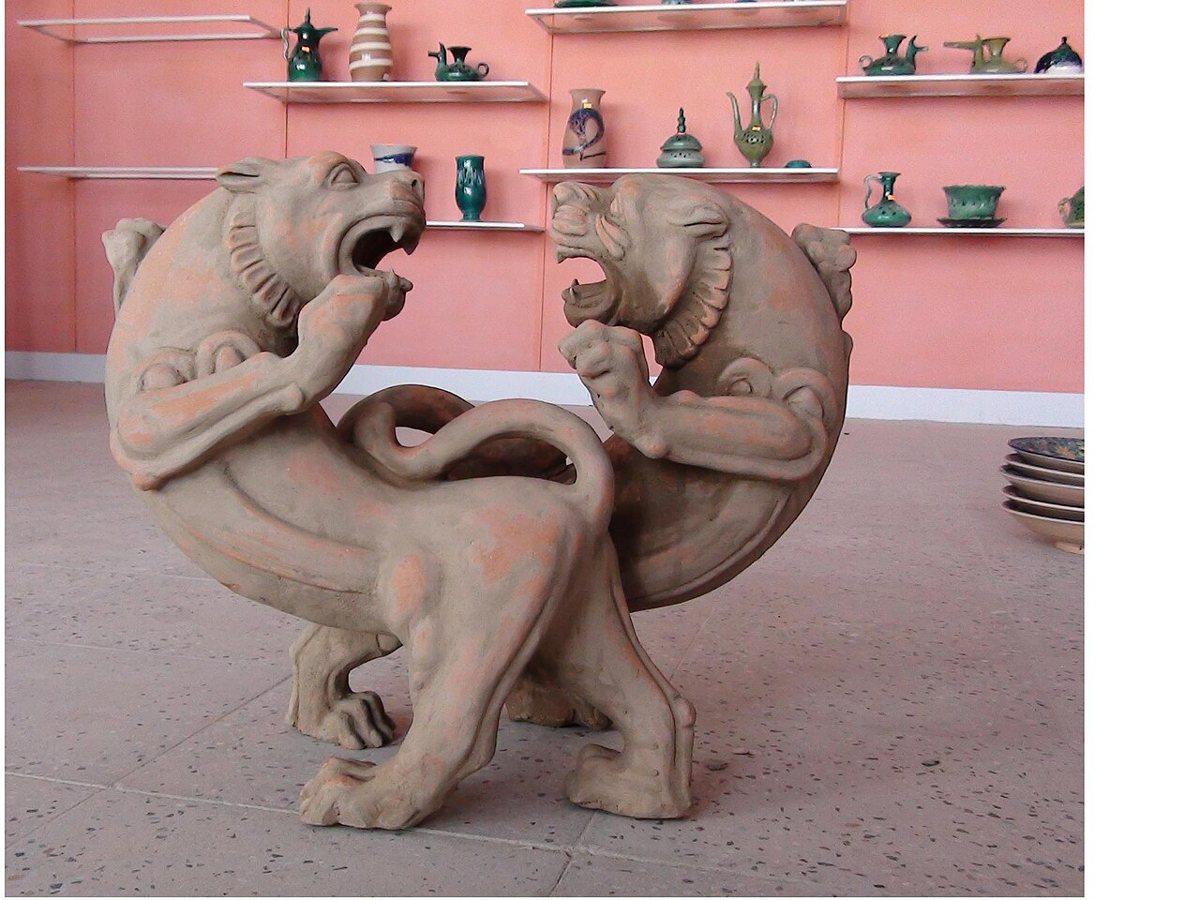
Accessed 15 October 2026.; attribution and origin follow the Commons record and are not independently verified. · Oqtay at Persian Wikipedia · Public domain (per Wikimedia Commons; rights review pending) · Photo source ↗
- Type
- Beginner guide
- Reading
- 14 min
- Chapters
- 12
- Photos
- 2
Glazed earthenware from Lalejin near Hamedan.
Centre
Lalejin is often described as a major pottery town in Iran.
Look
Turquoise and blue glazes on thrown vessels are common.
Check
Ask about the glaze and food safety before using for food.
Lalejin, a pottery town
Lalejin, near Hamadan, is often described as one of Iran's largest pottery centres, with many family workshops. Turquoise and dark-blue glazes on a red body are characteristic.
How it is made
- Clay is prepared, wedged and thrown on the wheel
- Pieces are dried, then fired once to a bisque
- They are glazed and fired a second time; some pieces are hand-painted between the firings
Buying tips
Look for an even glaze without crawling or bare patches. Workshop visits let you see production; small bowls and vases travel well.
Glazes and forms
Lalejin is best known for alkaline turquoise glaze, often over black or dark brown painted decoration, and for deep cobalt blue. Forms include bowls, vases, jugs, plates and tiles. Many workshops also make tourist wares, while some potters produce studio work with more careful glazing and drawing.
- Crackle in turquoise glaze can be decorative or a flaw; ask which
- Check the base for kiln-shelf marks and stability
- Lead-free glaze matters for food use
Visiting
Lalejin is a short drive from Hamadan. Workshops line the main streets, and many welcome visitors to watch throwing and glazing.
A note on this guide
This is a general introduction written by the CraftPersia editorial team. It has not yet been reviewed by a specialist. Practice varies between workshops; confirm details with makers or museums, and treat any dates as approximate.
Crafts covered in this guide
Lalejin pottery (سفال لالجین) — A regional pottery tradition centred on the town of Lalejin near Hamadan, producing thrown and press-moulded glazed and unglazed earthenware, from utilitarian storage vessels to decorative tableware, in a large number of household workshops.
Materials, techniques and centres
Lalejin pottery is recorded in the archive with clay (earthenware) as principal materials, and wheel throwing and underglaze painting as techniques. Associated centres include Hamadan and Lalejin; a place name on its own does not establish where an individual object was made.
Collecting and next steps
When applying this guide to a specific object, work from what can be observed: structure, materials, tool marks, repairs and documentation. Ask the seller or maker for written statements about who made the piece, where, from what materials, and what has been repaired or replaced.
The steps here are educational; identification, conservation and valuation of an individual object require appropriate independent expertise.
Related photographs and screened examples
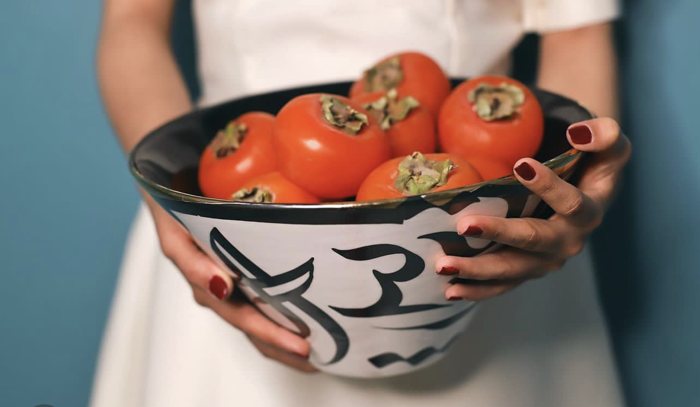
Representative photographs only. Marketplace examples rely on seller descriptions; CraftPersia has not independently authenticated their maker, origin, or rights status. Follow each source link for the listing context.
References and further reading
- [1] H. E. Wulff, The Traditional Crafts of Persia, MIT Press, 1966.General historical craft reference, not evidence for a particular object.
These sources provide context, not authentication or provenance for an individual object. Editorial interpretations remain under review.