
Beginner guide · 10 min
Nomadic weaving of Iran
Editorial team · updated 2026-09-29
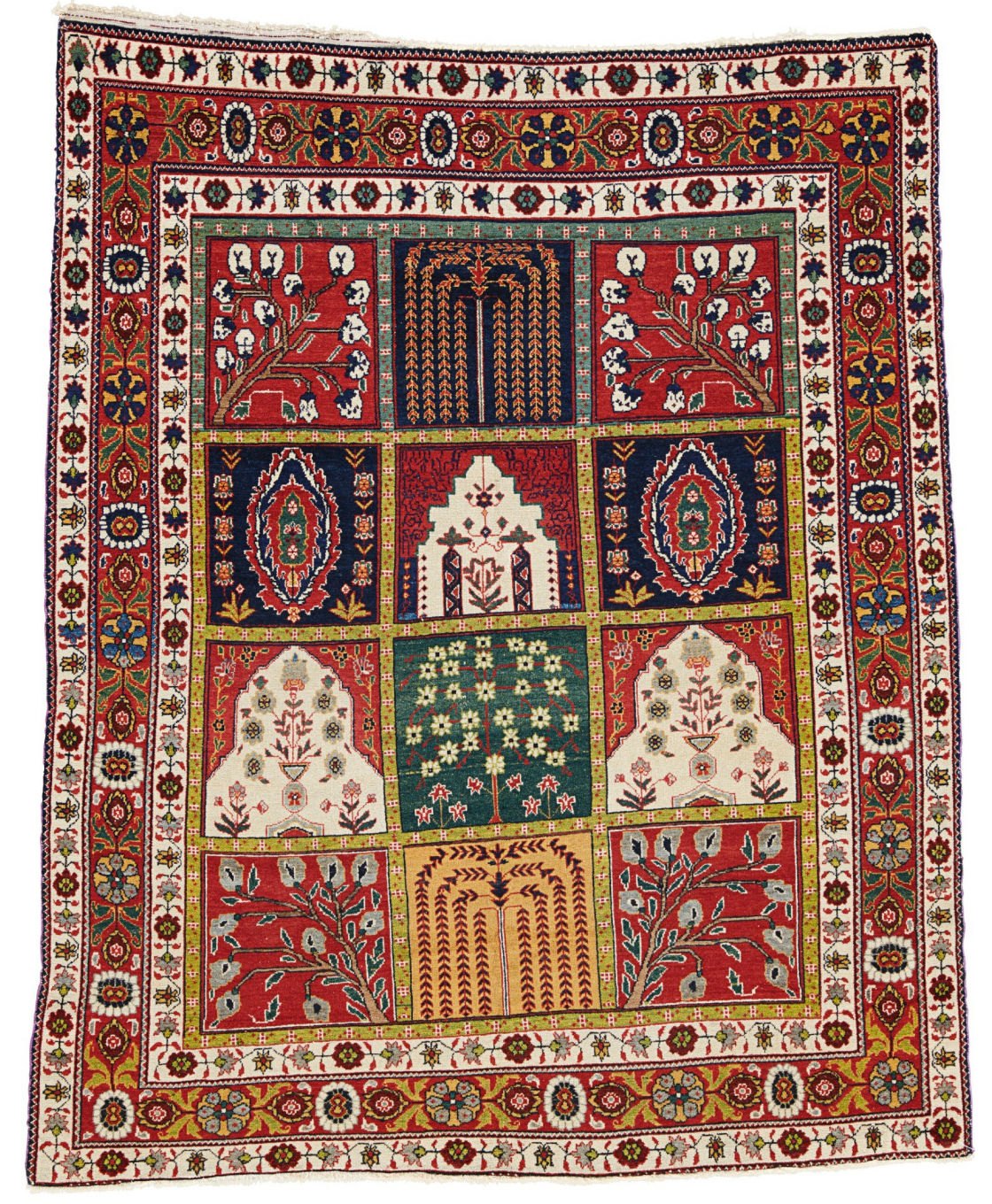
accessed 2026-09-30 · Unknown weaver; Wikimedia Commons photograph · Public domain (per Wikimedia Commons) · Photo source ↗
- Type
- Beginner guide
- Reading
- 10 min
- Chapters
- 9
- Photos
- 4
Gabbeh, kilim, jajim and bags woven by Qashqai, Bakhtiari, Lur and other groups, and how mobile life shapes them.
Portable looms
Horizontal ground looms can be rolled up and carried on migration. This limits width and shapes the design.
Wool and dye
Yarn may come from household flocks, suppliers or specialist dyers. Abrash is tonal variation, not proof of a particular dye source or production setting.
What they weave
Rugs, saddle bags, salt bags, tent bands and covers all served everyday needs before becoming collectable.
Today
Many families have settled, and much 'nomadic' weaving today is woven in villages or workshops. Ask sellers what they know about who wove a piece.
Main groups
- Qashqai and Khamseh (Fars)
- Bakhtiari (Zagros)
- Shahsavan (northwest)
- Baluch (east)
- Turkmen (northeast)
- Kurdish groups (west)
- Scope
- Named communities and changing production contexts
- Structure
- Pile, flatweave, bands and bags differ
- Attribution
- A motif cannot establish a maker’s identity
Avoid a timeless single nomadic style
Qashqai, Bakhtiari, Shahsavan, Kurdish, Baluch and other weaving contexts have distinct histories and varied production. Community identity, migration and household practice are not interchangeable categories. A seller’s tribal label may be an attribution rather than a maker’s own description.
Many makers work in settled villages or commercial settings while drawing on inherited skills. Do not treat settlement as the end of tradition or assume every mobile household uses one loom and palette. Use the community and time period named by a reliable source, retaining uncertainty where records are incomplete.
Read structures and functions together
Gabbeh has knotted pile; kilim is pileless weaving, often tapestry; jajim is associated with narrow warp-patterned strips that can be joined. Bags, tent bands and bedding wraps use several structures. Their forms respond to use and materials rather than a universal symbolic code.
Look for closures, paired compartments, wear patterns and later alterations. A cut-open bag displayed as a panel no longer has its original form. Compare the front, reverse and edges before treating a market fragment as a complete household object.
Trace yarn supply without romantic assumptions
A household may use its own wool, bought yarn, specialist dyeing or combinations that change over time. It is inaccurate to state that every weaver uses wool from their own herd. Ask how yarn and colours were obtained when a maker account is available.
Abrash can reflect variation in yarn batches but is not proof of natural dyeing or mobile life. Colours and motifs circulate between communities and markets. Fibre and structural observations support description; specific origins require stronger documentation than visual resemblance alone.
Record living authorship and object history
A new commission can document the maker’s preferred name, making site, date and materials with consent. An older textile may have an incomplete ownership history. Keep those evidence types separate and do not assign a living person to a museum object from a generic association.
Ask for repairs, backing, removed straps and altered ends to be described. Respect restrictions on names, photographs or community knowledge, and avoid presenting a purchase as rescuing a tradition without a source. The archive images illustrate individual objects, not all households within a named group.
Related photographs and screened examples
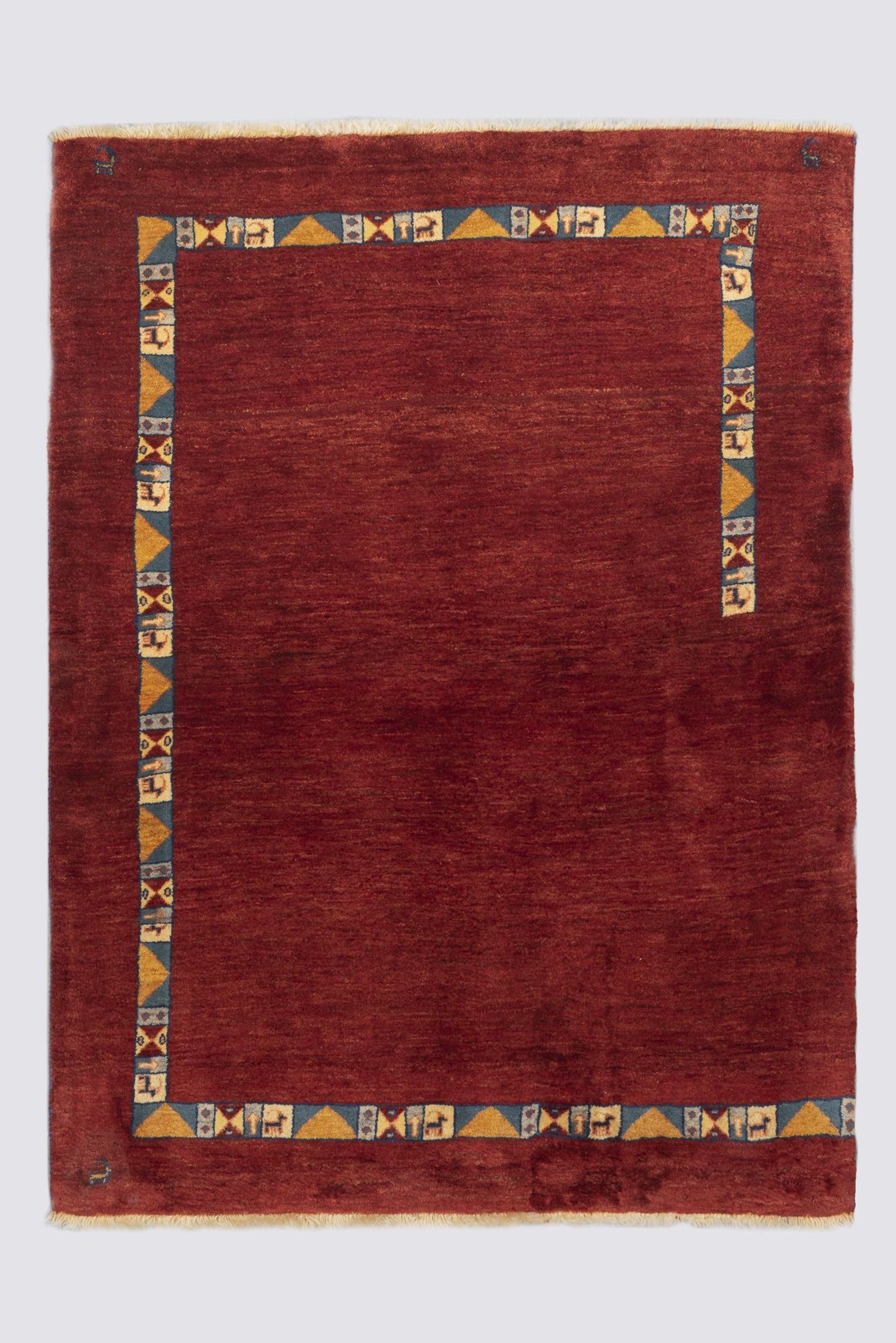
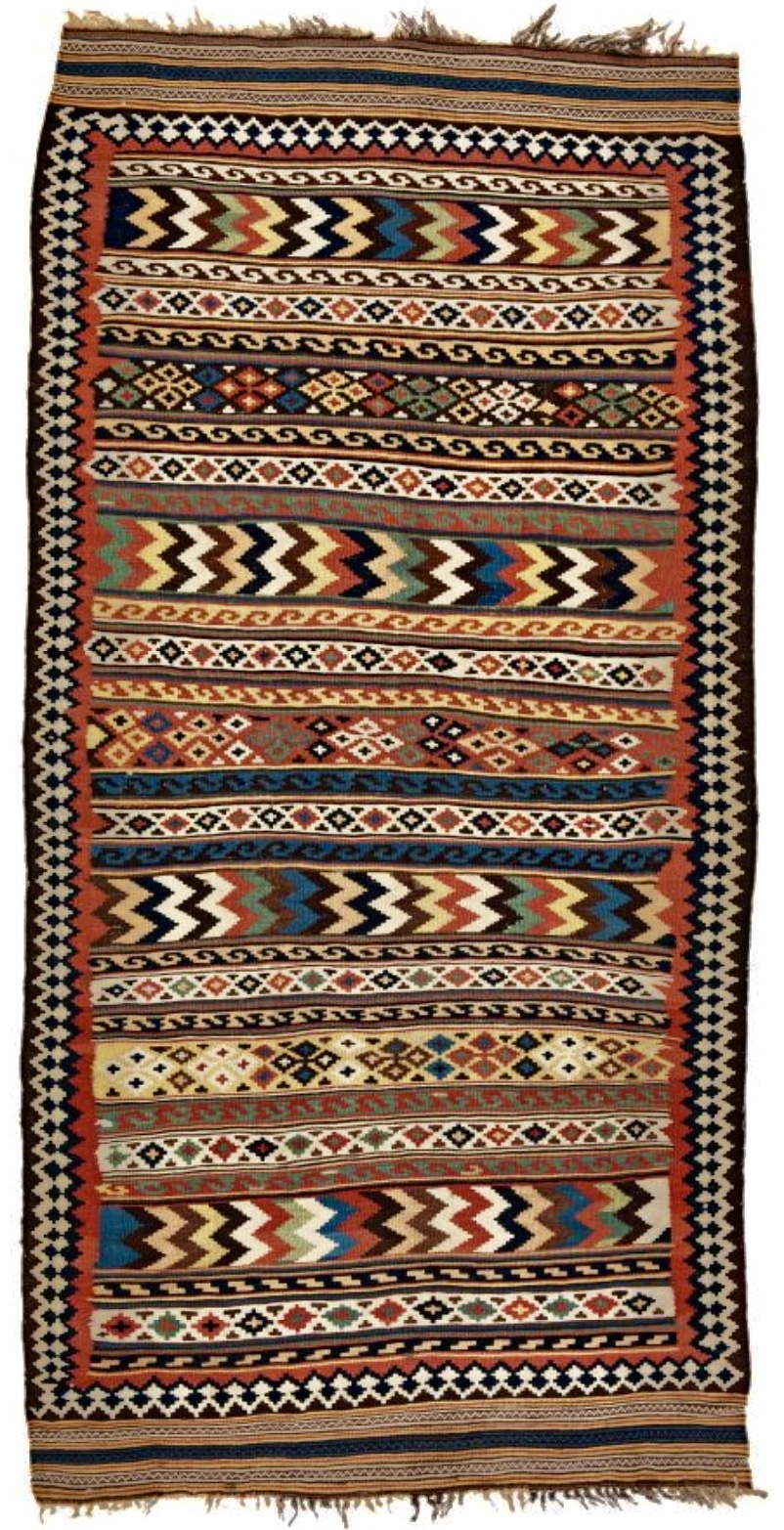
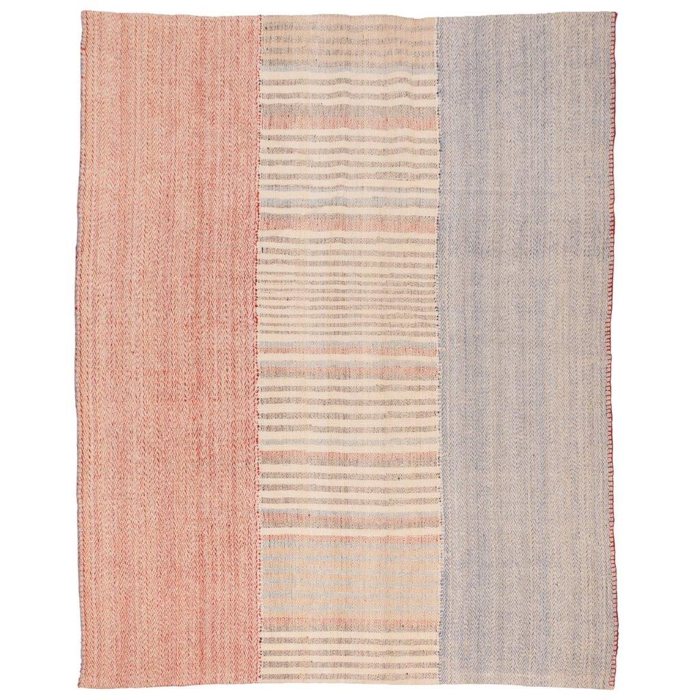
Representative photographs only. Marketplace examples rely on seller descriptions; CraftPersia has not independently authenticated their maker, origin, or rights status. Follow each source link for the listing context.
| Situation | What to ask or inspect | What not to assume |
|---|---|---|
| Community label | Source and preferred identification | Pattern proves ethnic identity |
| Bag fragment | Original form and altered edges | A display panel is complete |
| Yarn and dyes | Maker account or analysis | Every weaver used own-herd wool |
| Current practice | Documented maker and production setting | Settled means inauthentic |
References and further reading
- [1] H. E. Wulff, The Traditional Crafts of Persia (1966)Historical background, not a live directory or authentication of individual objects.
- [2] UNESCO — Traditional skills of carpet weaving in Fars ↗A named living tradition, not a description of every Iranian weaving community.
These sources provide context, not authentication or provenance for an individual object. Editorial interpretations remain under review.