Buying guide · 10 min
Buying handmade Iranian jewellery: turquoise, silver and enamel
Editorial team · updated 2026-10-03
Main families
- Turquoise (firuzeh) set in silver or gold, linked to Neyshabur mines
- Filigree (malileh) from Zanjan and elsewhere
- Enamelled pendants and earrings (minakari), mostly Isfahan
- Tribal silver from Turkmen, Qashqai and Baluch communities
Questions to ask
- Is the metal hallmarked or tested (e.g. 925 silver)?
- Is the turquoise natural, stabilised or reconstituted?
- Who made the piece and in which city?
- Is it handmade or cast from a mould?
Turquoise treatments
Much commercial turquoise is stabilised with resin or dyed. Stabilised stone is legitimate if disclosed; reconstituted and dyed howlite are not turquoise. Natural Neyshabur stones are usually small and priced accordingly.
Red flags
Uniform, perfectly repeated parts often indicate casting. Prices far below the metal weight value, vague 'Persian-style' wording or no maker information are warnings.
A note on this guide
This is a general introduction written by the CraftPersia editorial team and has not yet been reviewed by a specialist. Workshop practice varies between towns and families; treat dates and figures as approximate and confirm details with makers, museums or published scholarship before relying on them.
Related photographs
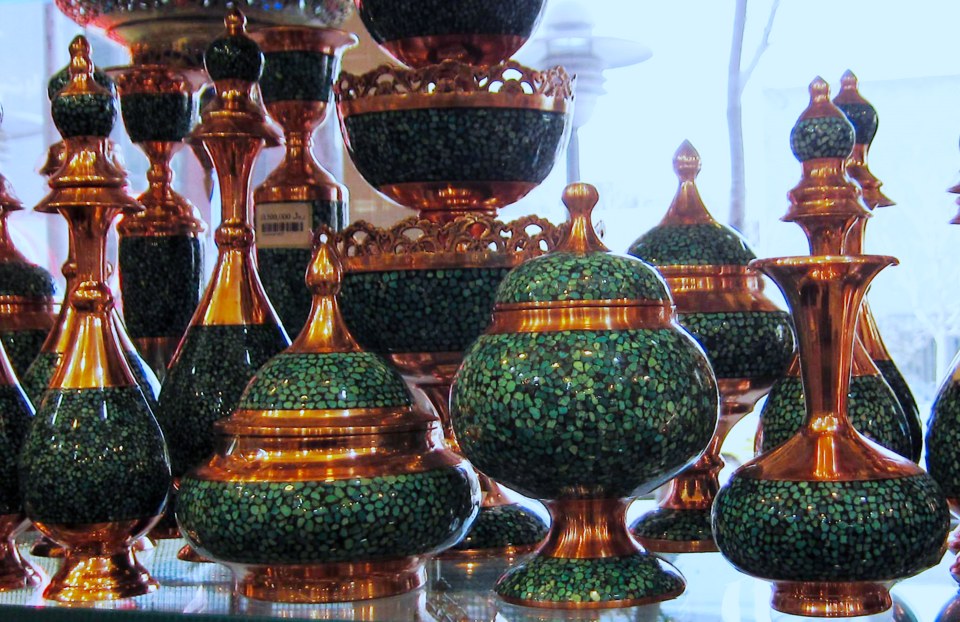
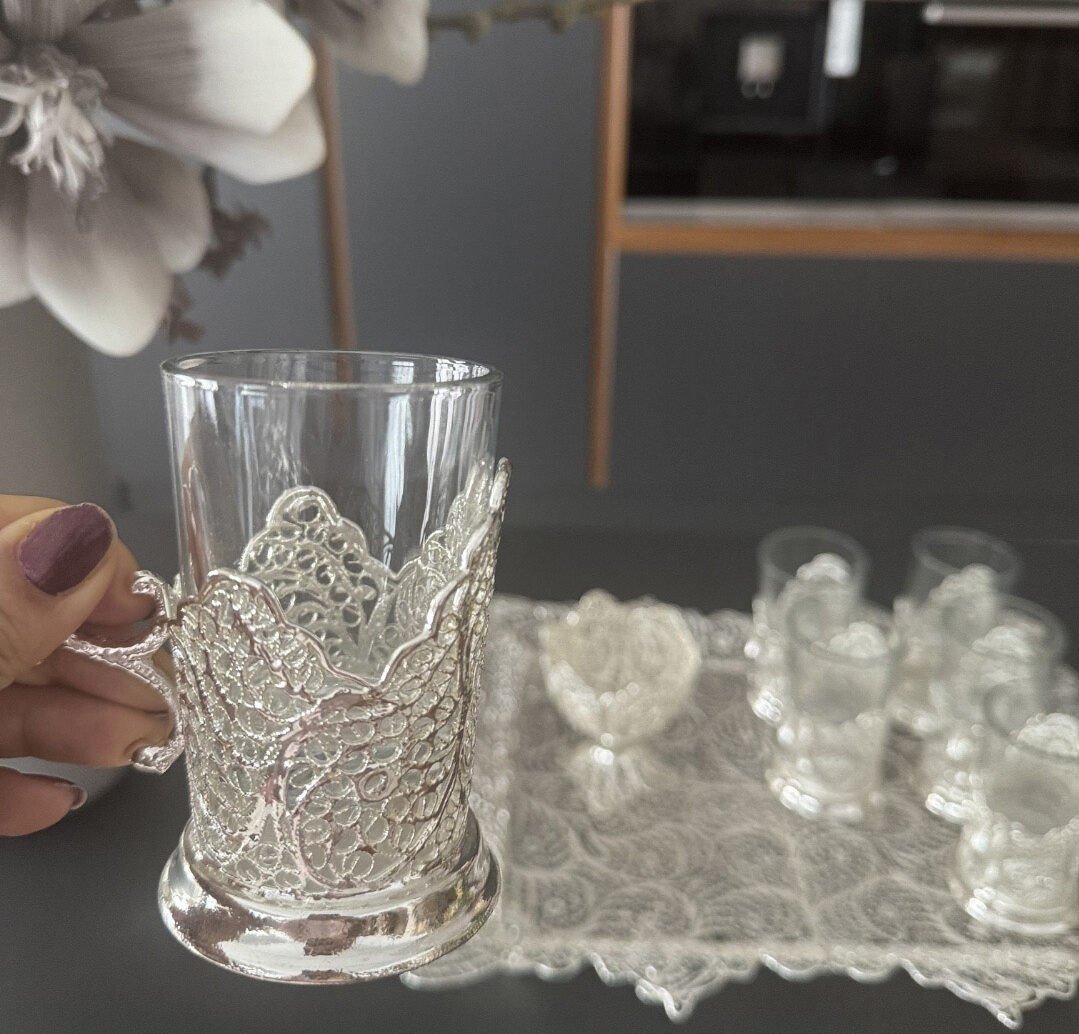
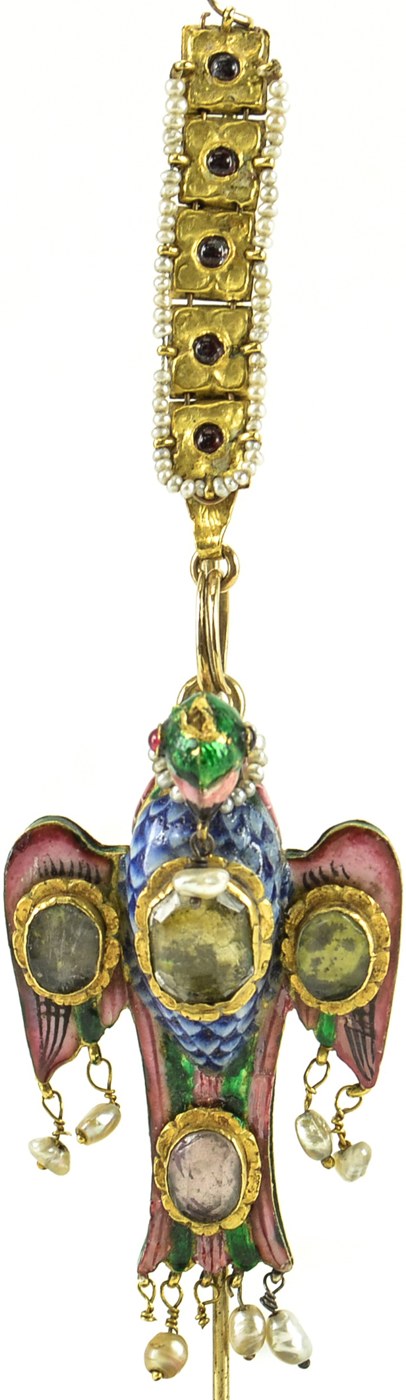
Representative photographs, not of any specific catalogued object. Sources on the credits page.