
Beginner guide · 10 min
Decorating with Iranian handmade crafts
Editorial team · updated 2026-10-03

probably first half 16th century · accession 46.128 · The Metropolitan Museum of Art · CC0 (Met Open Access) · Photo source ↗
- Type
- Beginner guide
- Reading
- 10 min
- Chapters
- 9
- Photos
- 6
Pair a single strong rug with a termeh runner, a few ceramics and a carved wood piece rather than filling a room with everything at once.
Principles
- Start with one anchor piece — usually a rug
- Repeat two or three colours from it
- Mix textures: wool, silk, ceramic, wood
- Give fragile textiles low-light walls
Displaying safely
Hang textiles on Velcro or sleeve systems, never pins; keep ceramics away from shelves that vibrate.
Mixing pieces
A single strong piece such as a rug, termeh runner or tile panel works better than many small souvenirs. Repeat a colour from the rug in cushions or ceramics to tie a room together.
Ideas
- Termeh or qalamkar table runners
- Copper trays and engraved vessels
- Framed miniatures or calligraphy
- Kilims as wall hangings
- Hand-painted tiles
A note on this guide
This guide is general information from the CraftPersia editorial team and has not been reviewed by a specialist. Prices, workshop locations and practices change; check current details before travelling or buying.
Begin with use, scale and household conditions
A room plan should begin with how an object will be used: a floor textile carries traffic, a hanging textile carries its own weight, and a ceramic vessel on a high shelf has a fall risk. Measure the intended position, including door clearance and furniture legs, before choosing a size. A decorative photograph can hide the depth of a bowl, the stiffness of a rug or the weight of a frame.
Consider direct sunlight, heaters, cooking steam, children and pets. A fragile historic work may be more suitable for supported display than everyday use. Contemporary handmade work can also have vulnerable finishes. The word handmade describes a production claim, not resistance to water, heat or abrasion.
Pair materials without transferring risk
Textiles, glazed pottery, inlaid wood and metal can share a room without requiring the same care. Avoid placing damp plant pots on inlaid surfaces or candles directly on ceremonial cloth. Heavy vessels need stable support; enamel can chip if knocked against another metal object. A grouping should leave enough space to lift each object without rubbing its neighbours.
Test the proposed arrangement with dimensions and empty supports rather than repeatedly moving a fragile object. Do not glue felt, adhesive pads or hanging hardware to an historic surface. Consult a conservator or experienced mount maker when an object needs a custom support, especially if joints, finishes or old repairs are unstable.
Select original work, not a style label
Boteh patterns, geometric inlay and blue-and-white decoration circulate internationally. They do not establish Iranian manufacture, handwork or a named workshop. Request the maker, making location, materials and which stages were performed by hand. A photograph of a finished piece is useful for condition and design but cannot by itself prove how it was produced.
For this archive’s marketplace examples, genuine handmade Iranian work or documented Iranian makers abroad are the relevant criteria. A reproduction or merely Persian-inspired item is not made acceptable by a low price or a matching colour scheme. Keep seller claims clearly labelled and preserve the invoice and making documentation for the actual object.
Build a small, maintainable display
Choose a few compatible objects around scale and function rather than assume every craft must appear in one room. Leave space around intricate work so its construction remains visible. Rotate light-sensitive paper and textiles out of display where handling is safe, and inspect concealed areas for dust, pests or moisture.
Plan storage and cleaning before purchase. A large rug needs a safe handling route; a delicate filigree vessel needs a supported storage position; a miniature needs appropriate mounting and restrained light exposure. The photographs here show individual craft examples, not a documented interior or a recommendation to reproduce a particular arrangement.
- Measure the position and access route
- Keep heat, damp and impact risks separate
- Request object-specific maker documentation
- Budget for supports and safe storage
Related photographs and screened examples
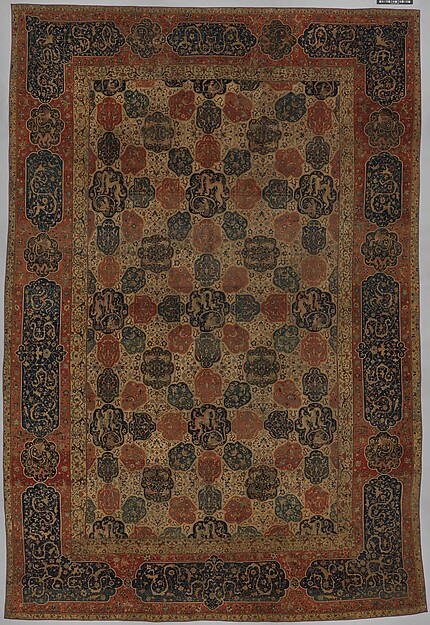
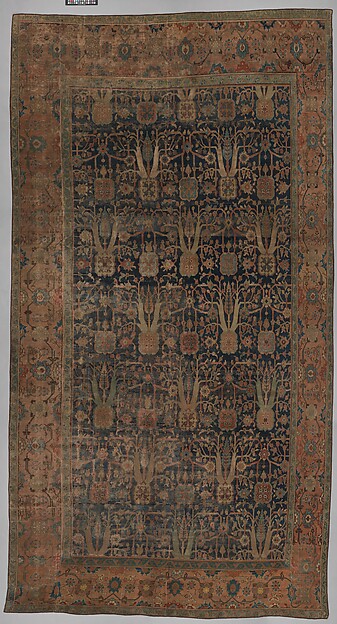
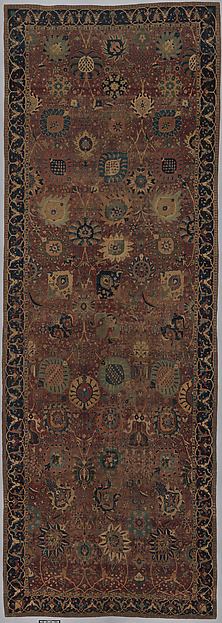

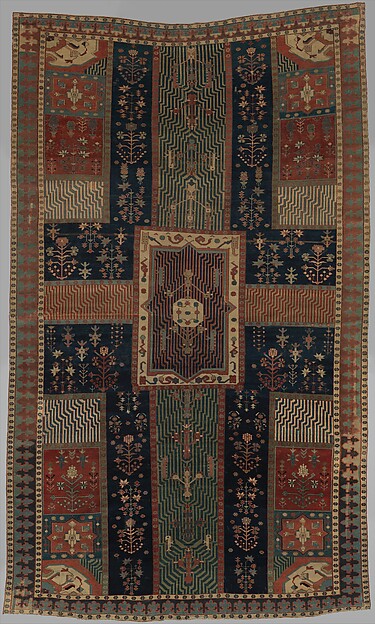
Representative photographs only. Marketplace examples rely on seller descriptions; CraftPersia has not independently authenticated their maker, origin, or rights status. Follow each source link for the listing context.
| Object | Main planning question | Avoid |
|---|---|---|
| Textile | Traffic, light and supported handling | Unsupported hanging or damp floors |
| Inlaid wood | Stable position away from heat and moisture | Wet containers and household sprays |
| Glass or ceramic | Secure shelf and safe lifting clearance | Crowded edges or unassessed adhesives |
References and further reading
- [1] Canadian Conservation Institute — Caring for textiles and costumes ↗Preventive care, not a treatment prescription for an individual textile.
- [2] H. E. Wulff, The Traditional Crafts of Persia (1966)Historical descriptions; not evidence of current prices, individual makers or present-day workshop access.
These sources provide context, not authentication or provenance for an individual object. Editorial interpretations remain under review.