
Collector guide · 6 min
Reading a condition report
Editorial team · updated 2026-04-08

17th century · accession 53.214 · The Metropolitan Museum of Art · CC0 (Met Open Access) · Photo source ↗
- Type
- Collector guide
- Reading
- 6 min
- Chapters
- 8
- Photos
- 6
The vocabulary conservators use, and what each term implies for value and for care.
Common terms
A report describes what is present, not what is acceptable. These distinctions recur:
- Restoration: intervention intended to return earlier appearance
- Repair: structural work, not necessarily sympathetic
- Reweave: replaced pile or foundation in a defined area
- Later addition: material added after original manufacture
- Stabilised: further loss arrested without replacement
What it means for value
Disclosed, well-executed restoration is normal in older objects. Undisclosed restoration is the problem, because it changes what a buyer thinks they are paying for.
- Purpose
- Records the present state of an object before sale, loan or treatment
- Typical sections
- Identification, overall state, defects by zone, past repairs, recommendations
- Who writes it
- Conservators, registrars, auction specialists
Anatomy of a condition report
A good report starts with identification: object type, materials, dimensions, accession or lot number, and photographs taken under even light. It then describes the overall state in plain words — stable, fair, fragile — before listing defects zone by zone. For a rug that means field, borders, ends and sides; for a khatam box the lid, walls, corners and interior; for an engraved copper vessel the rim, body, foot and any tinned interior.
The final section separates observation from opinion. Observations are what anyone could see under the stated conditions; opinions cover cause, age of a repair, or whether treatment is advisable. Reading those two layers separately is the single most useful habit a buyer can develop.
Vocabulary you will meet
Reports use a compact vocabulary. 'Abrash' describes natural colour variation in rug dye lots and is not damage. 'Moth damage' or 'pile loss' is. 'Reweave' means knots replaced; 'overcast' means sides rewrapped. On marquetry, 'lifting tesserae' means small elements detaching and 'consolidated' means adhesive was introduced. On metal, 'retinned' signals a later food-safe lining and 'dent with associated splitting' is more serious than a simple dent.
- Stable — no active deterioration observed
- Fragile — handling could cause further loss
- Old repair — repair predates current owner, often visible as colour mismatch
- Restoration — loss replaced to restore appearance, more interventive than conservation
Reading the photographs
Ask for raking-light images (light from a low angle) as well as flat views. Raking light reveals cockling in textiles, lifting veneer in khatam, and repaired dents in metal. Ask for the back of a rug: reweaves and painted-in pile are far easier to see there. If images are only taken from a distance or with strong filters, treat the report as incomplete.
Questions to ask the author
Request clarification wherever the report uses words like 'minor' or 'some' without location. Ask whether the object was examined out of its frame or off the wall, under UV, and with magnification. A sound report states its own limits; a report that claims certainty about everything usually examined the least.
Technique and evidence
Read the report by material and location: original structure, losses, repairs, later additions and active deterioration should be distinguished. A condition report records observations on a date, not a guarantee of future stability or monetary value.
Collecting and next steps
Request annotated photographs and ask the writer what could not be inspected, which observations are certain and which are inferred. Clarify whether a repair is structural or cosmetic before negotiating transport or treatment.
The steps here are educational; identification, conservation and valuation of an individual object require appropriate independent expertise.
Related photographs and screened examples
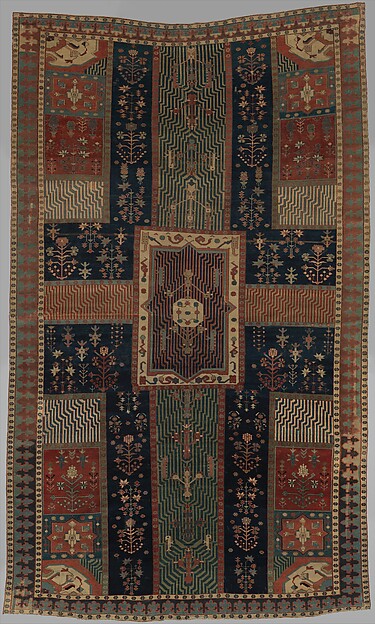

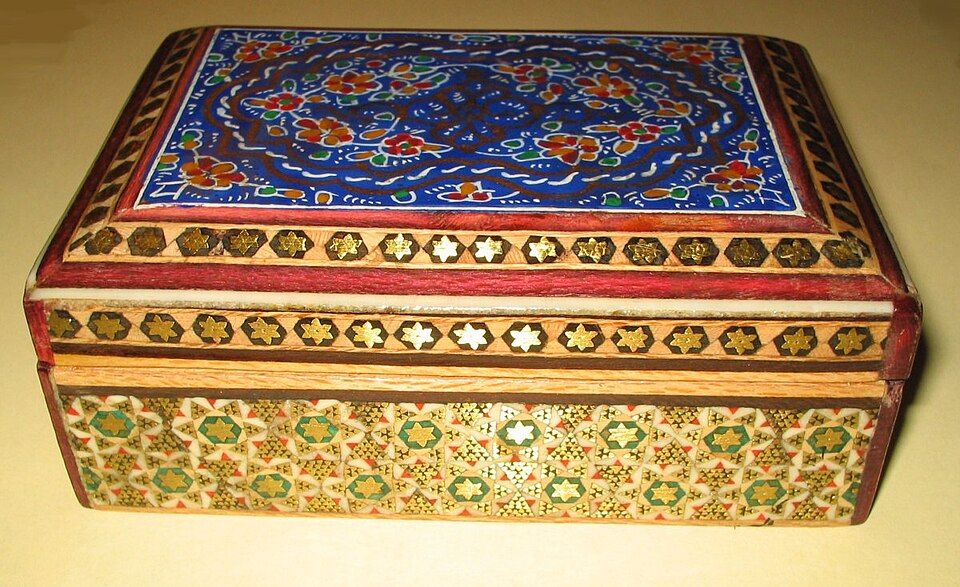
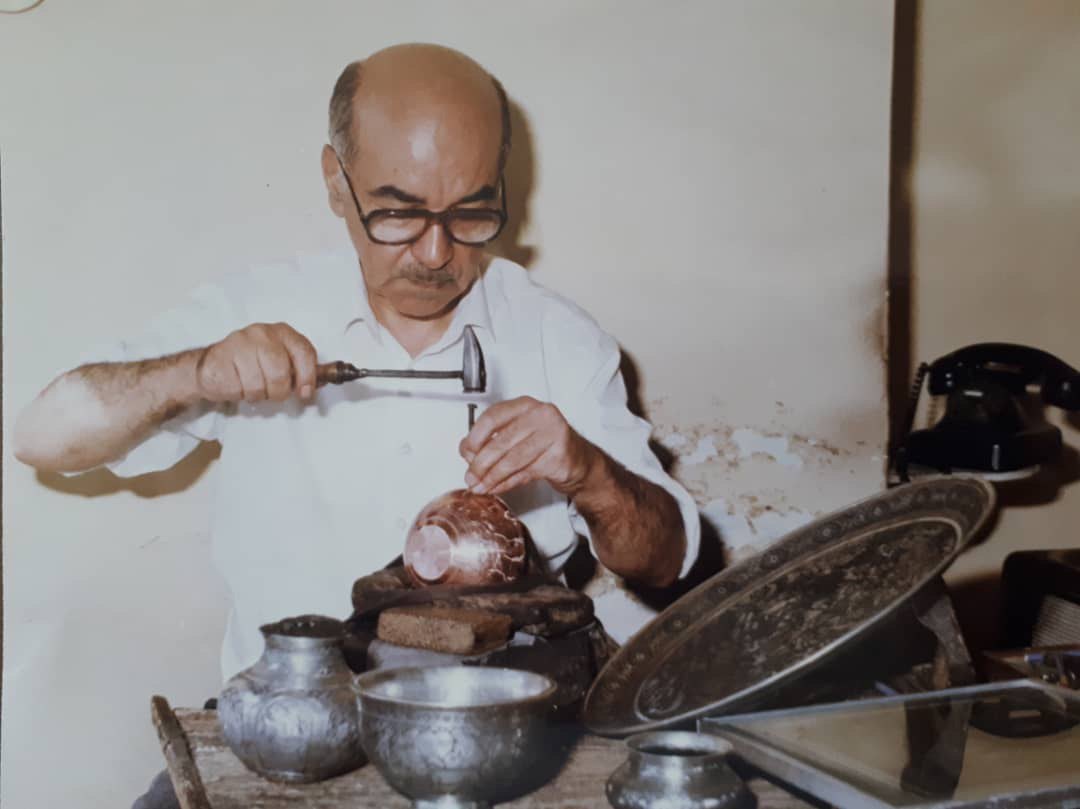
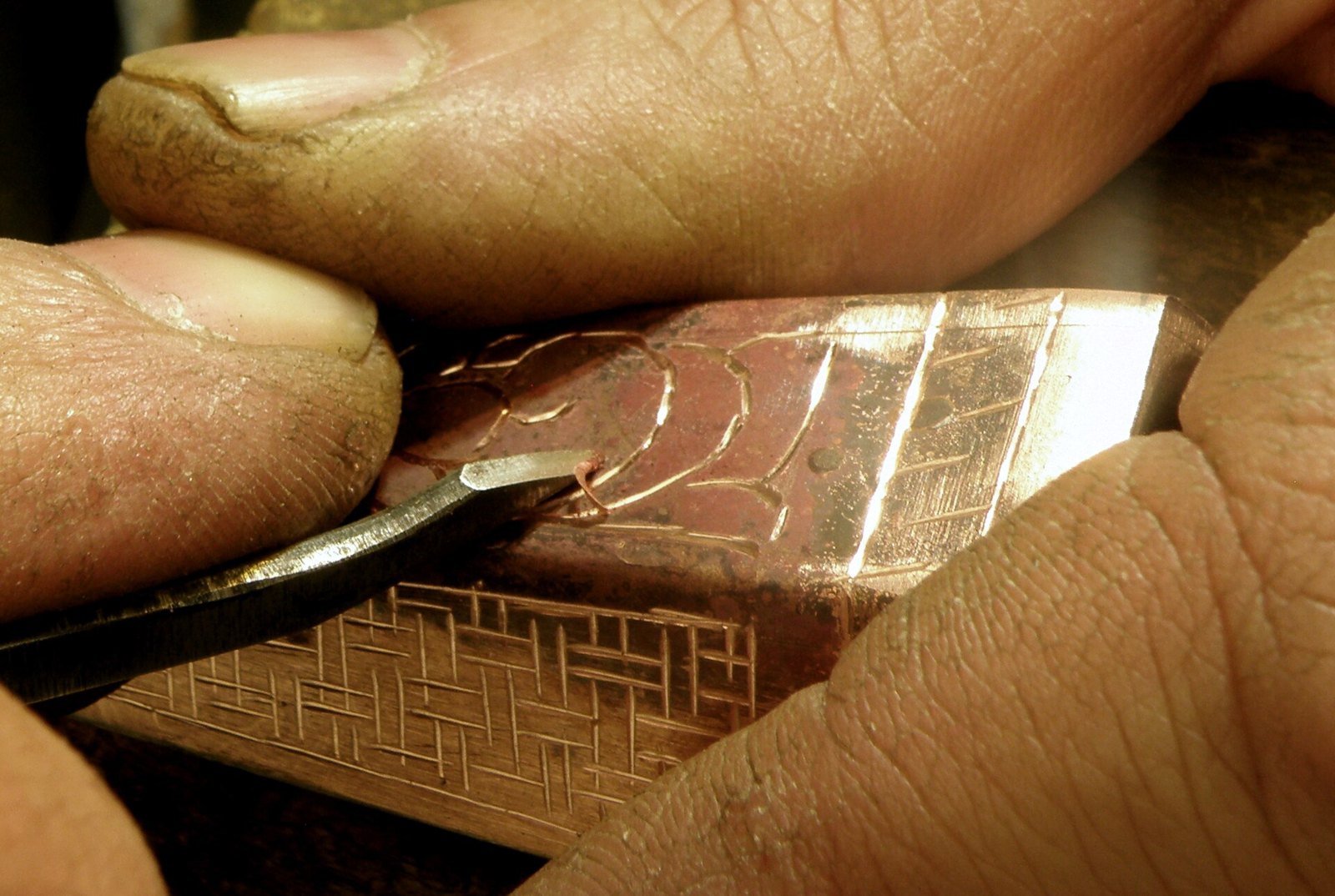
Representative photographs only. Marketplace examples rely on seller descriptions; CraftPersia has not independently authenticated their maker, origin, or rights status. Follow each source link for the listing context.
| Material | Usually cosmetic | Usually significant |
|---|---|---|
| Hand-knotted rug | Even wear, abrash, fringe loss | Dry rot, moth tracks, large reweaves |
| Khatam marquetry | Surface dulling, light scratches | Lifting tesserae, warped carcass |
| Engraved copper/brass | Patina, light rubbing | Splits, solder repairs, worn-through tinning |
| Termeh and textiles | Light fading at folds | Shattered silk, splits along weft |
| Subject | What differs | What to do |
|---|---|---|
| Loss | Original material absent | Where and how extensive? |
| Repair | Later intervention | What was added and by whom? |
| Instability | Ongoing lifting or weakness | Is handling or shipping safe? |
Timeline
- Before viewing
Request report date and assessor's scope.
- Inspection
Match each term to a photograph or area.
- Decision
Seek specialist advice before cleaning or shipping fragile work.
References and further reading
- [1] American Institute for Conservation — Guide to Condition Reporting ↗
- [2] Textile Conservation: Advances in Practice (Lennard & Ewer, 2010)
- [3] Canadian Conservation Institute, CCI Notes, preventive conservation publications.General guidance on condition and care, not an appraisal standard.
These sources provide context, not authentication or provenance for an individual object. Editorial interpretations remain under review.