
Beginner guide · 10 min
Introduction to Persian handicrafts
Editorial team · updated 2026-09-12
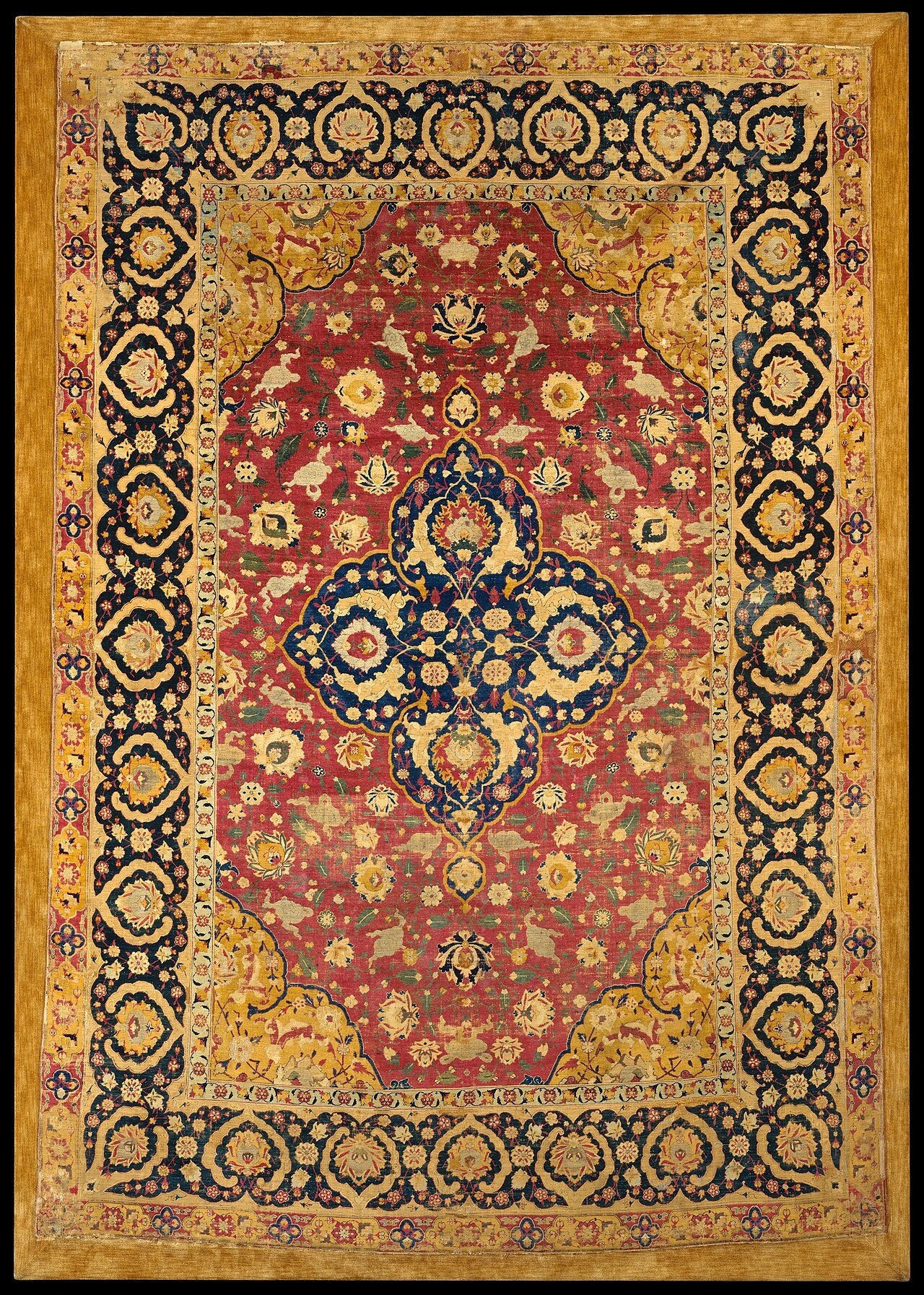
accessed 2026-09-30 · The Metropolitan Museum of Art · CC0 (Met Open Access / Wikimedia Commons) · Photo source ↗
- Type
- Beginner guide
- Reading
- 10 min
- Chapters
- 8
- Photos
- 6
A first orientation: the main craft families, the regions that shaped them, and how to read the vocabulary.
The craft families
Iranian handicrafts are usually grouped by material: textiles, ceramics, metal, wood, paper and the arts of the book, glass, leather and natural fibre. Each family has its own regional map, technical vocabulary and conservation problems.
Workshop, village and camp
The same technique produces very different objects depending on where it is practised. A designed city workshop, a village loom and a pastoral household differ in how a design is arrived at — and that difference, not quality alone, explains much of what a collector sees.
Reading the language
Craft names are usually Persian descriptions of the process: qalam-zani is pen-striking, khatamkari is the making of khatam, negargari is picture-making. Learning the term usually means learning the technique.
- Main families
- Textiles, metal, wood, ceramics and tile, painting and the book, glass, stone
- Major centres
- Isfahan, Tabriz, Shiraz, Kerman, Yazd, Kashan, Mashhad
The main craft families
Iranian handicrafts are commonly grouped by material. Textiles include hand-knotted carpets, gelim, termeh, ghalamkar block printing and regional embroideries. Metal includes qalam-zani engraving and minakari enamel. Wood includes khatam marquetry and moarragh inlay. Ceramics and tile include haft-rang tiles and Lalejin pottery. The arts of the book include miniature painting, illumination and calligraphy.
Geography and centres
Many crafts cluster in particular cities: Isfahan for metalwork, minakari and ghalamkar; Shiraz for khatam; Yazd for termeh and zilu; Kerman for carpets and pateh; Tabriz for carpets. Nomadic groups such as the Qashqai, Bakhtiari and Turkmen sustain distinct weaving traditions.
- Isfahan — metal, enamel, printing, tile
- Shiraz — khatam, inlay
- Yazd — termeh, zilu
- Kerman — carpets, pateh
- Tabriz — carpets
How to start learning
Begin with one material and visit museum collections online: the Met, the V&A and the Cleveland Museum of Art publish Iranian objects with dates and materials. Then compare with living makers' work to see continuity and change.
Technique and evidence
Classify an object first by the structure that can be observed: interlaced yarn, fired clay, worked metal, joined wood or decorated paper. A cultural or sales category can group many very different processes.
Collecting and next steps
Begin a record with the maker's preferred name where known, materials, measurements, date and how each attribution was obtained. Keep disputed terms and gaps visible; do not turn a motif into a single fixed cultural meaning.
The steps here are educational; identification, conservation and valuation of an individual object require appropriate independent expertise.
Related photographs and screened examples
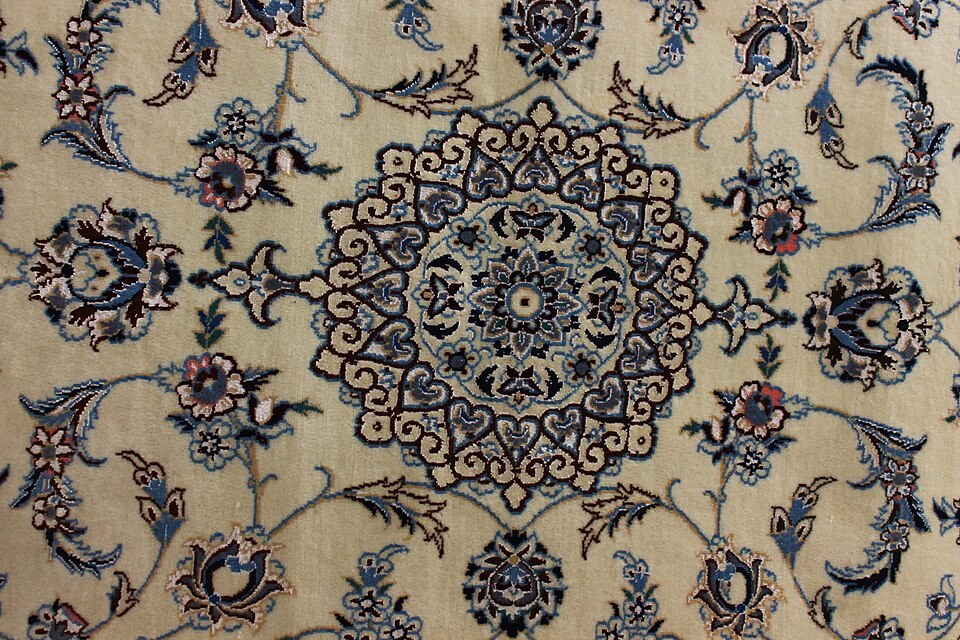
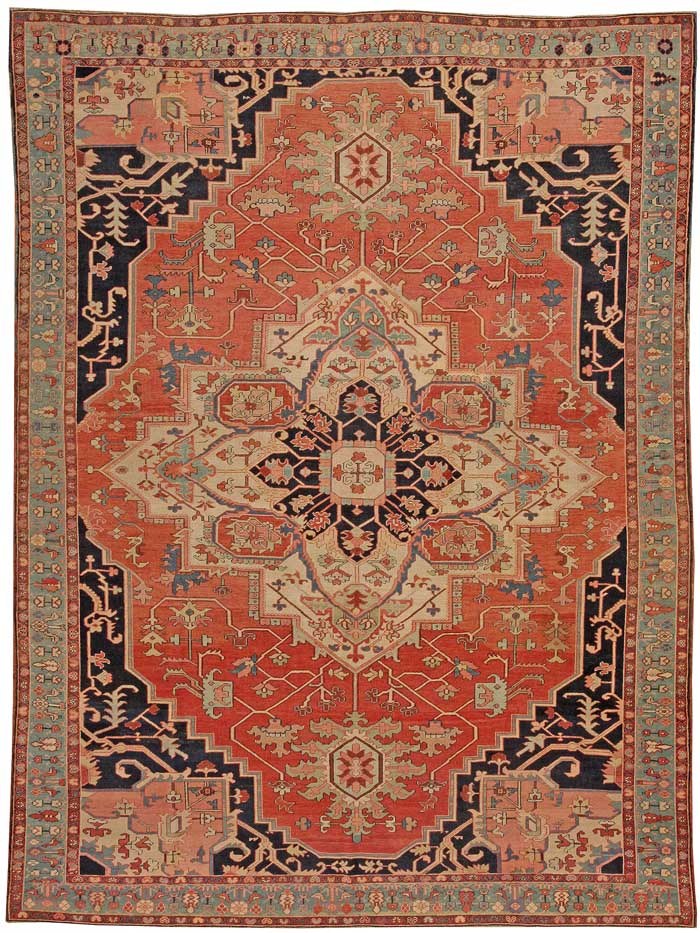
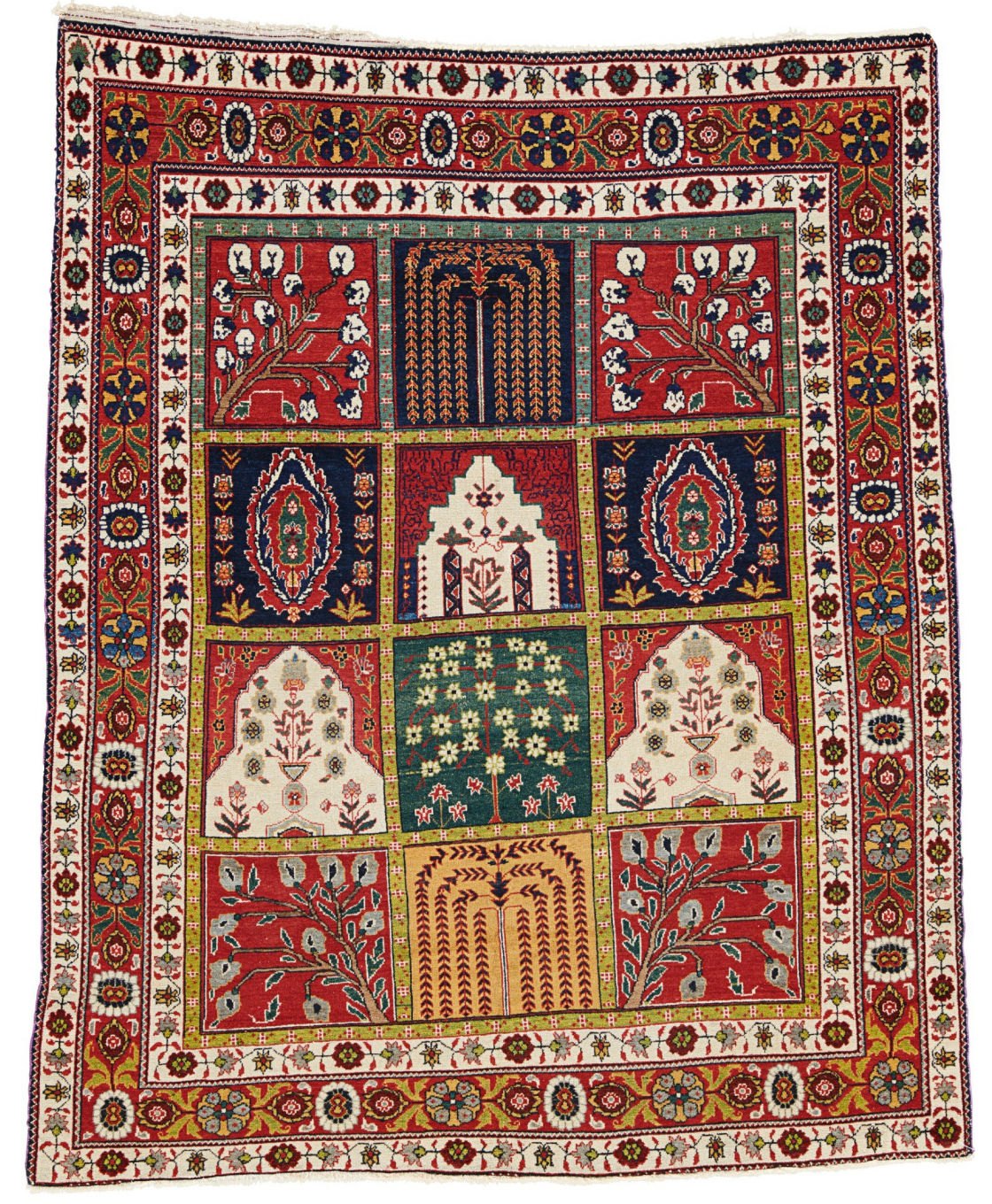

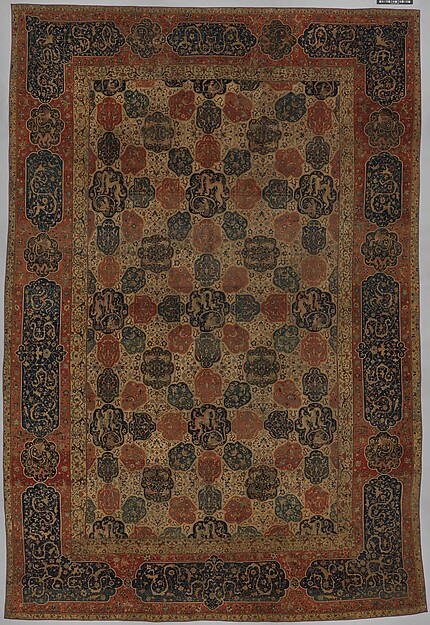
Representative photographs only. Marketplace examples rely on seller descriptions; CraftPersia has not independently authenticated their maker, origin, or rights status. Follow each source link for the listing context.
| Family | Examples | Key centres |
|---|---|---|
| Textiles | Carpet, termeh, ghalamkar, pateh | Tabriz, Yazd, Isfahan, Kerman |
| Metal | Qalam-zani, minakari | Isfahan |
| Wood | Khatam, moarragh | Shiraz, Isfahan |
| Ceramics | Haft-rang tile, Lalejin pottery | Isfahan, Hamadan |
| Book arts | Miniature, tazhib, calligraphy | Isfahan, Tehran |
| Subject | What differs | What to do |
|---|---|---|
| Textile | Woven, knotted, felted or stitched | Look at reverse and edges |
| Ceramic | Shaped and fired clay | Examine body, glaze and repairs |
| Metal and wood | Raised, joined, inlaid or carved | Identify construction before style |
Timeline
- Encounter
Observe the object's materials and working method.
- Context
Ask a maker or consult an institutional collection record.
- Record
Cite sources and distinguish knowledge from interpretation.
References and further reading
- [1] The Met — Heilbrunn Timeline of Art History: Iran ↗
- [2] H. E. Wulff, The Traditional Crafts of Persia, MIT Press, 1966.Historical overview; contemporary practice needs living maker perspectives.
These sources provide context, not authentication or provenance for an individual object. Editorial interpretations remain under review.