
Buying guide · 10 min
Trade rules and buying from Iran: what to check
Editorial team · updated 2026-09-29

probably first half 16th century · accession 46.128 · The Metropolitan Museum of Art · CC0 (Met Open Access) · Photo source ↗
- Type
- Buying guide
- Reading
- 10 min
- Chapters
- 8
- Photos
- 6
Why import rules vary by country, and why you should check them before buying.
Rules vary by country
Some countries restrict imports of goods from Iran, including carpets and handicrafts. Rules change over time and may include exceptions.
What to check
Check with your national customs or trade authority before buying. This guide is not legal advice.
What to check
Rules on importing Iranian goods differ by country and change over time. Some countries restrict imports, including Iranian carpets, while others allow personal purchases. Payment may also be restricted. Check current official guidance before buying or shipping.
- Keep receipts and descriptions
- Declare purchases at customs
- Ask the seller about export permits for carpets and antiques
Buying from Iranian makers abroad
Diaspora makers and importers who comply with local rules can be another route to genuine Iranian work.
A note on this guide
This is a general introduction written by the CraftPersia editorial team. It has not yet been reviewed by a specialist. Confirm details with makers, conservators or museums, and treat any dates as approximate.
Crafts covered in this guide
Persian carpet (فرش ایرانی) — A hand-knotted pile textile woven across Iran in city workshops, village looms and pastoral camps, distinguished by regional structure, palette and design vocabulary.
Khatamkari (خاتمکاری) — A Persian inlay art in which fine rods of wood, bone and metal are bundled into star units, sliced into thin sheets and applied to a wooden surface to form dense geometric tessellation.
Minakari enamel (میناکاری) — A decorative technique in which powdered coloured glass is fused by heat onto the surface of gold, silver or copper objects, producing a smooth, glossy coloured surface, historically practised in Isfahan on vessels, jewellery and decorative panels.
Materials, techniques and centres
Persian carpet, Khatamkari and Minakari enamel are recorded in the archive with wool, silk, cotton, natural dyes, walnut wood and camel bone as principal materials, and knotted pile weaving, wood inlay (khatam) and enamelling on metal as techniques. Associated centres include Tabriz, Isfahan, Kashan, Kerman, Qom and Shiraz; a place name on its own does not establish where an individual object was made.
Collecting and next steps
When applying this guide to a specific object, work from what can be observed: structure, materials, tool marks, repairs and documentation. Ask the seller or maker for written statements about who made the piece, where, from what materials, and what has been repaired or replaced.
The steps here are educational; identification, conservation and valuation of an individual object require appropriate independent expertise.
Related photographs and screened examples
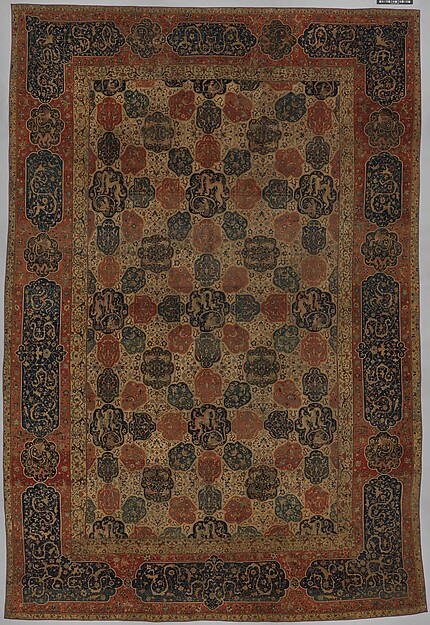
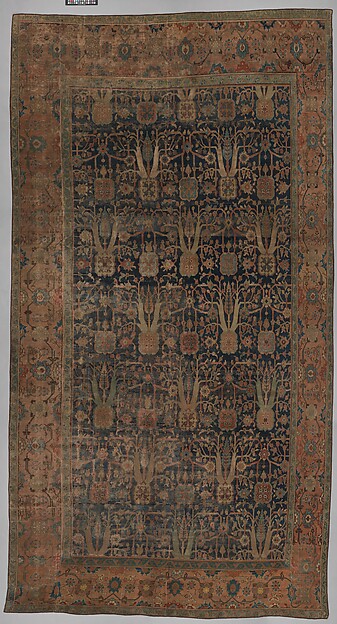
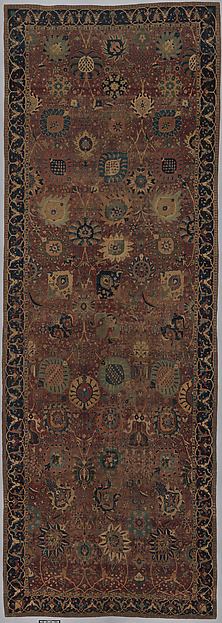

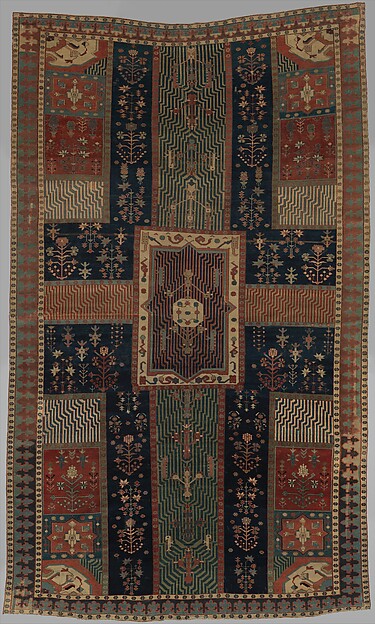
Representative photographs only. Marketplace examples rely on seller descriptions; CraftPersia has not independently authenticated their maker, origin, or rights status. Follow each source link for the listing context.
| Craft | Associated centres | Key materials |
|---|---|---|
| Persian carpet | Tabriz, Isfahan, Kashan | Wool, Silk, Cotton |
| Khatamkari | Isfahan, Shiraz | Walnut wood, Camel bone, Brass |
| Minakari enamel | Isfahan | Copper, Silver, Vitreous enamel |
References and further reading
- [1] H. E. Wulff, The Traditional Crafts of Persia, MIT Press, 1966.General historical craft reference, not evidence for a particular object.
These sources provide context, not authentication or provenance for an individual object. Editorial interpretations remain under review.