
Beginner guide · 9 min
Iranian crafts for new collectors
Editorial team · updated 2026-09-29
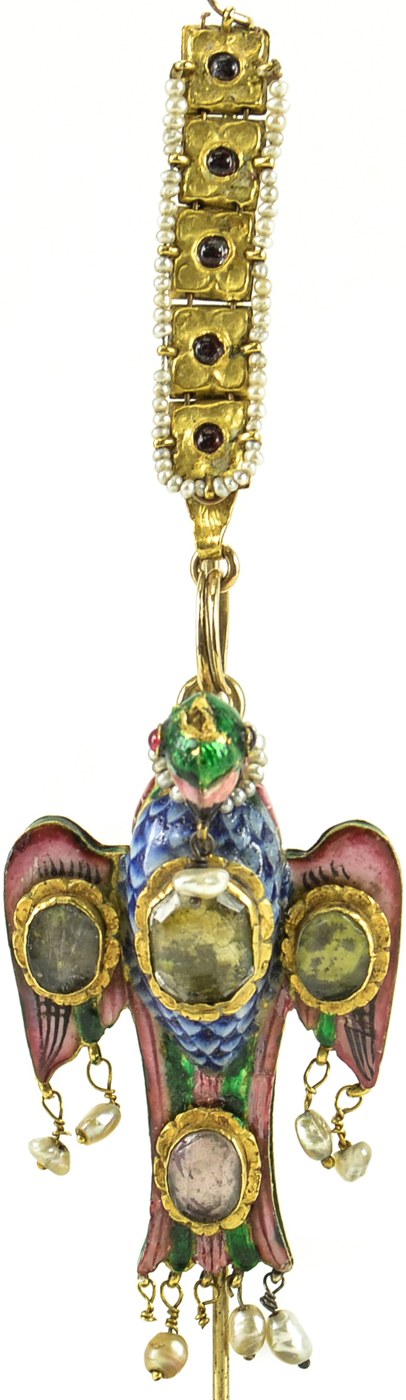
a historical enamel example, not a modern Isfahan vessel; accessed 2026-09-30 · The Metropolitan Museum of Art · CC0 (Met Open Access) · Photo source ↗
- Type
- Beginner guide
- Reading
- 9 min
- Chapters
- 7
- Photos
- 6
Where to start, how to set a budget, and how to build a small collection with good records.
Start small and specific
Choose a specific collecting question and study documented examples before buying widely. Observe museum objects under institutional rules; handling requires explicit study access and permission.
Keep records
Keep receipts, seller statements, photos and measurements for each piece. Records help with insurance, resale and research.
Budget
Prices vary widely; include packing, transport, supports and care in the budget. Significant or older objects may need independent condition and provenance advice before purchase.
- Starting point
- One subject and a clear collecting purpose
- Budget
- Purchase plus care, storage and transport
- Record
- Stable identifier and dated evidence
Choose a question before choosing a purchase
A small collection can explore one material, one technique, contemporary making or a carefully documented regional tradition. Decide what you want to learn and compare before collecting widely. A qalamkar cloth, an enamel vessel and a pile rug raise different handling, storage and evidence questions; a shared Iranian label does not make them directly comparable.
Begin with published museum records and permitted close viewing. Museum objects are not normally available for handling, so use scheduled study access only where the institution explicitly allows it. Record what a catalogue actually attributes and where it expresses uncertainty. A collection label is a source to evaluate, not independent confirmation by this archive.
Use a repeatable pre-purchase record
Ask for front, reverse, edges, dimensions, materials, condition and the making location of the actual object. Distinguish maker statements from retailer descriptions and earlier ownership history. For contemporary work, ask which stages were performed by hand and whether a named maker is documented. A city used as a design label cannot establish origin.
Give each acquired object a stable identifier and save the original listing, invoice and dated photographs. Keep changes in attribution or condition without overwriting the earlier record. Do not turn an attractive seller story into a catalogue fact when the supporting document is missing. Unknown authorship is acceptable if it remains accurately described.
Budget for ownership rather than the asking price alone
Packing, transport, import checks, appropriate supports and safe storage can cost more than anticipated. Fragile, oversized or repaired objects may need specialist services. Do not presume a small cloth, engraved vessel or village rug is inexpensive; asking prices vary and are not a valuation system.
Consider whether you can move and store the object safely before committing. Do not buy unstable material on the assumption that household glue, polish or cleaning will restore it cheaply. Obtain an independent condition opinion for significant purchases and written terms about returns, delivery and promised documentation.
- Define one collecting focus
- Keep source claims labelled
- Include care and transport in the budget
- Use a stable object identifier
Recognise when to decline
Unexplained repairs, pressure to pay before seeing the reverse, unsupported origin or age claims and missing lawful-export information are reasons to pause. An antique or archaeological fragment needs more than a contemporary souvenir’s sales receipt. Trade and cultural-property rules depend on the actual object and destination and should be checked currently.
Collecting does not require filling every gap immediately. Decline replicas, reproductions and Persian-style-only imports under this archive’s marketplace criteria, even if a seller describes them honestly. A documented Iranian maker abroad can qualify, but tradition, making location and identity need their own records. No photograph or asking price substitutes for these questions.
Related photographs and screened examples
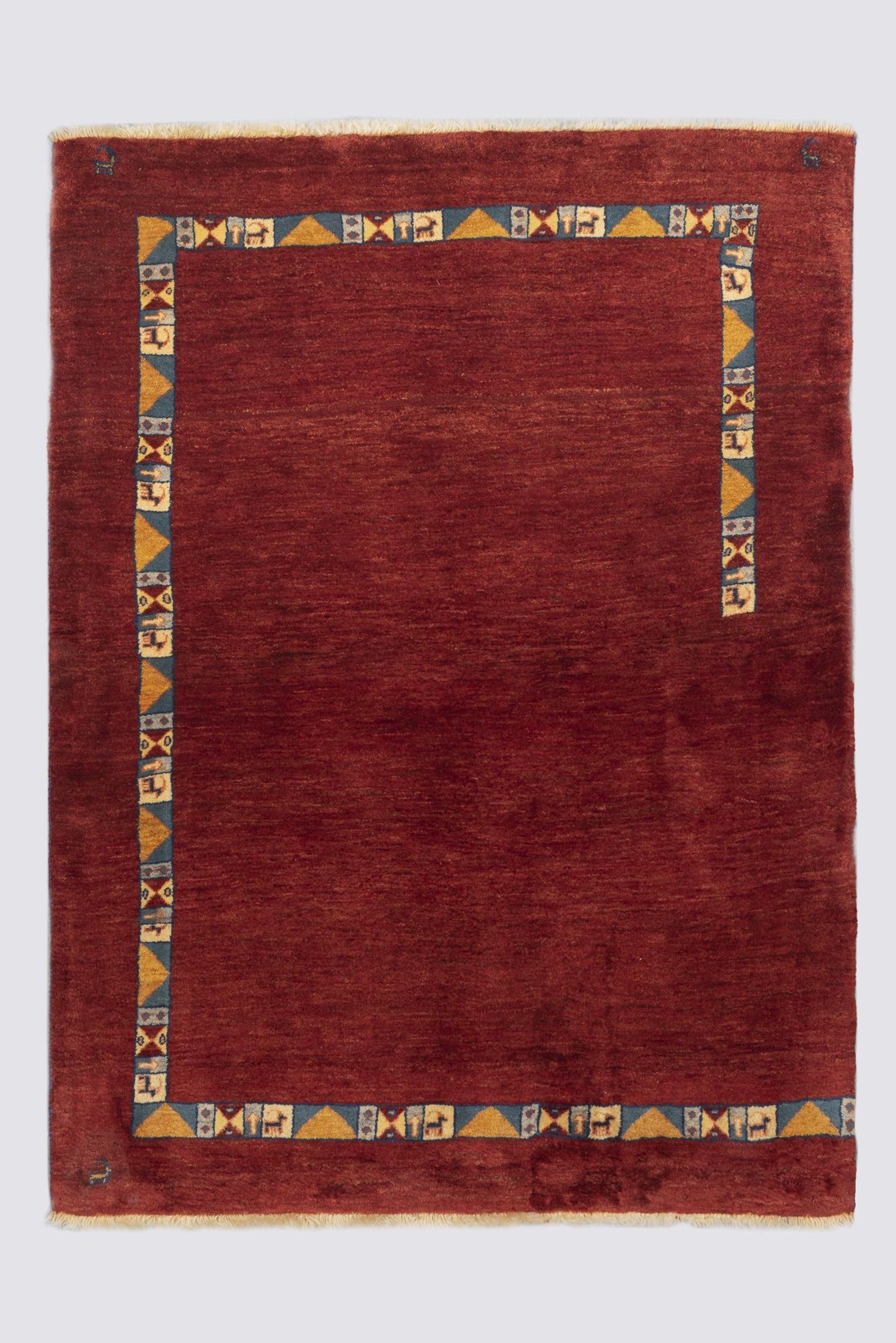
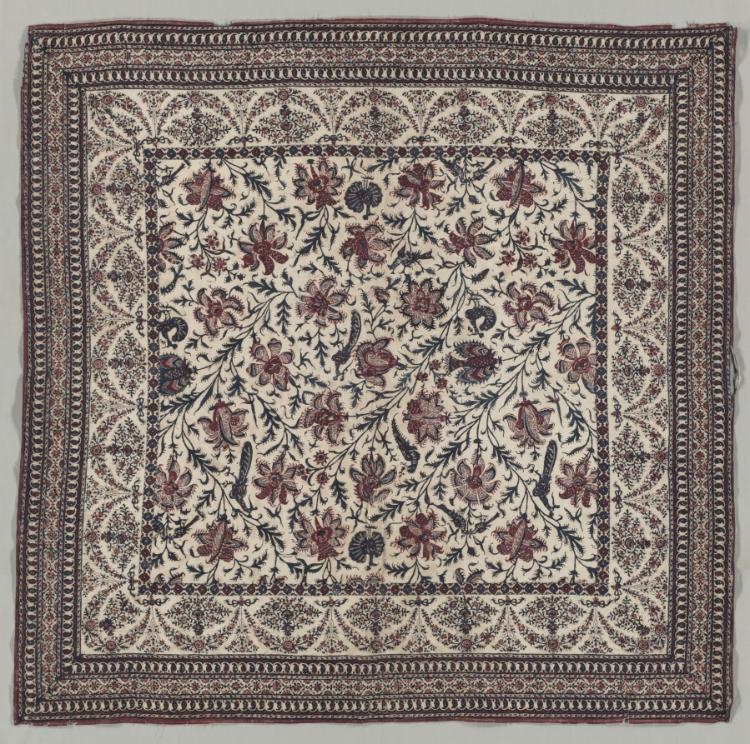
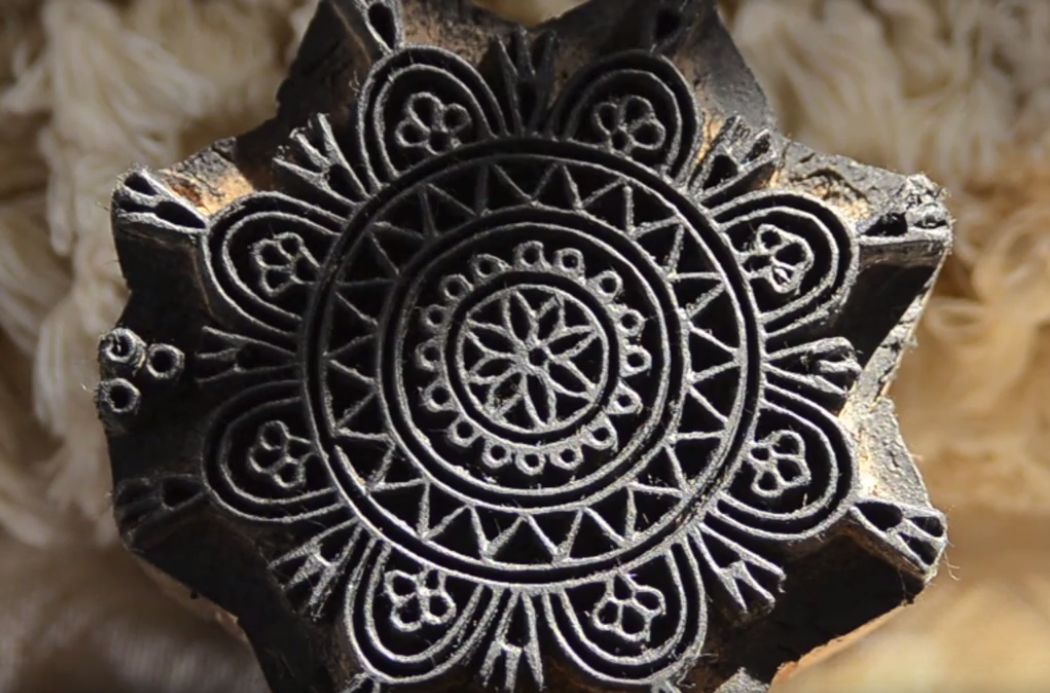
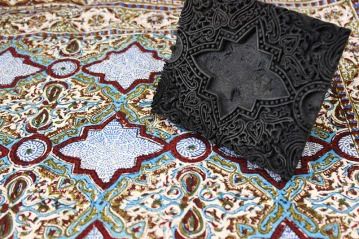
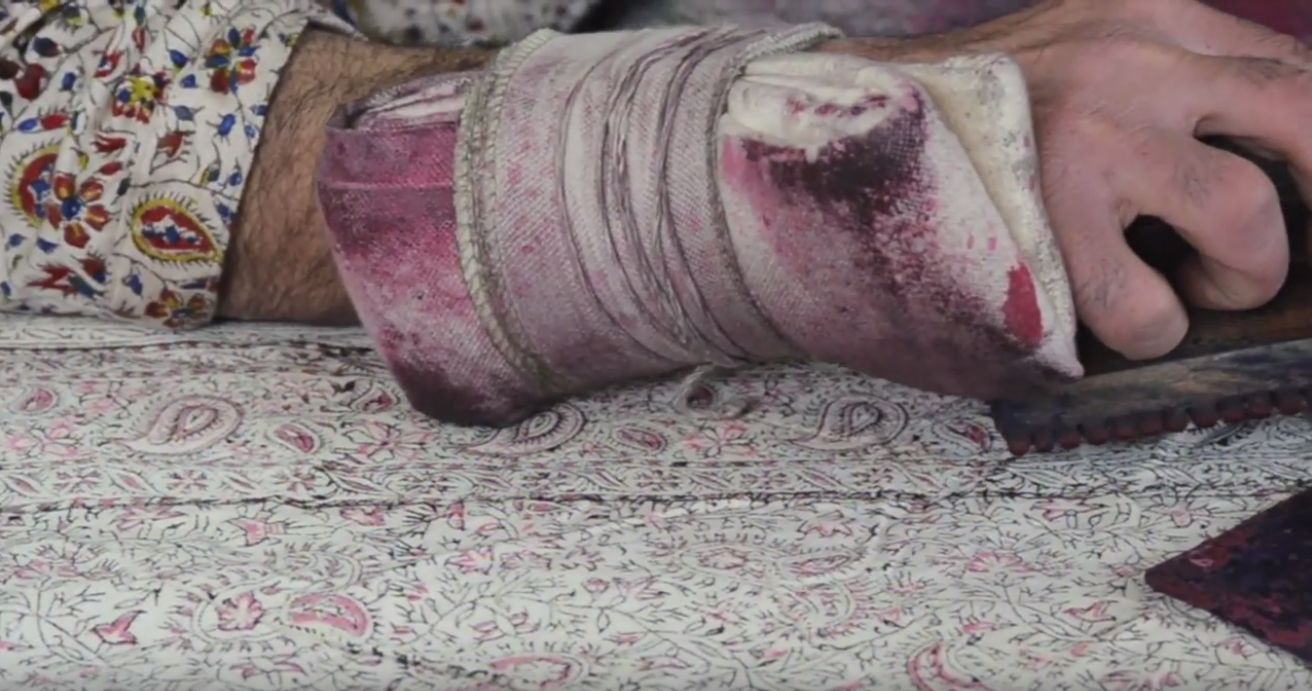
Representative photographs only. Marketplace examples rely on seller descriptions; CraftPersia has not independently authenticated their maker, origin, or rights status. Follow each source link for the listing context.
| Question or feature | Useful evidence | Limit |
|---|---|---|
| Maker attribution | Named, dated making documentation | A signature alone needs interpretation |
| Condition | Written report and concealed-area views | Attractive front view is incomplete |
| Older object | Ownership and legal export records | Age claim does not prove lawful movement |
References and further reading
- [1] H. E. Wulff, The Traditional Crafts of Persia (1966)Historical process descriptions, not a current workshop survey or authentication of an individual object.
- [2] UNESCO — Ethical principles for safeguarding intangible cultural heritage ↗Community participation and consent, not a commercial certification.
These sources provide context, not authentication or provenance for an individual object. Editorial interpretations remain under review.