
Collector guide · 11 min
Schools of Persian miniature painting
Editorial team · updated 2026-09-29
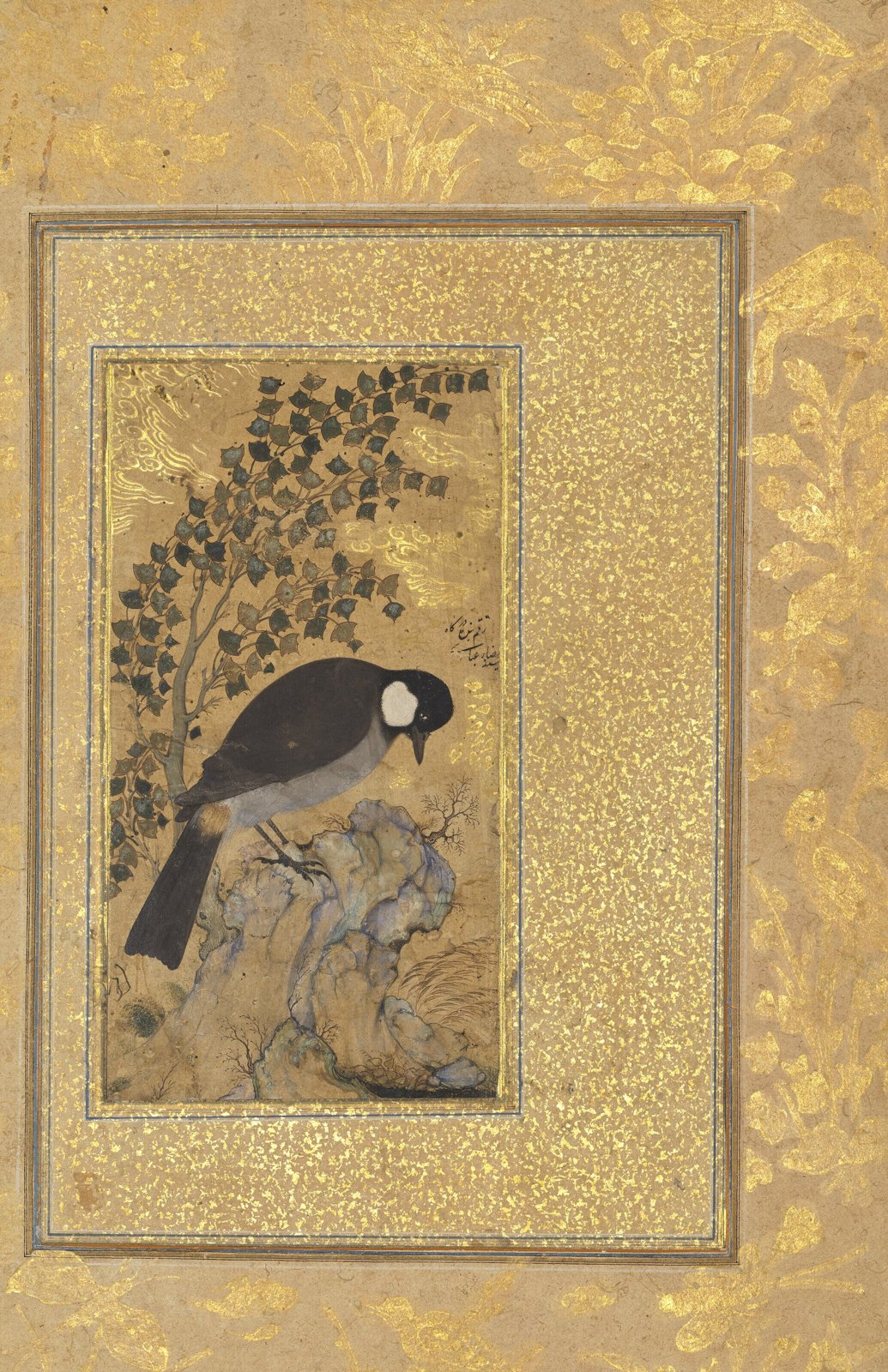
circa 1620 · Christies.com · Public domain · Photo source ↗
- Type
- Collector guide
- Reading
- 11 min
- Chapters
- 9
- Photos
- 2
An overview of the Tabriz, Herat, Shiraz, Isfahan and Qajar traditions.
Early schools
Painting centres at Tabriz, Shiraz and Herat developed distinct styles in the 14th and 15th centuries.
Safavid and later
Safavid Tabriz and later Isfahan produced single-page works and albums; Qajar painting added oil painting and lacquer.
Today
Contemporary painters, especially in Isfahan, work in both traditional and new styles. Attribution to a ‘school’ is always a judgement.
Main schools in brief
Art historians often group Persian painting by court centre and period. These labels are broad, and individual works can be hard to attribute.
- Ilkhanid (Tabriz, 13th–14th c.): influence of Chinese landscape painting
- Timurid (Herat, 15th c.): refined compositions; Behzad is closely associated
- Safavid (Tabriz, Qazvin, Isfahan, 16th–17th c.): rich court manuscripts and later single-page works; Reza Abbasi
- Qajar (19th c.): oil portraits and lacquer, with European influence
Contemporary miniature
Today's miniaturists in Isfahan, Tehran and elsewhere continue the classical styles or adapt them. Contemporary works should be sold as signed modern pieces, not as antiques.
A note on this guide
This is a general introduction written by the CraftPersia editorial team. It has not yet been reviewed by a specialist. Confirm details with makers, conservators or museums, and treat any dates as approximate.
Crafts covered in this guide
Persian miniature (نگارگری ایرانی) — The Iranian tradition of small-scale painting made for manuscripts and albums, built from fine line, flat luminous colour and layered spatial convention rather than single-point perspective.
Materials, techniques and centres
Persian miniature is recorded in the archive with paper, lapis lazuli (ultramarine) and shell gold as principal materials, and tazhib illumination as the technique. Associated centres include Isfahan, Shiraz and Tabriz; a place name on its own does not establish where an individual object was made.
Collecting and next steps
When applying this guide to a specific object, work from what can be observed: structure, materials, tool marks, repairs and documentation. Ask the seller or maker for written statements about who made the piece, where, from what materials, and what has been repaired or replaced.
The steps here are educational; identification, conservation and valuation of an individual object require appropriate independent expertise.
Related photographs and screened examples
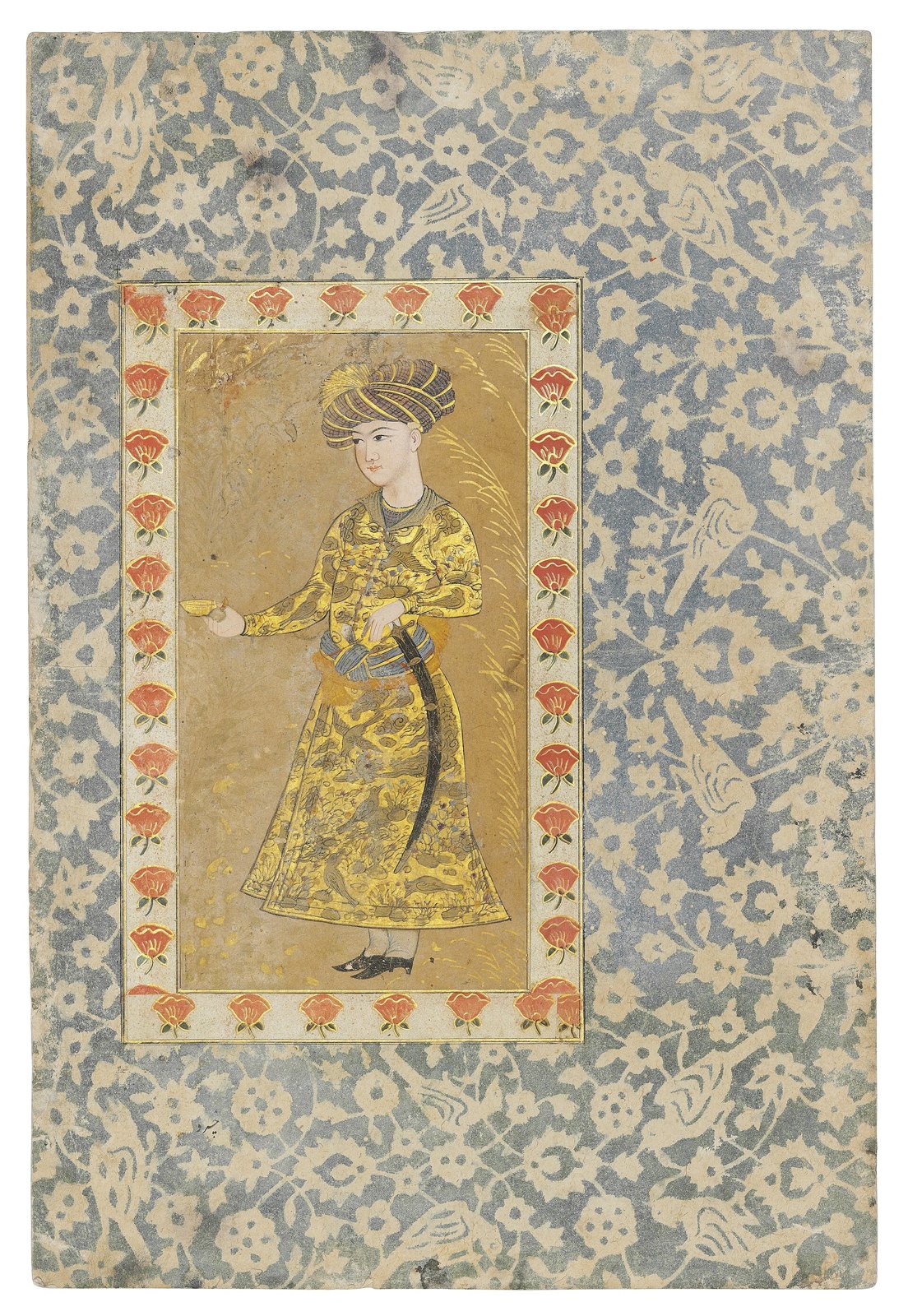
Representative photographs only. Marketplace examples rely on seller descriptions; CraftPersia has not independently authenticated their maker, origin, or rights status. Follow each source link for the listing context.
References and further reading
- [1] H. E. Wulff, The Traditional Crafts of Persia, MIT Press, 1966.General historical craft reference, not evidence for a particular object.
These sources provide context, not authentication or provenance for an individual object. Editorial interpretations remain under review.